里维埃拉酒店 | Rodolphe Parente | 2025 | 法国
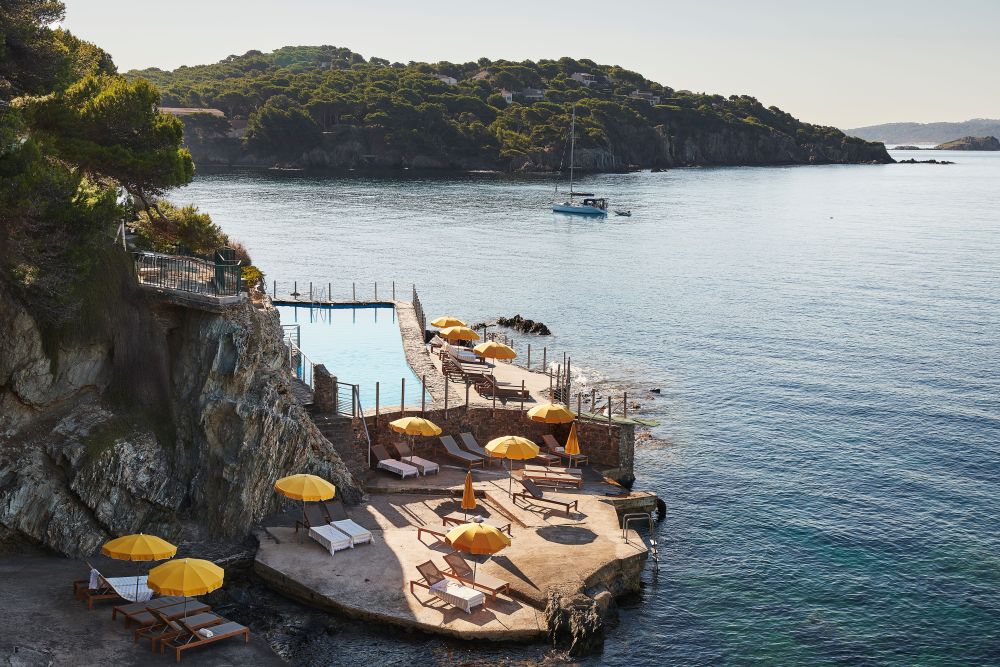
Landscape is at the heart of Le Provençal. The golden-age French Riviera hotel is set on the Giens Peninsula where rugged cliffs and hidden coves mingle with fragrant pine forests. When Marius Michel opened the venue in 1951, he chose a small property perched high on a rocky promontory, poised between the village of Giens and the Mediterranean coast,. On one side, a brasserie served local seafood specialities; on the other, a balcony overlooked the water like the deck of an ocean liner. Michel created a two-hectare park within the grounds, planted with oleanders and mimosas, and boasting a seawater swimming pool carved into the rock.
The hotel’s opening marked a return home for local success story Michel, who had made his name as head chef of the Le Lido cabaret in Paris. Soon, his 43-room coastal getaway was attracting not only resting cabaret dancers on their summer vacations, but society types, too – arts patron Marie-Laure de Noailles, whose famous Modernist villa can still be found in the nearby town of Hyères, was a regular.
Le Provençal has always been a family affair. In the 1970s, Michel’s daughter Claude took it over with her husband; she was an early supporter of the Hyères Fashion Festival, which ensured that the hotel continued to attract a glitzy clientele (John Galliano and interior designer Andrée Putman, among others). Today, Claude’s sons Damien and Benjamin Piffet are in charge, and the hotel has its own local boutique, Merci Marius, and a vibrant arts collection, courtesy of Damien’s partner Julie Liger (who is also the artistic director of Villa Noailles).
The Piffet brothers have led a newly unveiled renovation of Le Provençal, which preserves its vintage elegance while bringing it up to date for the 21st century. The décor has been refreshed by Parisian interior designer Rodolphe Parente, who was hand-picked by the Piffets for the project. “Le Provençal embodies the glamour of the French Riviera in the 1950s: a mixture of modernity, freedom, and Mediterranean light,” says Parente. “When Damien contacted me, he spoke with great emotion about his family’s history with the hotel. I immediately sensed that this was far more than a building – it was a place filled with both collective and intimate memories.”
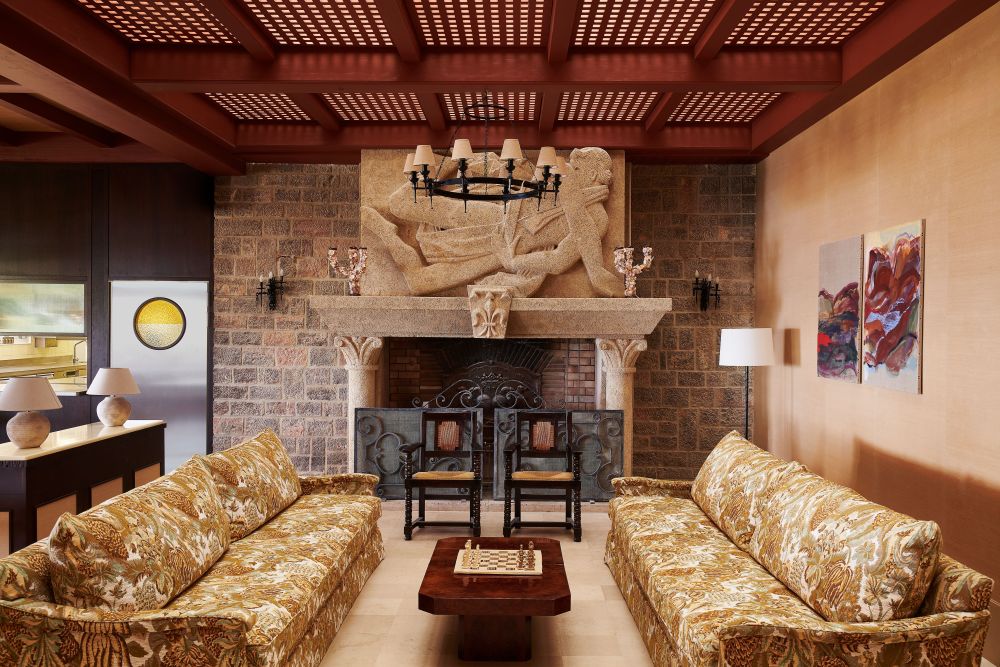
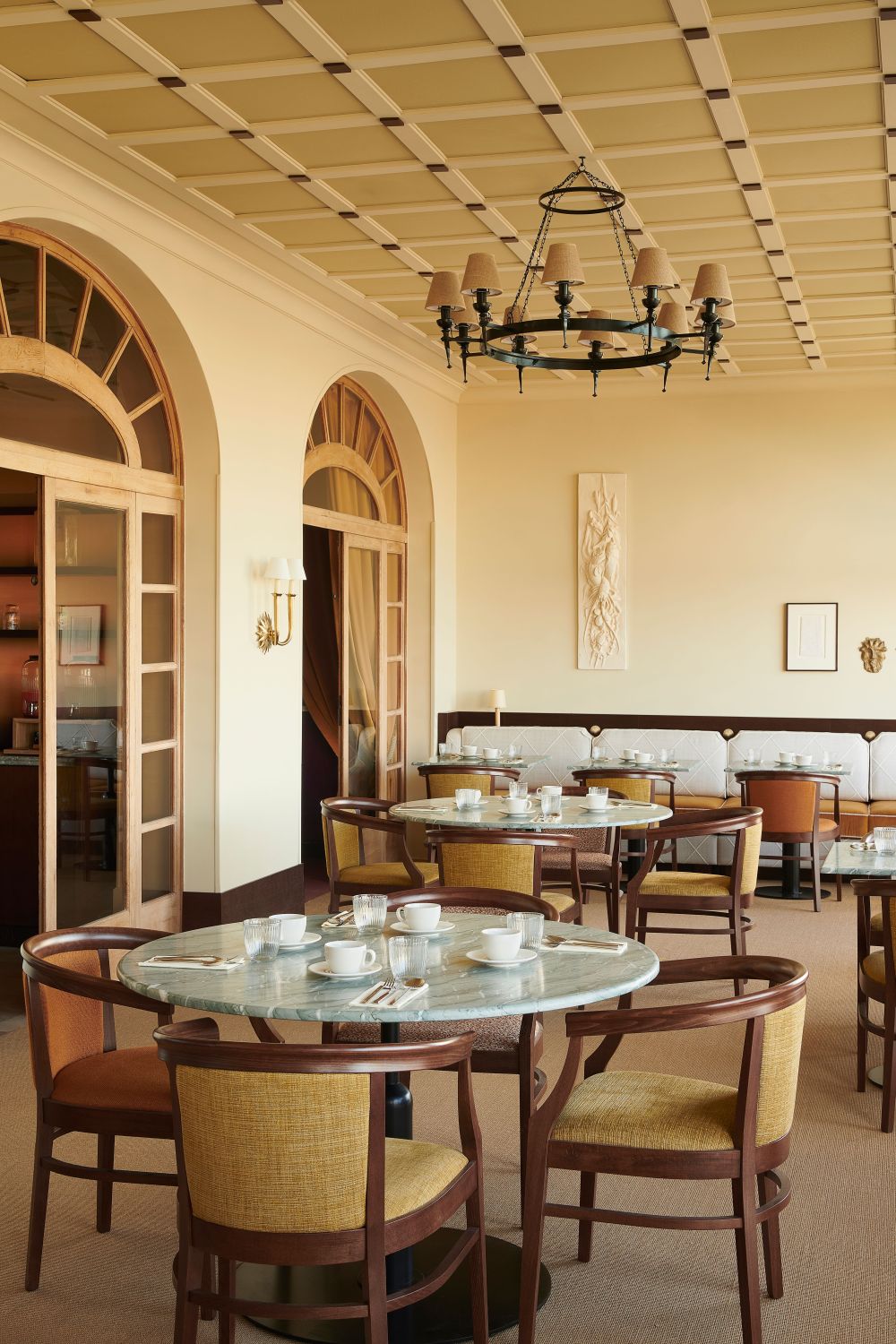
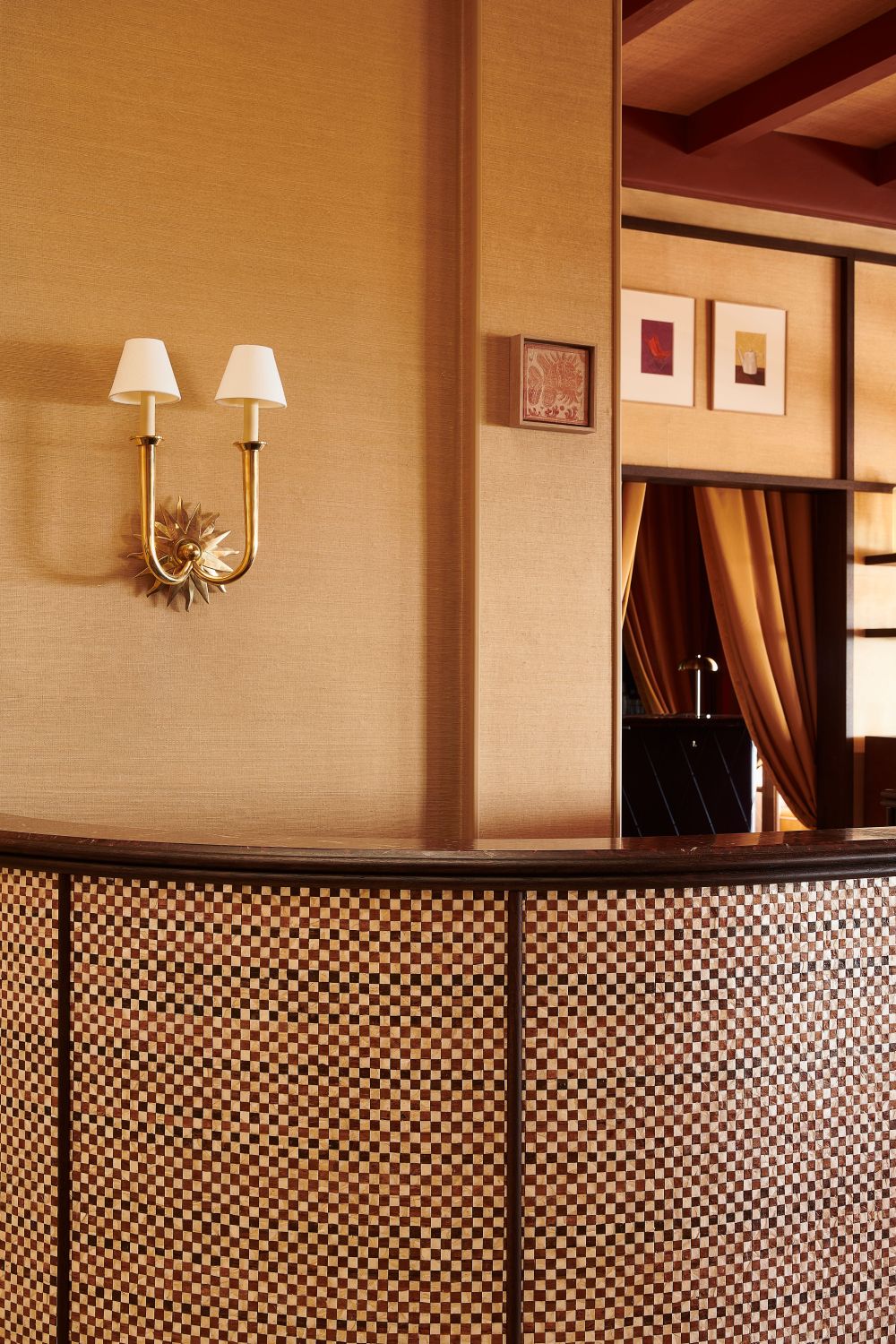
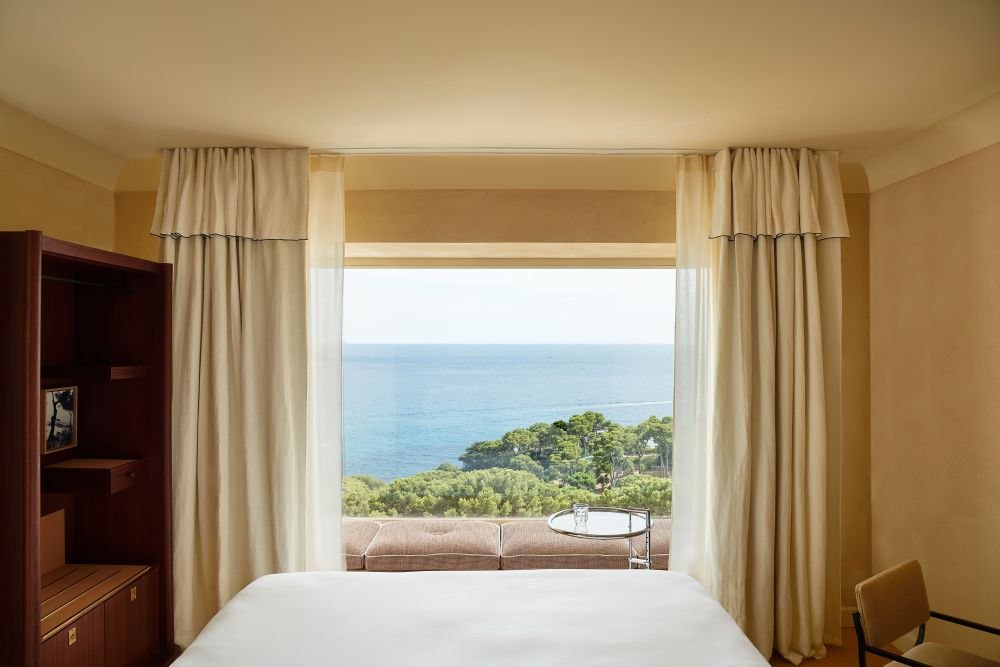
Parente’s sensitive interventions seek “not to freeze the heritage, but to reactivate it.” He has preserved many original features, such as the monumental fireplace that anchors the hotel lounge, and complemented them with new colours, finishes, and artworks. Spaces have been subtly reimagined with comfort, light, and acoustics in mind. “Le Provençal is literally ‘suspended’ between the village and the sea. This duality guided the entire project,” the designer continues. “The spirit of 1950s Provence is not treated as pastiche: it comes from a Modernist elegance, a sense of freedom and lightness, Mediterranean colour and geometry, and influences from Italy and the local Var region, which I studied in archives and old photographs. Each space tells its own story, almost like a stage set: the restaurants and common areas are places of movement and exchange, almost theatrical, while the rooms are conceived as intimate, minimal refuges focused on light and the view. Everything had to feel as though it had always been there.”
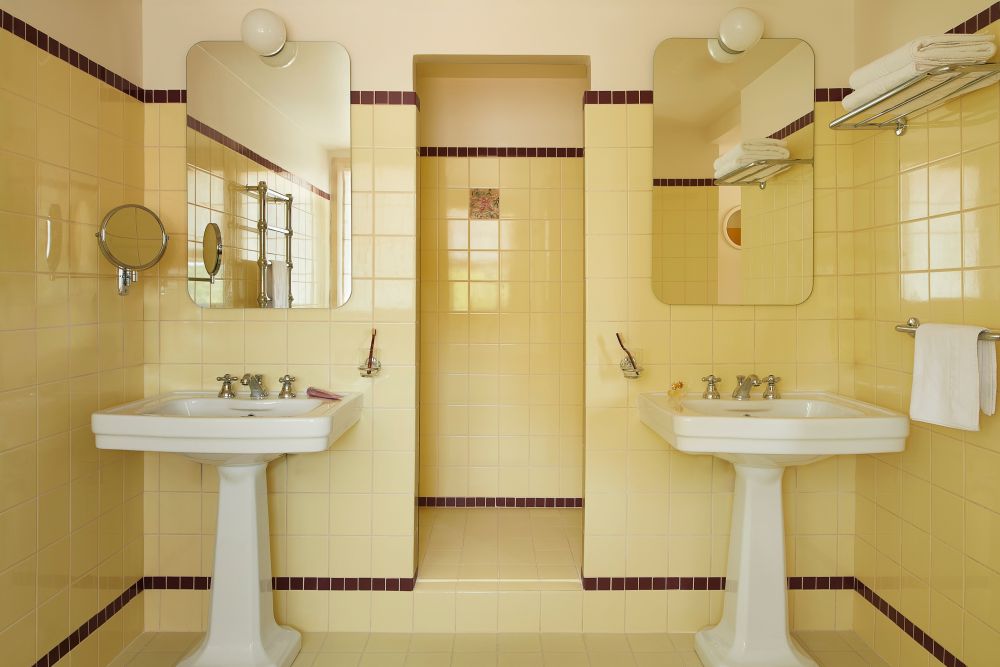
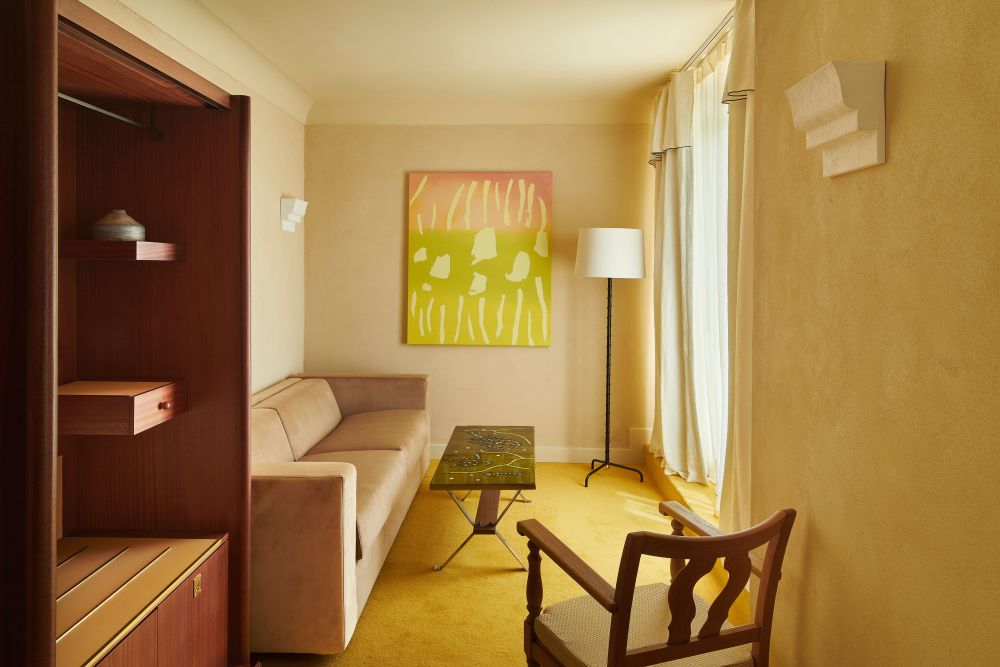
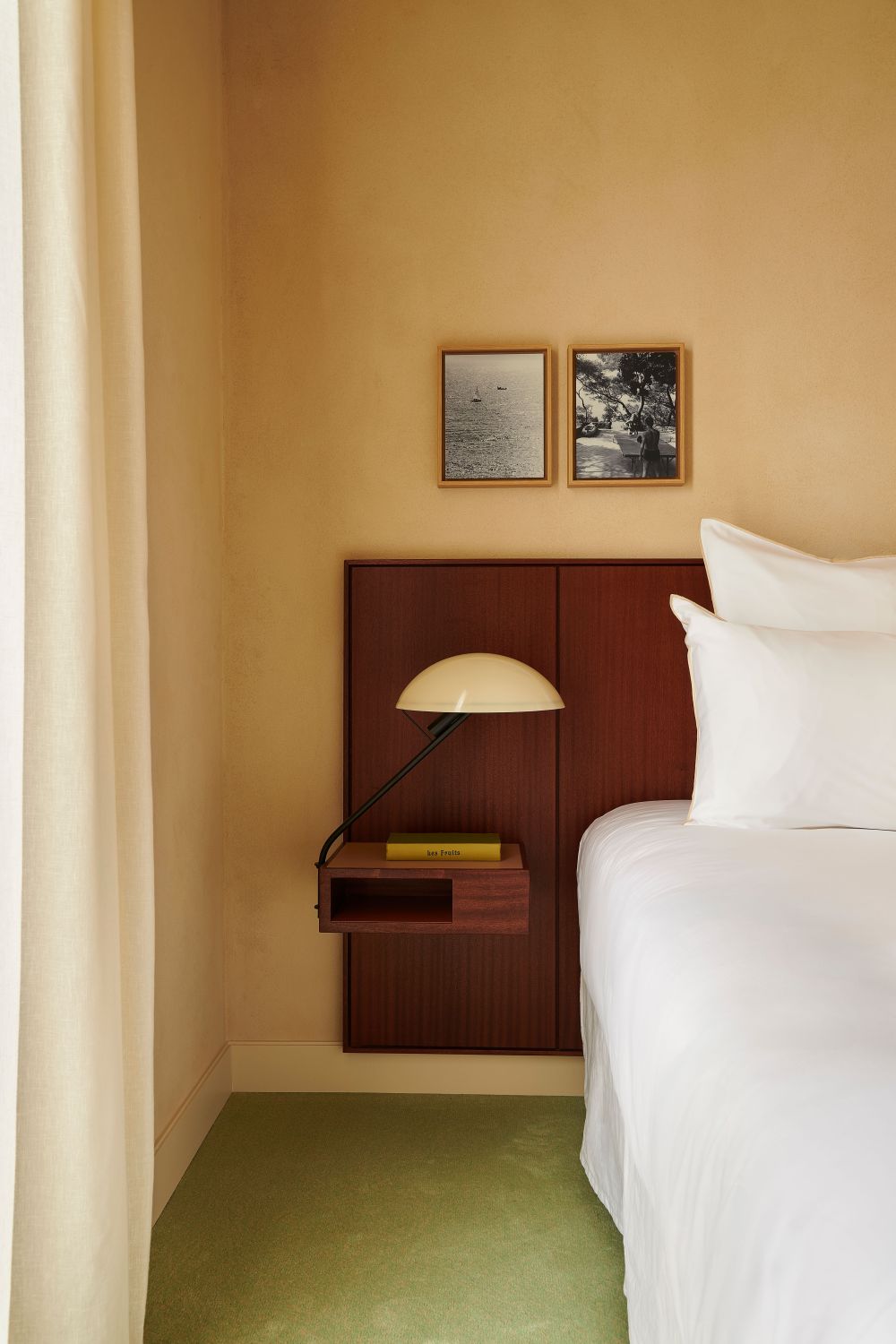
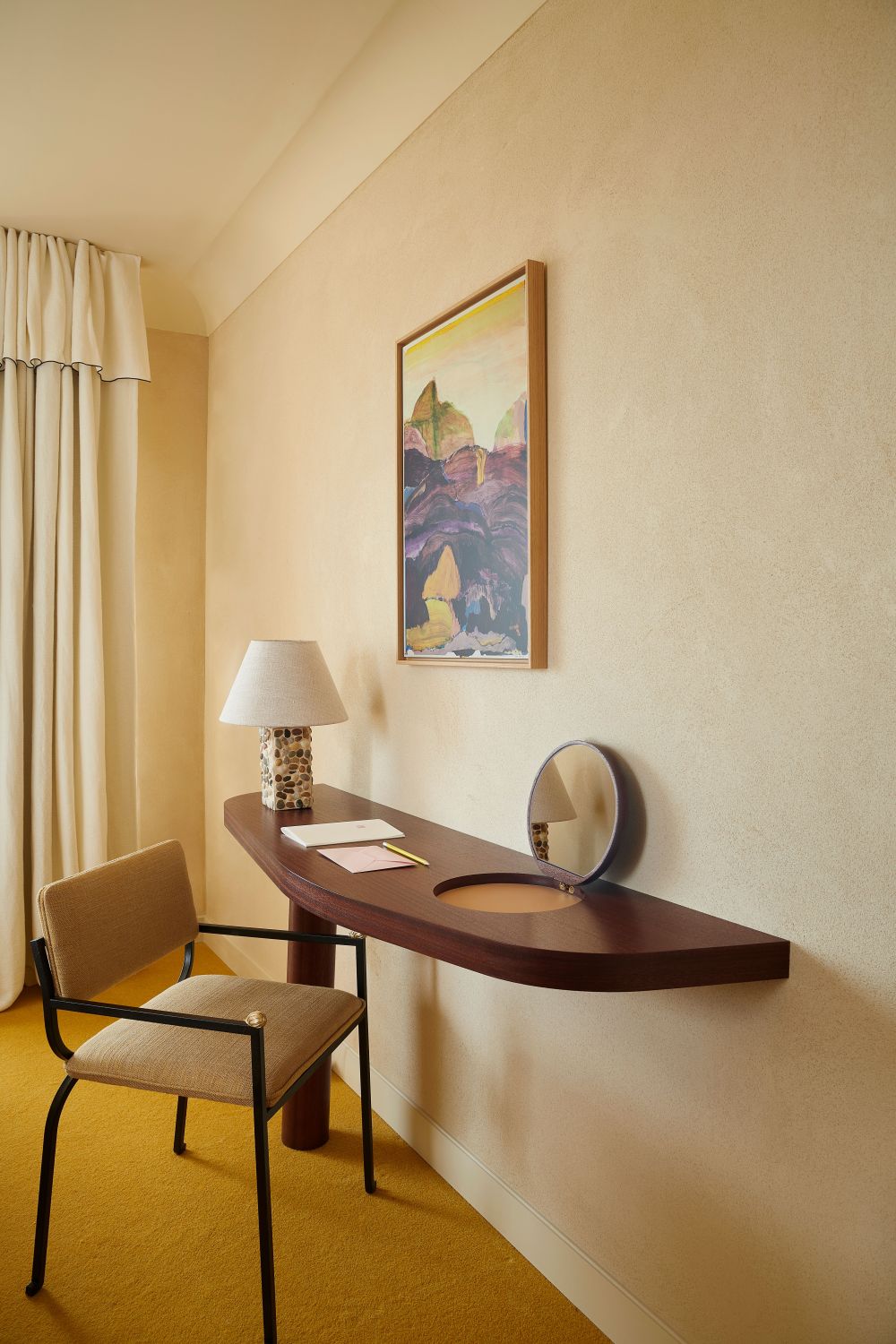
Guests will be charmed by the sunny lemon yellows of the bedrooms and bathrooms inspired by local sandy beaches, and featuring hand-applied mineral colours for a luminous quality. There are also touches of almond green and candy pink, and warm wood or coloured cork headboards with simple geometric lines. “The red wood is typical of 1960s Italian design, bringing a historical echo, while cork and coloured carpets have softness and acoustic qualities,” explains Parente. “Materials were selected not for visual effect, but for the feeling of well-being they generate. The colours in the hotel stem from 1950s Modernism and the natural surroundings – vegetation, stone, sea, and sunlight. We choose not to include blue, as the sea is already very present.”
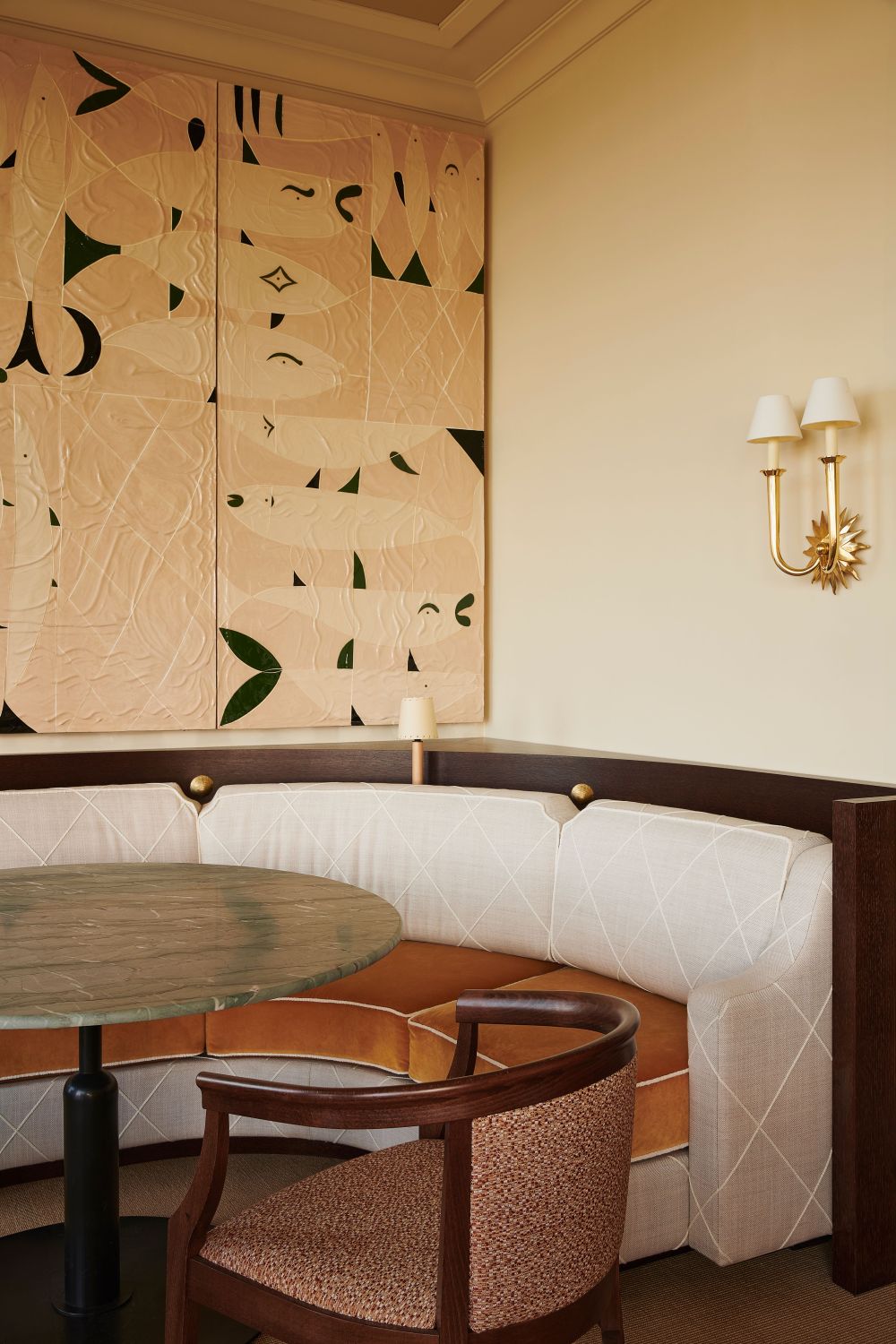
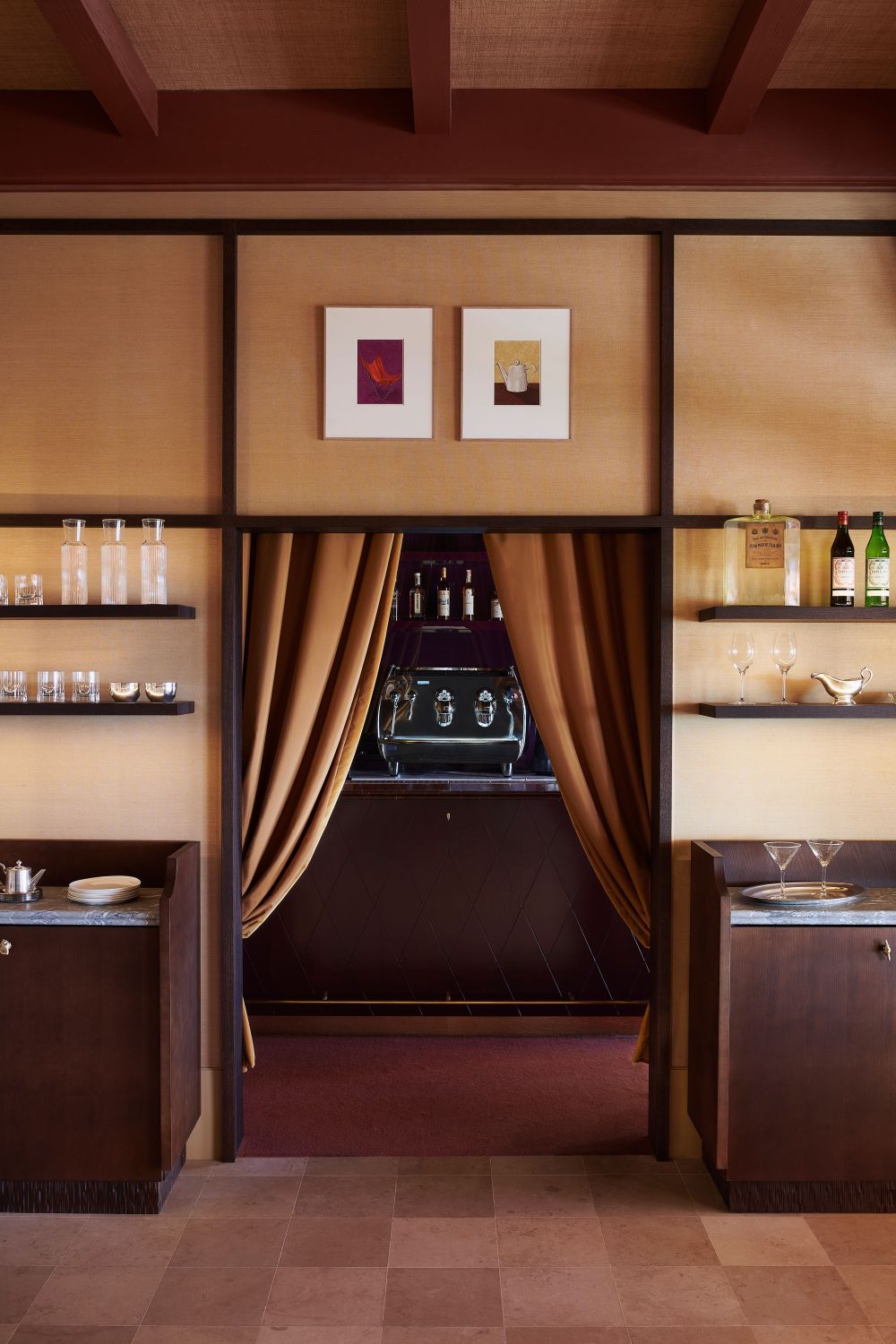
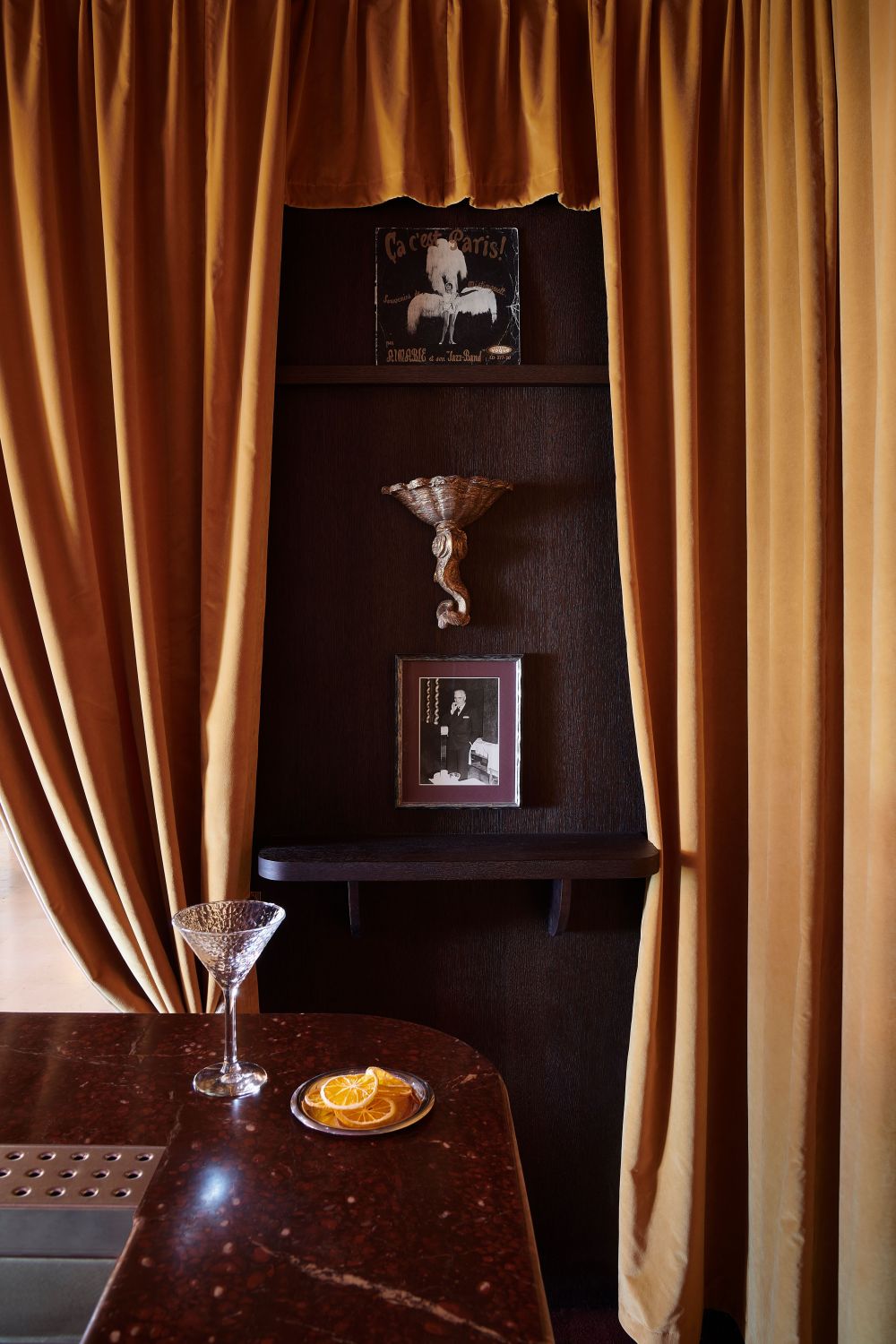
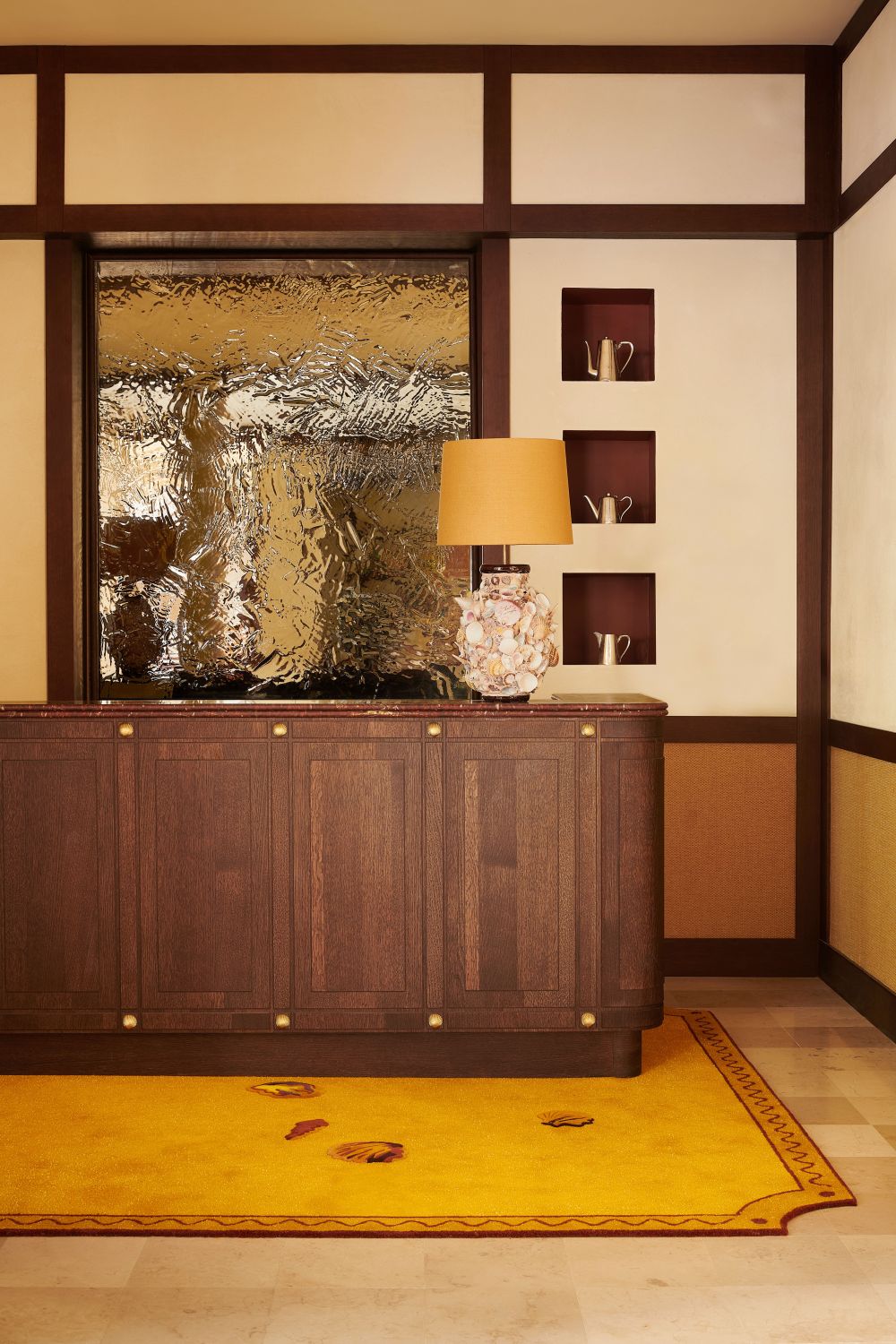
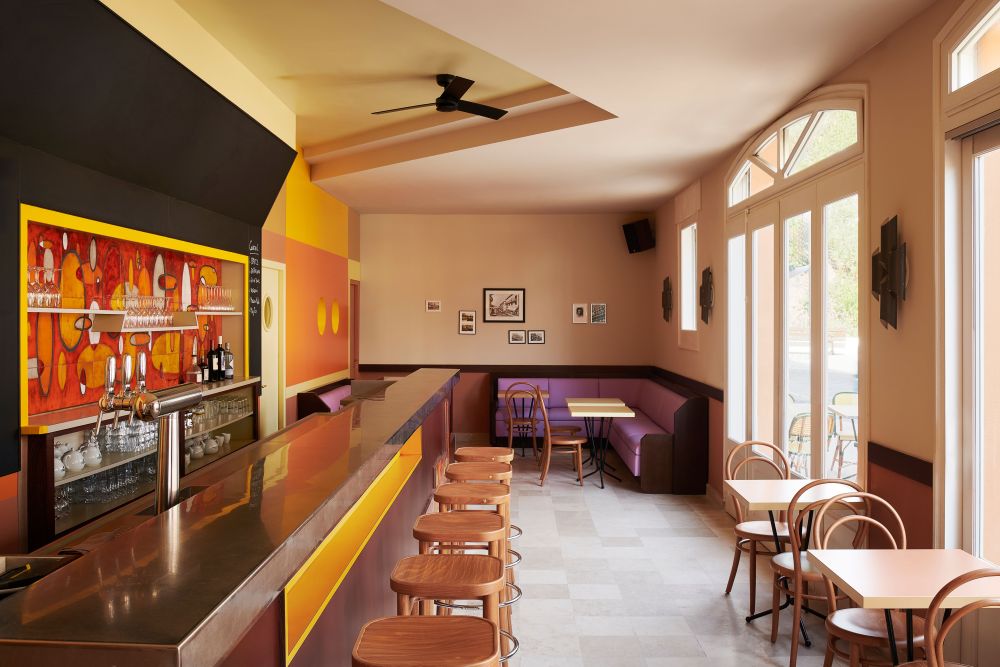
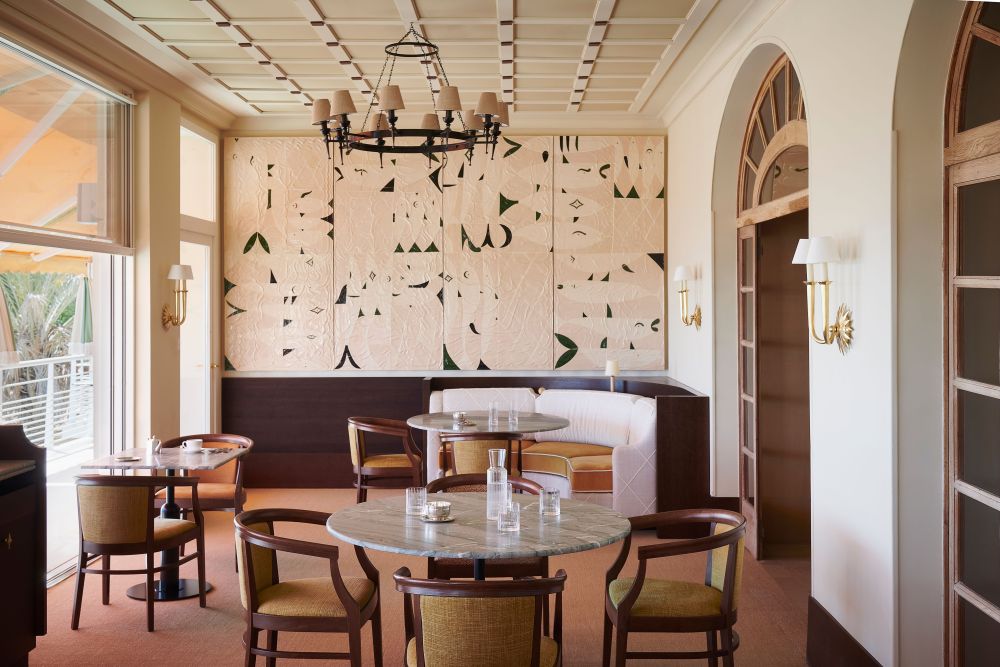
Reflecting the French Riviera hotel's long-standing links to art and craft, Parente installed a textured mirror panel above the reception desk, created by artist Sebastien Gafari. The seafood restaurant La Rascasse plays host to a tactile tiled mural, while the original brasserie retains its mid-century counter and ceramic tiled bar (the latter by painter Pierre Pascalet), with a new colour scheme in orange, yellow, and lilac. There’s also the velvet-lined Pocket Bar, whose theatrical drapes nod to Marius Michel’s Le Lido heyday.
- 转载自:AD(admiddleeast)
- 图片@AD(admiddleeast)
- 国家:美国
- 编辑:序赞网
- 翻译:序赞网
- 阅读原文
|
|