Where Architects Live | Arjaan De Feyter
vsszan51209190648461.jpg
vsszan51209190648462.jpg


After three major transformations, the Belgian residence has become an ongoing experiment in sustainable family living as it evolves with its owners.
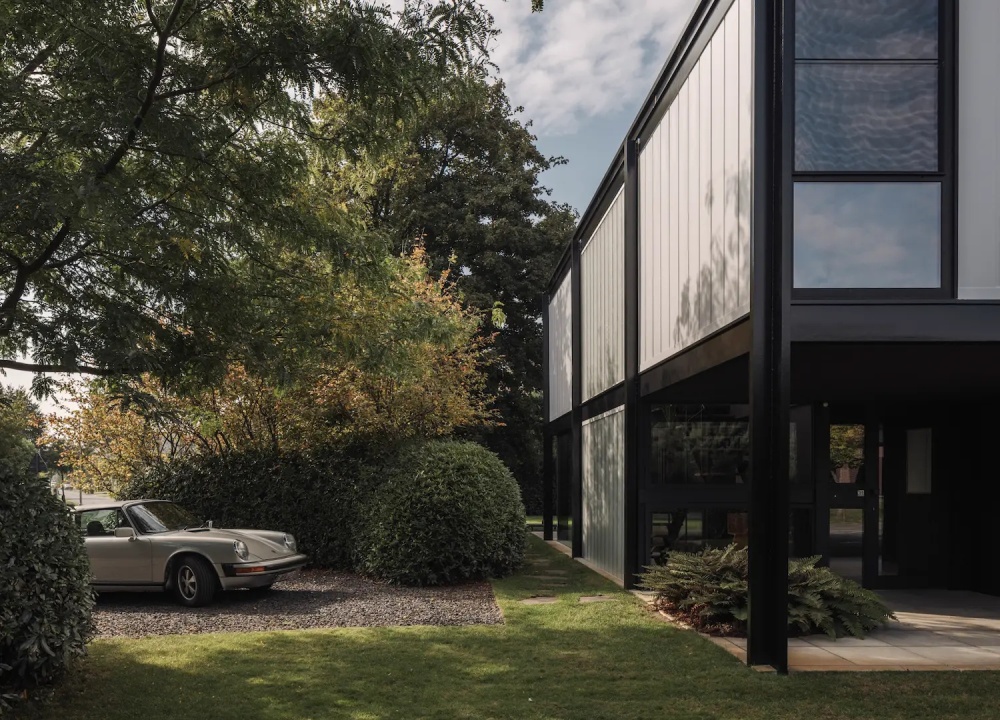
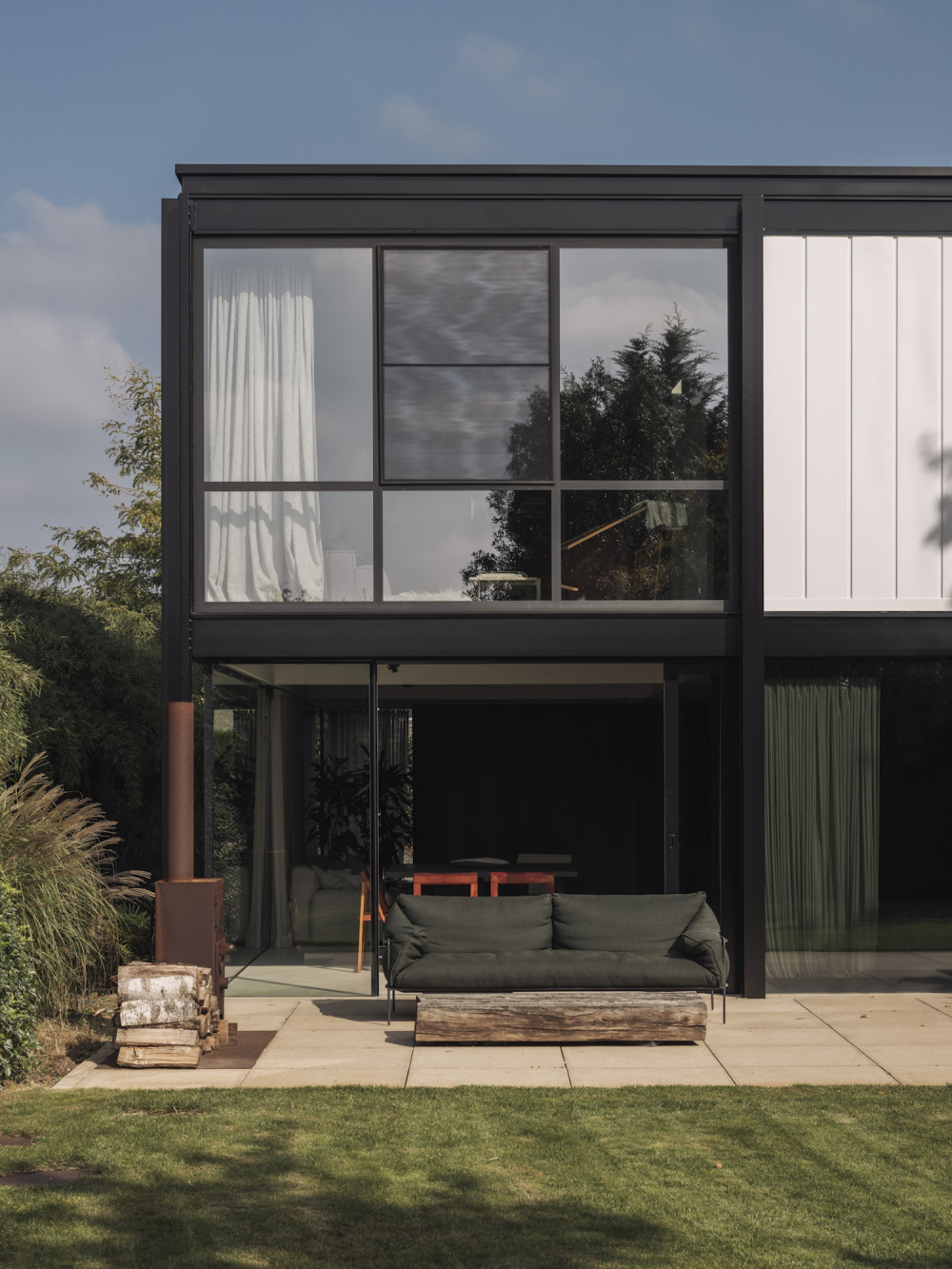
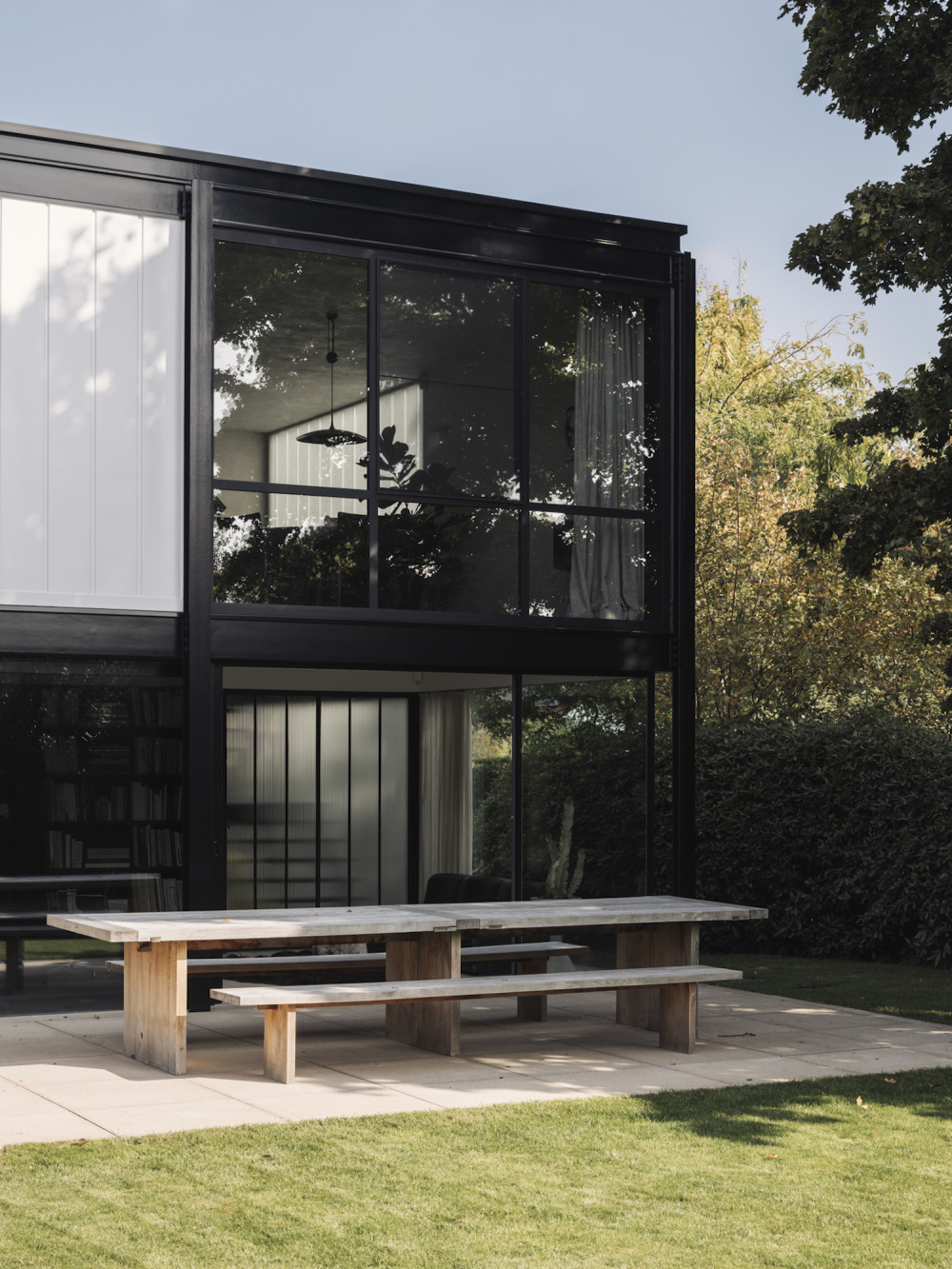
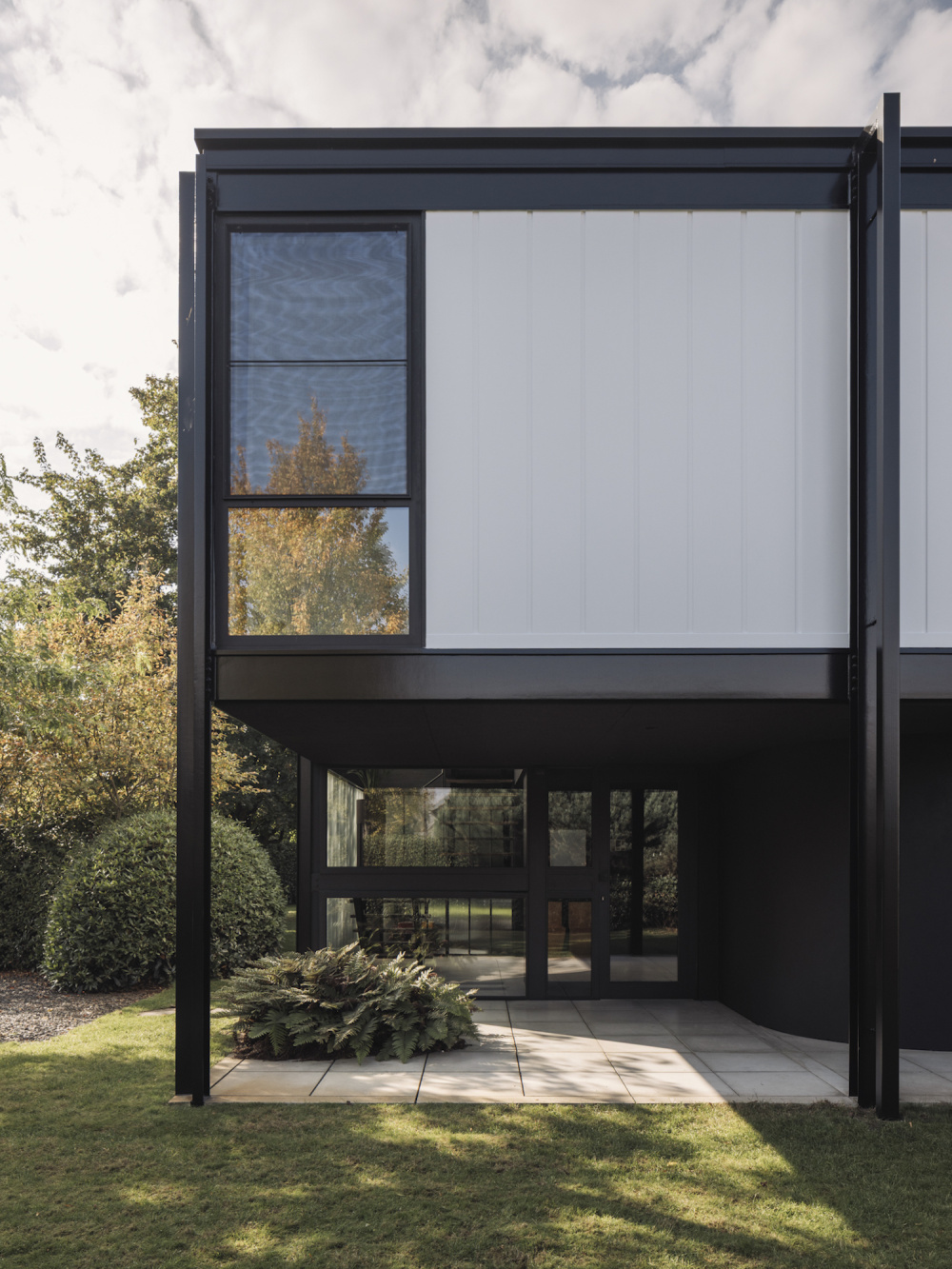
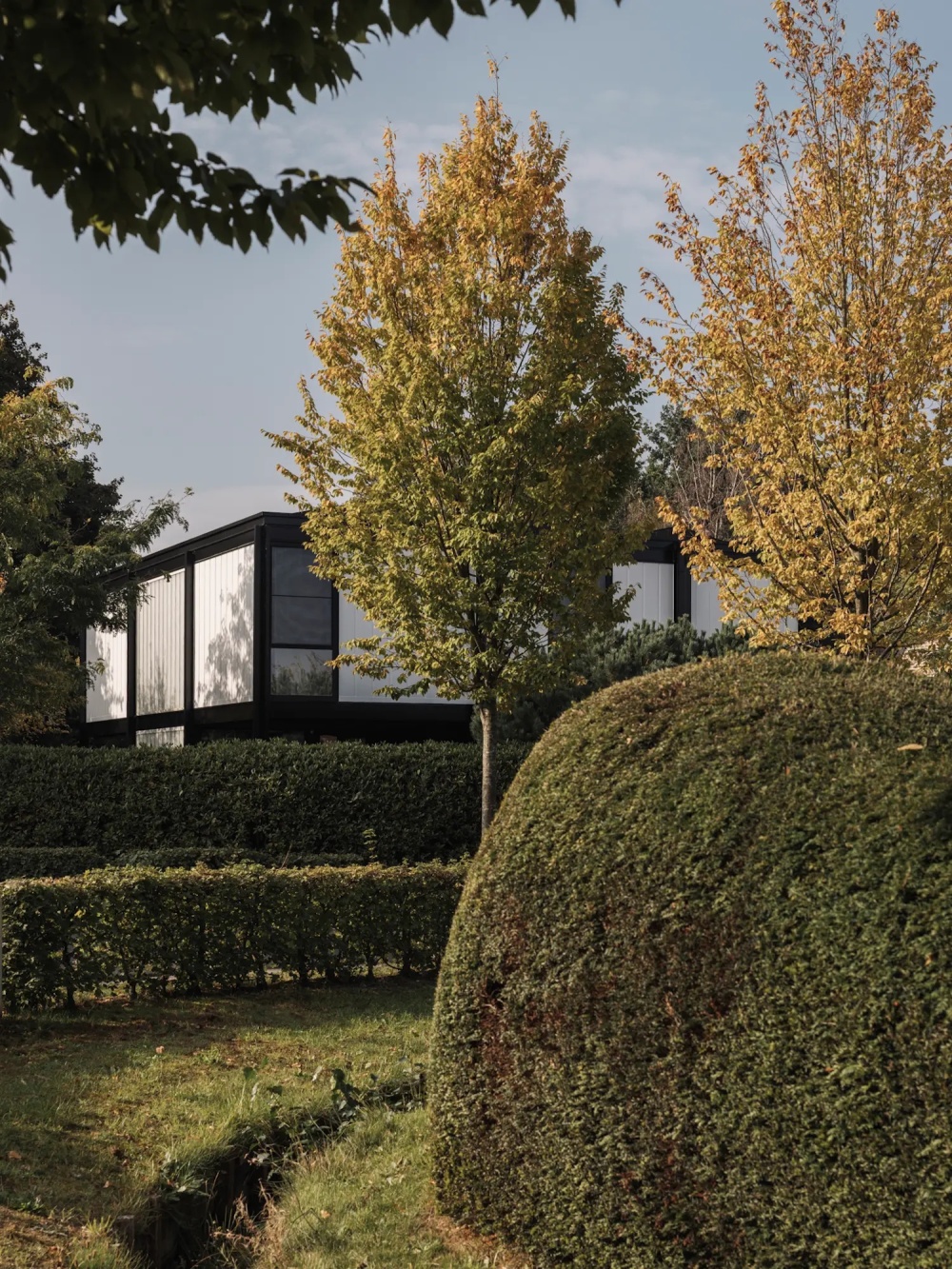
A modernist stilt house in Zoersel has provided architect Arjaan De Feyter and his wife, Liesbet Verstraeten, with a home that grows alongside them. Originally built in 1969 and acquired in a state of near-total ruin in 2005, the Belgian home offered the pair an opportunity to rework the original framework and embrace long-term adaptability. Rather than moving as their family evolved, De Feyter and Verstraeten chose to remain and transform the house through multiple renovations, resulting in what De Feyter calls his “personal laboratory”.
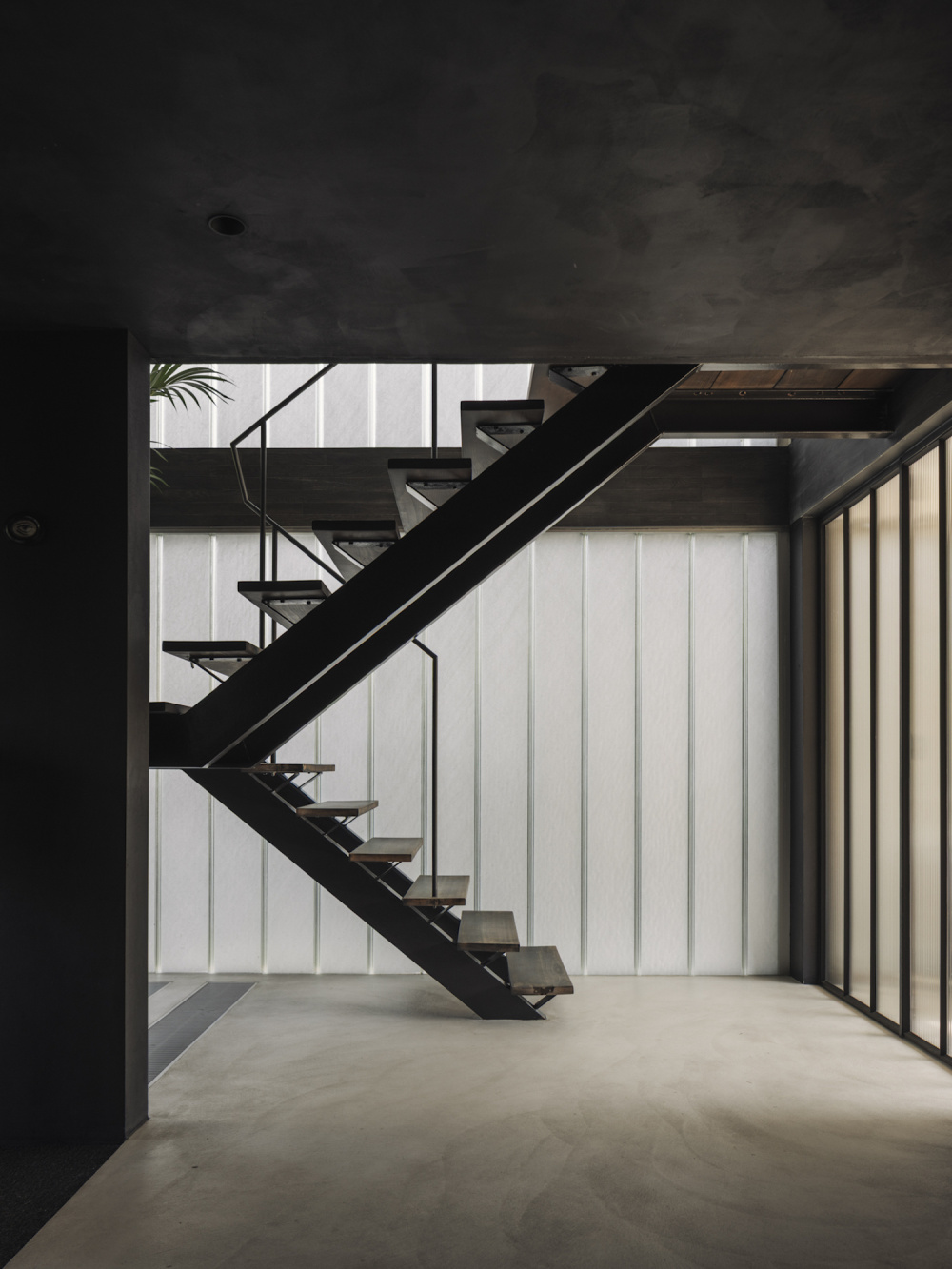
Over time, these renovations have embraced the original steel structure, improving both structural integrity and energy performance. For De Feyter, this means the project’s sustainability is inseparable from the home’s architectural framework.
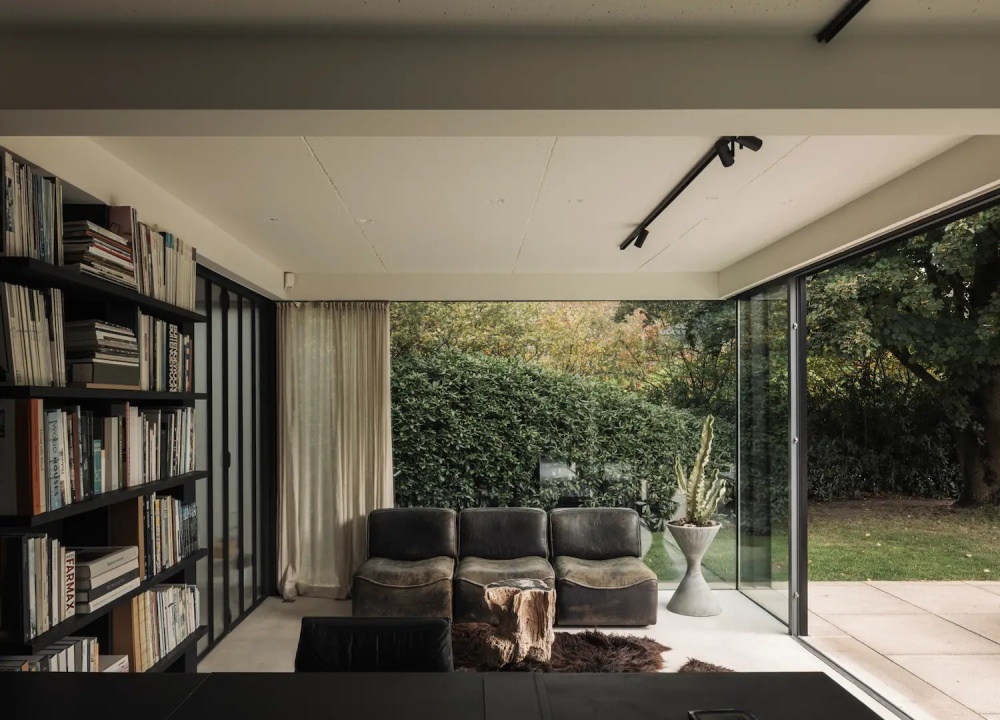
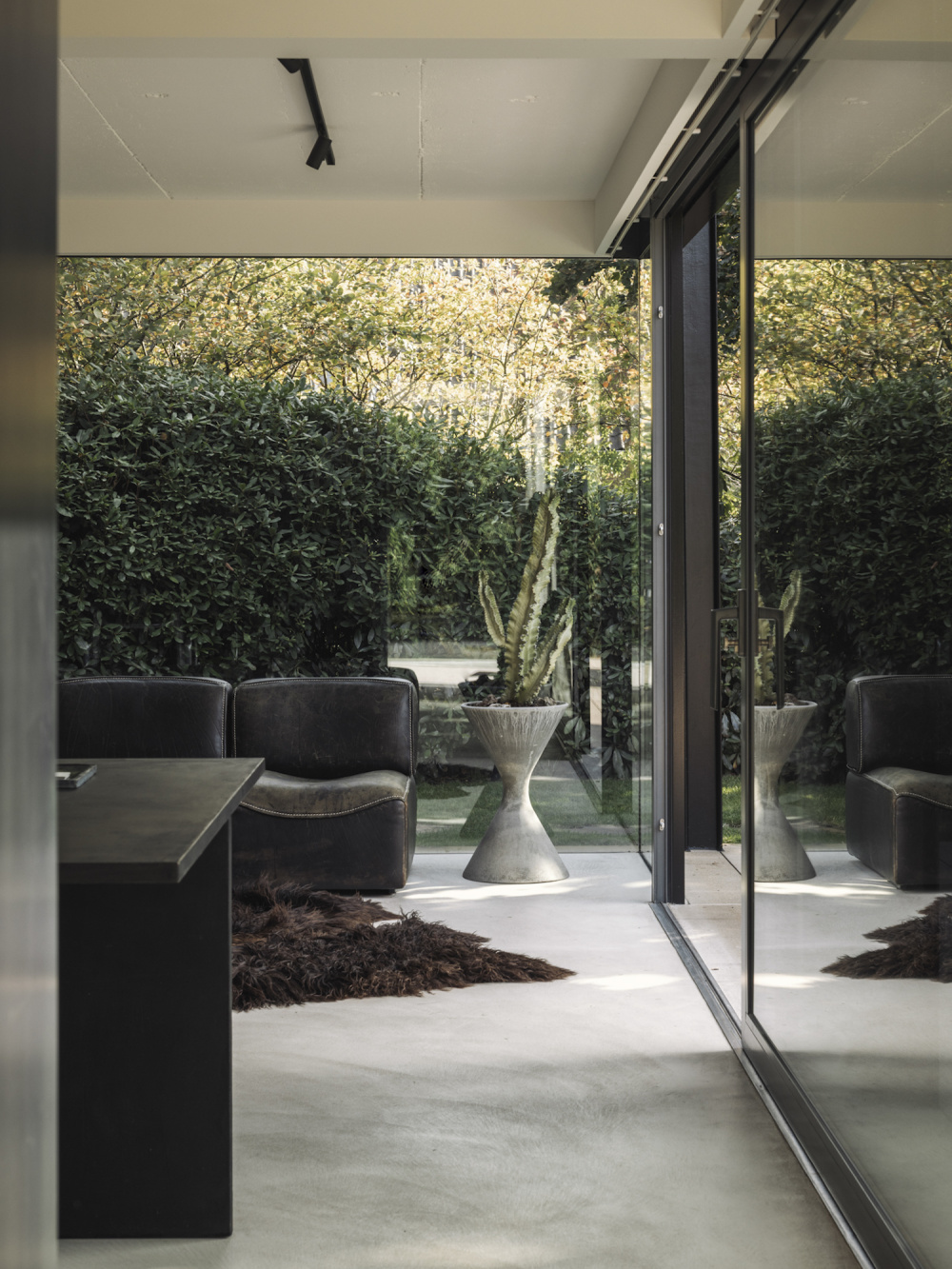
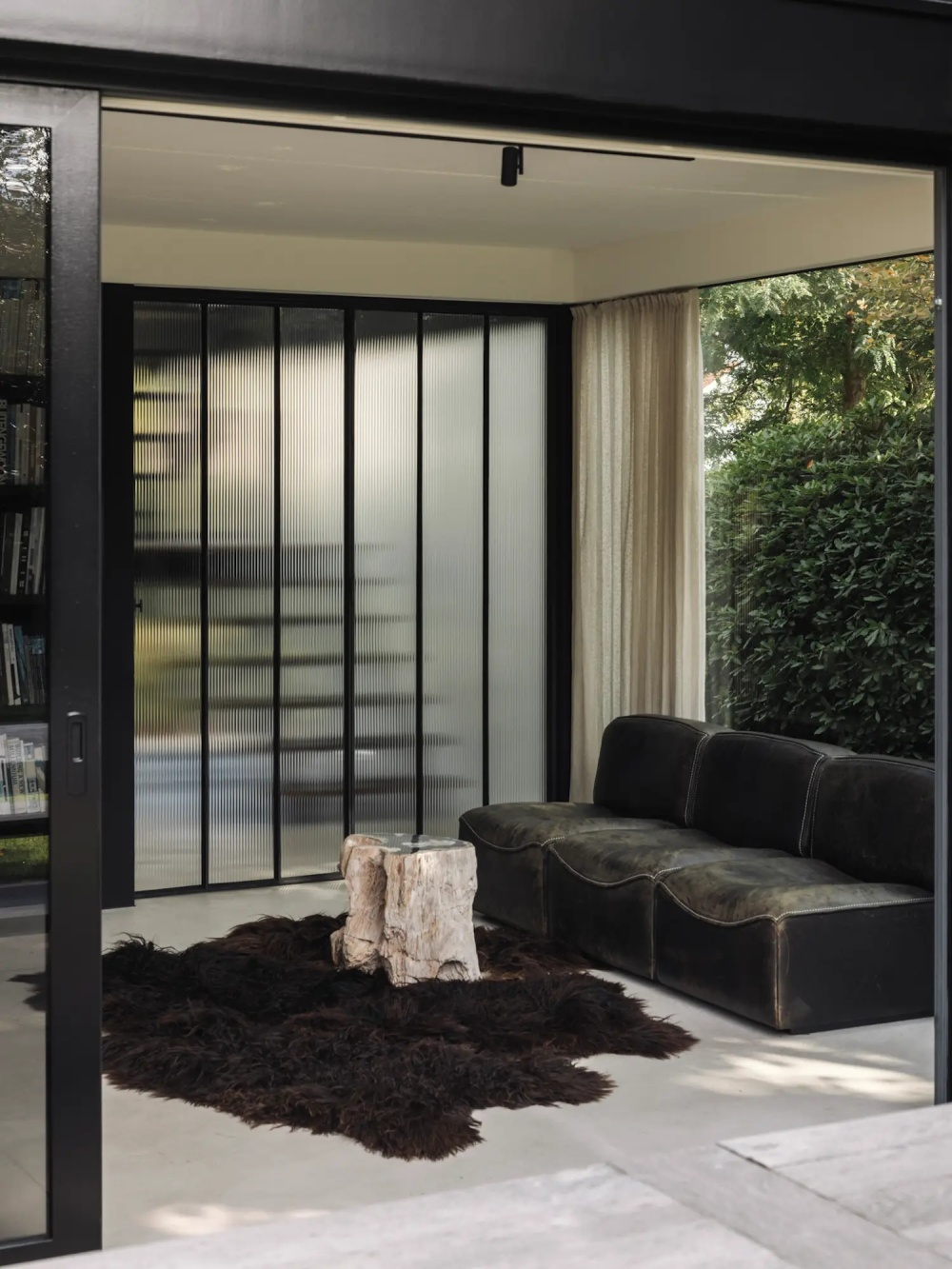
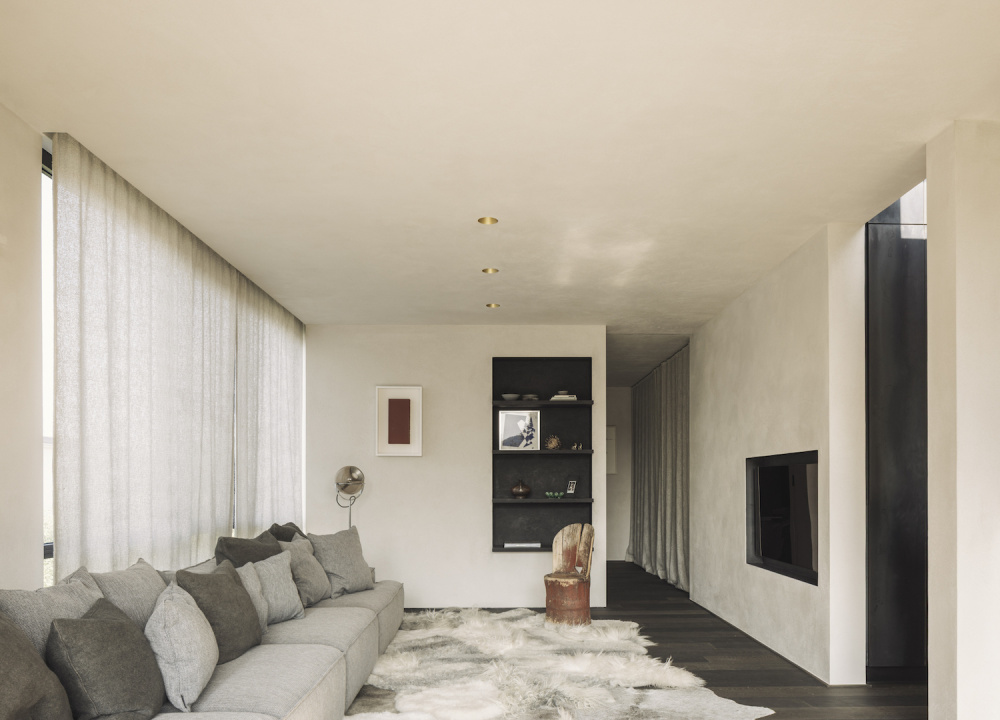
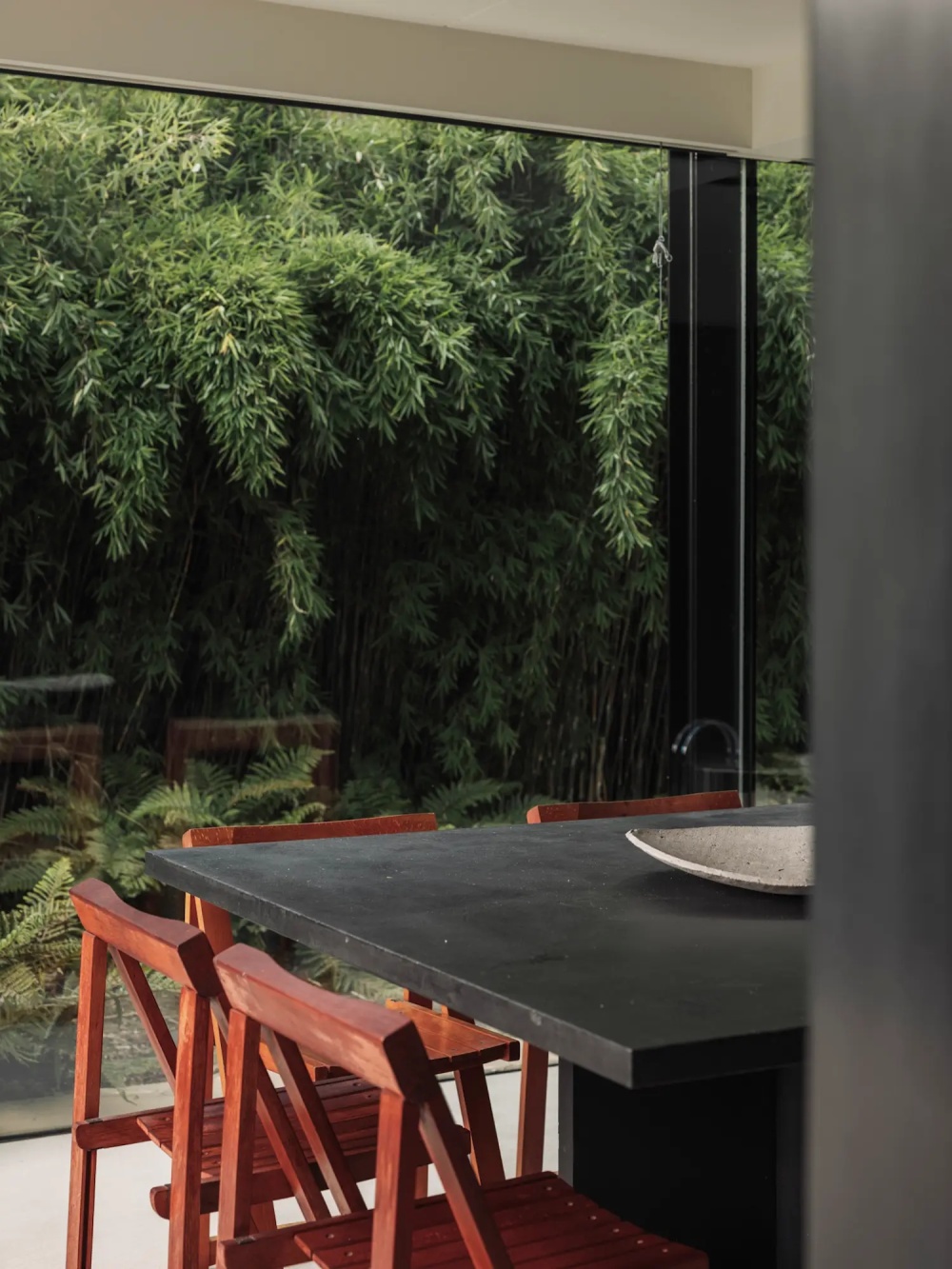
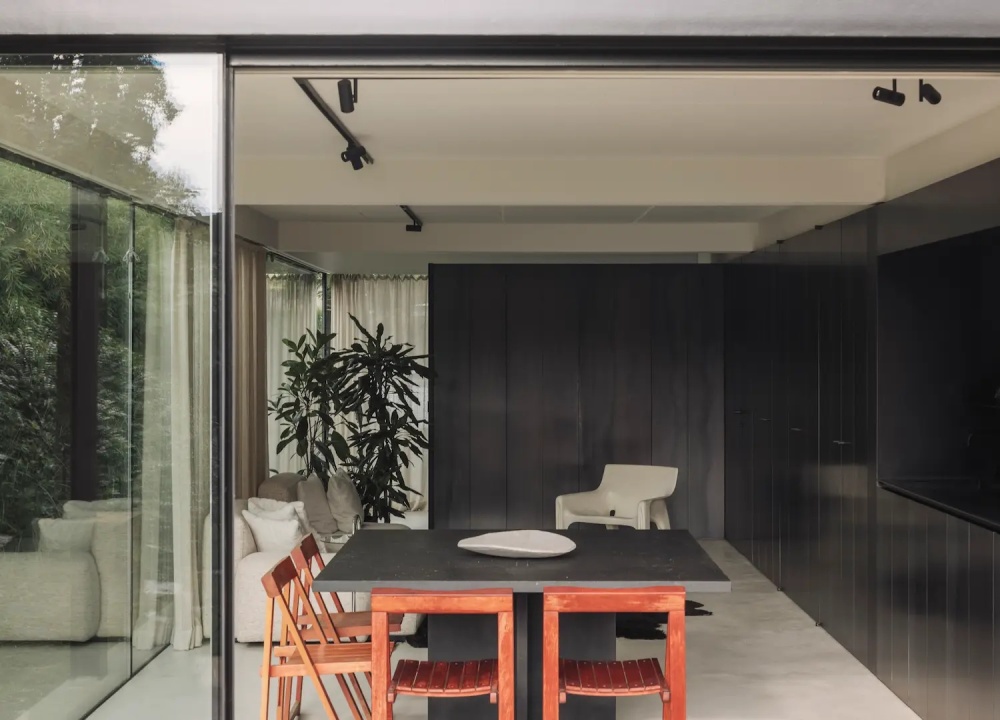
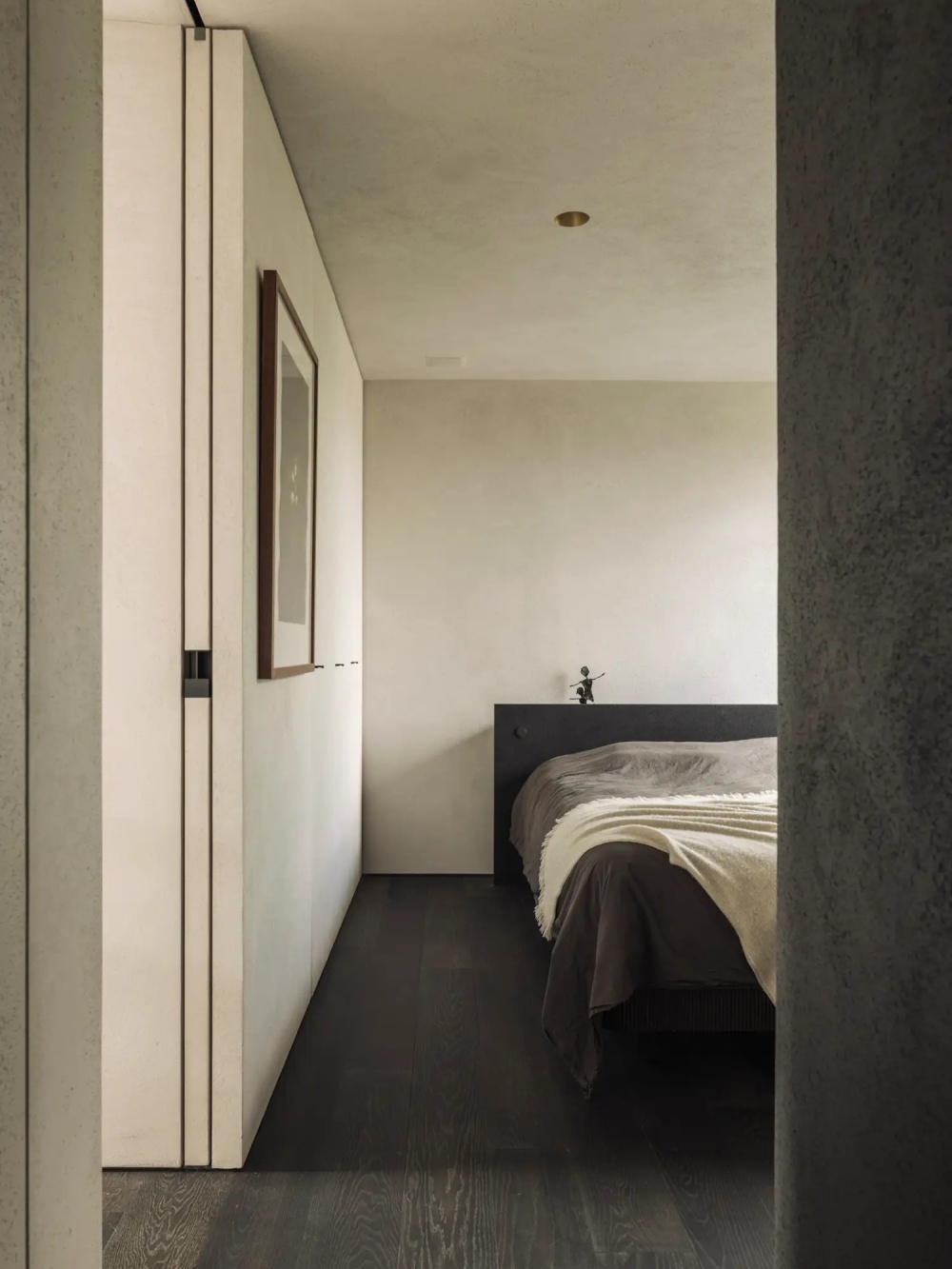
Organised on a strict grid of nine equal squares and two storeys high, the house unfolds as a completely open, modular plan that extends into the garden. This clarity reinforces a strong relationship with nature, creating, as De Feyter notes, “a strong sense of space.” Upstairs, extensive glazing keeps the garden in view and forms what he describes as “an almost seamless connection to the garden from every room,” making it “a very pleasant place to live, work and spend time.”


vsszan51209190648463.jpg
vsszan51209190648464.jpg


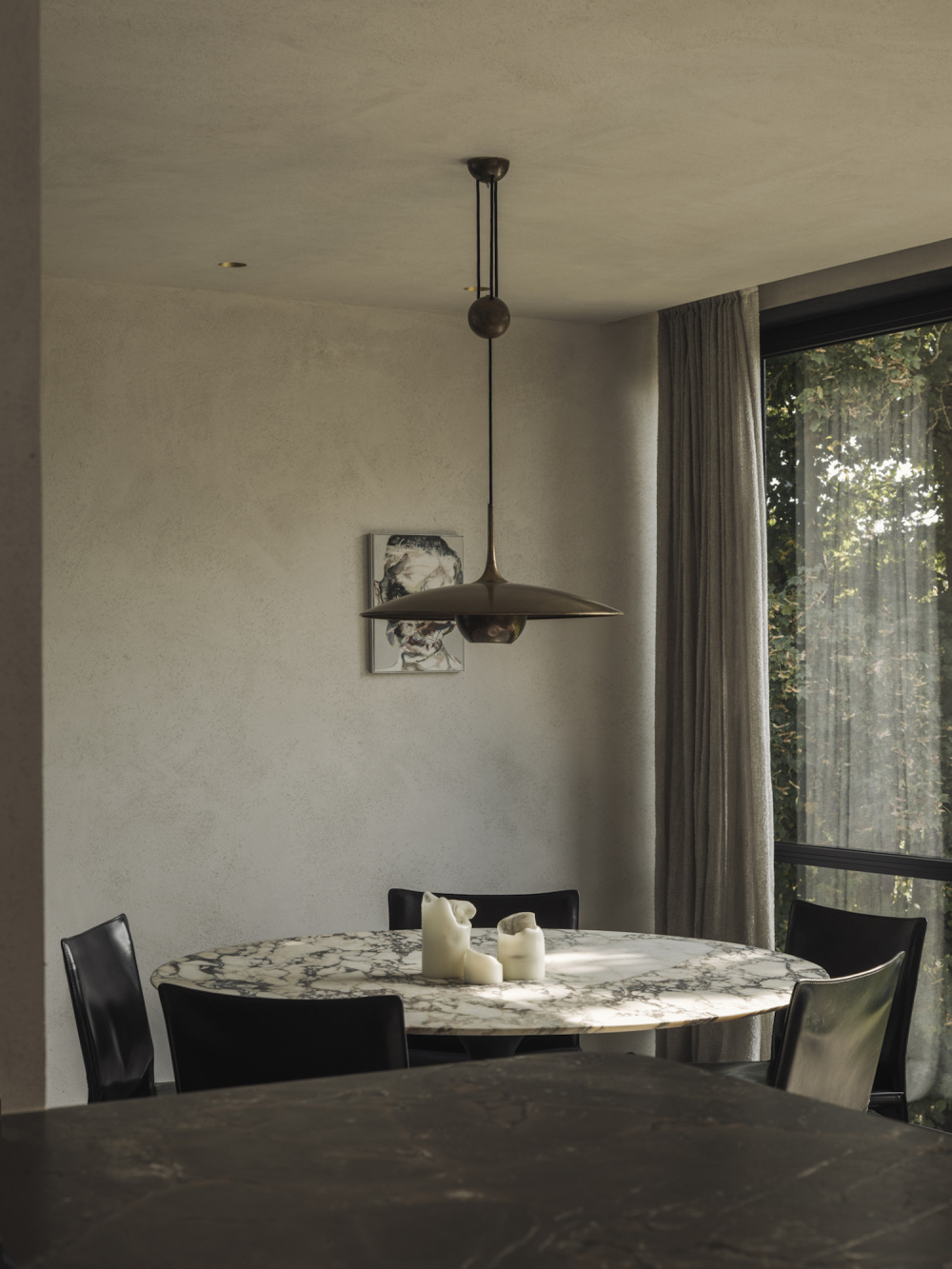
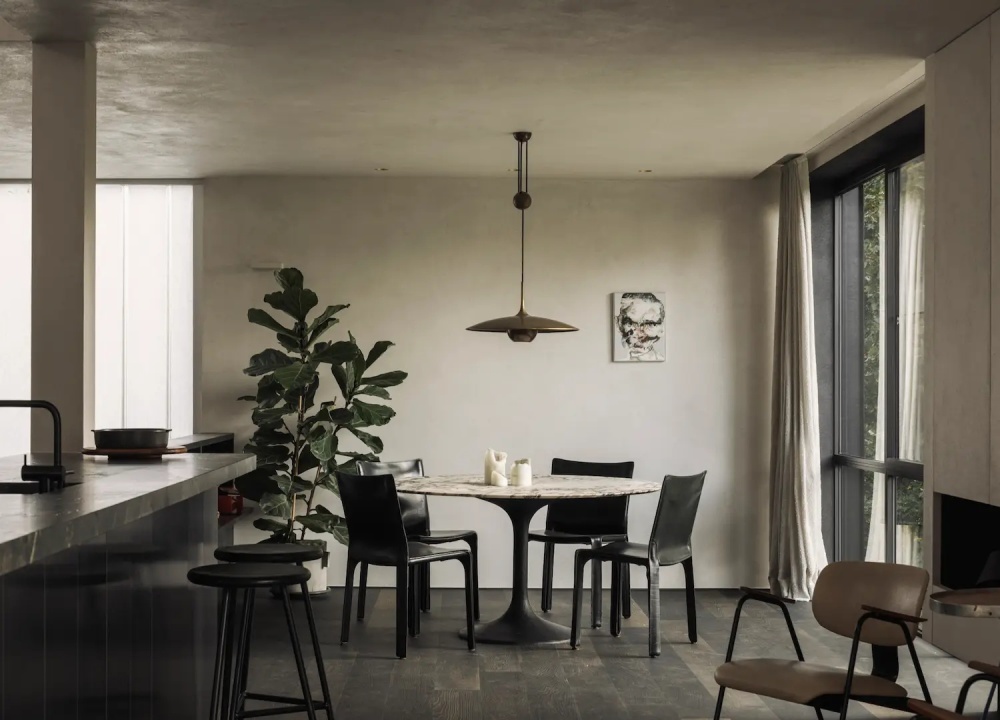
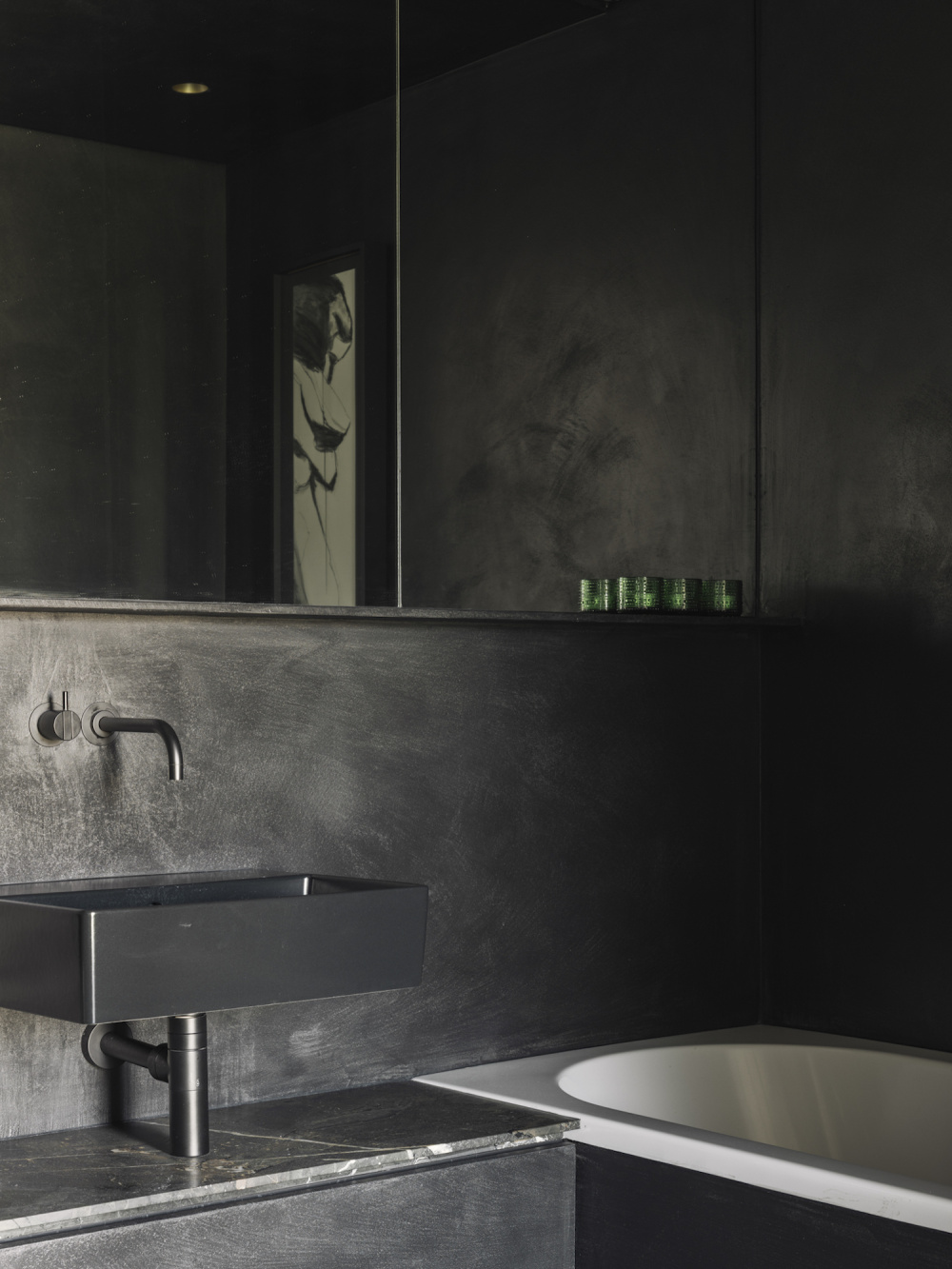
Drawing on mid-century modernist references including Le Corbusier’s Villa Savoye and the American Case Study Houses by Pierre Koenig and Craig Ellwood, the home has been thoughtfully reconfigured for contemporary life. The living area was expanded by relocating the dining space, an additional bathroom was added, and the formerly open ground floor was partially enclosed with large glass partitions to create workspaces. These spaces now support the evolving professional lives within the home, including dedicated study areas for their children and the workspace of Verstraeten, former Head Designer of Accessories at Dries Van Noten and now founder of Studio Cuoio. Additional practical needs were resolved through the addition of a guesthouse in the garden and the purchase of a nearby double garage with separate storage, allowing the home to remain compact without compromise.
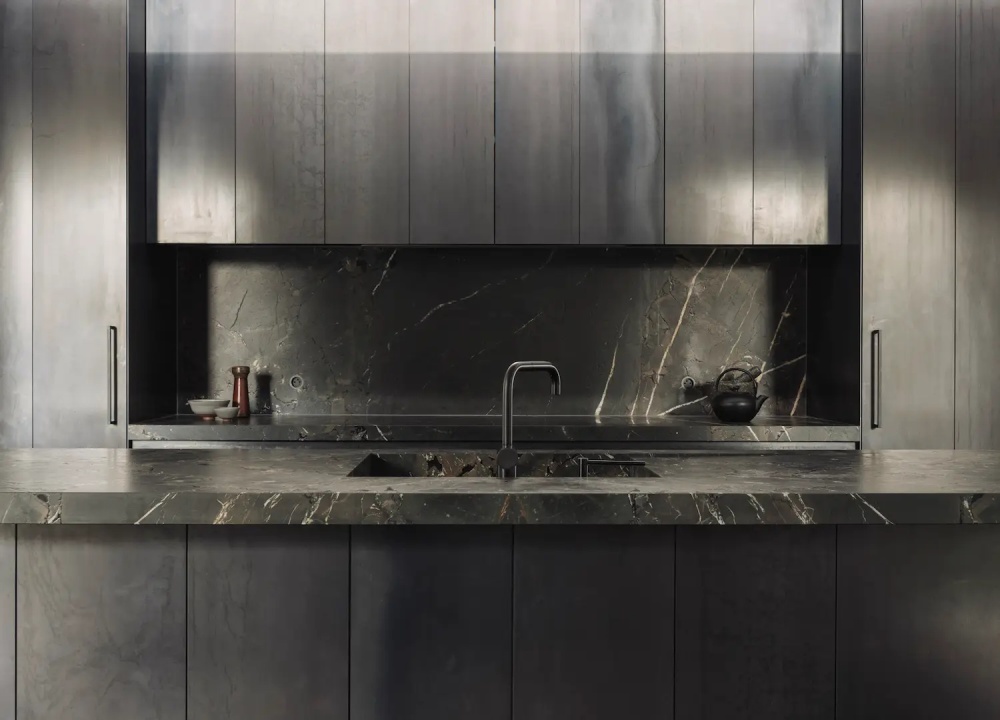
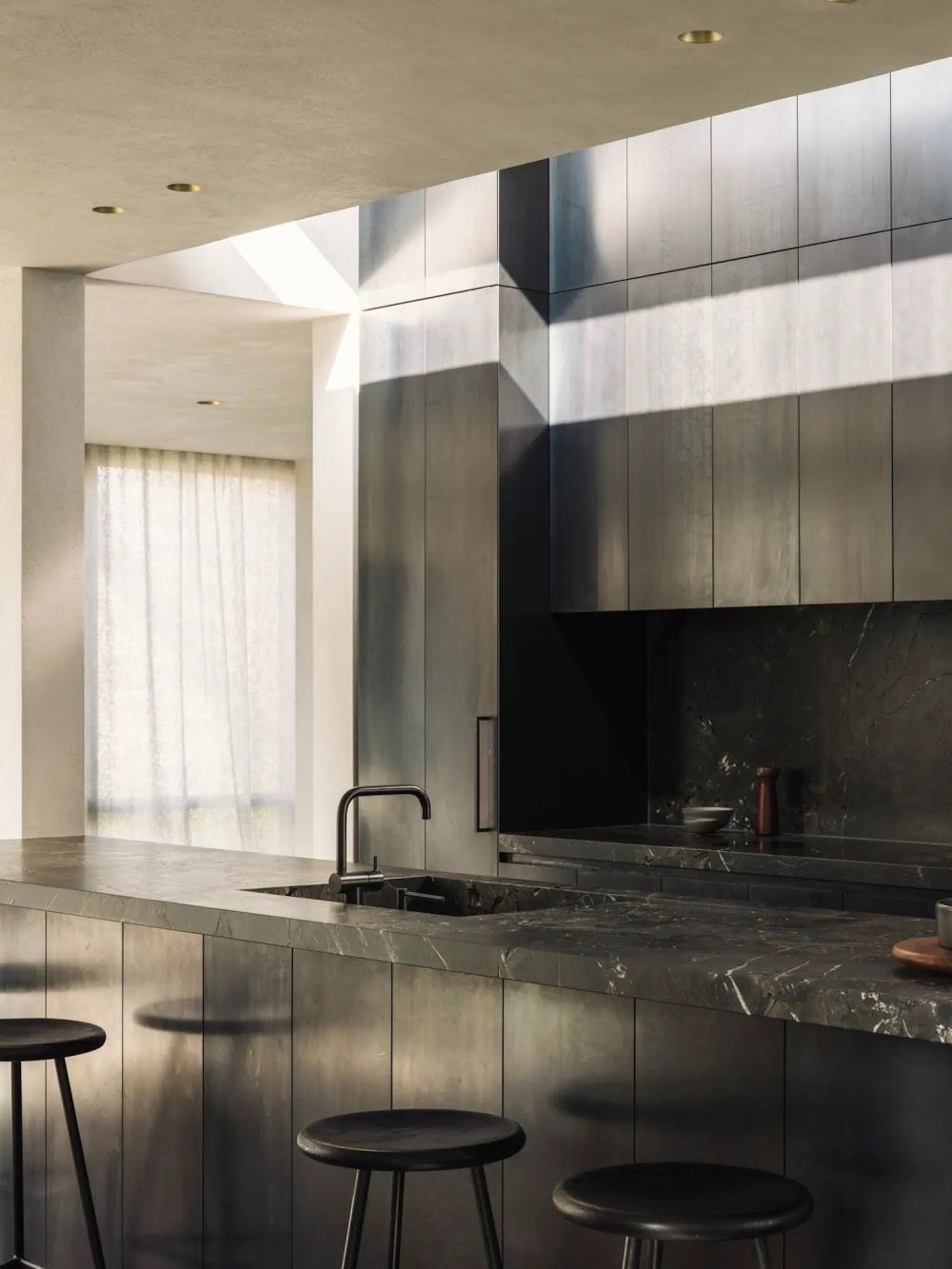
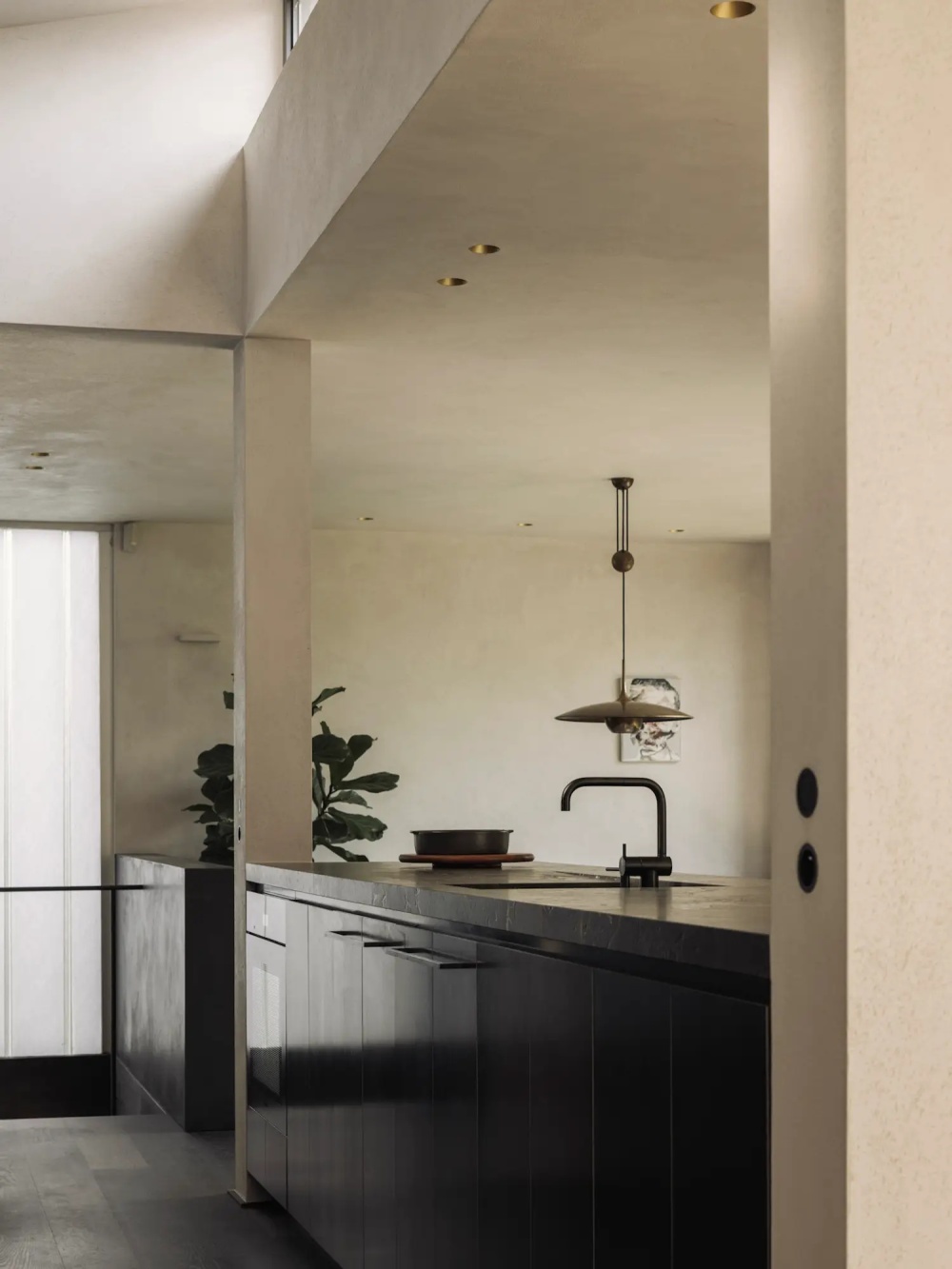
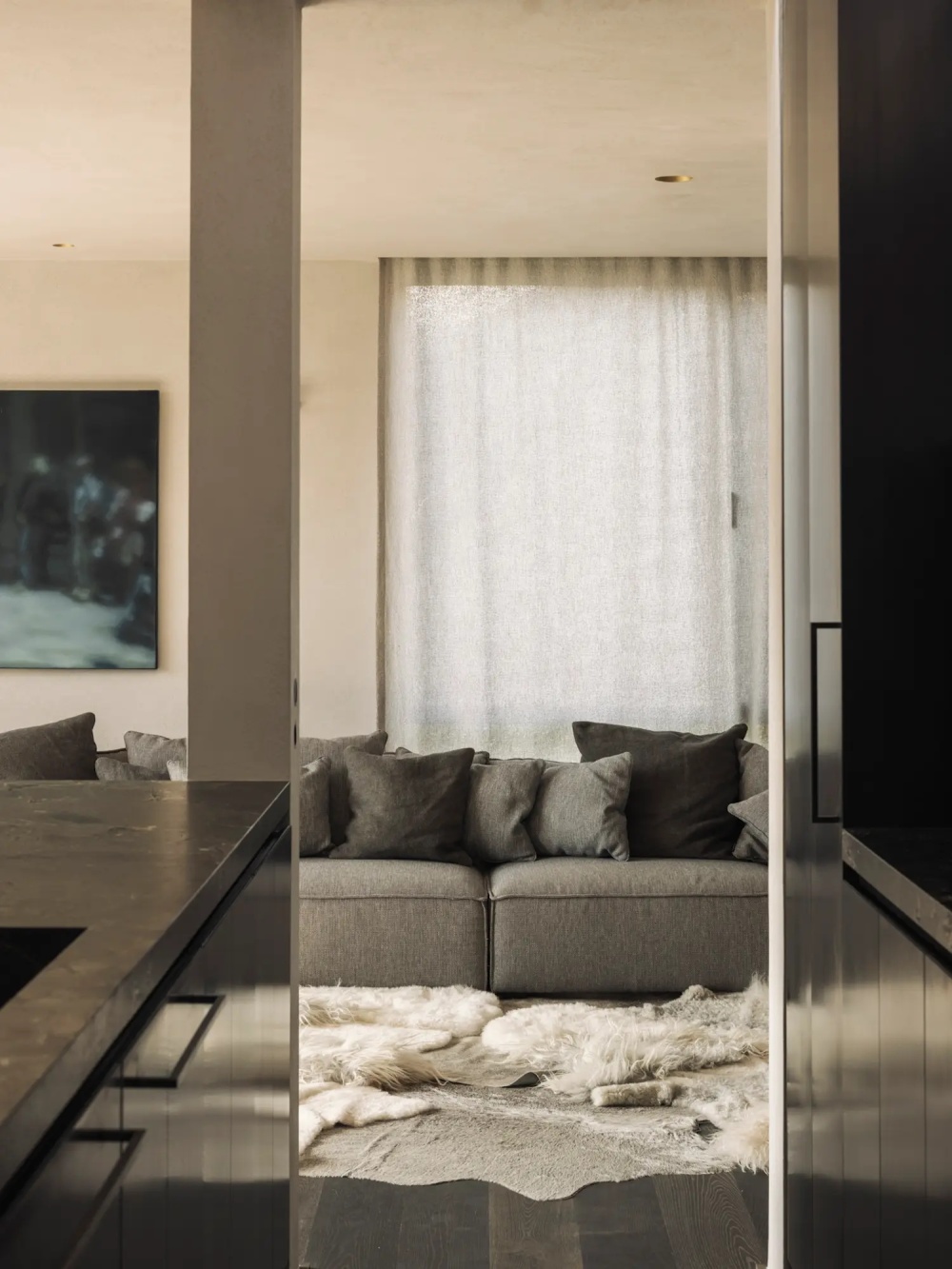
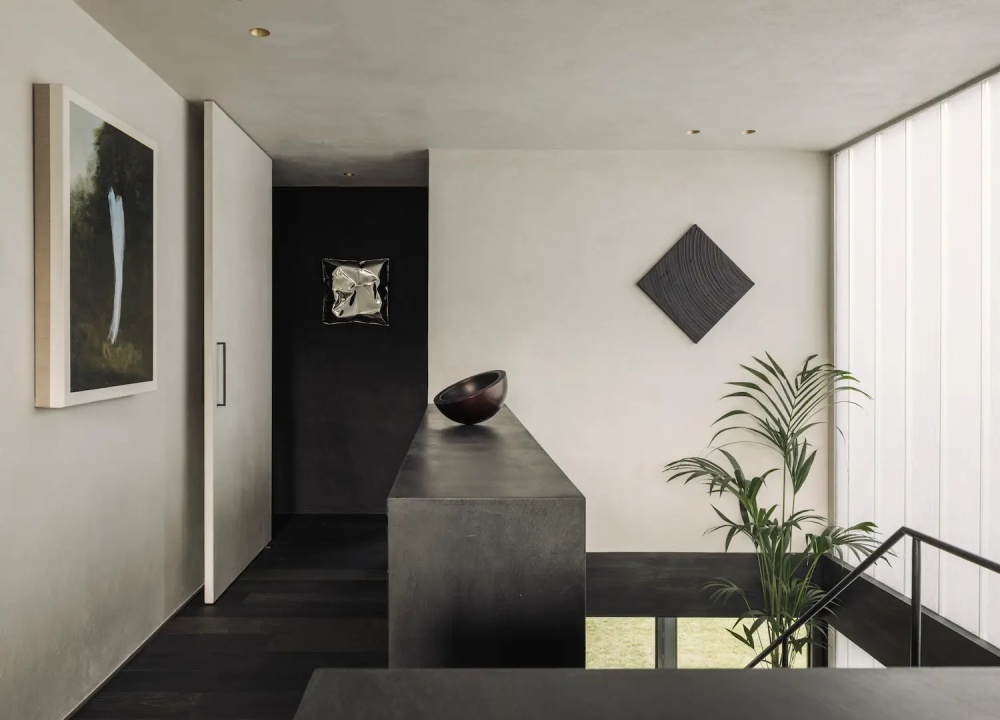
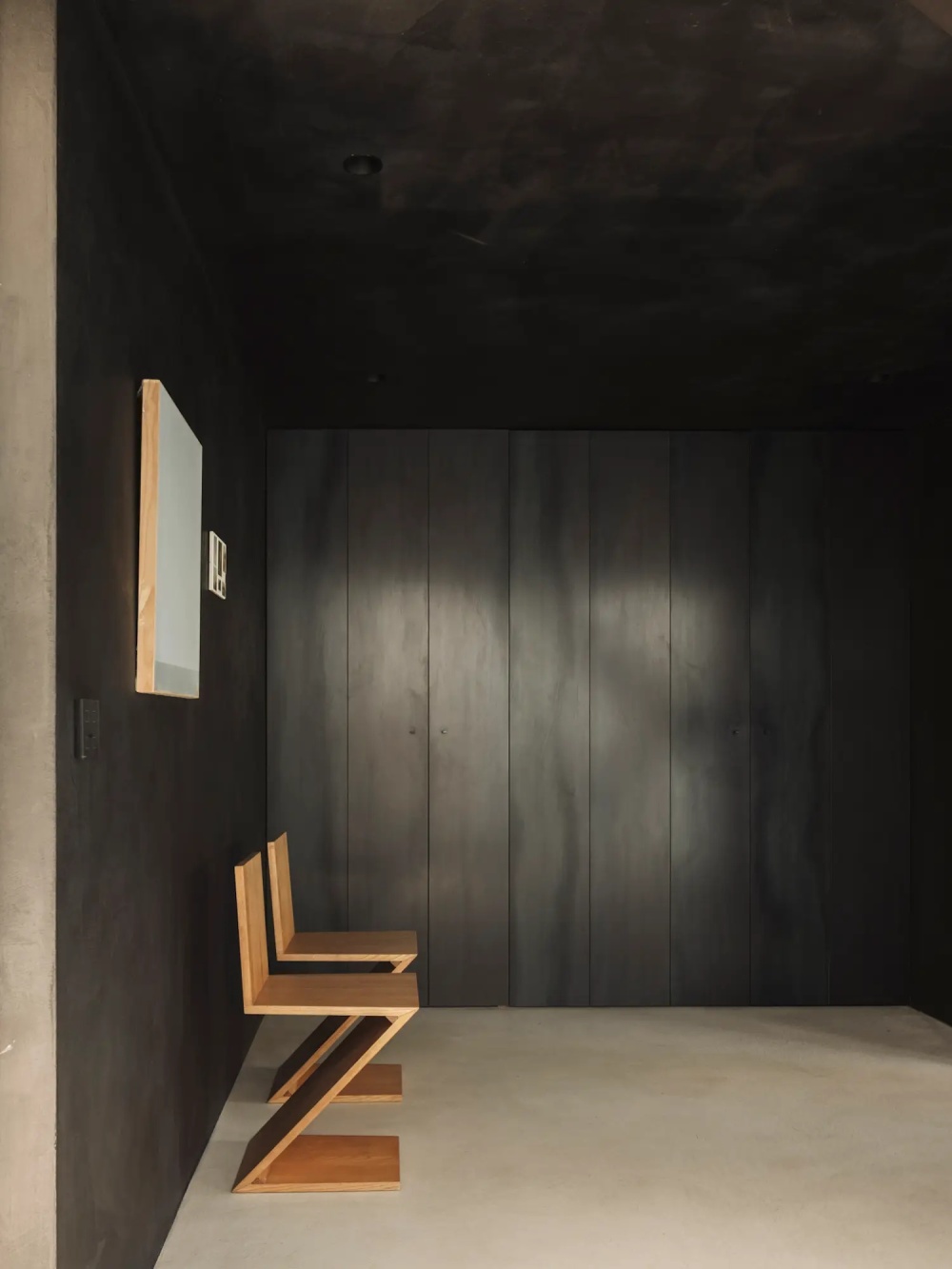
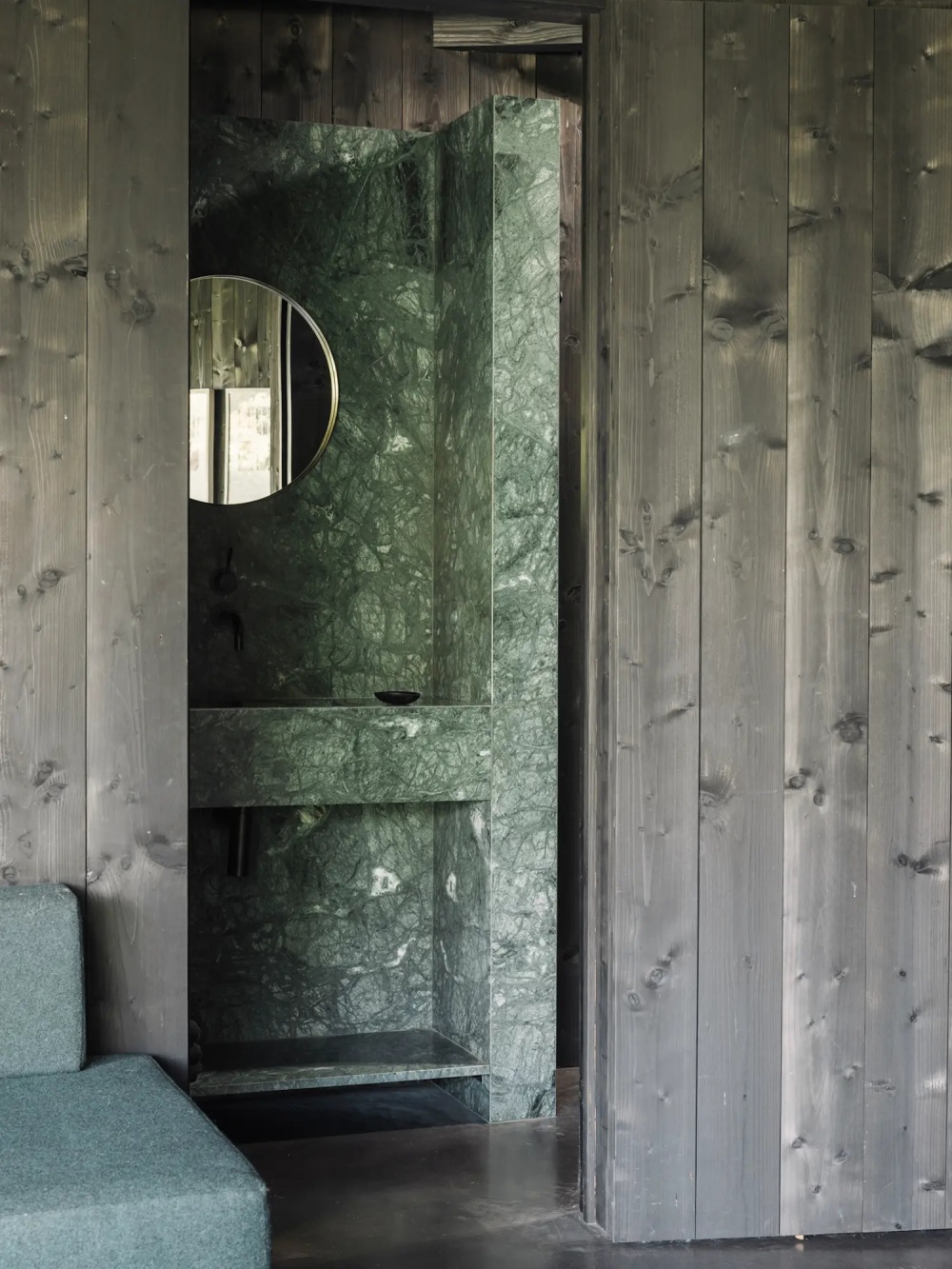
An industrial yet restrained palette establishes a material richness. In the kitchen, brushed quartzite is paired with bespoke raw steel cabinetry while green mosaic tiles introduce new textures in the bathroom. The staircase hall, meanwhile, was conceived as an in-house gallery, providing a setting for the family’s growing art collection. Select walls are finished in black, allowing artworks to emerge with greater presence.
Designing for himself, De Feyter values the freedom to question everything and embrace uncertainty. “I prefer to take time to search for balance, to question things and to allow the process to unfold.” De Feyter says. “Doubt and time are essential parts of my design process. The result is distilled, detailed and stripped of unnecessary ornamentation. It is timeless, not driven by trends, and above all honest.”


vsszan51209190648465.jpg
vsszan51209190648466.jpg
vsszan51209190648467.jpg
vsszan51209190648468.jpg
vsszan51209190648469.jpg
vsszan512091906484610.jpg
vsszan512091906484611.jpg
vsszan512091906484612.jpg
vsszan512091906484613.jpg
vsszan512091906484614.jpg
vsszan512091906484615.jpg
vsszan512091906484616.jpg
vsszan512091906484617.jpg
vsszan512091906484618.jpg
vsszan512091906484619.jpg
vsszan512091906484620.jpg
vsszan512091906484621.jpg
vsszan512091906484622.jpg
vsszan512091906484623.jpg
    • 转载自:estliving
    • 图片@estliving
    • 国家:澳大利亚
    • 编辑:序赞网
    • 翻译:序赞网
    • 阅读原文
    AI文本分析中……
    AI色彩命名中……

    暂时没有评论,你回一个呗!~

    您需要登录后才可以回帖 登录 | 注册序赞号

    快速回复 返回顶部 返回列表