开罗洞穴别墅 | Cairo-based Badie Architects
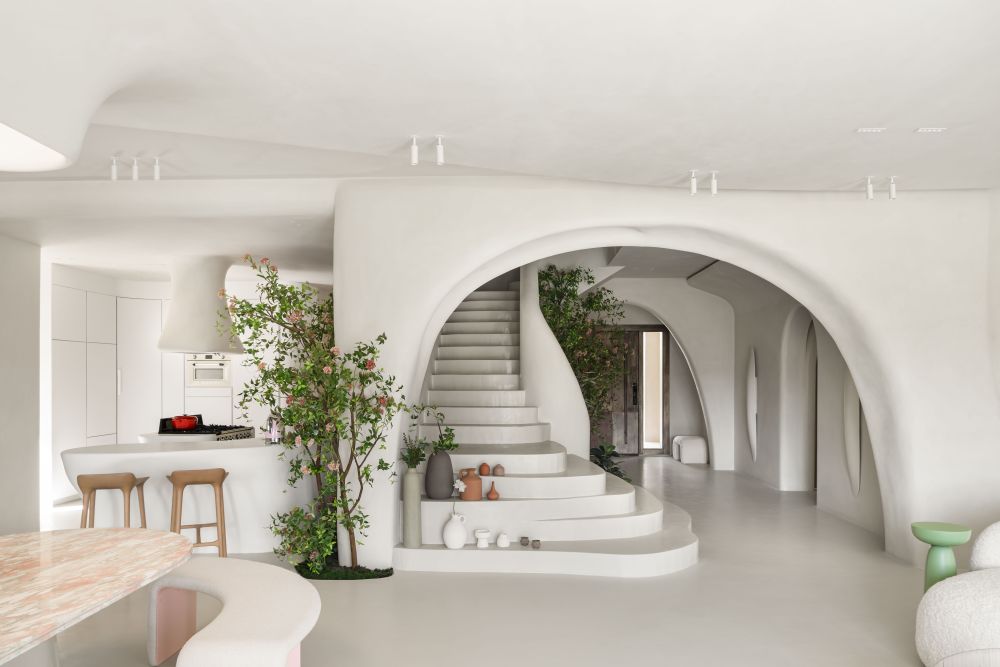
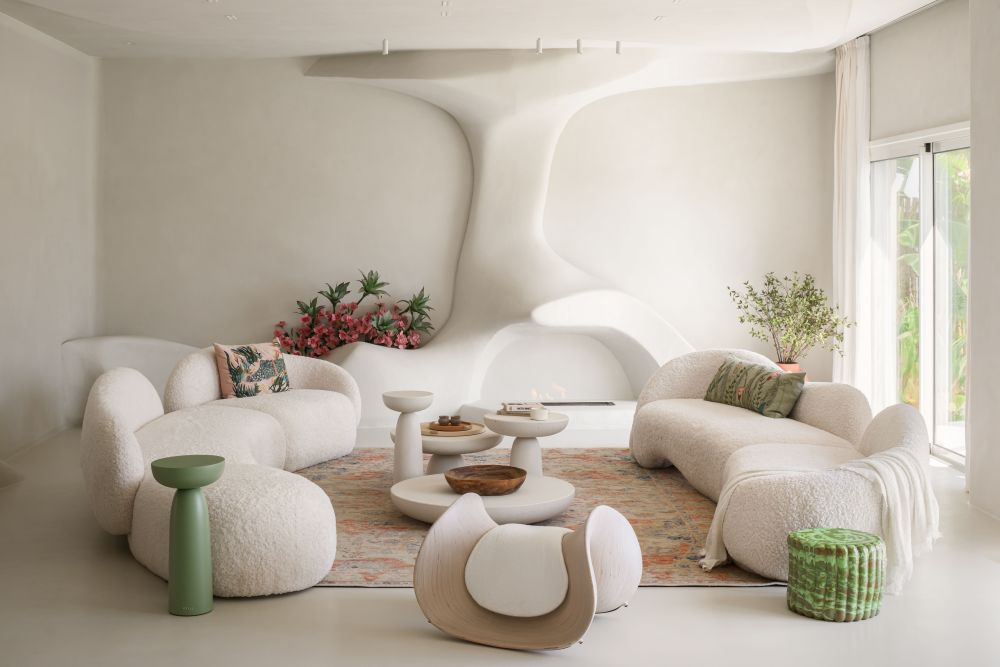
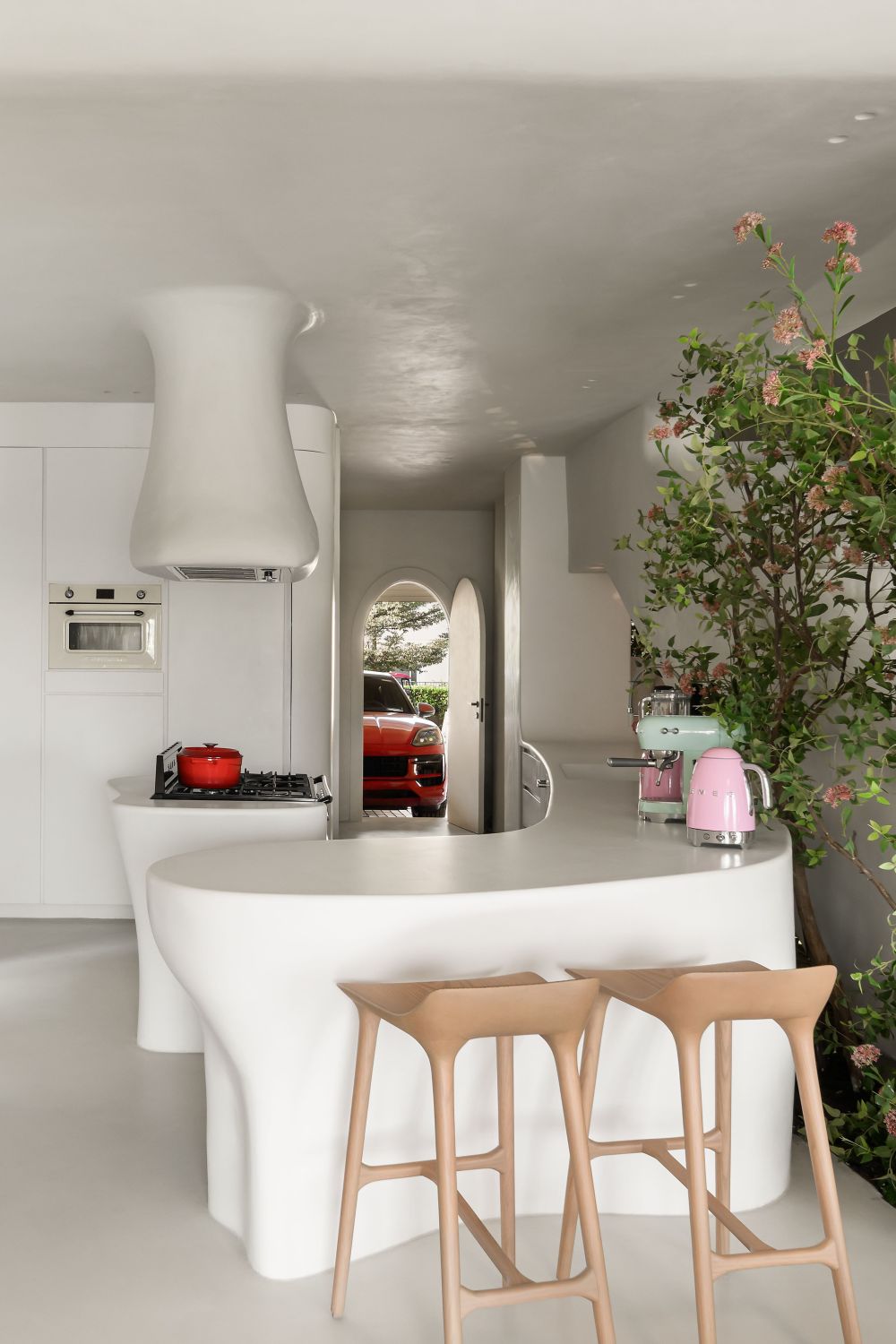
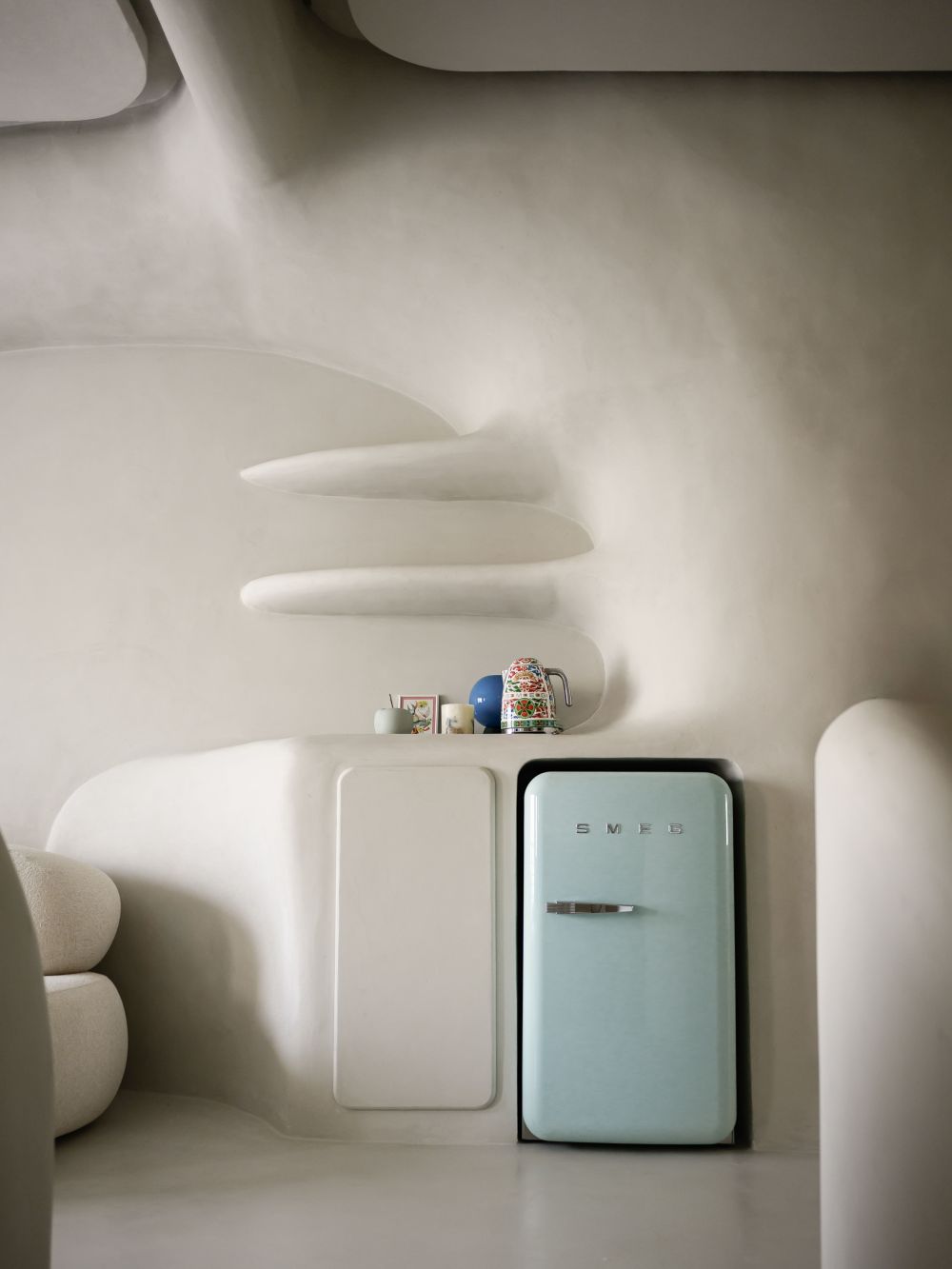
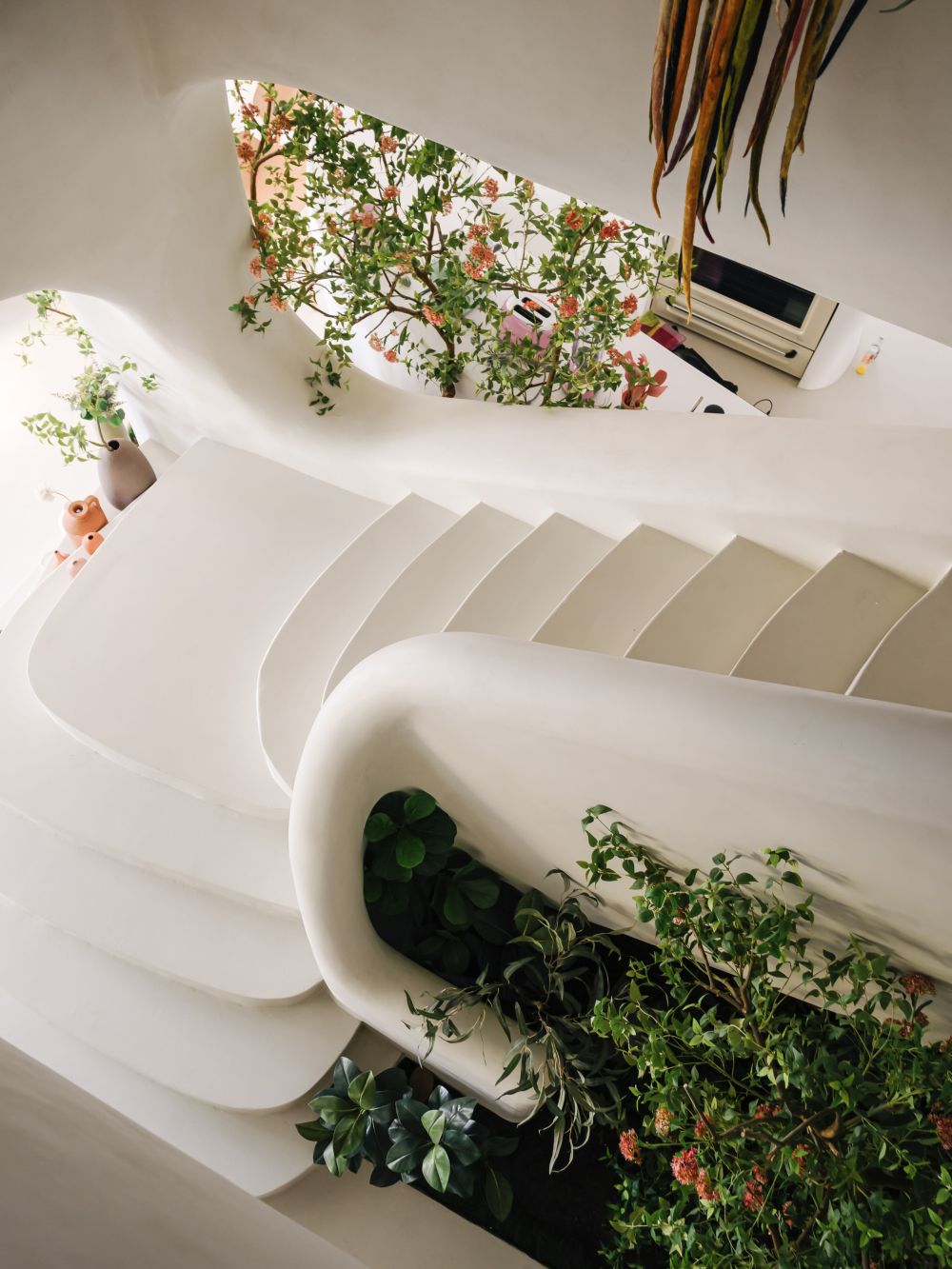
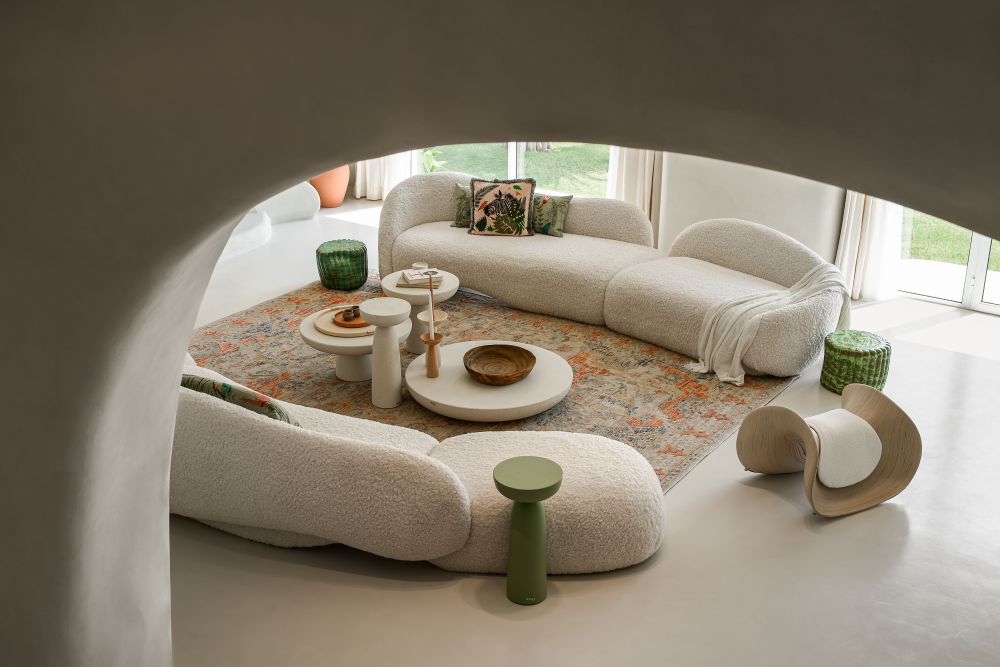
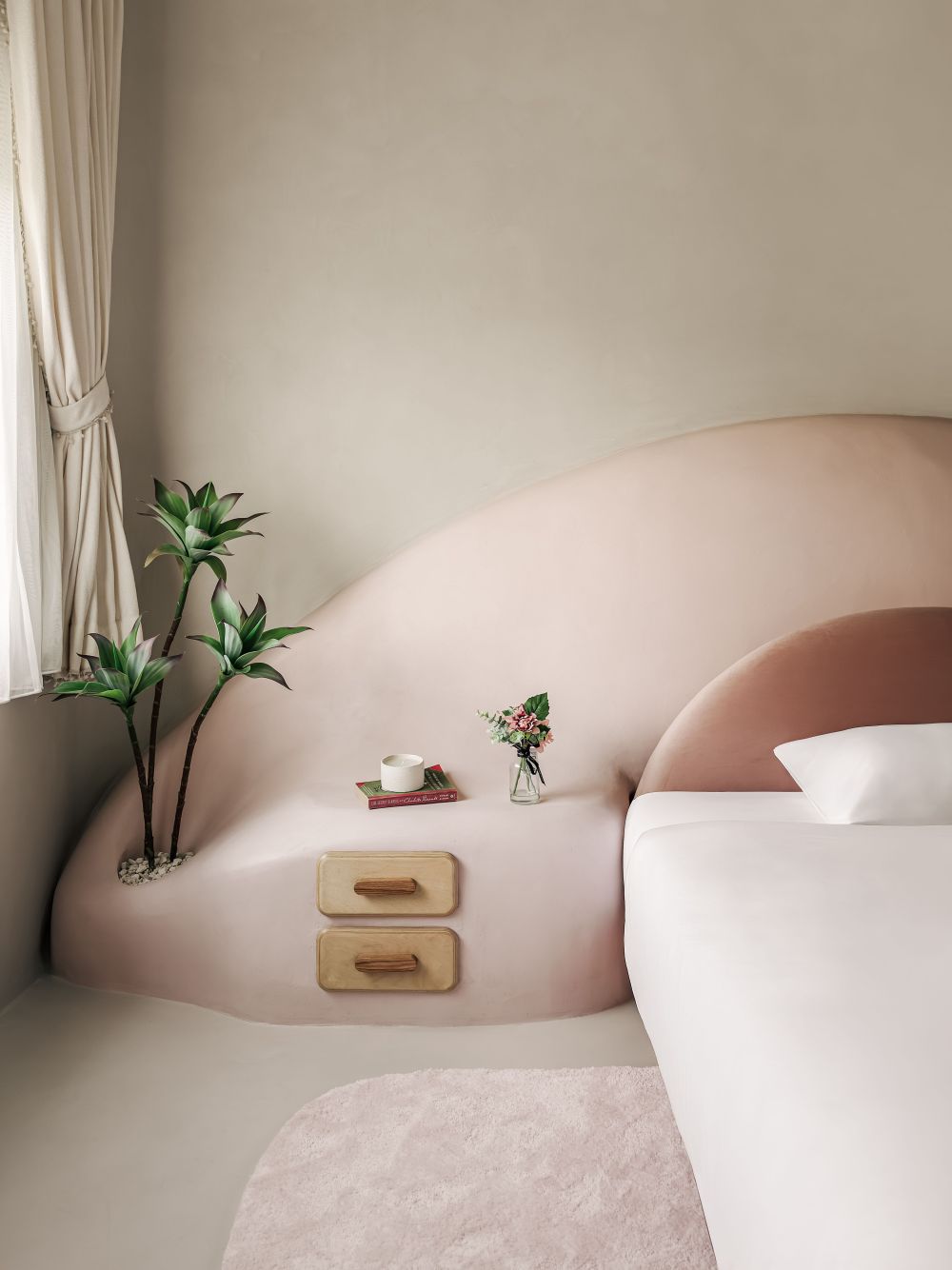
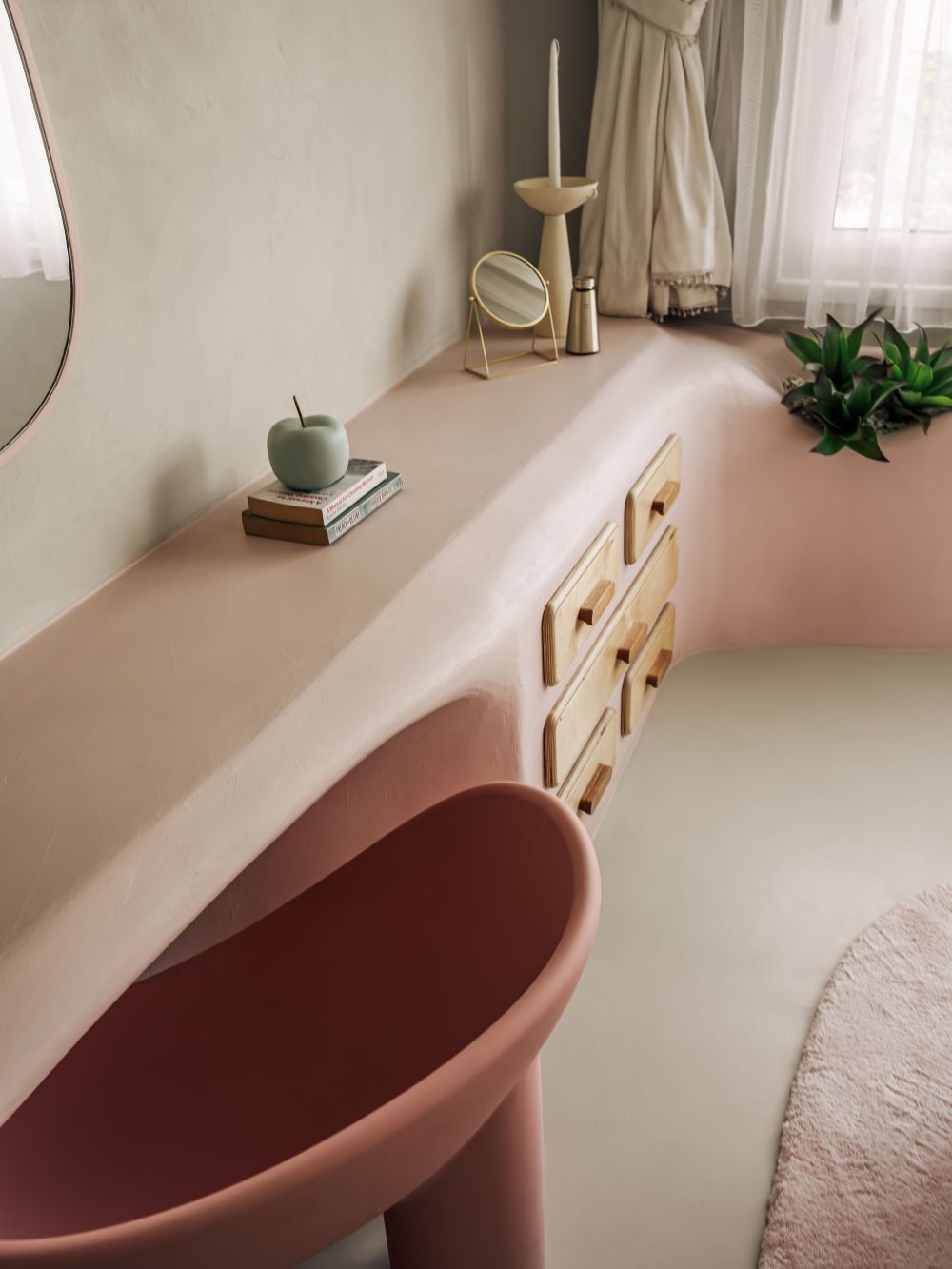
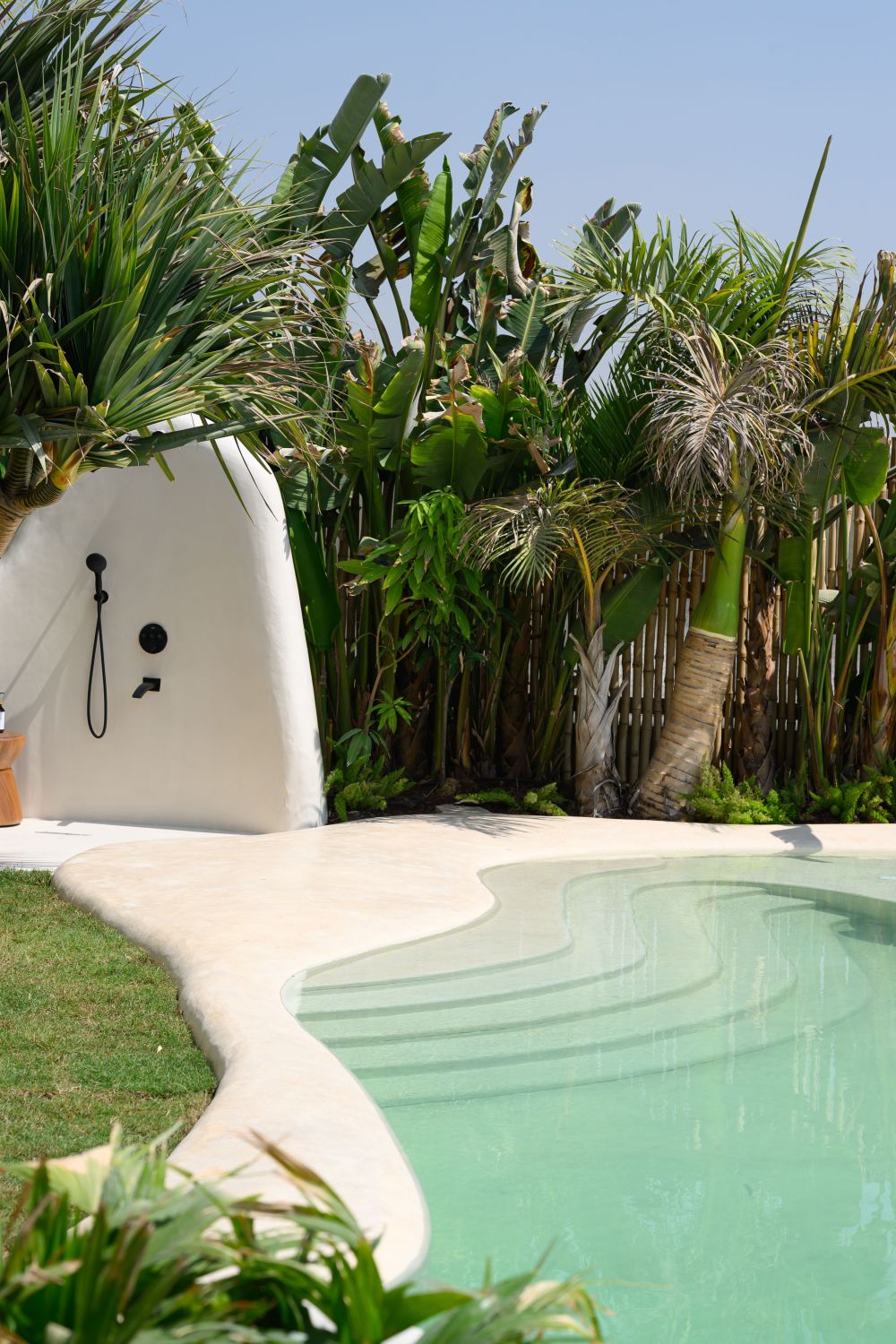
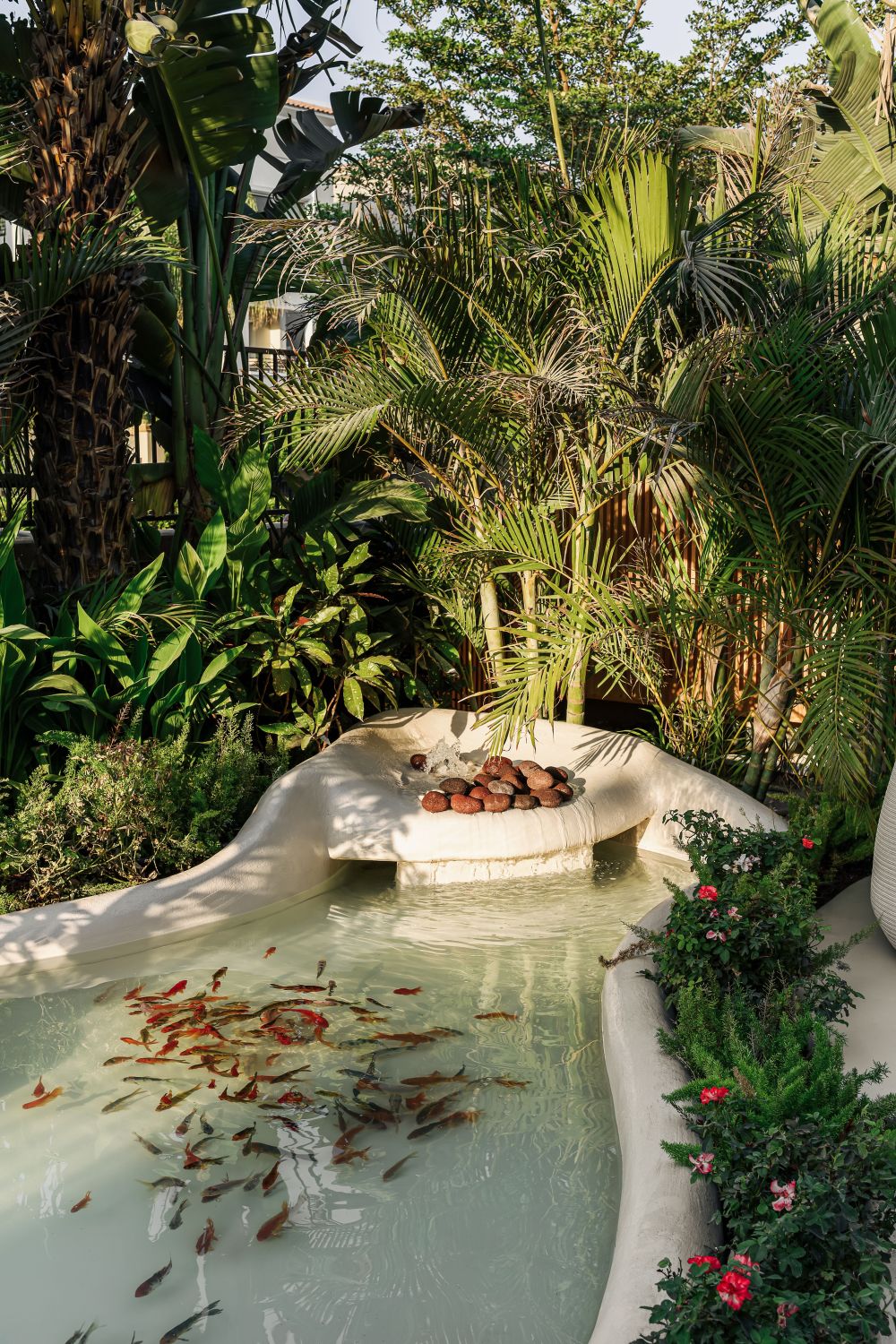
In Cairo, where density, climate and social rhythms converge, domestic architecture must negotiate between openness and retreat. This newly completed Cairo villa by Mohamed Badie, achieves this through soft curves, sculptural gestures and tactile surfaces. Beit Hawa, which the architect describes as “an exploration of organic living,” unfolds like a carved landscape, its moulded walls and ceilings creating a cave-like yet contemporary environment that feels both protective and expansive.
Founder of Cairo-based Badie Architects, Badie has emerged as one of Egypt’s most original voices, known for a design philosophy that fuses expressionism, casualism and “originalist principles”. His work consistently privileges spatial freedom, emotional resonance and continuity between form and inhabitant experience. “We don’t just design buildings,” Badie says. “We sculpt living, breathing spaces that resonate with harmony, liberate the human spirit and forge profound connections between people and place.”
Beit Hawa treats domestic space as an adaptive system rather than a static object. Following an ethos of morphosis, the residence dissolves rigid room hierarchies in favour of fluid, continuous sequences. Walls curve and embrace rather than separate, circulation unfolds as a gentle choreography and every threshold is a subtle gradient rather than a hard boundary. “Physical freedom here means allowing space to behave according to movement, light and use rather than predefined programmes,” Badie explains.
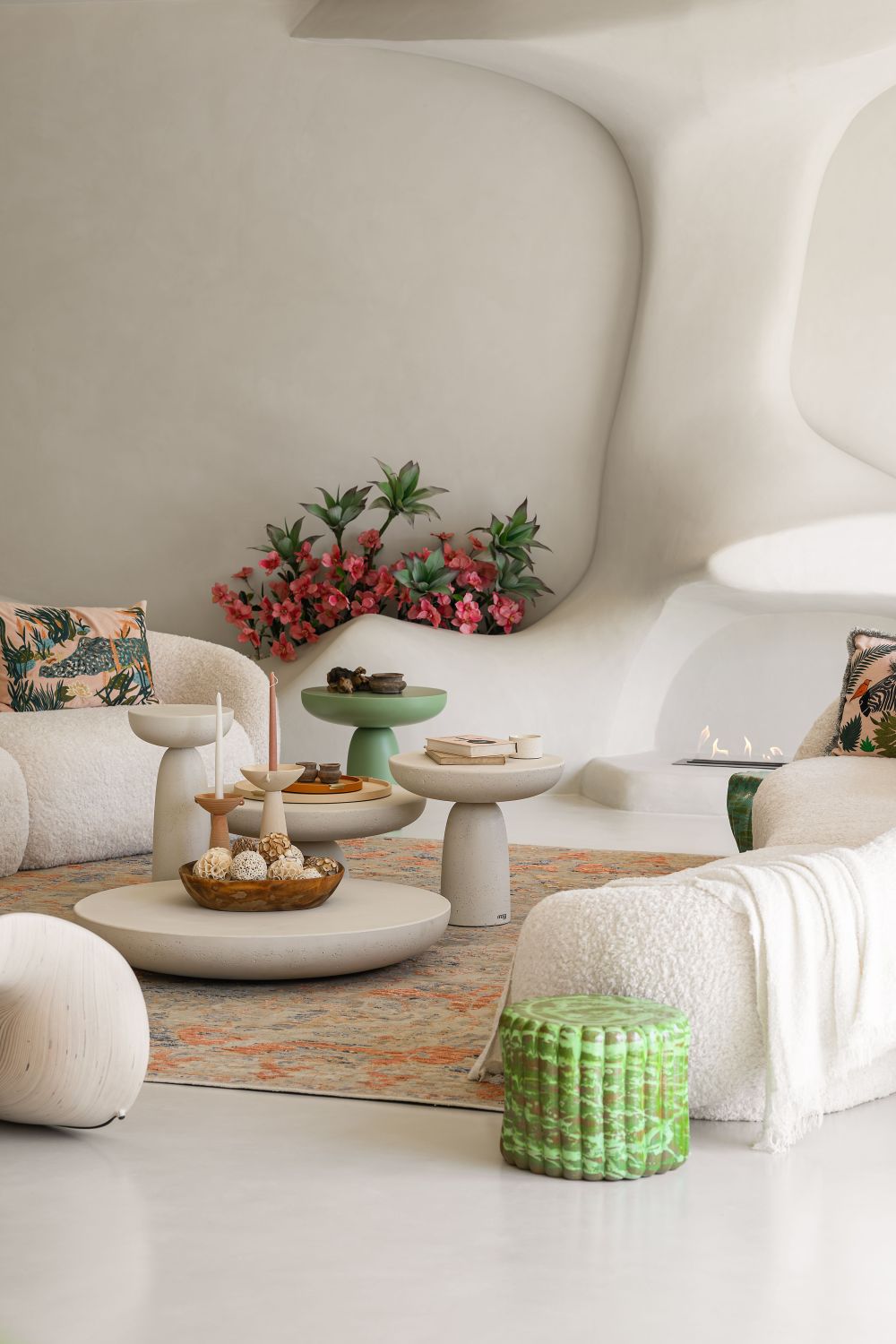
Materiality and craftsmanship amplify the Cairo villa's cocooned quality. Raw plaster surfaces, textured finish and custom, one-off gestures create a tactile intimacy, while a sculptural fireplace anchors the living spaces and reinforces the cave-like atmosphere. “Every detail is shaped as a one-off gesture,” Badie says. “The house feels elemental, expressive and entirely its own.” Circulation, light and curvature guide inhabitants on a gradual emotional journey – from containment to openness, from stillness to engagement.Light is treated as a sculptural element. Carefully positioned apertures and indirect illumination reveal depth and texture across curved walls, allowing shadow and reflection to animate each space. “The goal was to allow light to animate space rather than illuminate it evenly,” Badie notes. Openings are placed for social interaction and views, while moments of retreat are deliberately enclosed, creating a balance of intimacy and expansiveness.
Sustainability emerges through adaptability and longevity rather than technology. Thermal mass, layered interiors and controlled openings respond naturally to Cairo’s climate, while materials age gracefully, acquiring character over time. “Spaces are designed to evolve without renovation. Architecture that adapts will always be more sustainable than architecture that needs replacement,” Badie says.Beit Hawa represents a quiet refinement in Badie’s practice: confident in restraint yet rich in expressive, sculptural experience. It exemplifies a new model for high-end Egyptian residential design, where luxury is measured by emotion, tactility and spatial depth rather than decoration. “Luxury can be experiential rather than decorative,” he reflects. “Emotion, depth and adaptability are what define value now.”
- 转载自:AD(admiddleeast)
- 图片@AD(admiddleeast)
- 国家:美国
- 编辑:序赞网
- 翻译:序赞网
- 阅读原文
|