D.Bianco’s Space | Defining Architectural Lighting
vsszan207221031734001.jpg
vsszan207221031734002.jpg


D.Bianco’s handcrafted architectural lighting – designed and made in Australia – creates subtle, powerful visual separation in our modern, open-plan homes.
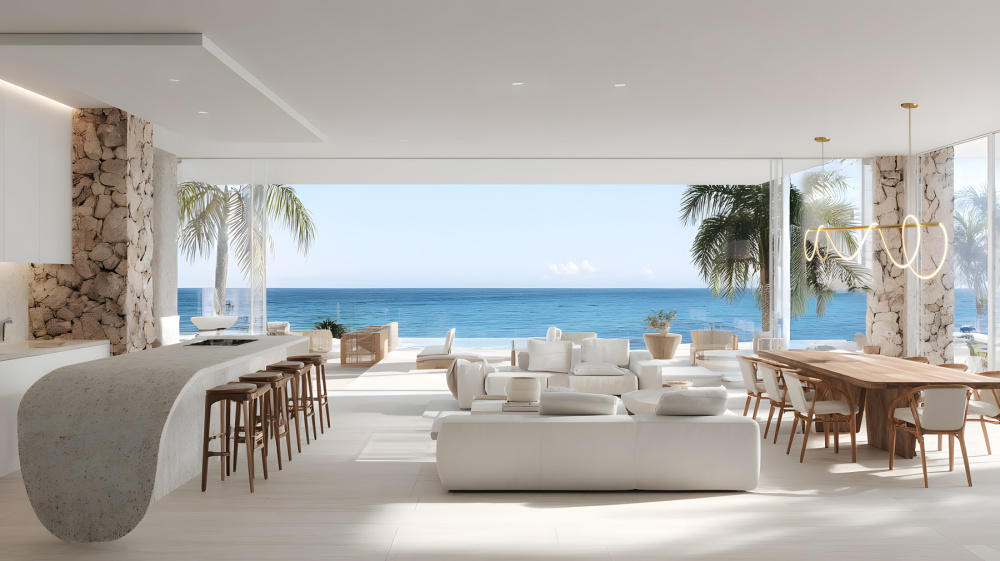
In contemporary residential architecture, open plans have dissolved traditional boundaries, replacing walls with fluidity and flexibility. While this generosity allows rooms to breathe, it can also dilute moments of focus – particularly around the dining table, where daily rituals and collective pause still matter. It is against this backdrop that Australian lighting designer and maker D.Bianco has made its mark, handcrafting dining pendants that “offer a versatile tool to structure a room, introduce rhythm and proportion and guide how people move through the space,” says Fabio Ferreira Bianco, who co-founded the company with his wife Diana.

vsszan207221031734003.jpg
vsszan207221031734004.jpg


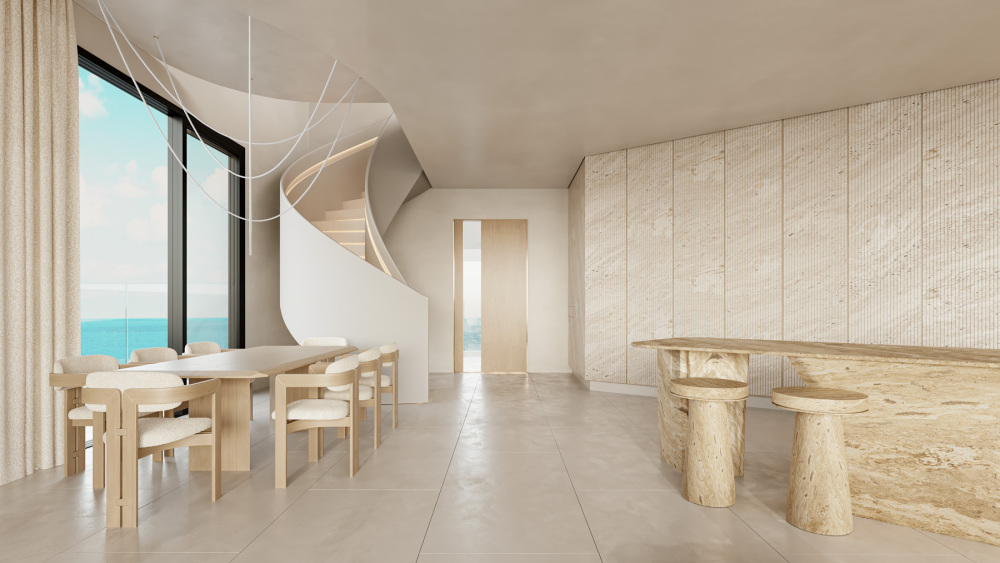
The Sydney-based studio approaches pendant lighting as a spatial instrument, one capable of building atmosphere and delineating use without interrupting flow. Suspended above a dining table, a pendant becomes a quiet marker – not an object imposed on a room, but an element that clarifies how space is occupied.
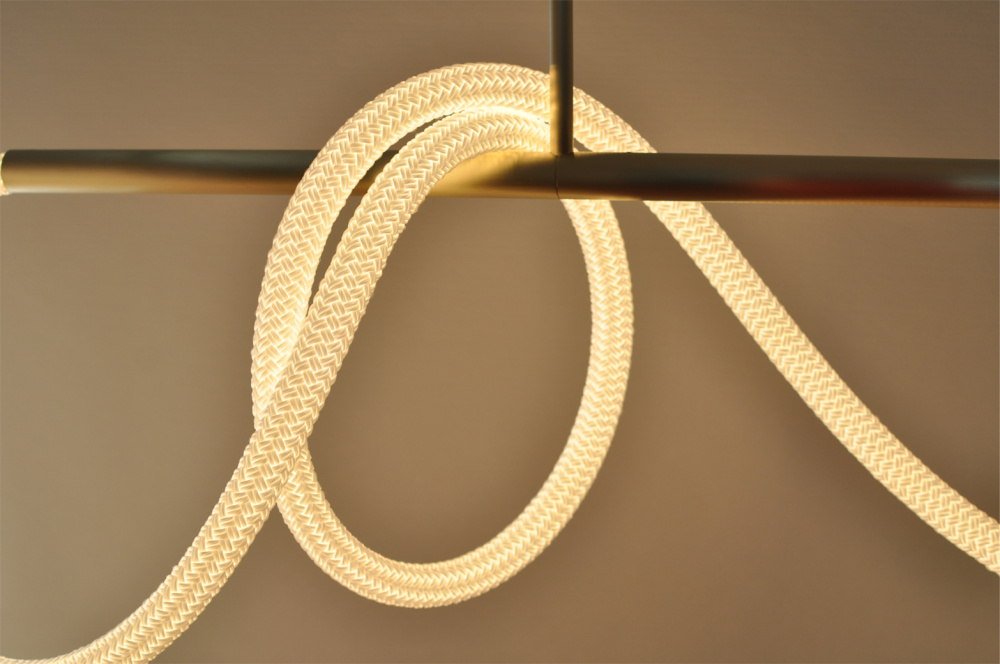
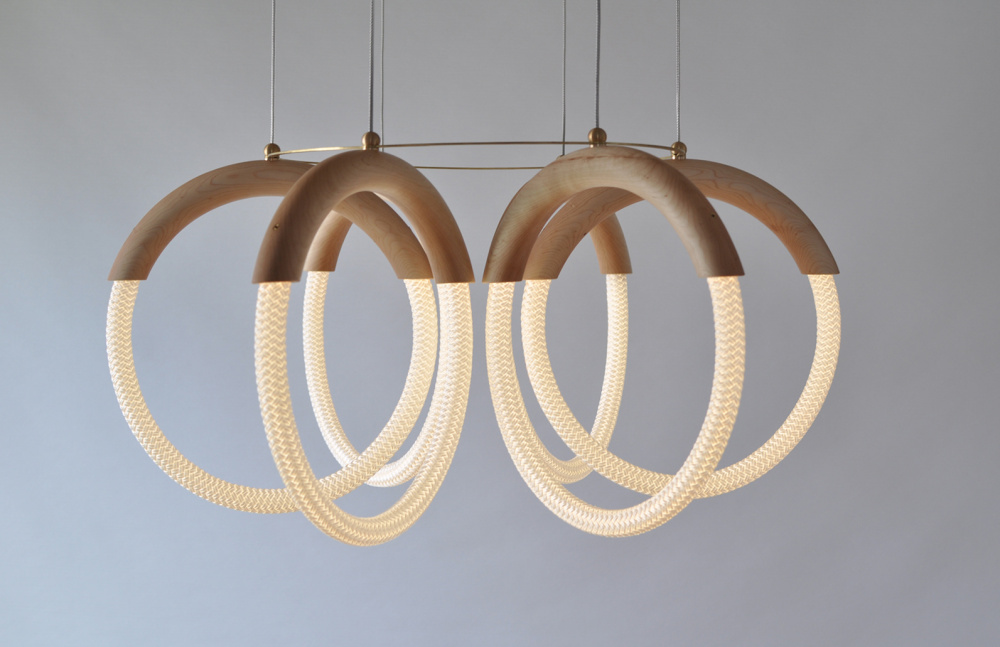
Scale and proportion sit at the centre of this thinking. Linear pieces such as the Festif Linear extend across the table plane, reinforcing alignment and grounding the dining zone within larger interiors. Sculptural forms including the Nestlight and Stella chandeliers introduce vertical presence, drawing the eye downward and creating a sense of enclosure beneath otherwise flat, uninterrupted ceilings. The effect is subtle but decisive: the dining area gains definition while remaining visually connected to the spaces around it.


vsszan207221031734005.jpg
vsszan207221031734006.jpg


This structural sensitivity is particularly evident in how D.Bianco’s pendants negotiate human scale. Dining is one of the few moments in a home where bodies gather with intention, seated and facing one another. The light above must respond not only to the dimensions of the table, but to the experience beneath it – casting an even glow, avoiding glare and creating a sense of intimacy within a larger volume. When resolved well, the pendant establishes a gentle enclosure, encouraging pause and connection without isolating the moment from the rest of the house.
Rather than operating in isolation, these pendants engage directly with their architectural context. Their forms respond to ceiling heights, furniture dimensions and circulation paths, contributing to a broader spatial rhythm. For architects and interior designers, this offers a means of establishing hierarchy without containment – a way to articulate zones through light instead of walls.


vsszan207221031734007.jpg
vsszan207221031734008.jpg


There is also a temporal quality to this approach. D.Bianco’s designs favour enduring relationships between object and environment. Their restraint allows interiors to evolve, accommodating shifts in furniture, use and architecture over time. In this way, lighting becomes less about making a statement and more about continuity – a constant that quietly underpins everyday use over time.
Designed and crafted in Australia, the studio’s work reflects a commitment to precision and longevity. Materials are handled with restraint, allowing form and proportion to carry the design intent. This clarity supports interiors conceived for long-term use, where lighting must feel embedded within the architecture rather than added as a finishing gesture. Through considered placement and measured form, D.Bianco’s dining pendants transform open interiors into spaces with structure, calm and purpose – shaping not only how rooms appear but how they are lived within.

   
    • 转载自:The Local Project
    • 图片@The Local Project
    • 语言:英语
    • 编辑:序赞网
    • 阅读原文
    AI文本分析中……
    AI色彩命名中……

    暂时没有评论,你回一个呗!~

    您需要登录后才可以回帖 登录 | 注册序赞号

    快速回复 返回顶部 返回列表