The Lighthouse | Warkentin Associates | 2026 | 澳大利亚
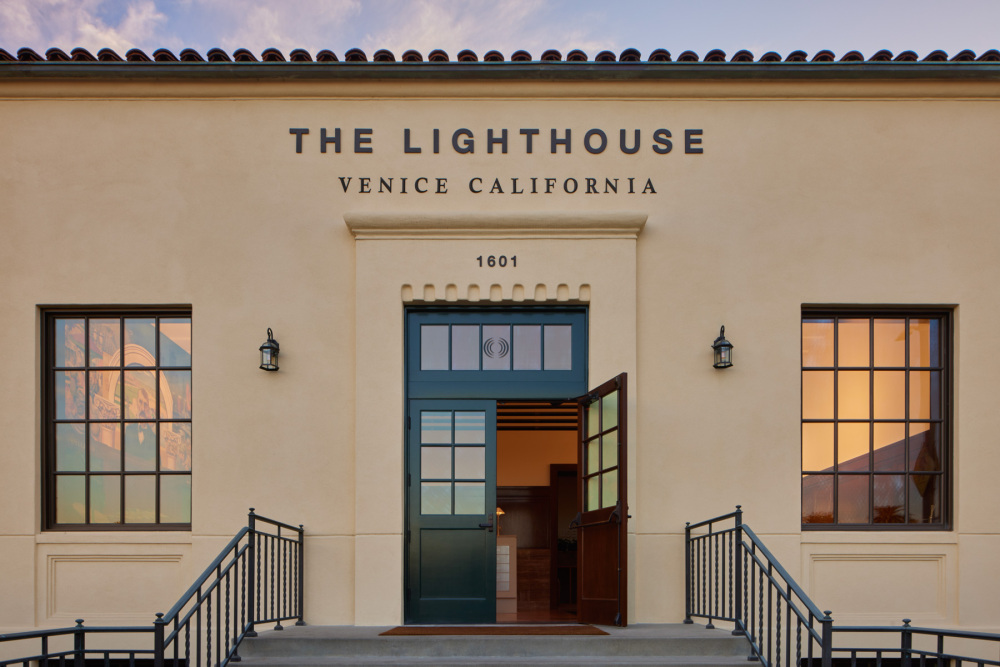
Originally built in 1939 as part of the Works Progress Administration, the former Venice Post Office has been reinterpreted by Warkentin Associates as a purpose-built creative hub. “I was approached by The Lighthouse founder Jon Goss to collaborate with him in creating a ‘campus’ for creators, with the opportunity to design a whole world from scratch,” says Nathan Warkentin, founder and principal of Warkentin Associates. With a background in interior architecture across hospitality and commercial sectors, Warkentin led the transformation of the space from skeleton to working studio campus in just 18 months.
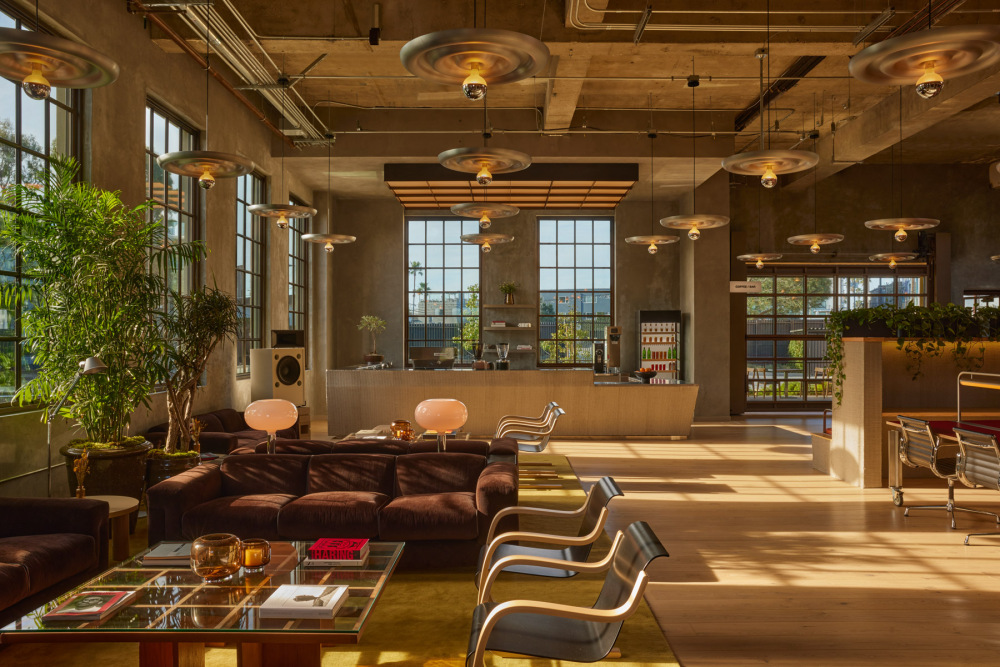
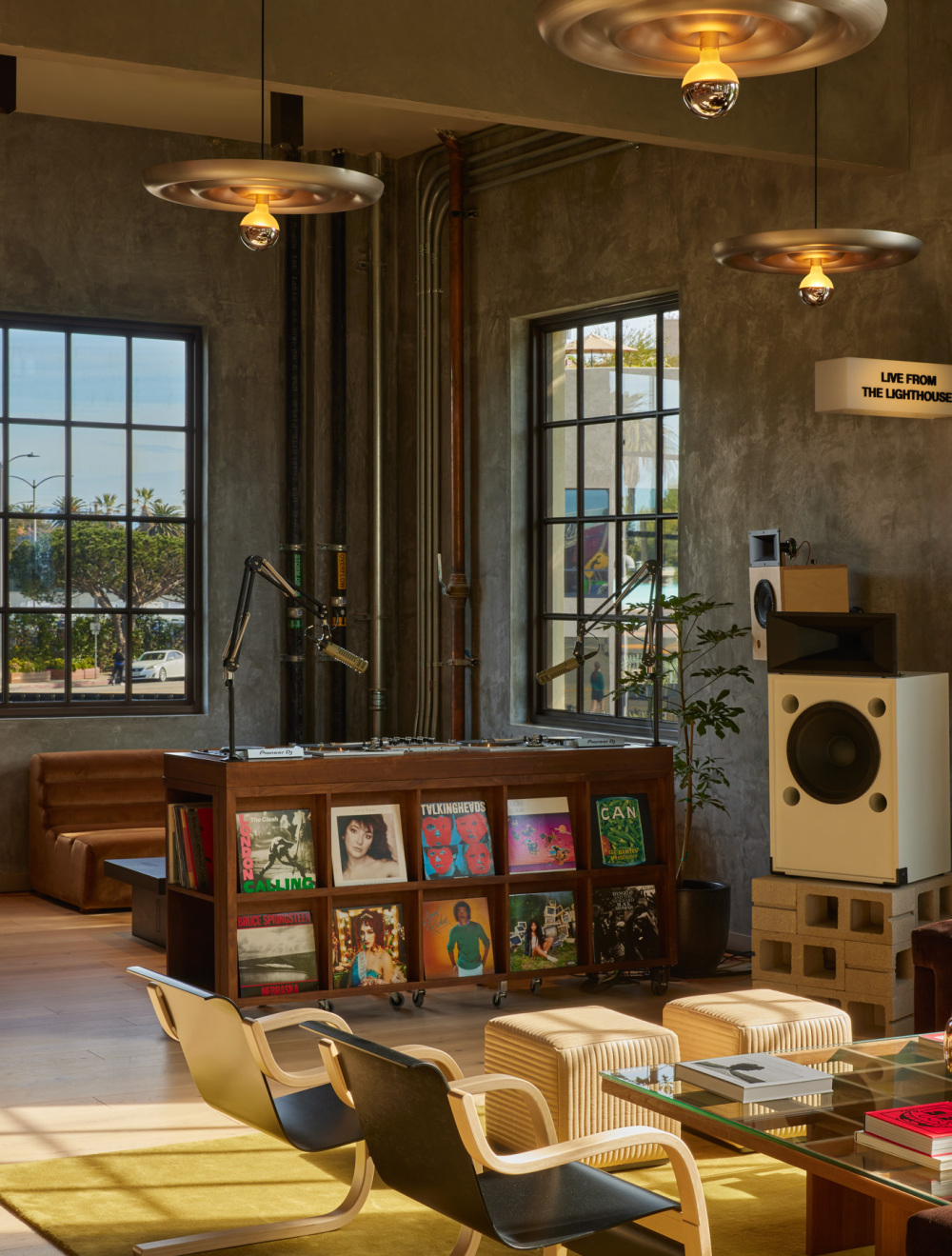
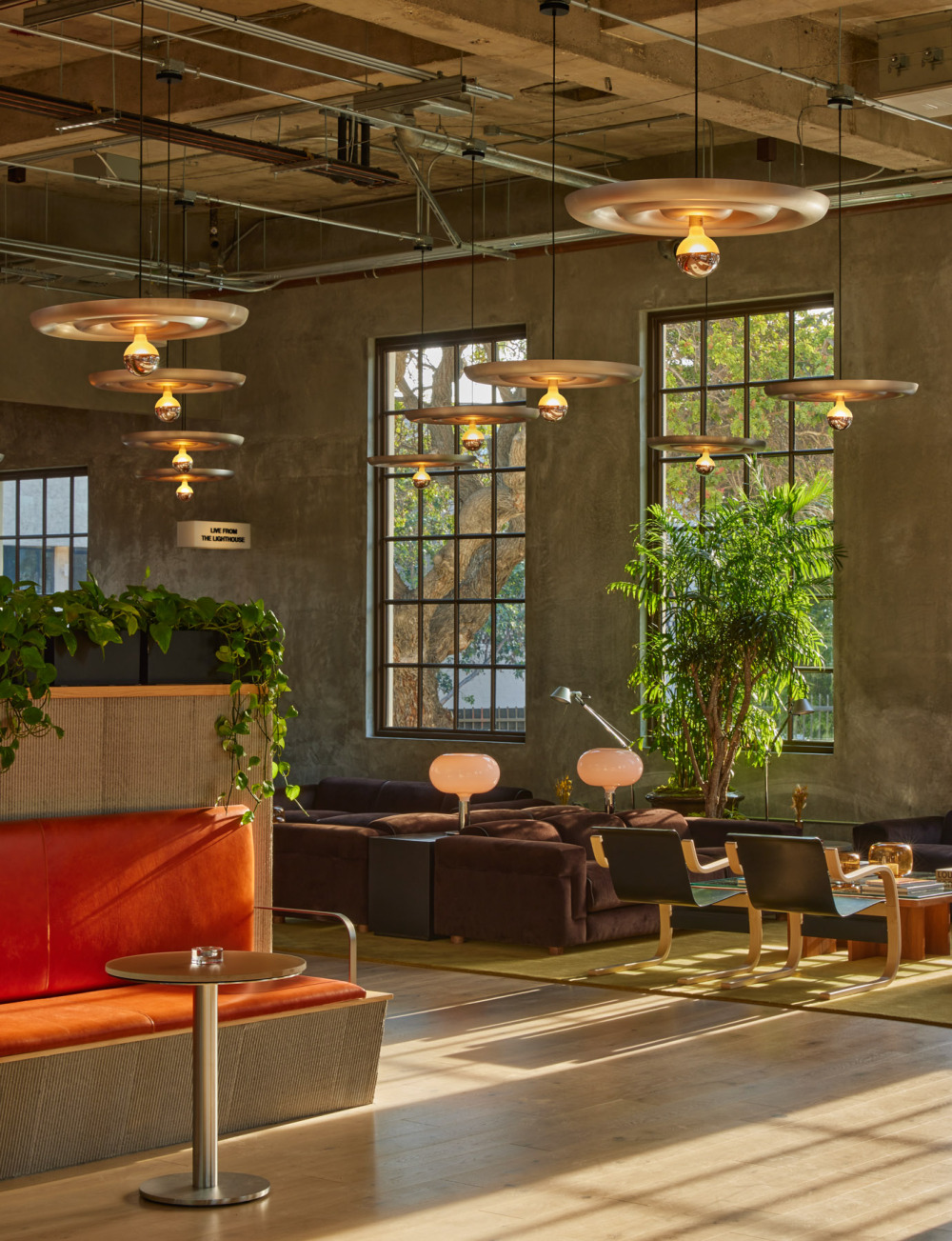
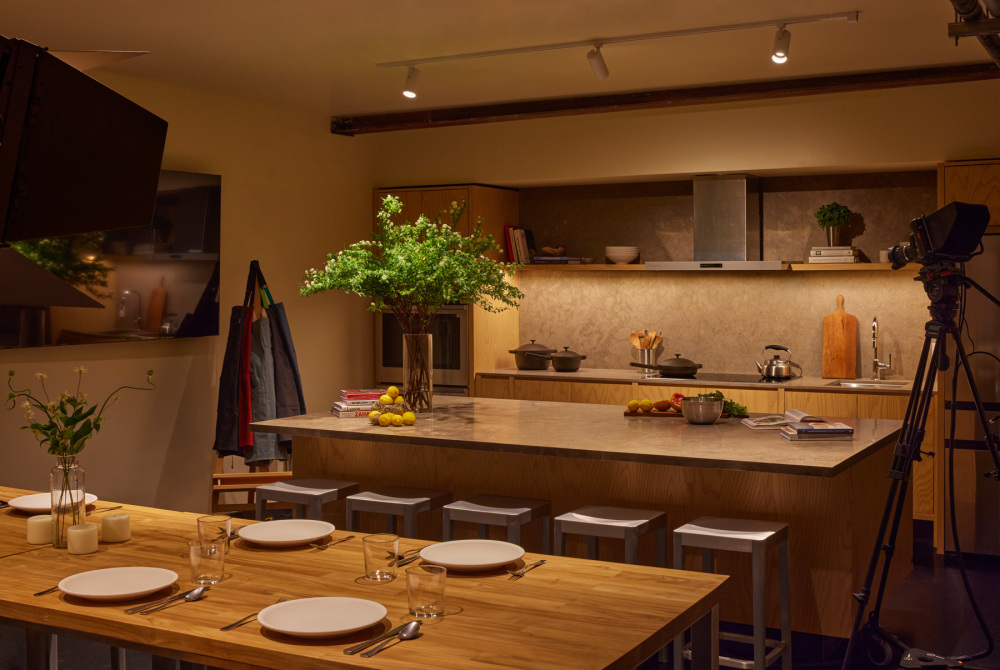
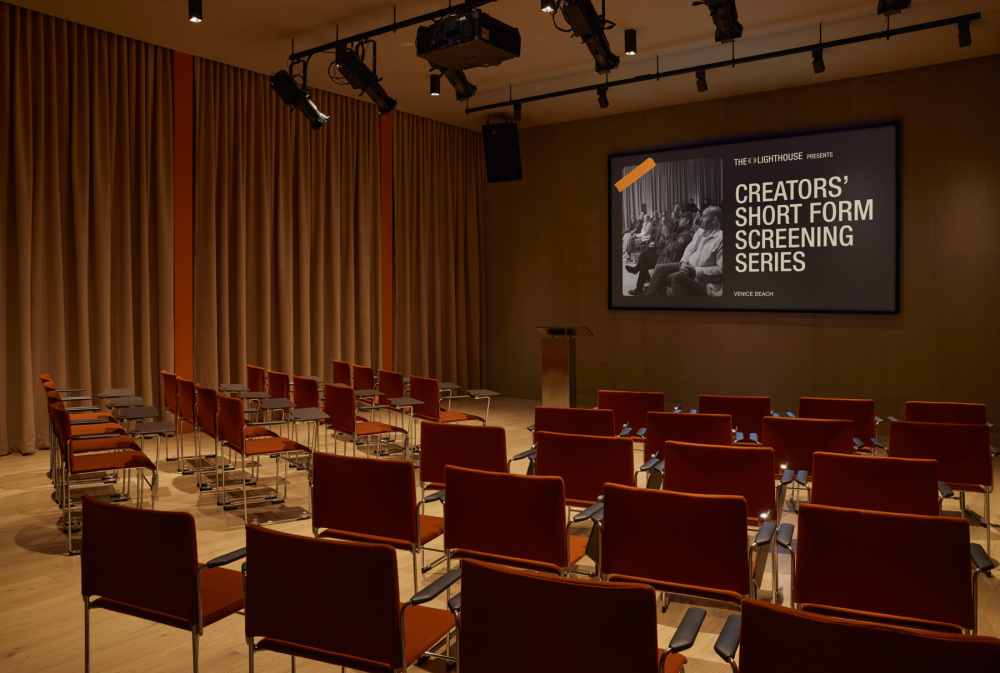
The design draws on Bauhaus principles, with an emphasis on utility, clarity and the integration of disciplines. “Bauhaus was an experiment in how people work and create together, intentionally integrating disciplines to spark creative collisions,” says Warkentin. “With The Lighthouse, we aimed to evolve this ethos for a new generation of creators. Our selection of simple, industrial materials, like steel, glass and concrete, aligns with the Bauhaus principle of ‘truth to materials’.”Spanning almost 7,000 square metres across two levels, the building houses a wide range of facilities: from production studios and podcast rooms to writing zones, private offices, a cafe and a 72-seat theatre. The campus also includes a hybrid live podcast studio and DJ booth called Live from The Lighthouse, which draws visual cues from 1997 dark-comedy film Grosse Pointe Break. “We wanted to capture the aesthetic of ‘90s college radio,” says Warkentin of the space.
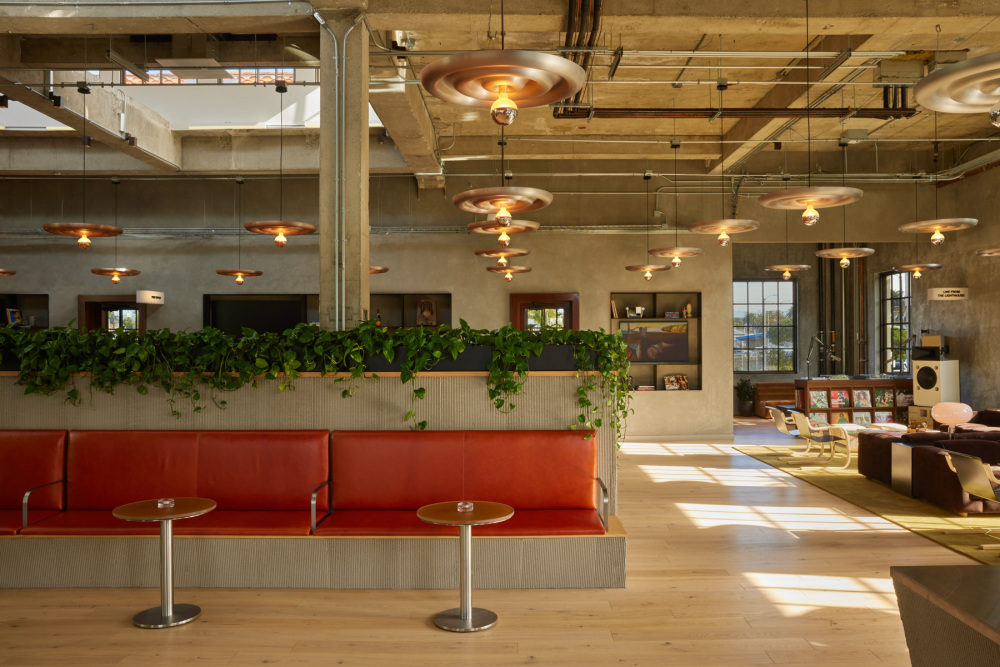
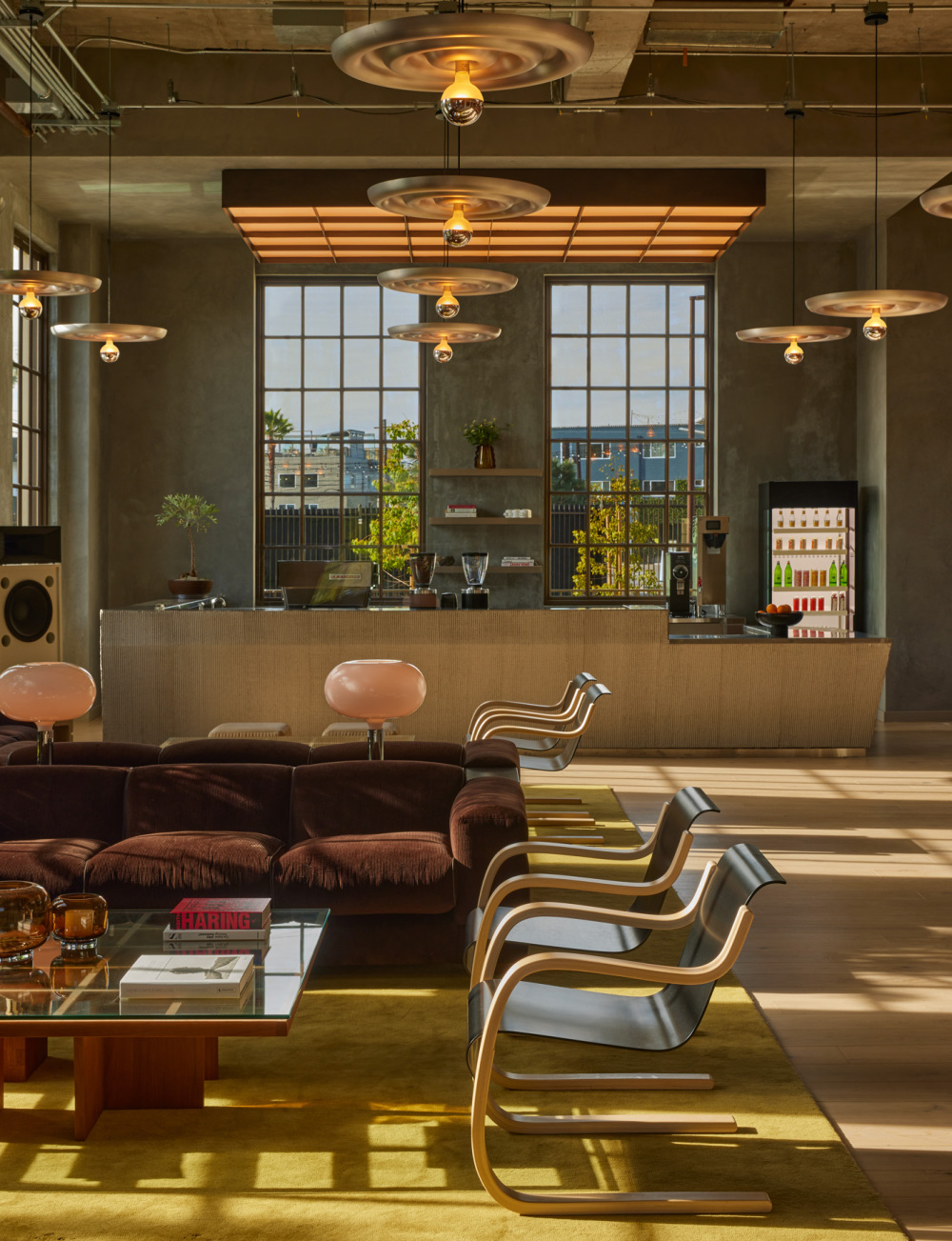
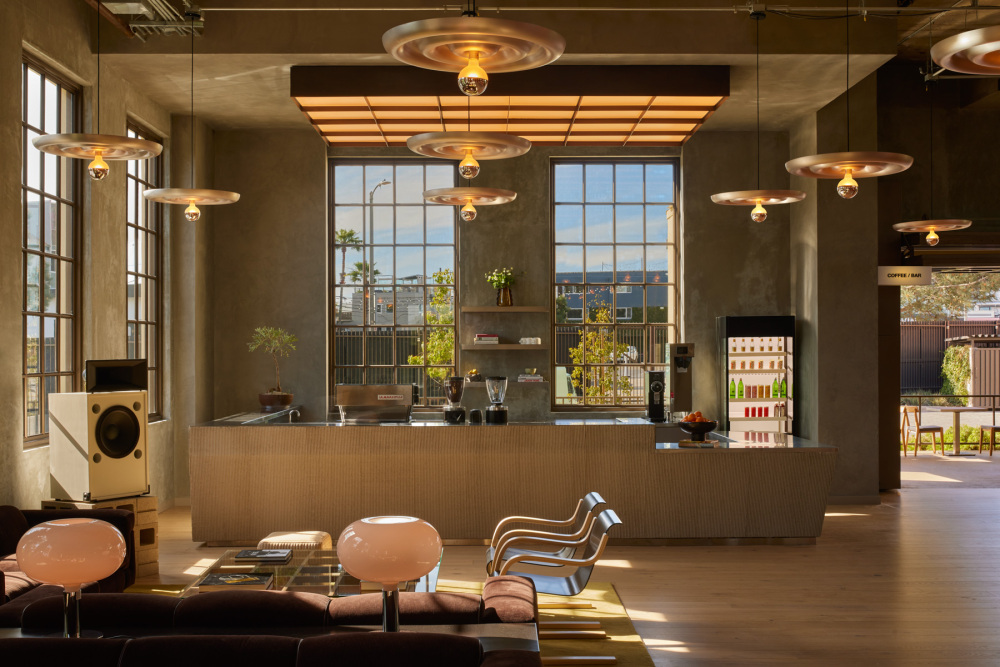
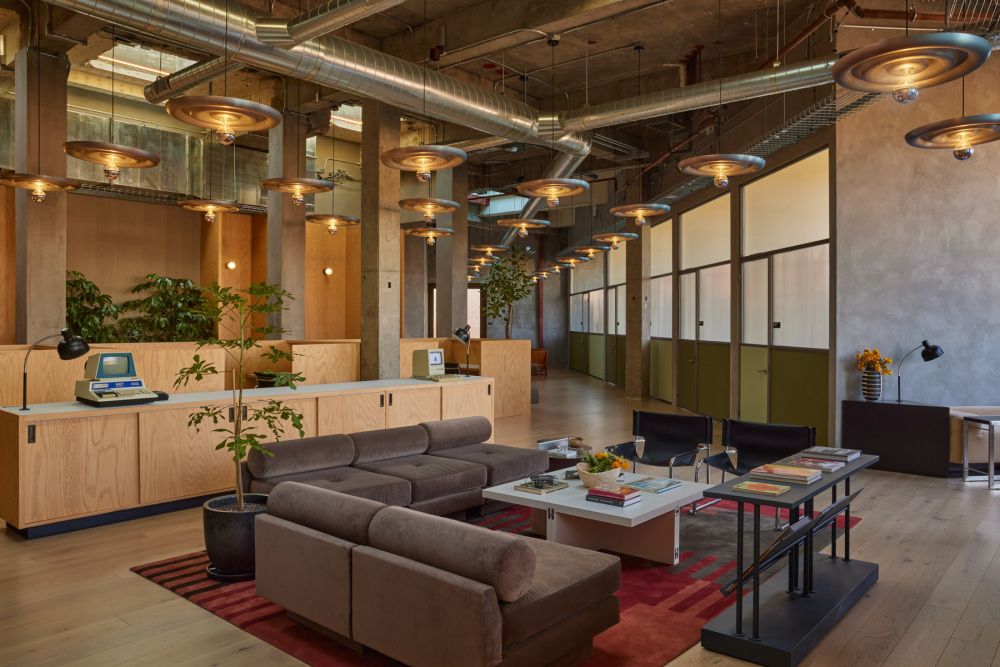
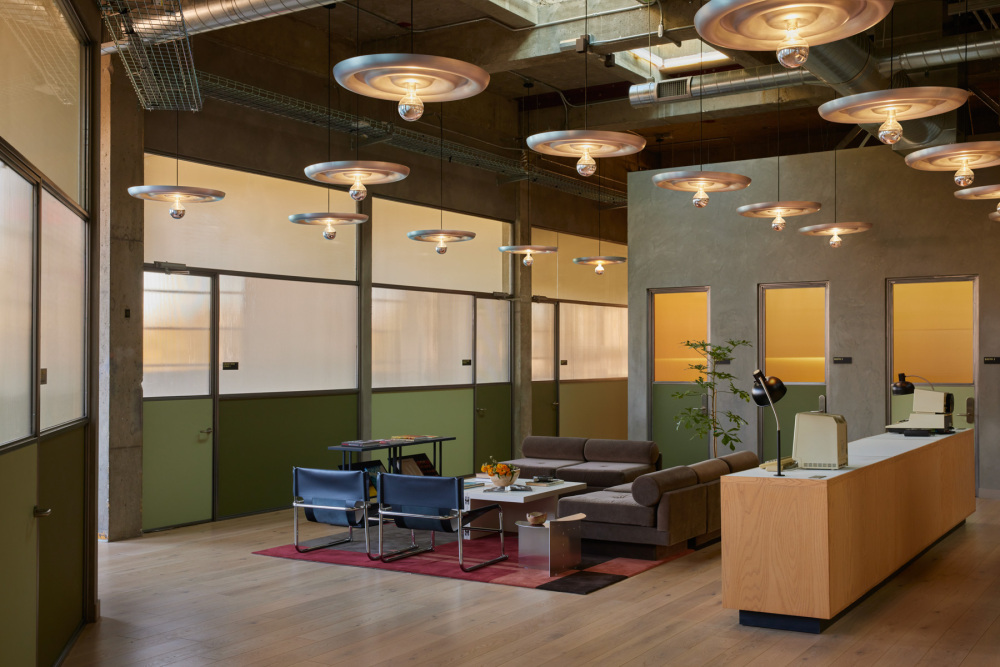
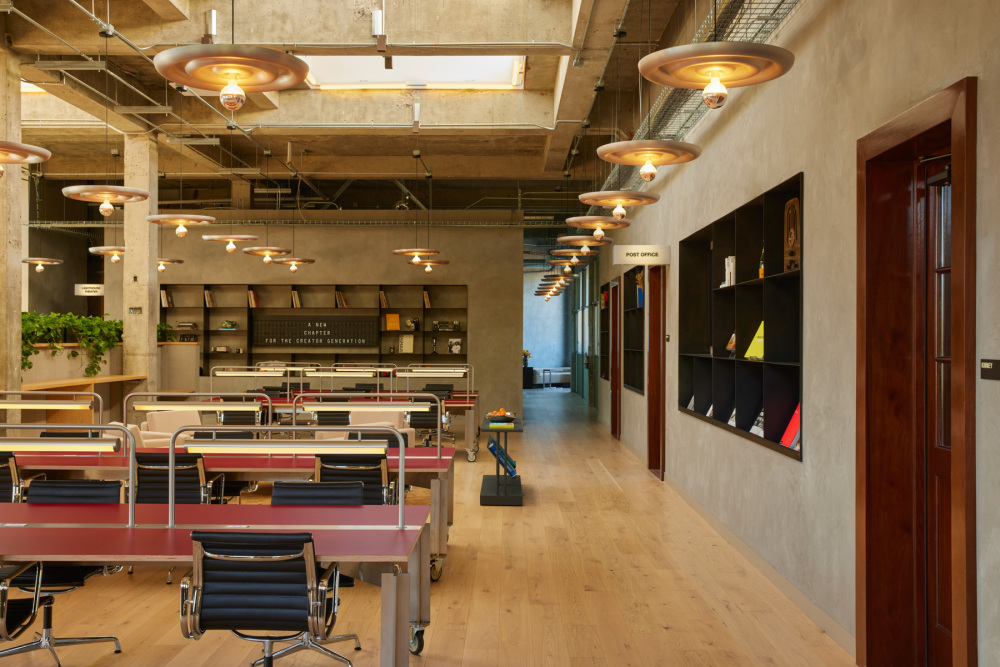
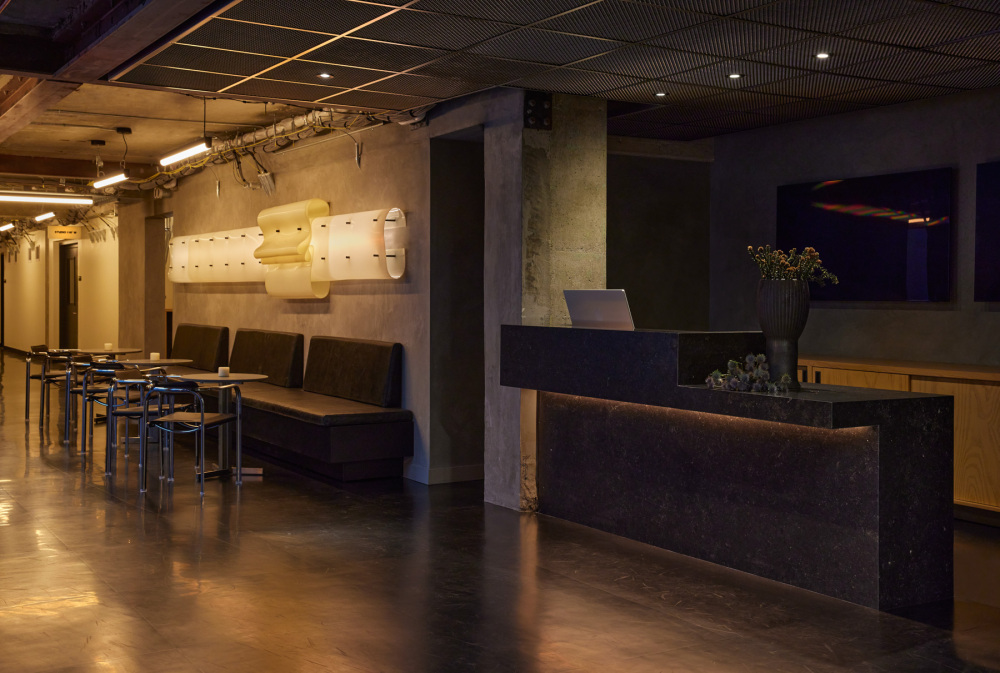
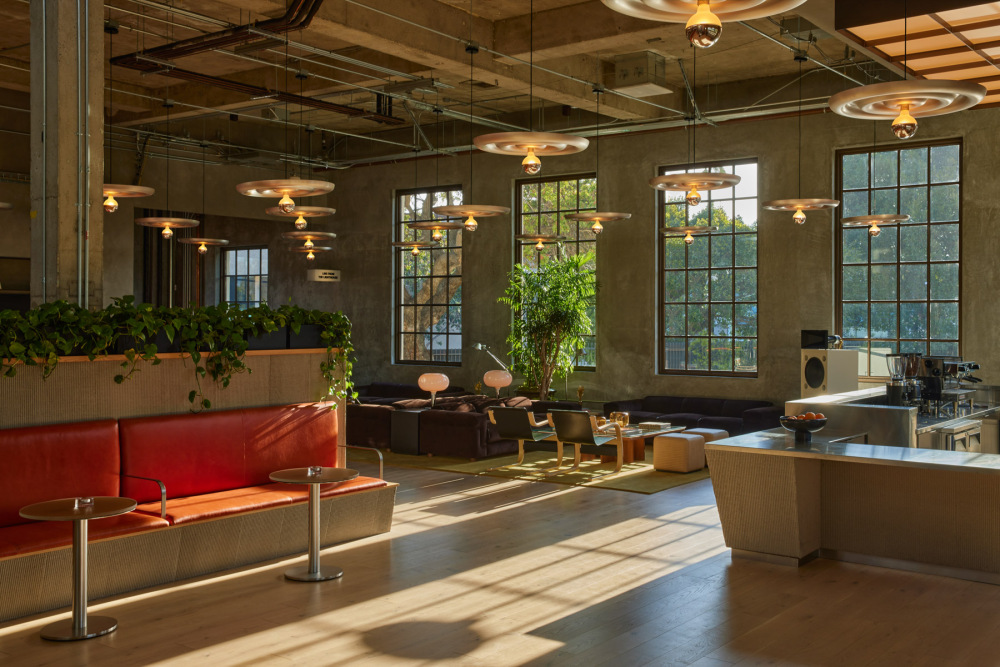
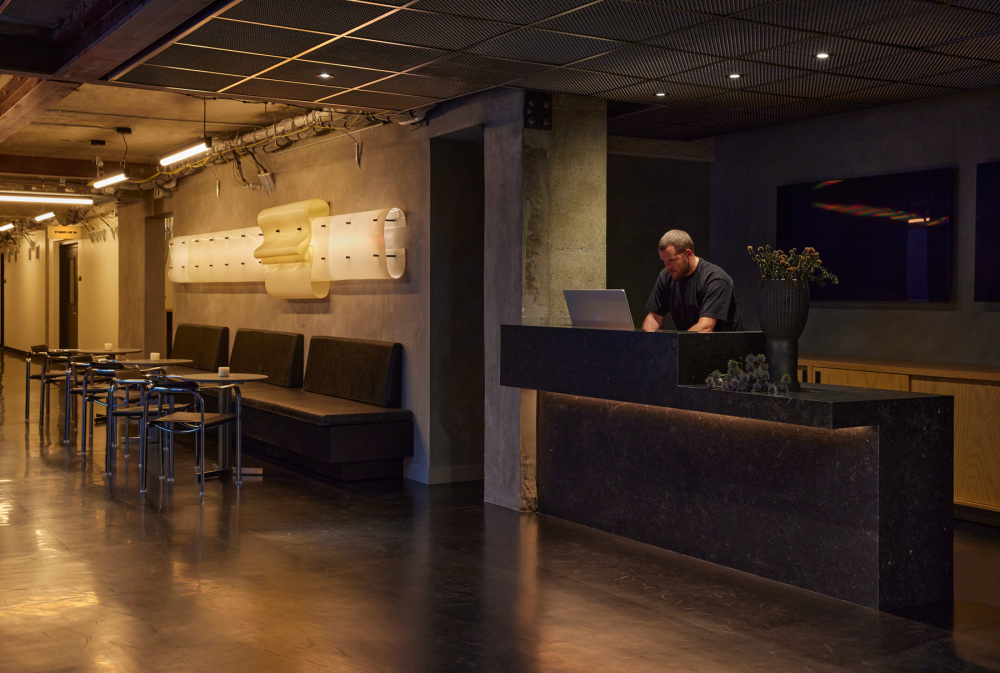
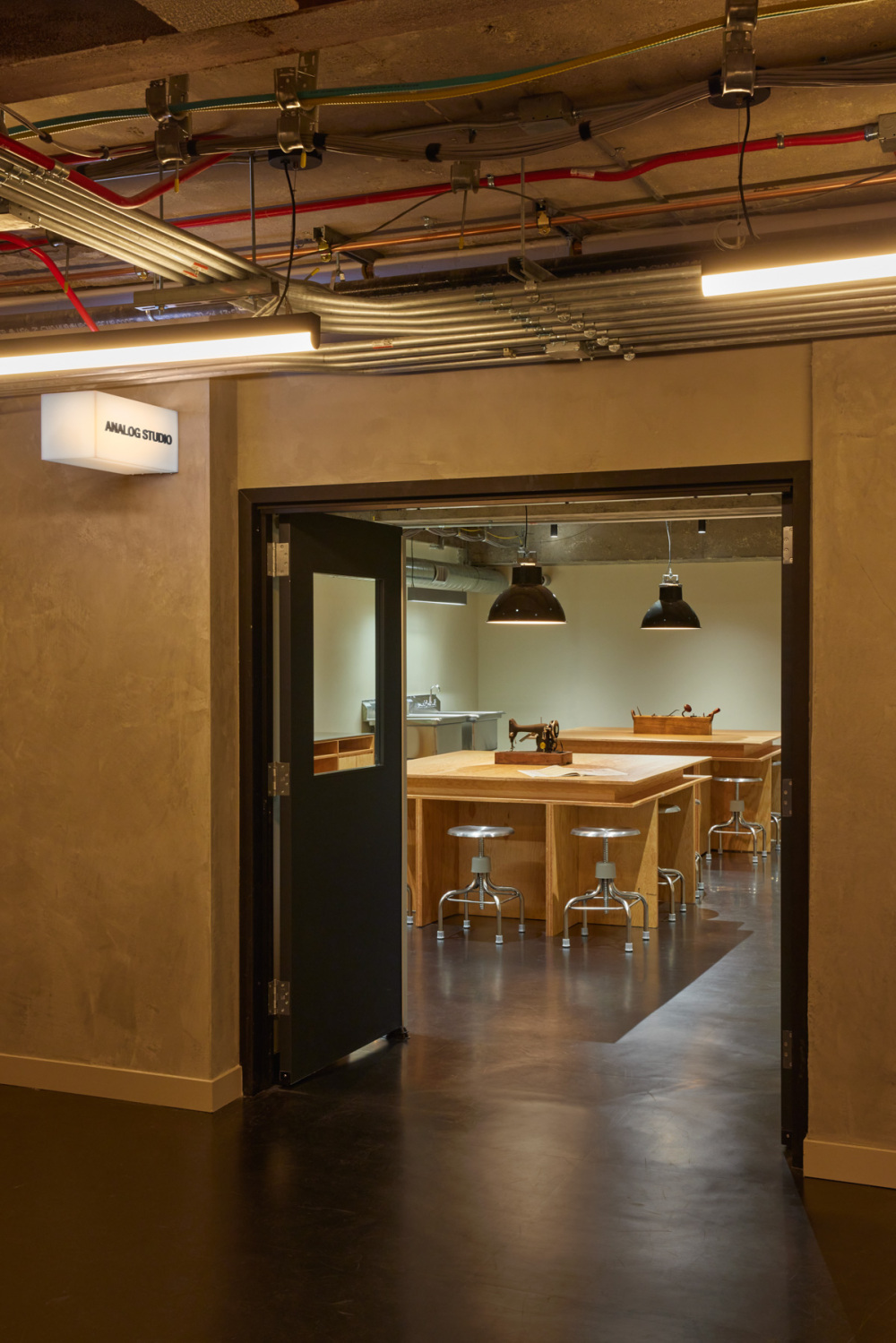
The design balances industrial expression with quieter moments of texture and warmth. A raked plaster finish – a nod to Paul Rudolph’s brutalist work at Yale – is used throughout the space. “The material palette is deliberately simple, honest and functional, reinforcing the project’s ethos of clarity and purpose,” says Warkentin. Wood, metal and glass surfaces are left largely untouched, and desaturated greens are introduced in the private offices through Forbo panels. Colour is used effectively, adding vibrancy without overwhelming the rawness of the materiality.The ground floor is designed to feel light and open, accommodating daily work, informal meetings and social gatherings. Downstairs, the atmosphere shifts. The lower level is more enclosed and technical, supporting focused production with studios for film, audio and photography.
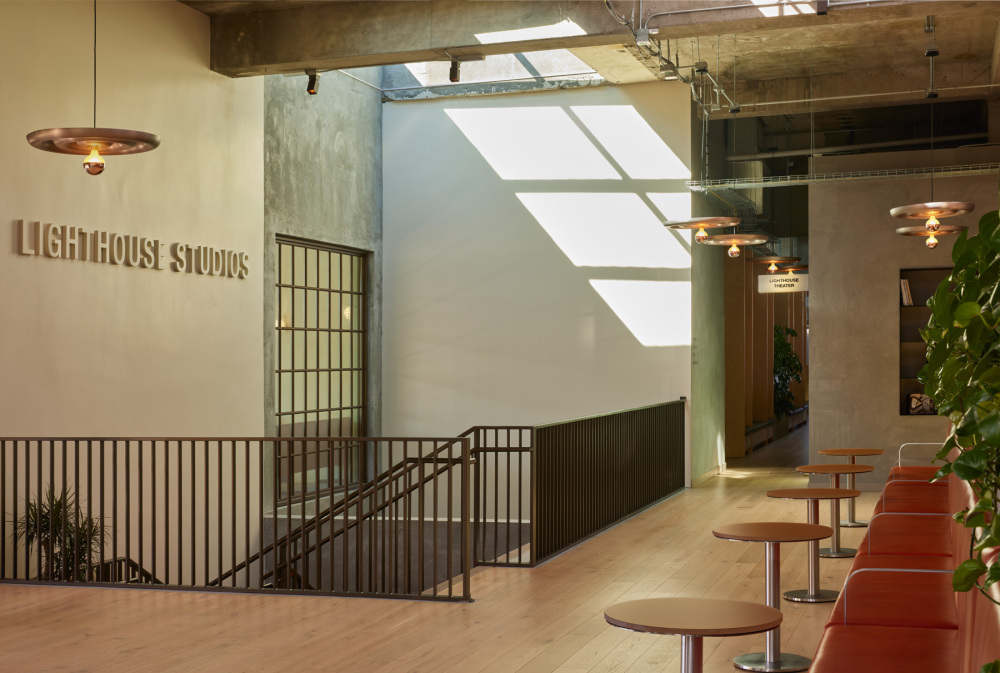
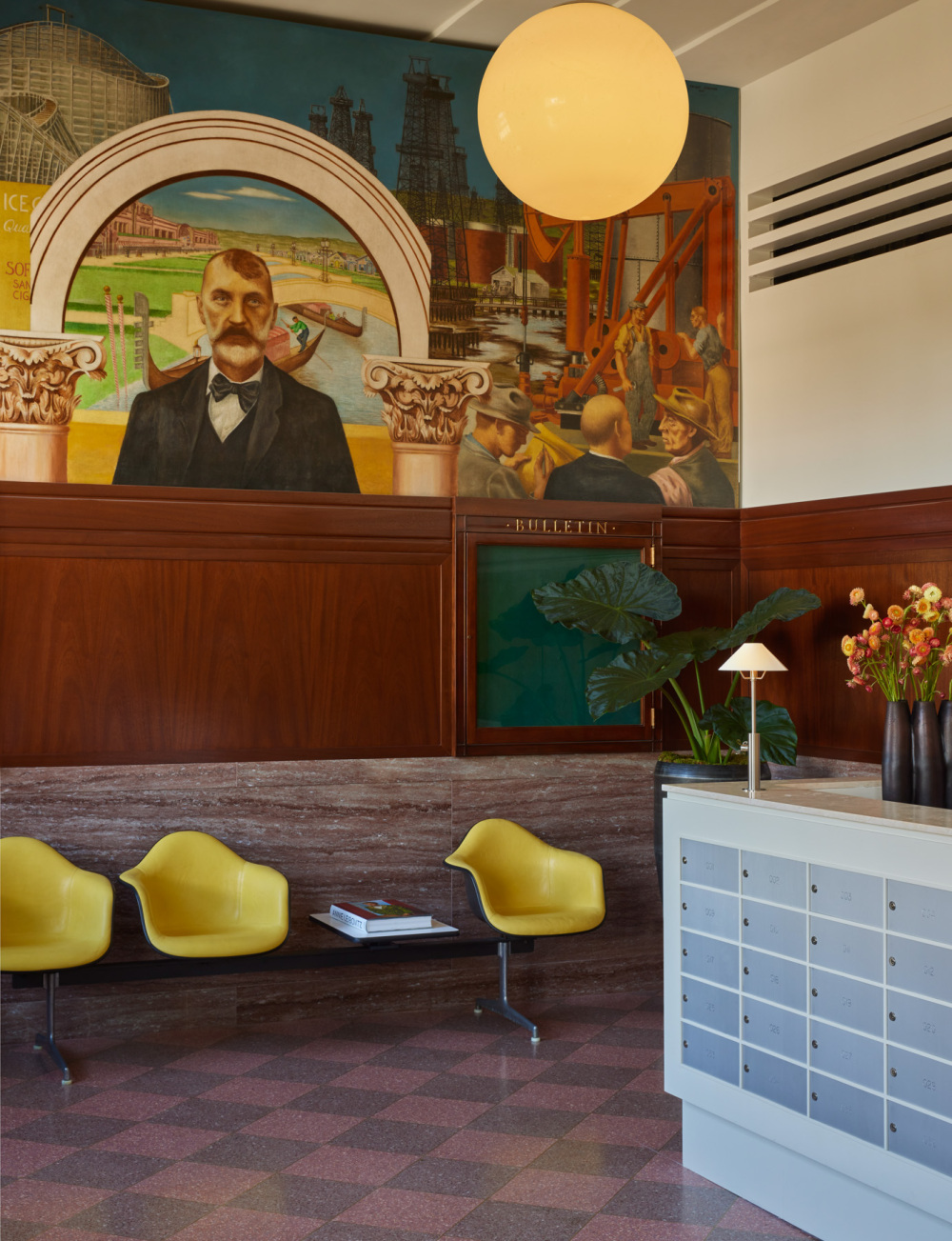
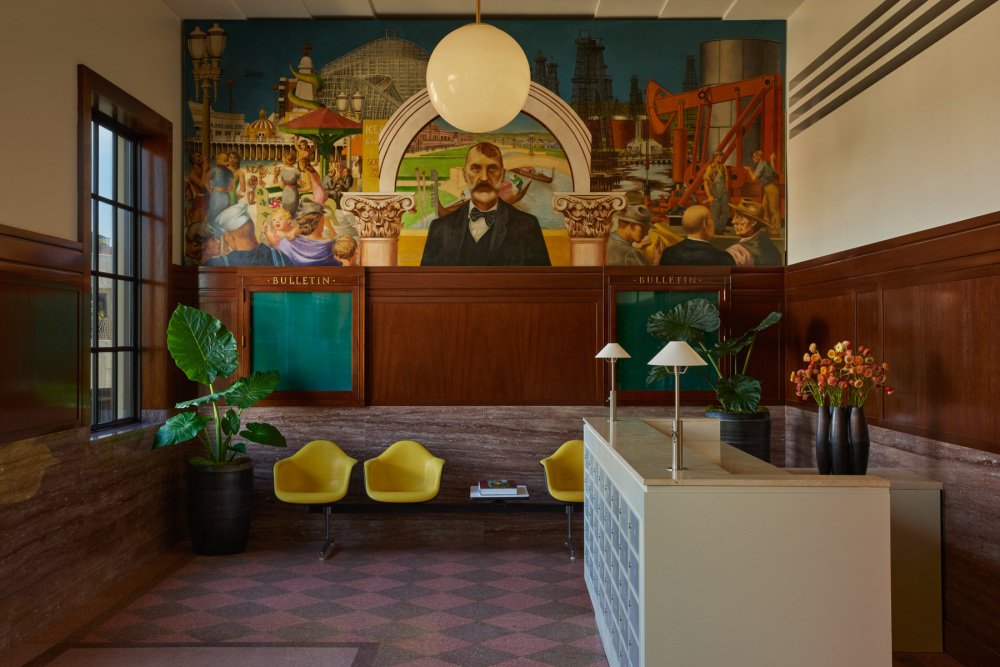
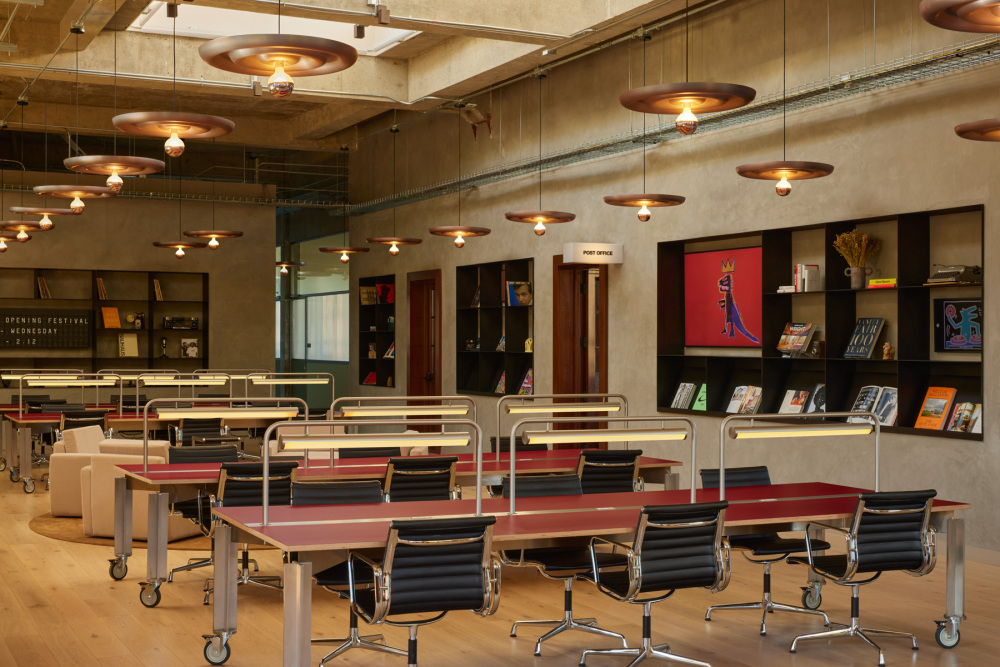
The design of the library and shared work areas draws from Japanese references, particularly Arata Isozaki’s Oita Prefectural Library. Warkentin wanted to blur the lines between work and social spaces, as well as create a more fluid and open interpretation of a library. Circulation zones and staircases were treated as opportunities to add sculptural dimension. “We looked to the Pavillon Le Corbusier for inspiration in treating stairs and circulation as an experience,” says Warkentin. “While mostly functional, they also can become sculptural statements.”Furniture includes a mix of custom-designed pieces and selections from USM, Artek, Vitra, Herman Miller and Tecta, with lighting from Nemo Lighting, Artemide, Oluce and Brian Thoreen’s site-specific rubber light installation. In a nod to the building’s legacy, Edward Biberman’s 1941 mural Abbot Kinney and the Story of Venice was returned to its original location in the historic lobby after a period on loan to LACMA (Los Angeles County Museum of Art).
Beyond its physical footprint, The Lighthouse is intended to support a new kind of working model – one grounded in access, production and community. “The journey from concept to the creation of this campus mirrors the creative and entrepreneurial process of today’s creators – a path filled with isolation, challenges, yet opportunities,” says Goss. “We believe creativity truly flourishes when original minds collide.”With two additional campuses underway in Brooklyn and London, The Lighthouse is positioning itself as a global network for digitally native creators – combining tools, infrastructure and space in real life, under one roof.
Interior Design by Warkentin Associates
Development by Allied Commercial Exporters
- 转载自:The Local Project
- 图片@The Local Project
- 语言:英语
- 编辑:序赞网
- 阅读原文
|
|