威尼斯酒店 | Aline Asmar d’Amman
Inside the Orient Express Venezia, a 15th-century palazzo transformed into a boutique hotel, open for romantic escapes in Italy's dreamiest city.
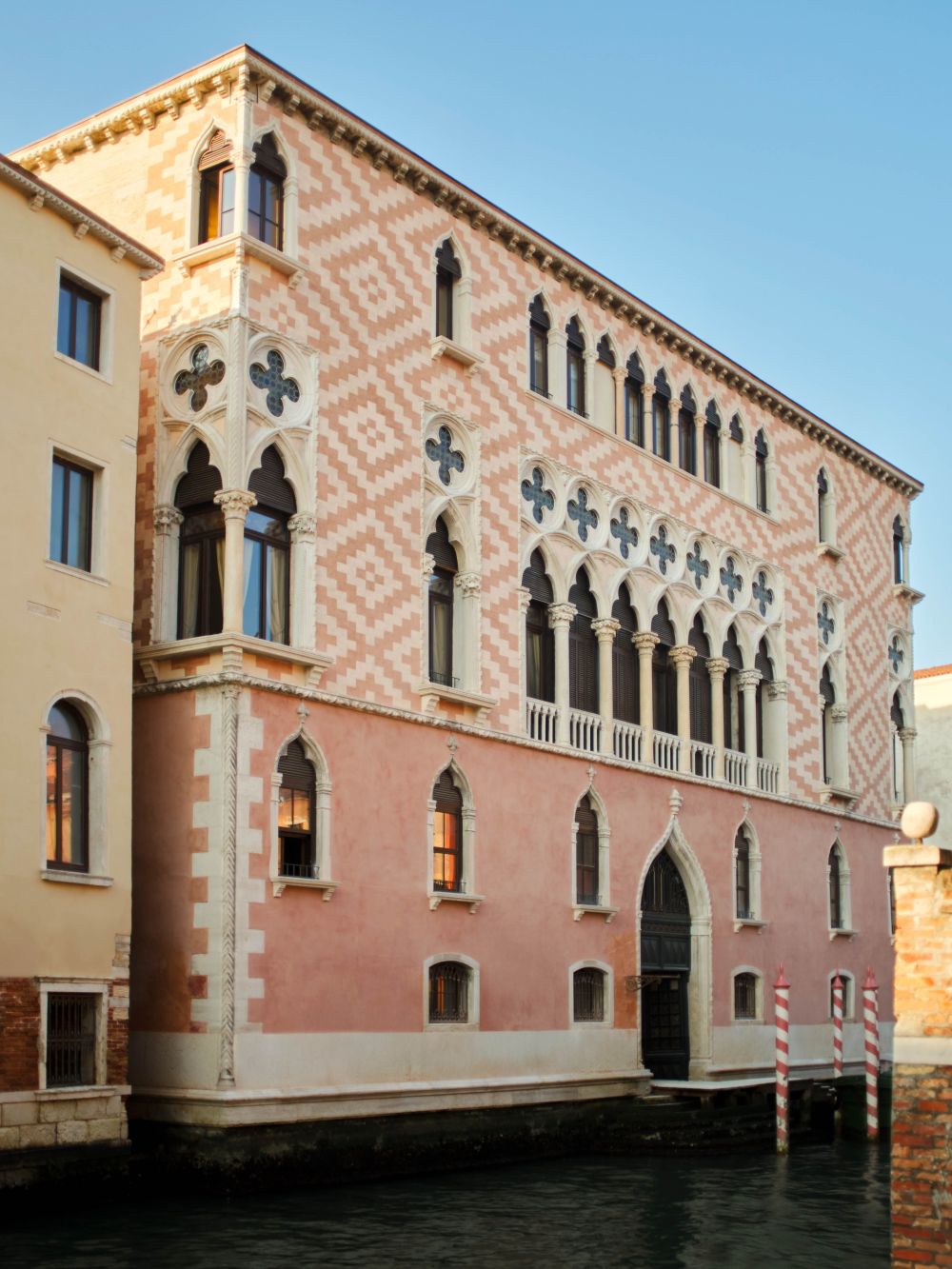
Venice, once the beating heart of a maritime empire, was a vital crossroads between East and West, where silk, spices, glass and ideas flowed through its lagoons and canals. Today, its golden light, fading frescoes and labyrinthine waterways continue to draw travellers into a city that is the epicentre of romance. “Venice has always been a place of passage, between land and sea, between East and West, between cultures and eras,” reflects Aline Asmar d’Amman. Now, the Lebanese architect, interior designer, and founder of Culture in Architecture has contributed to that legacy of exchange, transforming Palazzo Donà Giovannelli into the new Orient Express Venezia hotel.
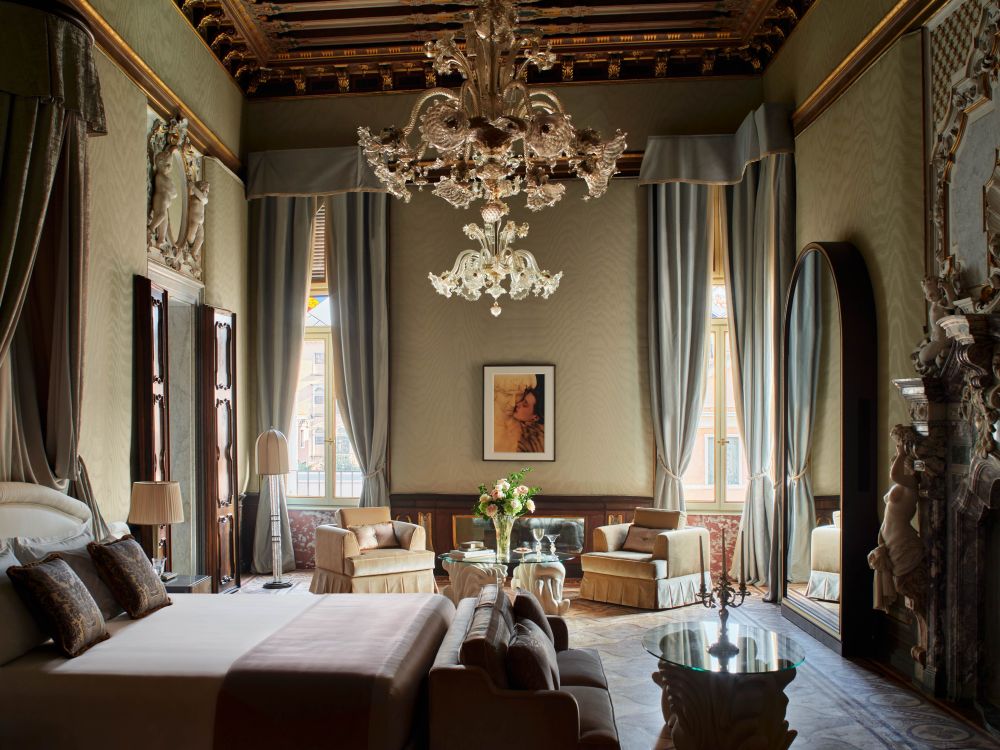
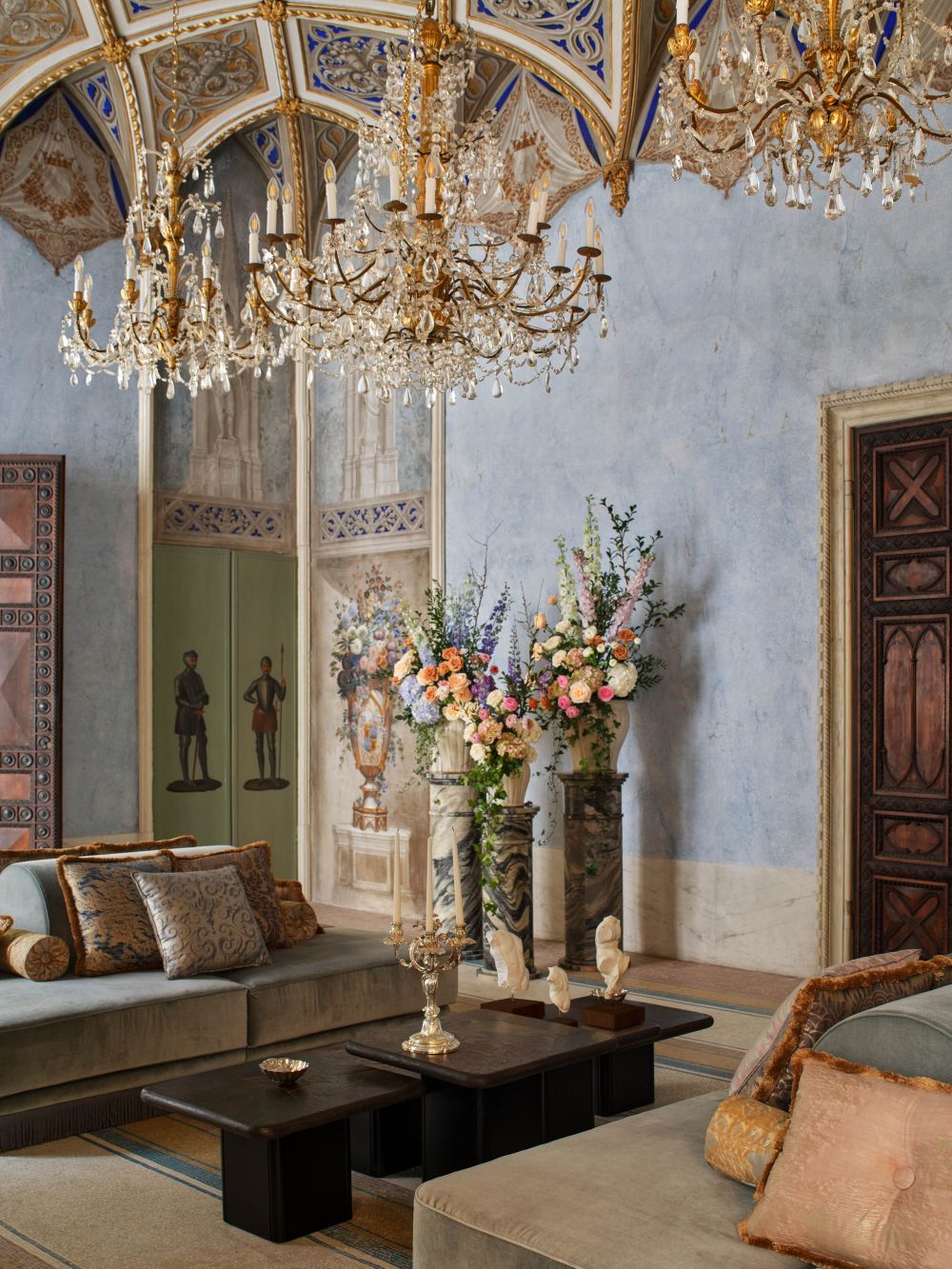
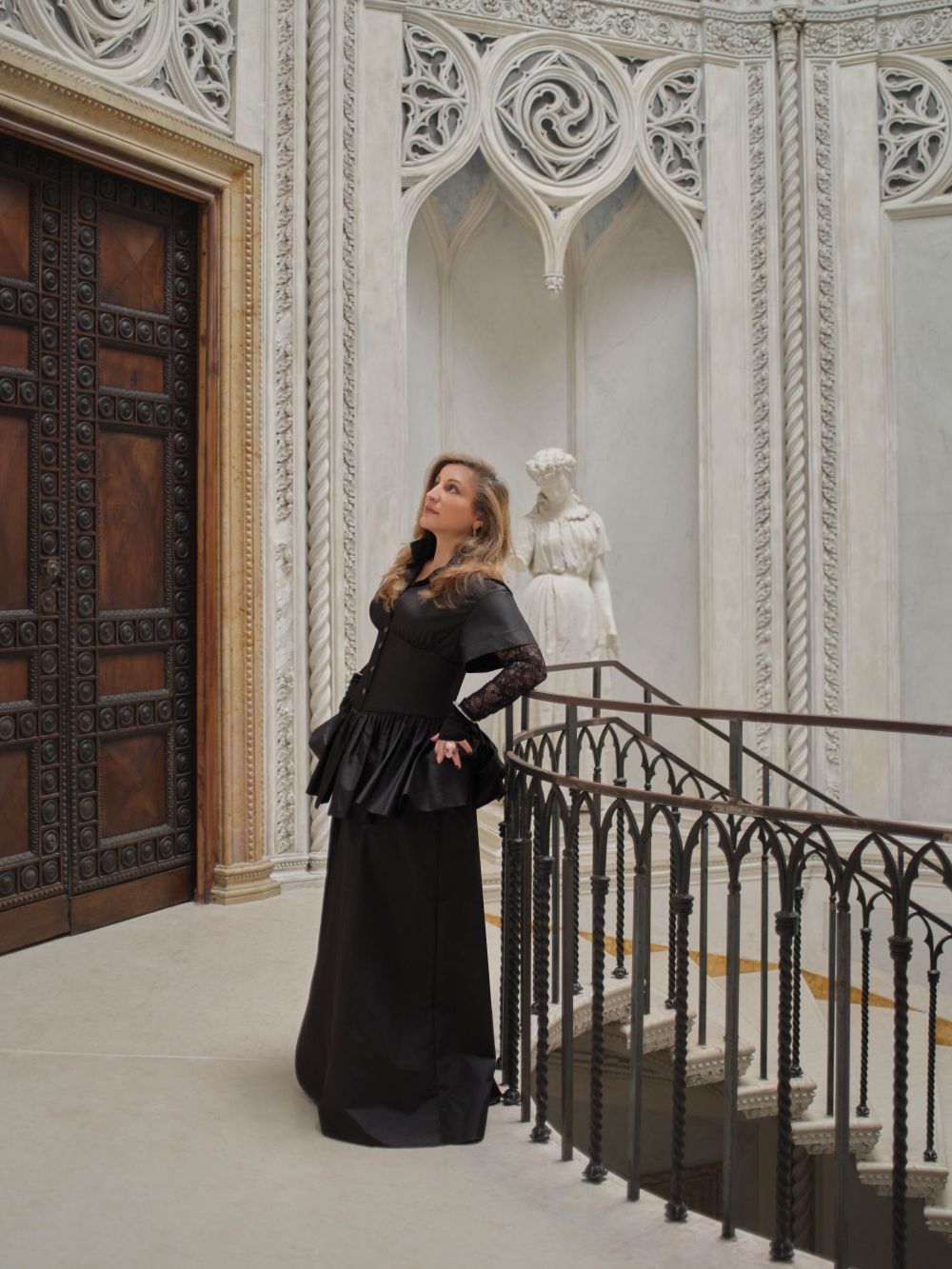
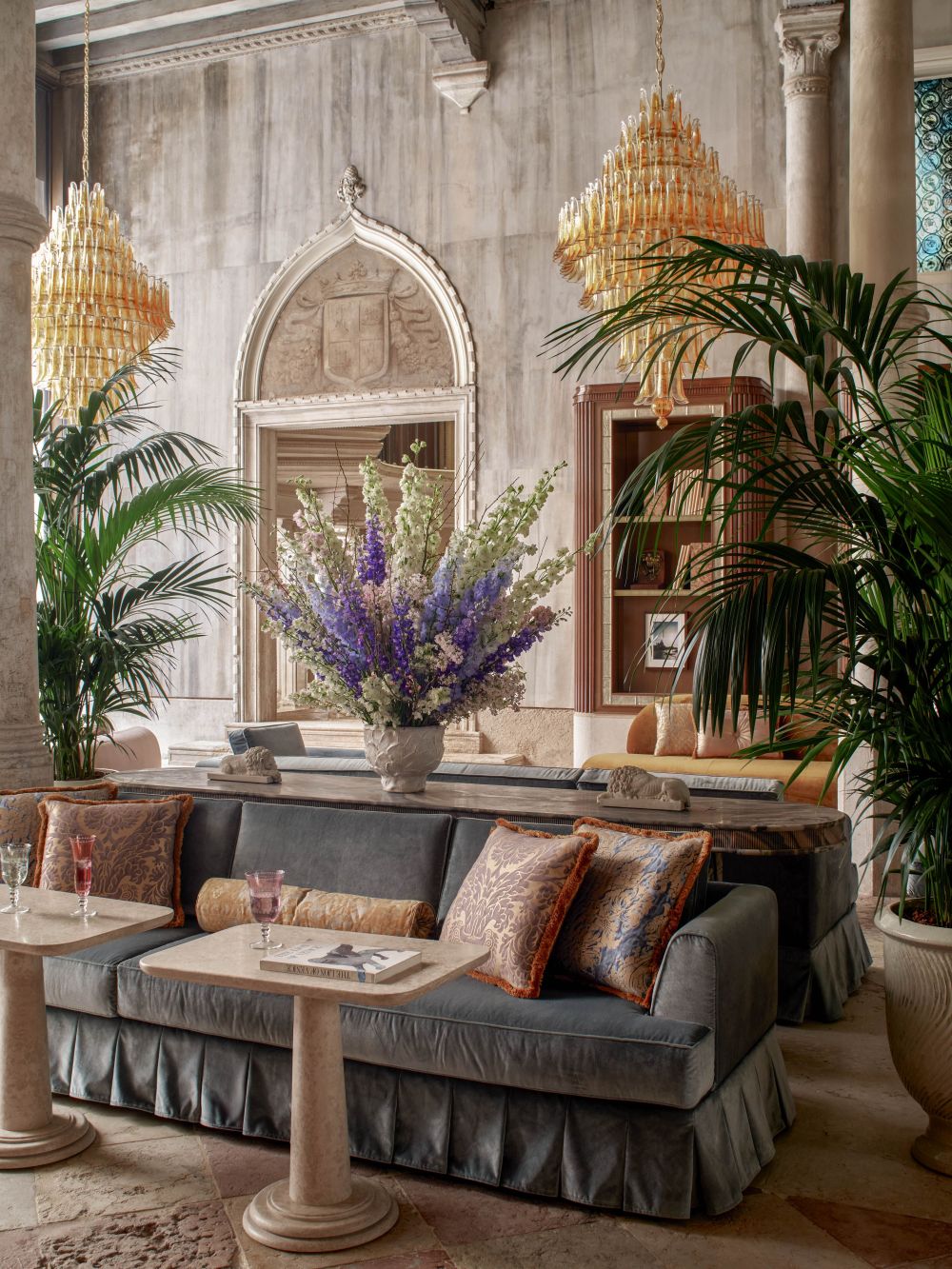
Dating to 1432, the edifice rises at the intersection of two canals, in the heart of the Cannaregio neighbourhood. Previous interventions include Meduna’s 19th-century octagonal staircase that sits at the heart of the palazzo, acting as a striking central feature that connects the different floors. Original frescoes still cover the walls and ceilings, their faded colours offering a glimpse into the building’s history, while Murano chandeliers hang throughout bringing a sense of Venetian grandeur to everyday life.
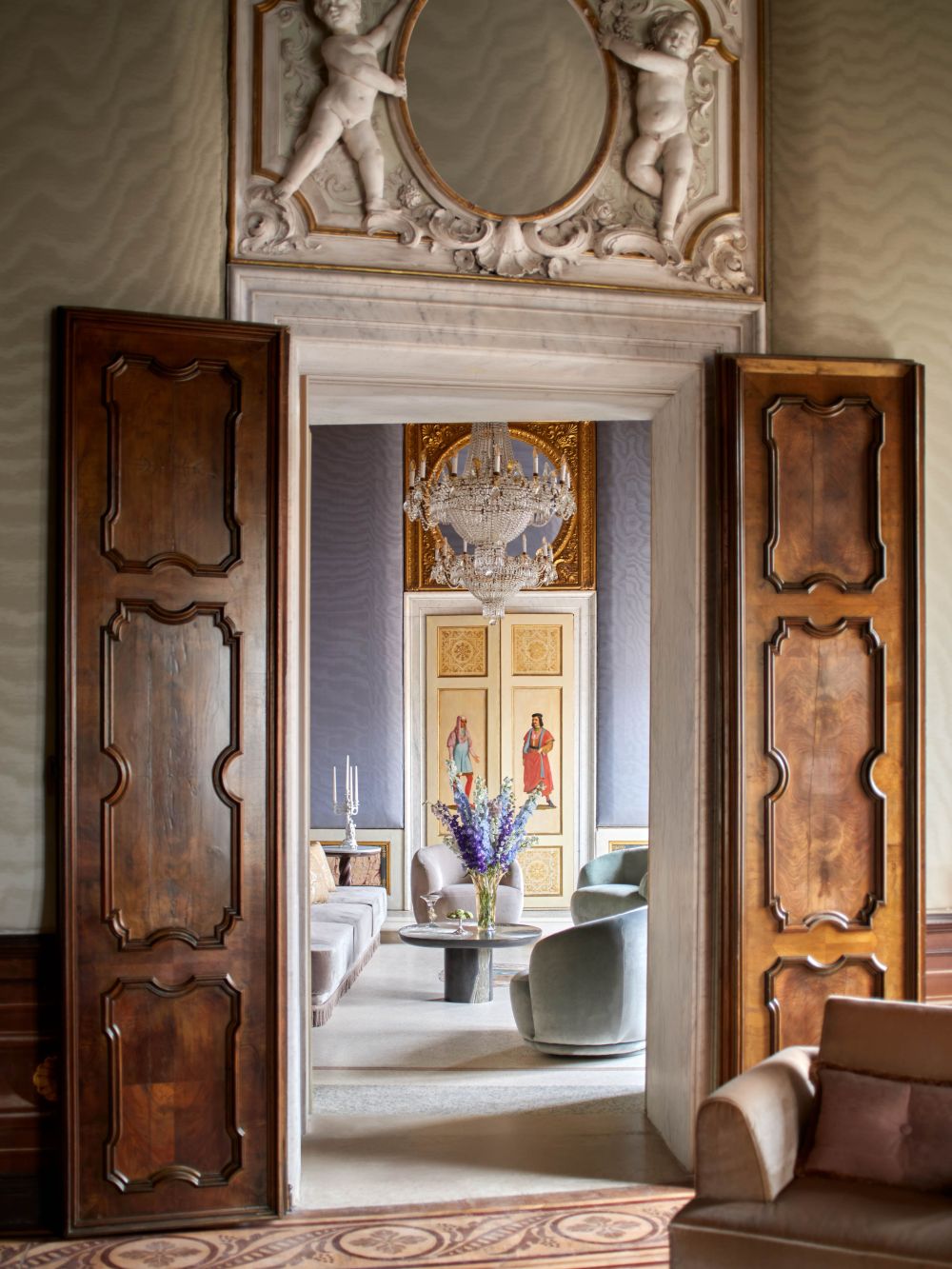
When it comes to the Orient Express Hotel Venezia, Asmar d’Amman’s cross-disciplinary approach combines architecture, art direction and scenography. She describes this project as “a life-changing experience… permeated with echoes of the past, and staged with timeless elegance and creative nowness.” Asmar d’Amman was also responsible for the mesmerising Dream of the Desert, Saudi Arabia’s first luxury train, travelling from Riyadh to heritage sites in the Middle East.Asmar d’Amman began observing the building closely at different hours of the day and in different lights. “I didn’t want to impose a new vision but instead rediscover the energy already present,” she notes. To that end, original frescoes and floors, some terrazzo, others mosaic, have all been returned to their former beauty. Paneling and gilding too have been revived, their patinas preserved. “We have left any imperfections that resulted from the passage of time,” explains Asmar d’Amman, whose past hospitality accolades include the Hôtel de Crillon and restaurant Le Jules Verne in Paris. “I worked to reveal the hidden beauty that can only be seen by spending time in a place.”
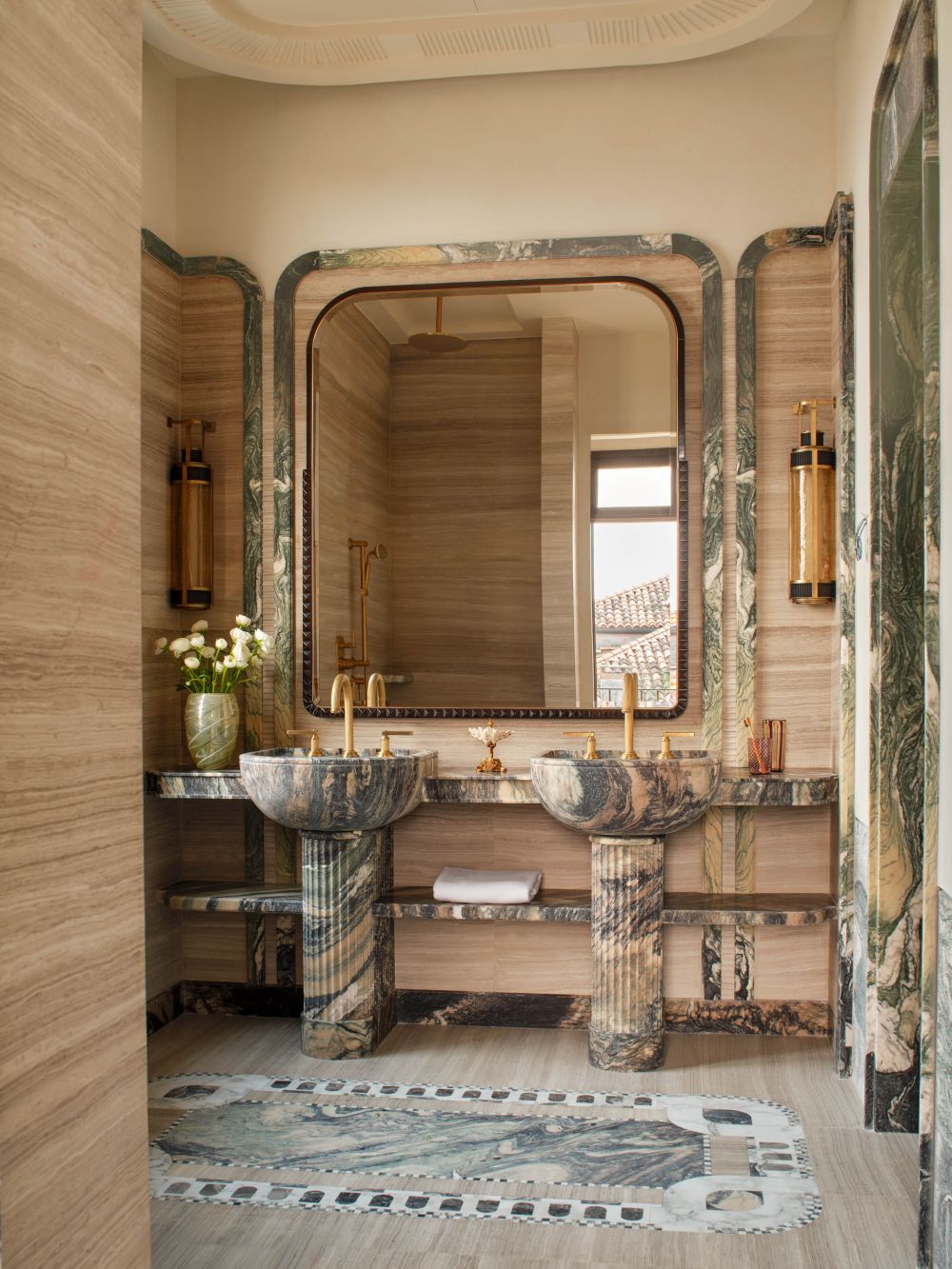
New materials and furnishings do not betray the palazzo’s centuries-old soul. Asmar d’Amman added richly figured marbles, plush velvets, bright silks, and burnished brass, a palette that evokes the golden age of rail travel. Antiqued mirror and Murano glass, meanwhile, catch sun bouncing off the canals. And furniture by master artisans creates sensory pathways between age-old craft and contemporary comfort. “Each room tells a story but without forcing a narrative,” she explains of the interiors, which include 47 guest rooms, six suites and two apartment-style units.
Visitors can arrive by boat to the hotel, entering through the Gothic-arched portal on the water. From there, the grand lobby beckons them inside with tall columns, billowing curtains and exuberant light fixtures. Upstairs, the piano nobile’s historic reception rooms reward further exploration, from the lapis lazuli accents of the Hall of Culture to the extravagant moulding of the Salone Vittoria, site of Duchess of Urbino Vittoria Farnese’s 1548 wedding. Room to room, the spirit of the past lives on. “I wanted the palazzo to speak, for guests to hear its stories and become part of them,” says Asmar d’Amman. “I imagined this as a place of transition. Travel is not just about moving through space but also our individual journeys. You enter here with one story and you leave with another.”
- 转载自:AD(admiddleeast)
- 图片@AD(admiddleeast)
- 国家:美国
- 编辑:序赞网
- 翻译:序赞网
- 阅读原文
|
|