马贝拉的家 | Antonio Montilla | 2026 | 西班牙
What began as a dated and disconnected Marbella home became a warm Mediterranean sanctuary after Antonio Montilla restored its defining arches and strengthened its relationship with the outdoors
What does Mediterranean architecture get right that modern homes often forget? Mediterranean architecture has never needed to convince anyone of its merits; it has simply got on with the job for several thousand years while the rest of us caught up. Thick walls keep out the heat, shaded terraces encourage life to spill outdoors, and arched openings frame both the view and the breeze. Long before wellbeing and indoor-outdoor living became words on a mood board, Mediterranean homes were already practising them.
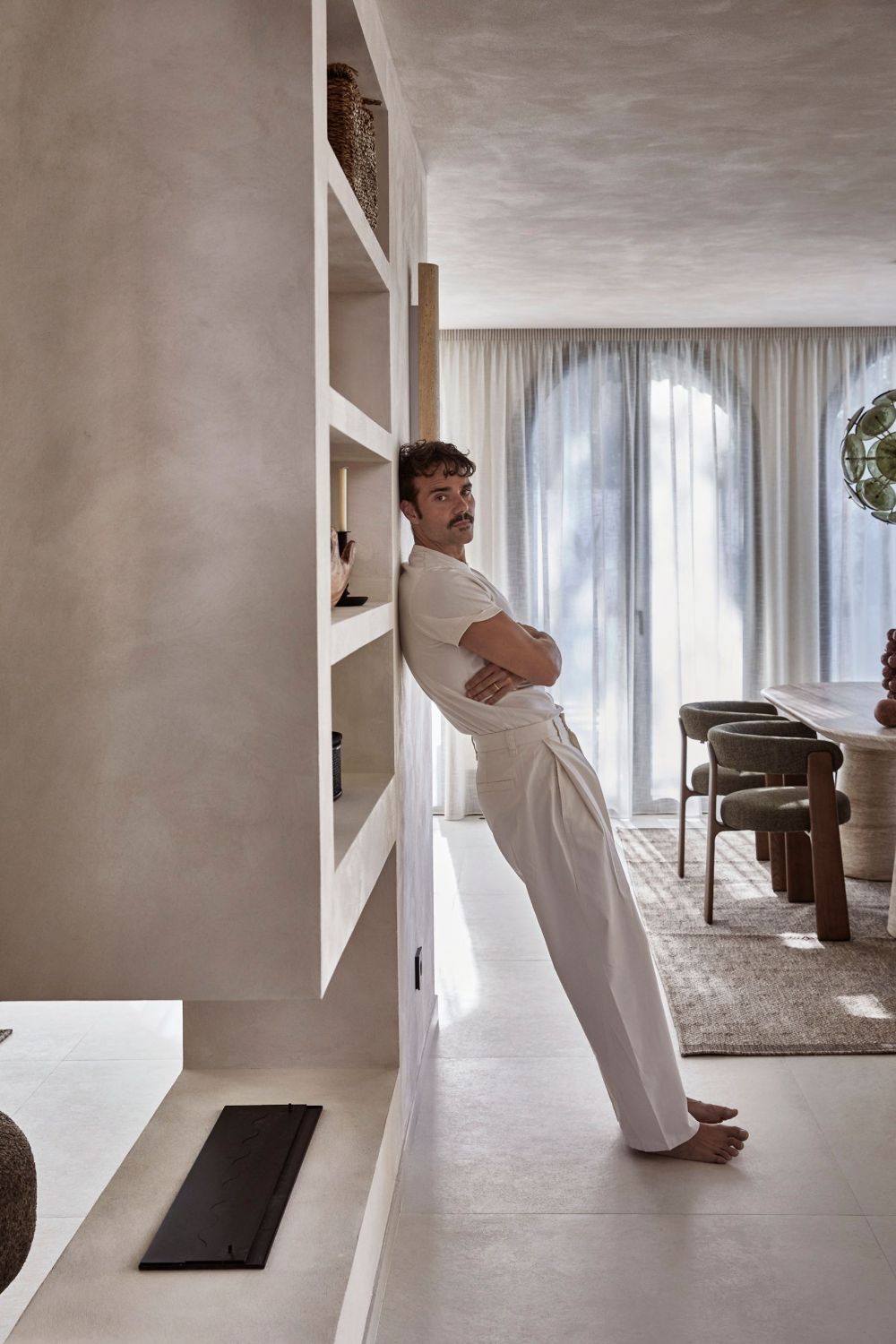
For Antonio Montilla, founder of Montilla Interior Design, those principles became the foundation for Casa Marbs, a comprehensive renovation of a neglected villa in Marbella. The project transformed a dark and compartmentalised property into a calm, contemporary home while preserving the architectural character that first drew him to it.
The clients, a Belgian couple with three young children, were living nearby in a larger house spread across multiple levels. While generous in size, it no longer suited the way they wanted to live. “They wanted a family home that felt more connected,” Montilla explains. “A place where daily life could happen on one level, with better access to outdoor spaces and a stronger relationship between family members.”
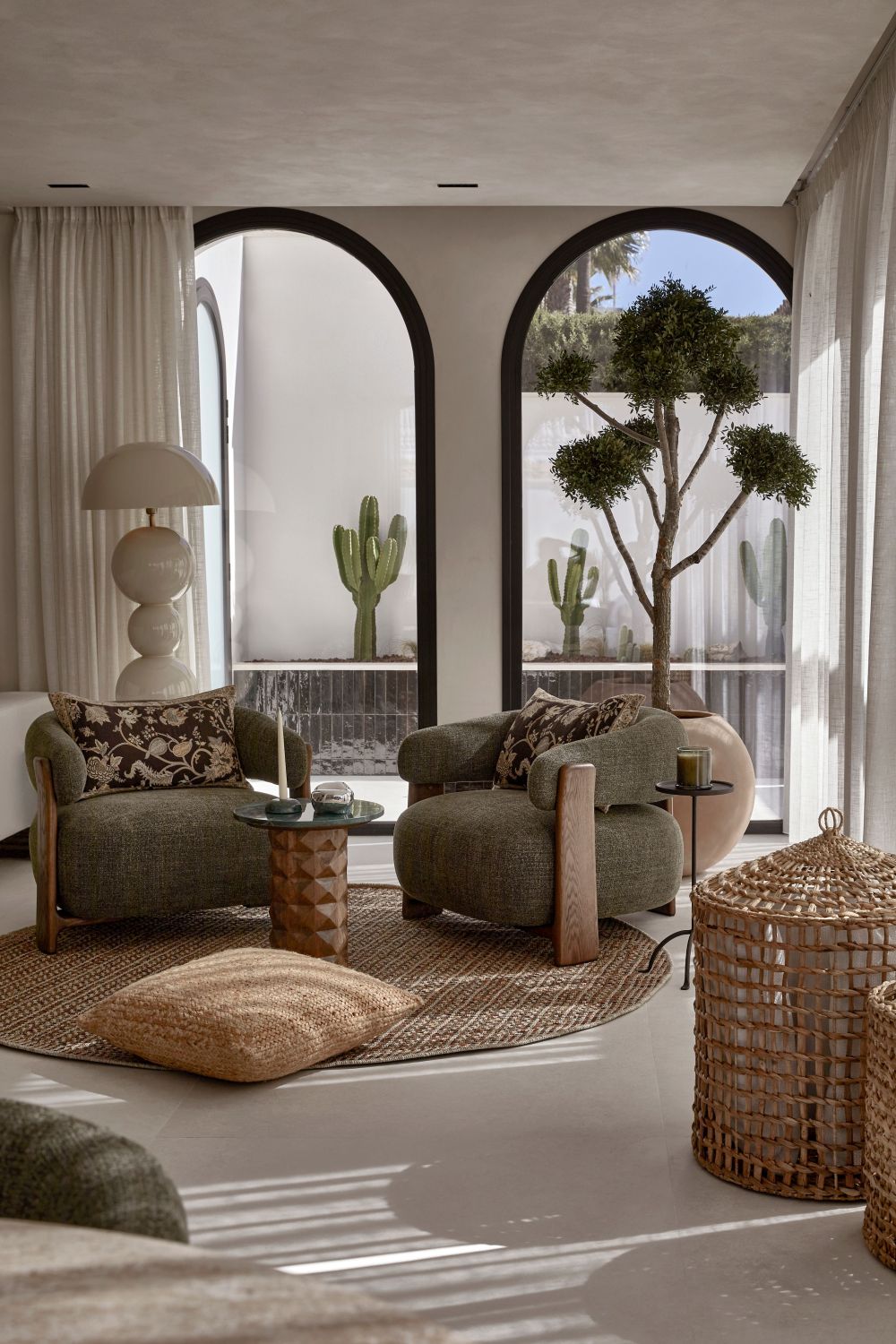
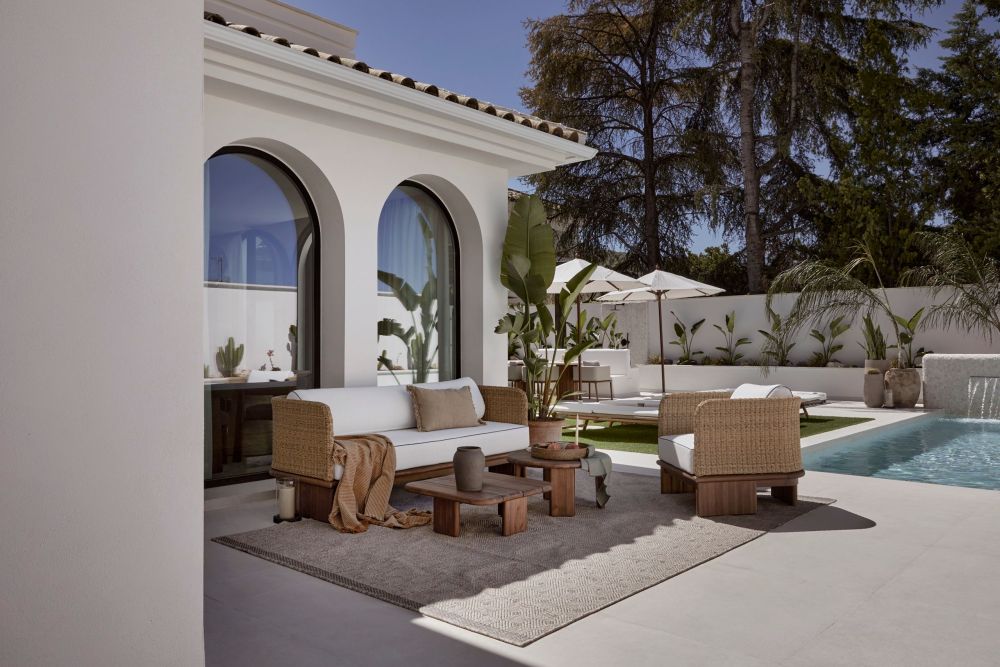
When he first visited the property, it was clear that significant intervention would be required. Years of piecemeal renovations had left the house disconnected from itself, with dark interiors, awkward circulation and little relationship to the surrounding landscape. Yet amid those shortcomings, Montilla immediately recognised something worth preserving. “What captivated me from the beginning were the arches,” he says. “They were one of the defining features of the home and represented an authentic expression of Mediterranean architecture.”
That appreciation was not universally shared. In fact, one of the earliest discussions centred on whether the arches should remain at all. “Initially, the clients wanted to remove them entirely,” Montilla recalls. “But I convinced them to keep them. In the end, they became one of the strongest features of the project.”
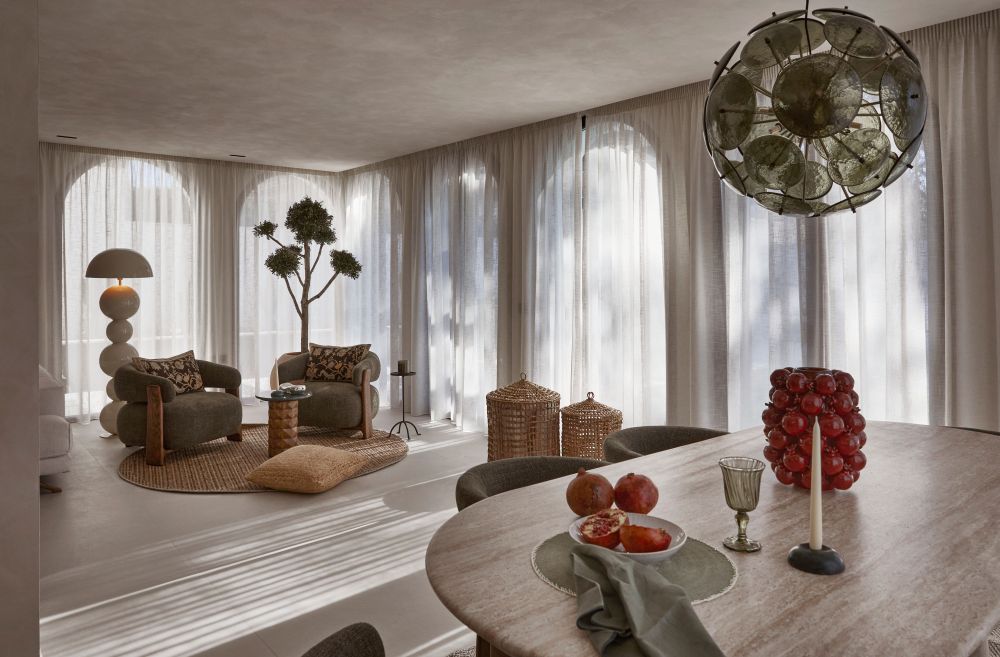
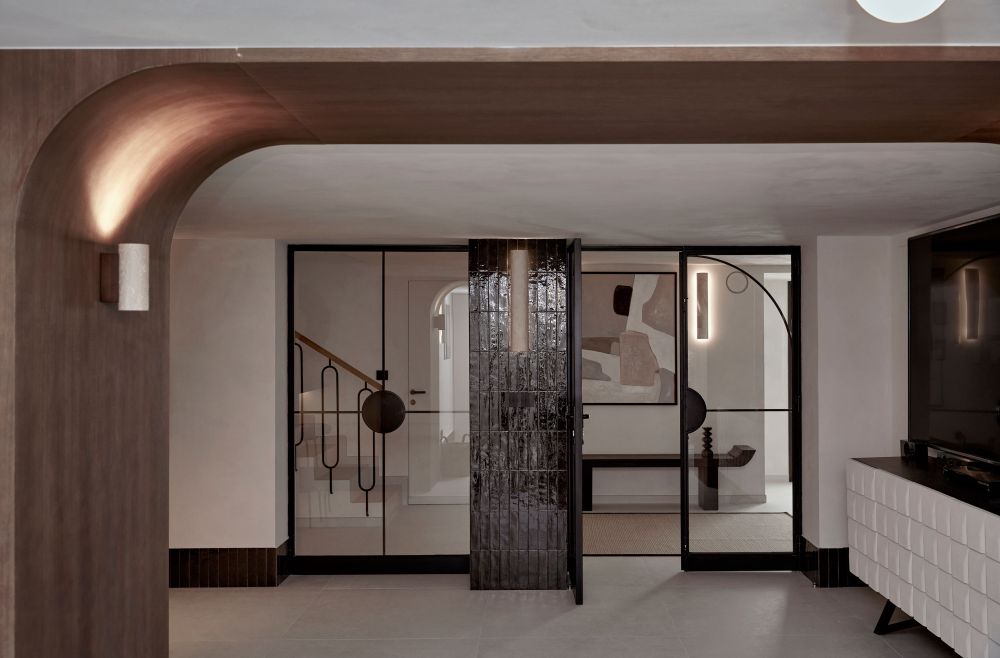
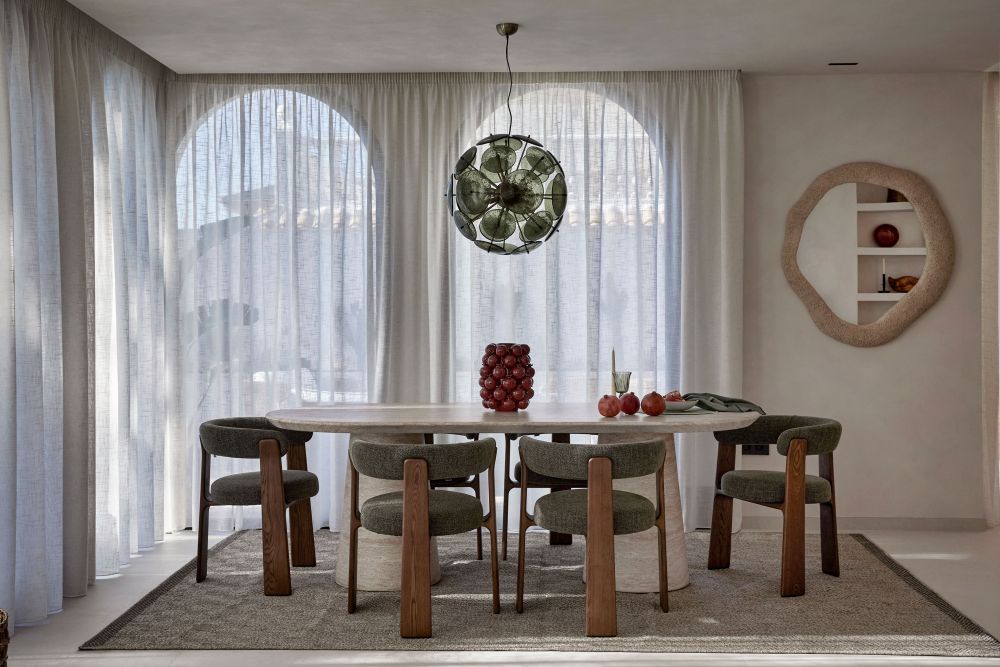
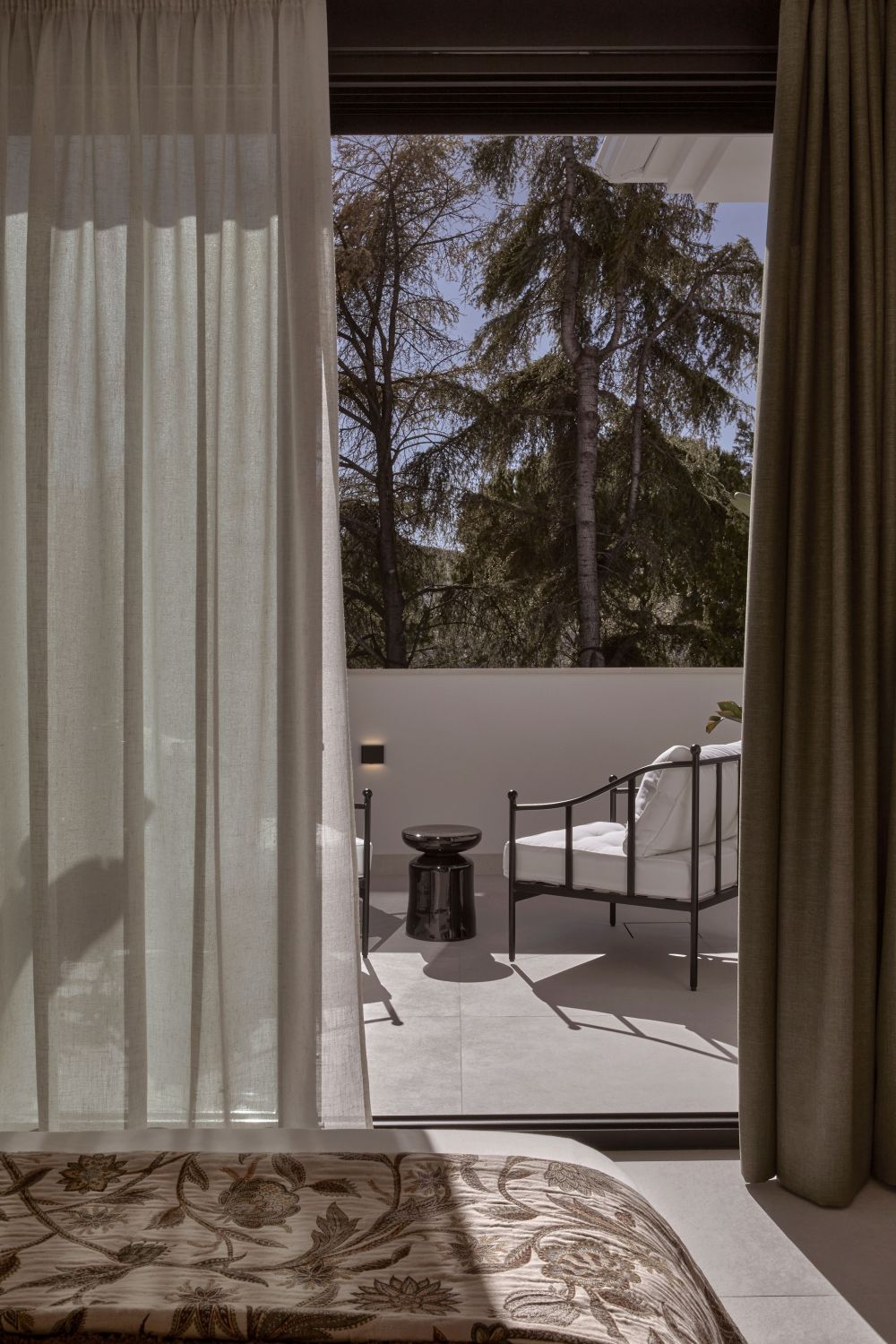
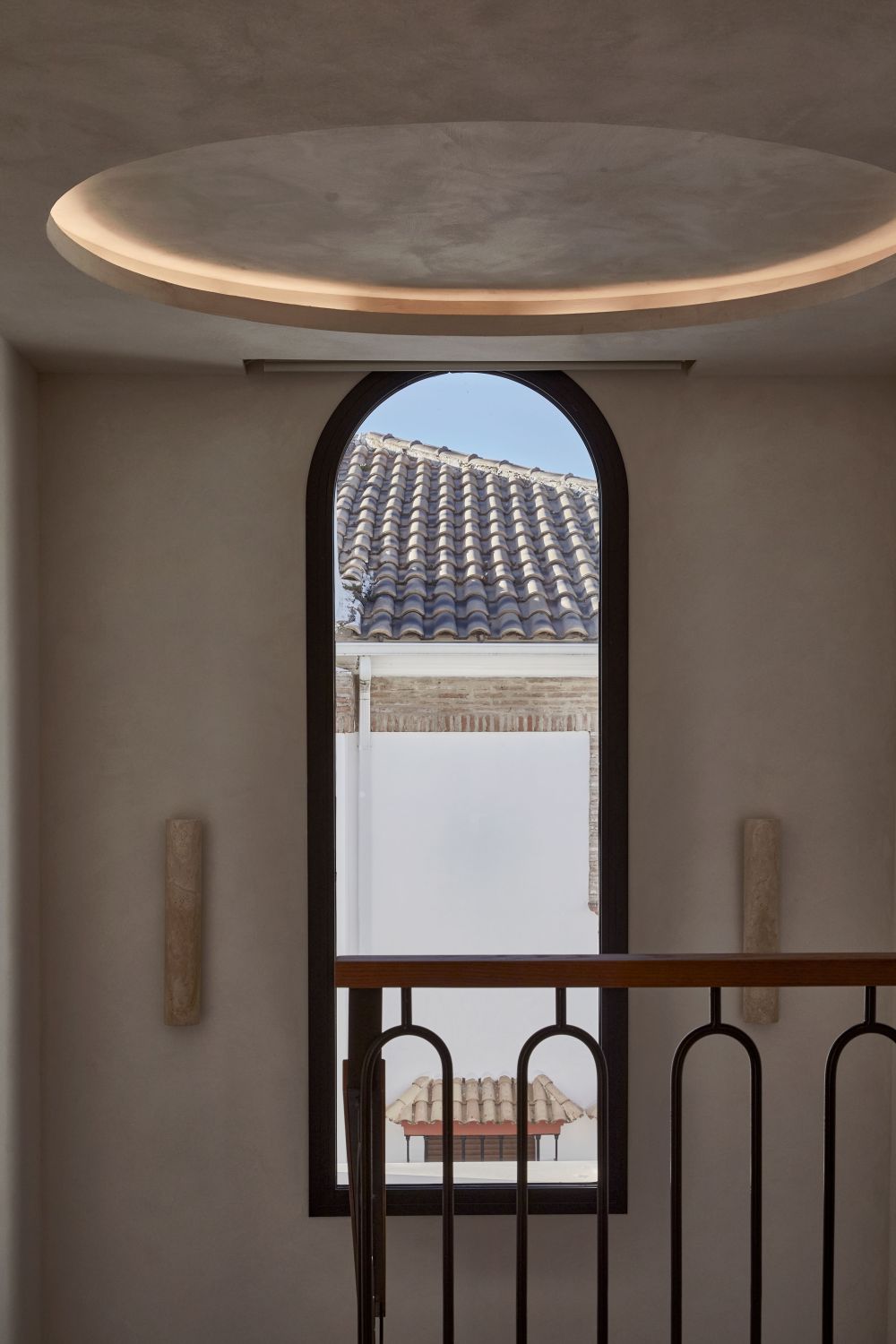
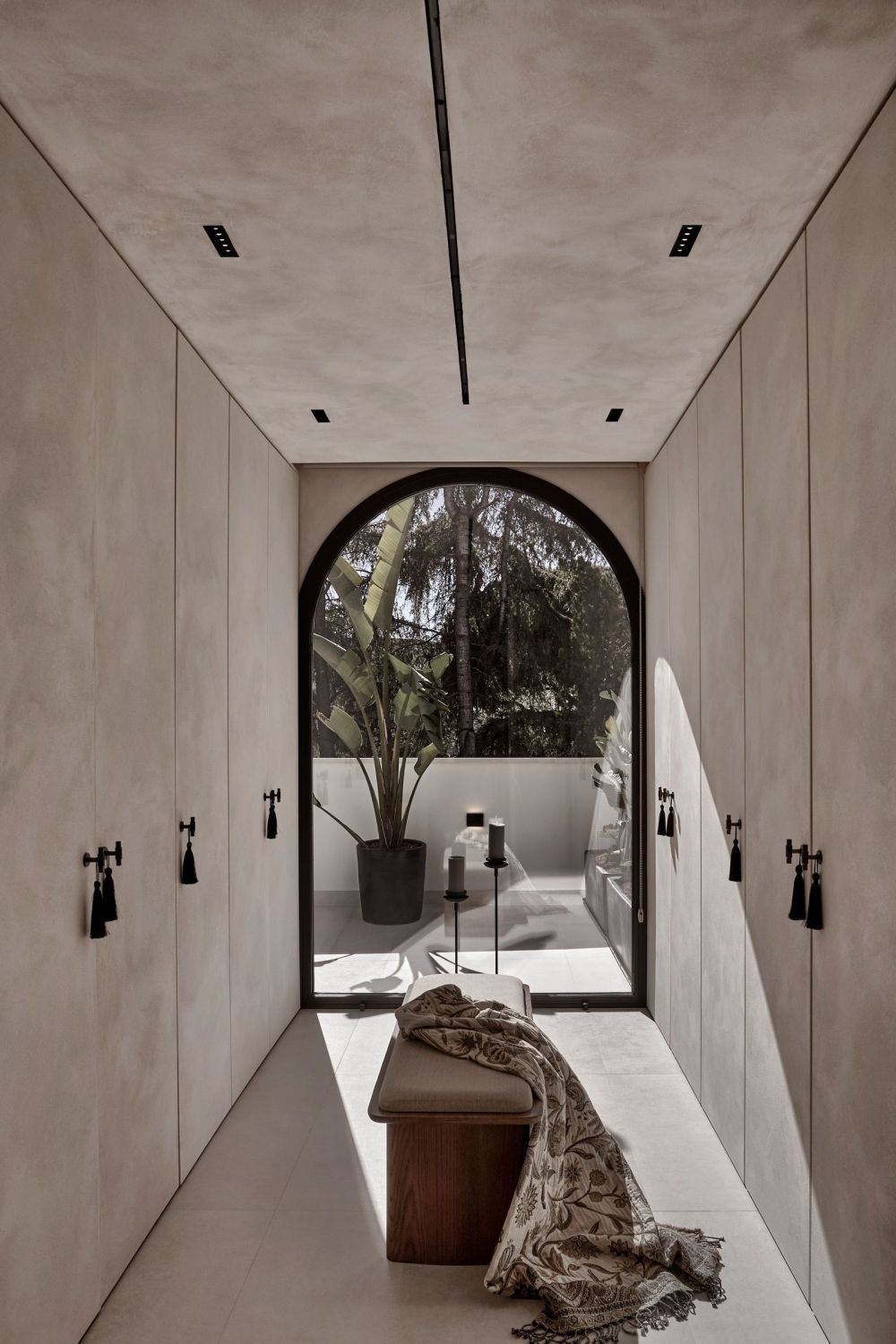
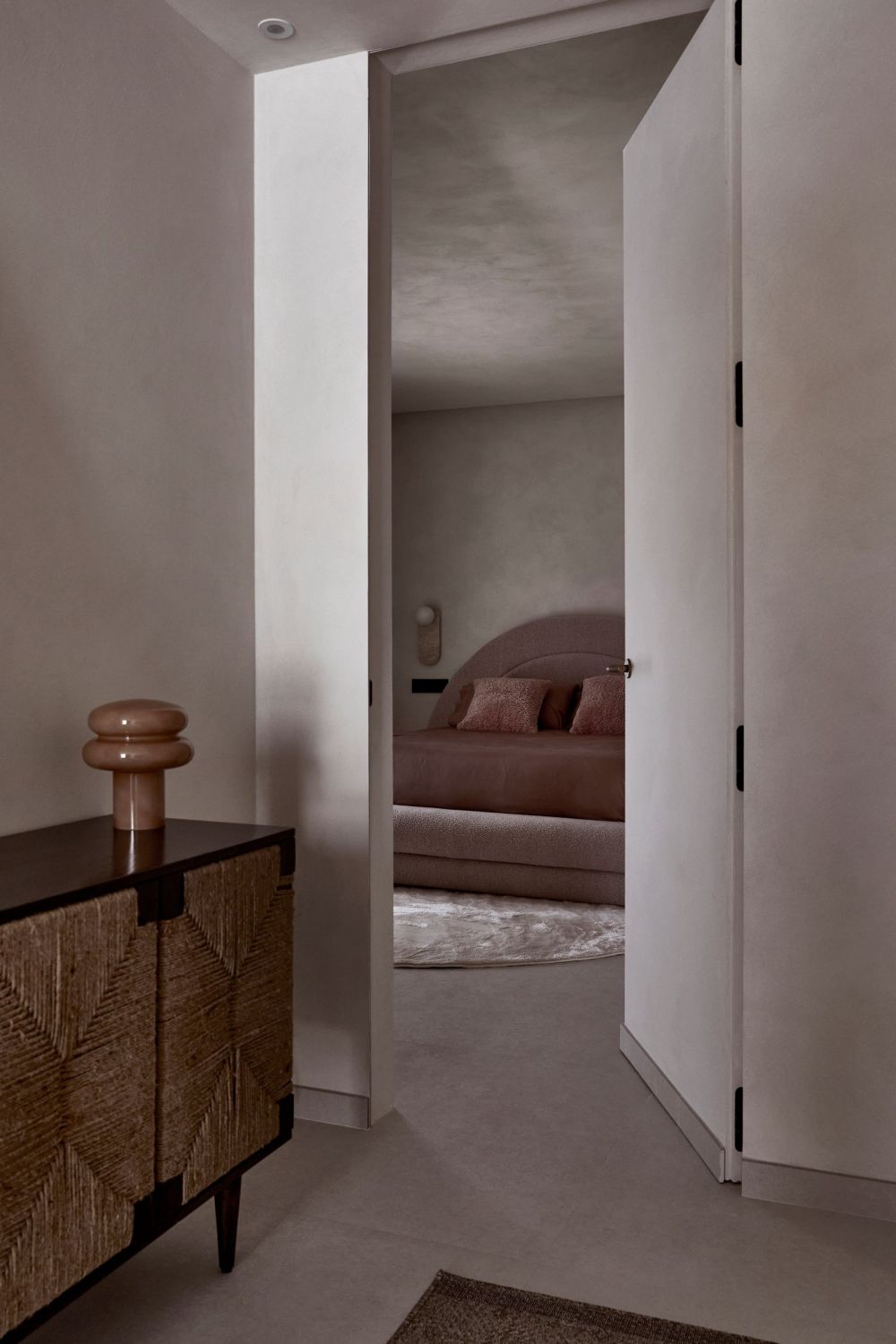
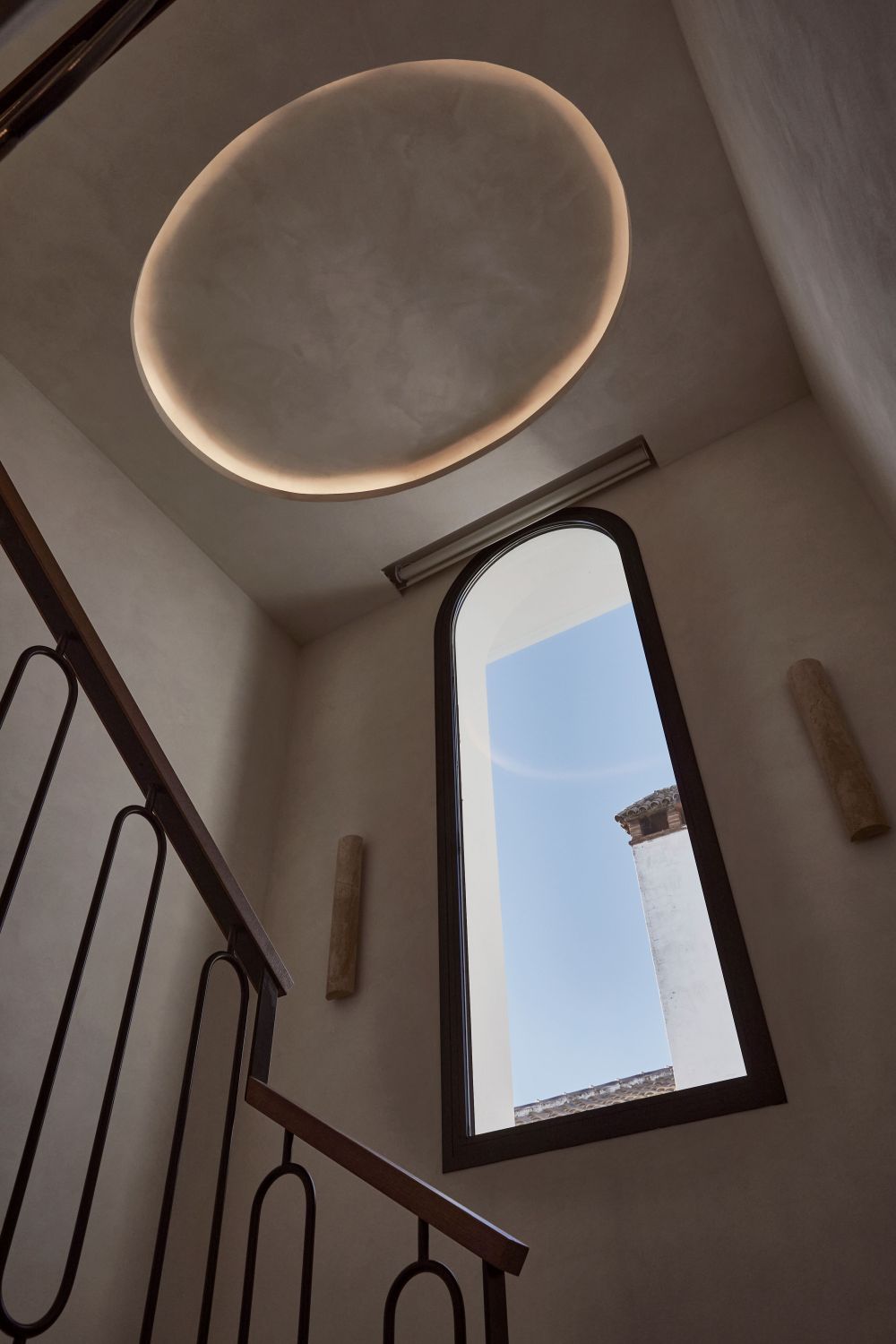
Rather than treating the arches as decorative remnants of the past, Montilla used them as the project's organising principle. Existing openings were restored and celebrated, while new interventions echoed their geometry throughout the house. A custom-designed entrance door adopts the same curved language, while the primary suite incorporates arched openings that subtly reinforce continuity between old and new. “The arches became a recurring motif,” he explains. “They helped establish a visual rhythm throughout the house and gave us a framework for introducing contemporary elements without losing the home's identity.”
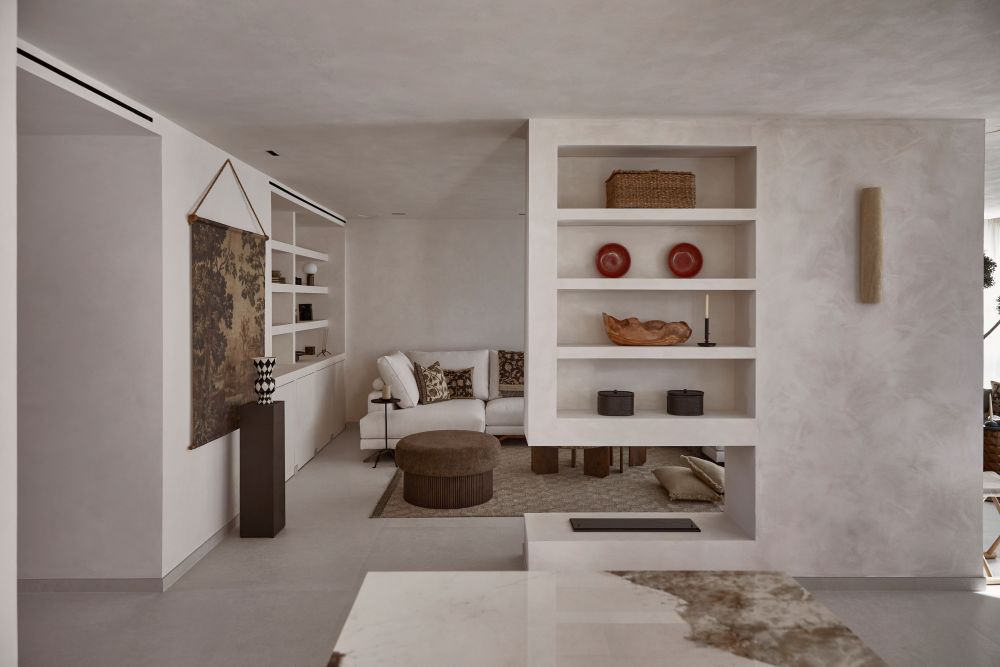
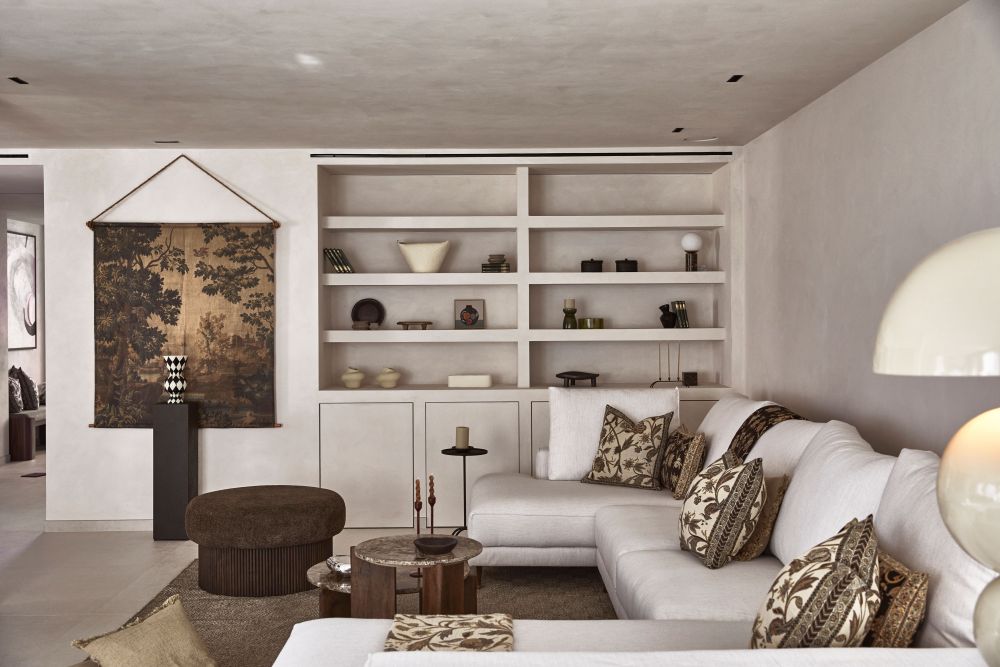
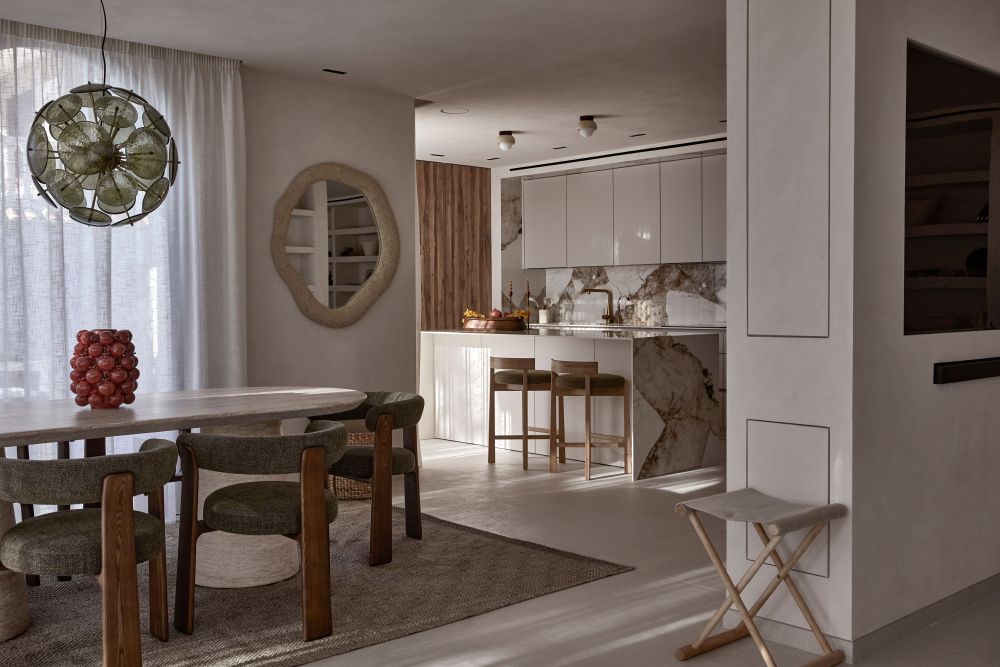
The Marbella home renovation also fundamentally rethought how the villa functions. Walls were removed, sightlines extended and previously disconnected spaces brought together through what Montilla describes as a “broken-plan” arrangement. Rather than embracing a fully open-plan layout, rooms retain their individual character while remaining visually connected. The result is a home that feels both expansive and intimate, capable of accommodating family life while preserving moments of retreat.
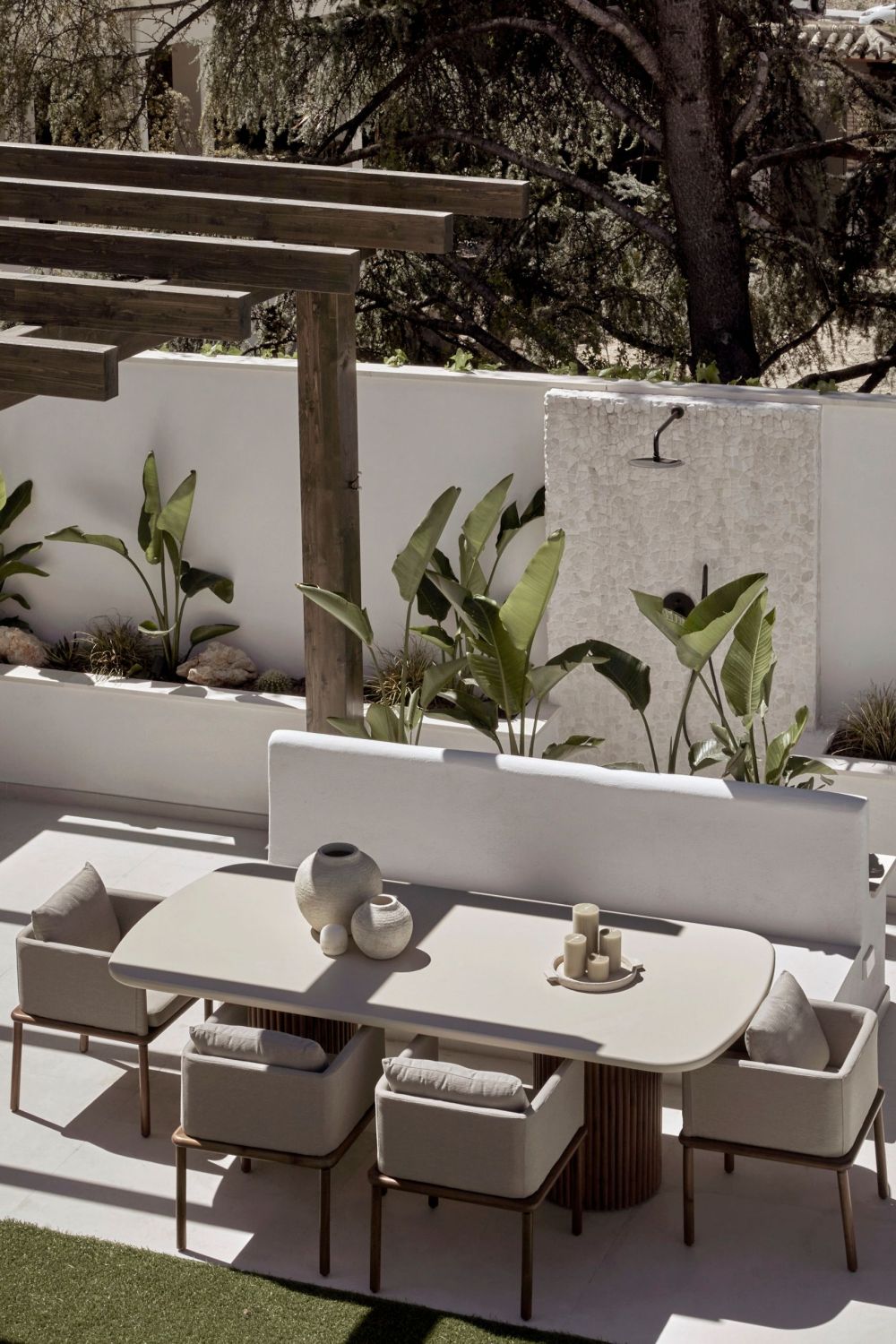
Central to this transformation was a stronger relationship with the outdoors. Living spaces now open directly onto terraces and gardens, encouraging movement between inside and out throughout the day. The former garage was repurposed to house a gym, cinema room, wine cellar and wellness facilities, while the exterior was redesigned around entertaining, relaxation and gatherings. What had once been a conventional villa became a home shaped by the climate and rhythms of southern Spain. Light also became a defining design tool, with the sequence of arches casting shifting shadows across walls, floors and ceilings throughout the day, continually altering the atmosphere of the interiors.
“Traditional Mediterranean architecture isn't just beautiful,” says Montilla. “It's incredibly purposeful. It responds to climate, encourages connection to nature, and creates spaces that feel timeless. We wanted to preserve those qualities while adapting the house for contemporary family life.”
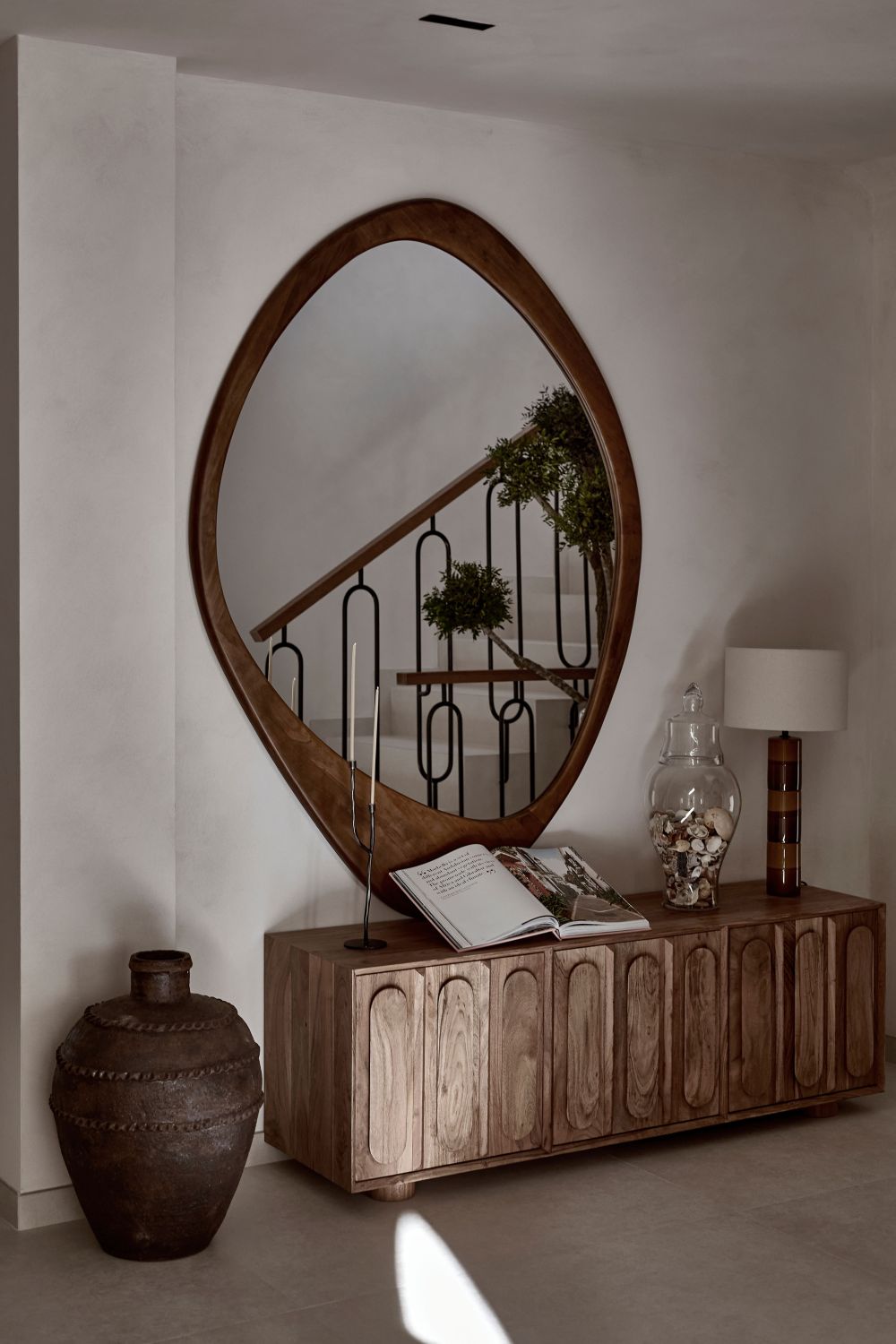
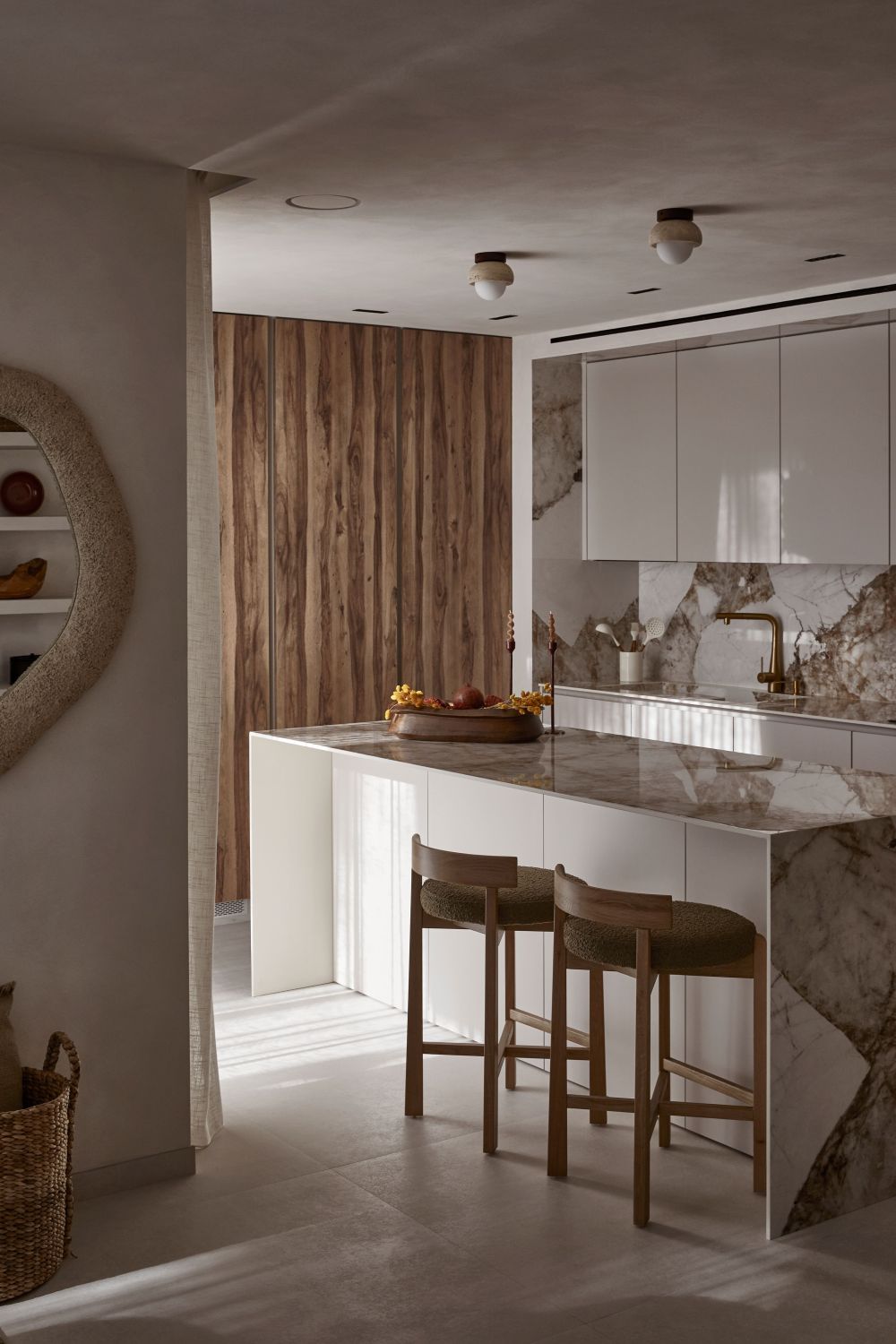
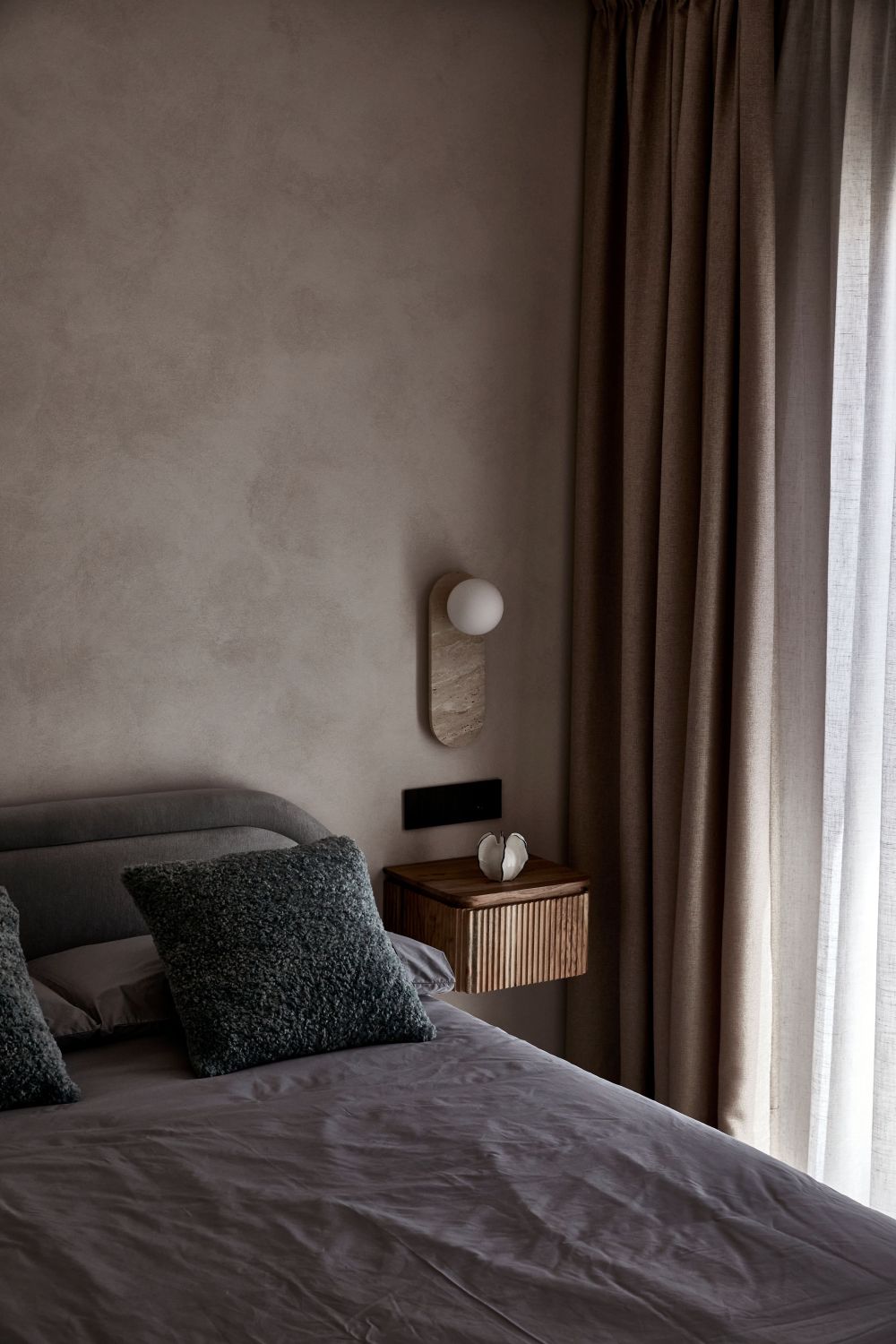
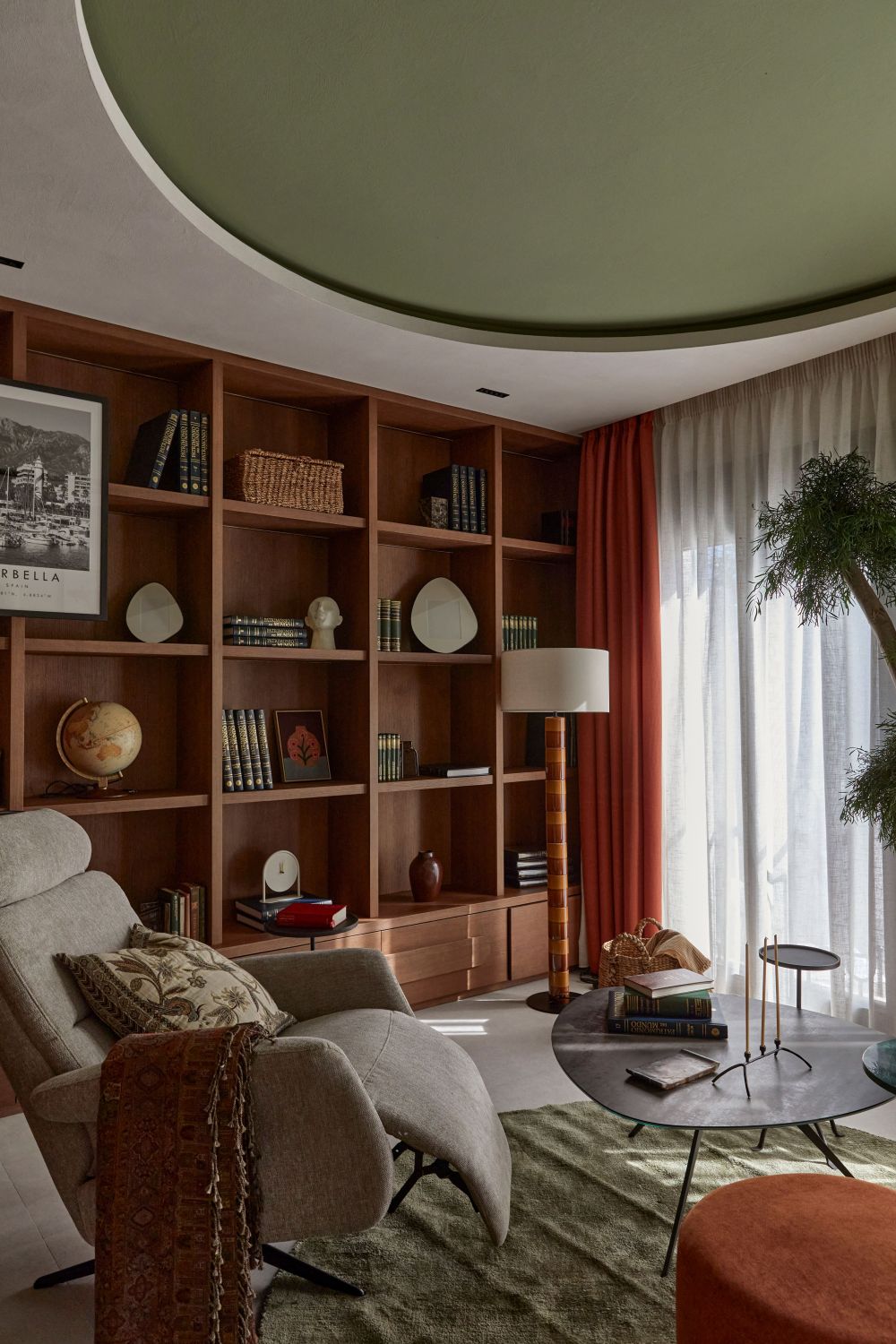
Materiality reinforces that balance between heritage and modernity. Throughout the house, walls and ceilings are finished in Ecoclay, lending a softness and depth that changes subtly with the shifting light. Walnut joinery introduces warmth and texture, while stone surfaces ground the interiors with a sense of permanence. The palette remains intentionally restrained, allowing texture to take precedence over colour.
Brown pebble terrazzo appears in bathrooms, black glazed tiles provide moments of contrast, and natural stone establishes a quiet continuity from room to room. There is also a subtle British sensibility at work beneath the Mediterranean shell, visible in the tailored joinery, restrained palette and layered furnishings that lend the interiors a sense of quiet refinement.
- 转载自:AD(admiddleeast)
- 图片@AD(admiddleeast)
- 国家:美国
- 编辑:序赞网
- 翻译:序赞网
- 阅读原文
|
|