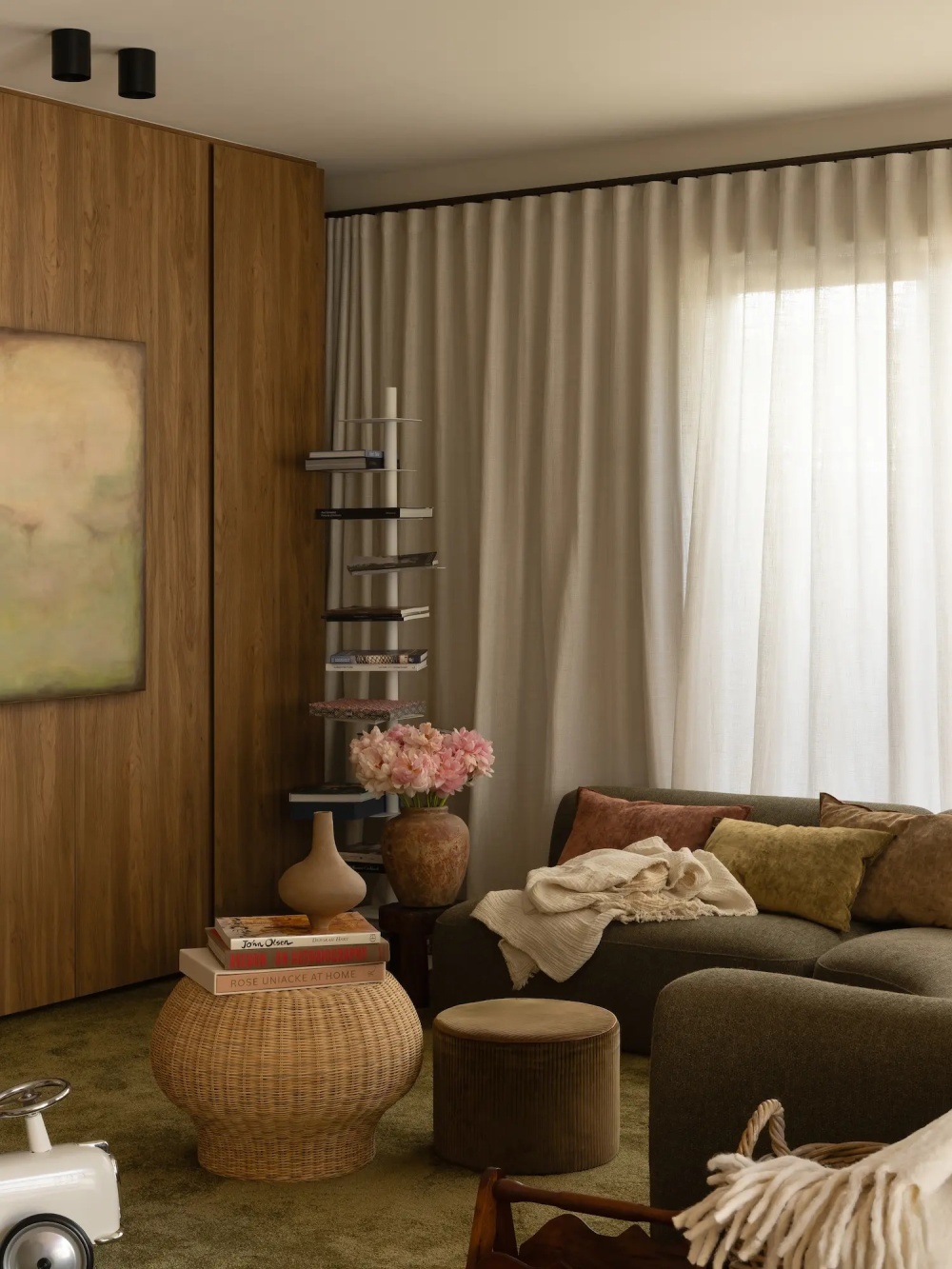
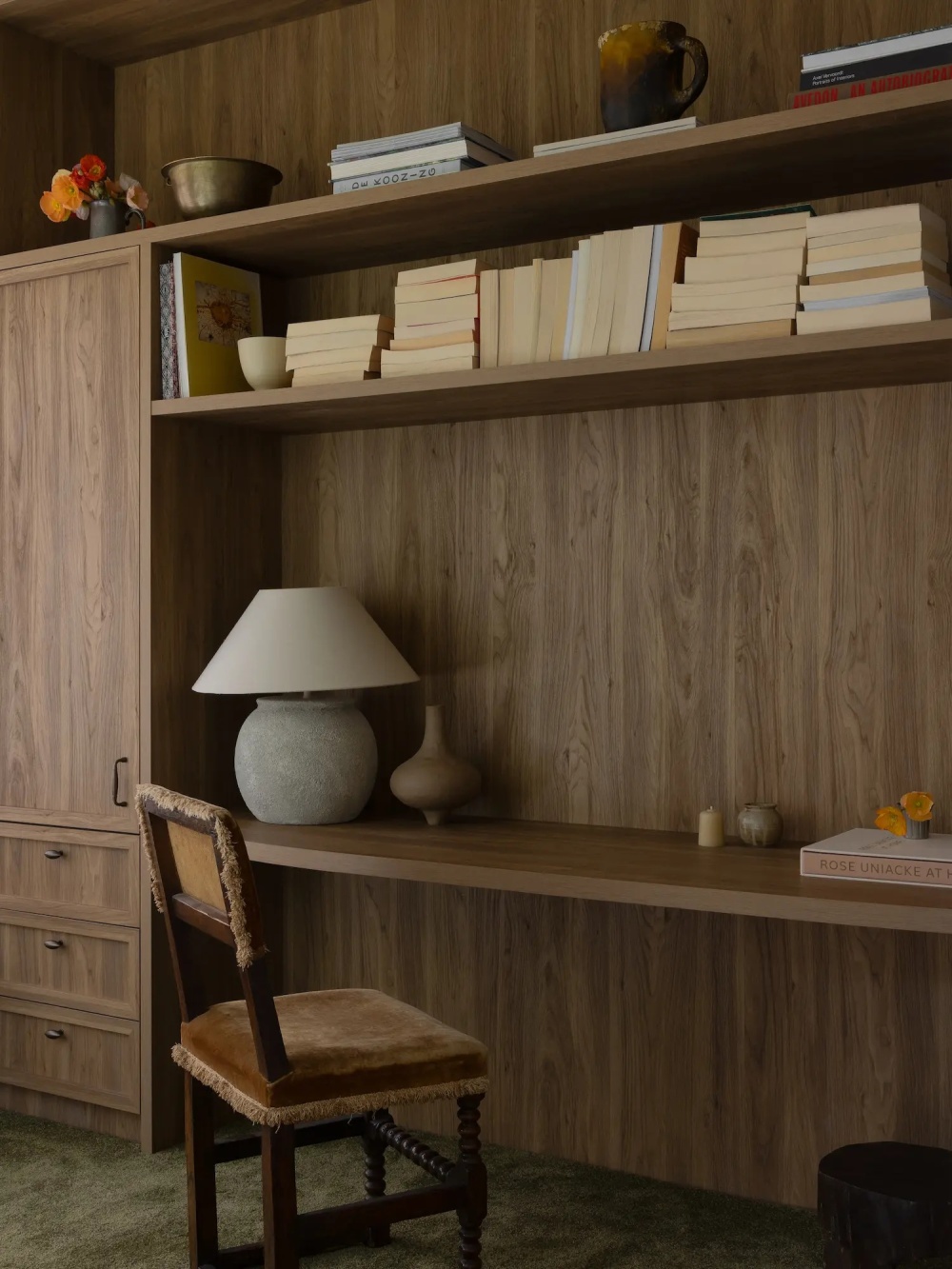
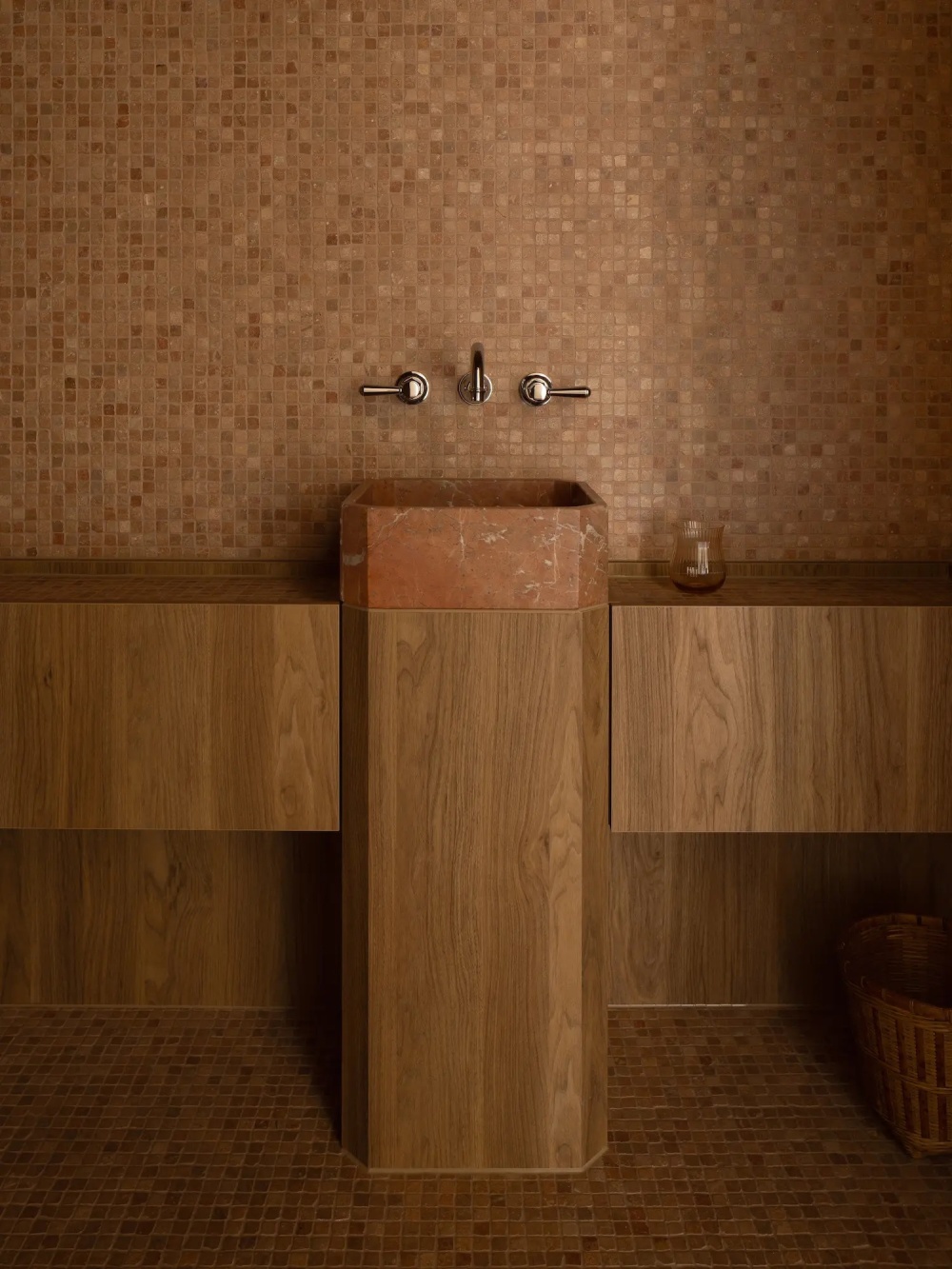
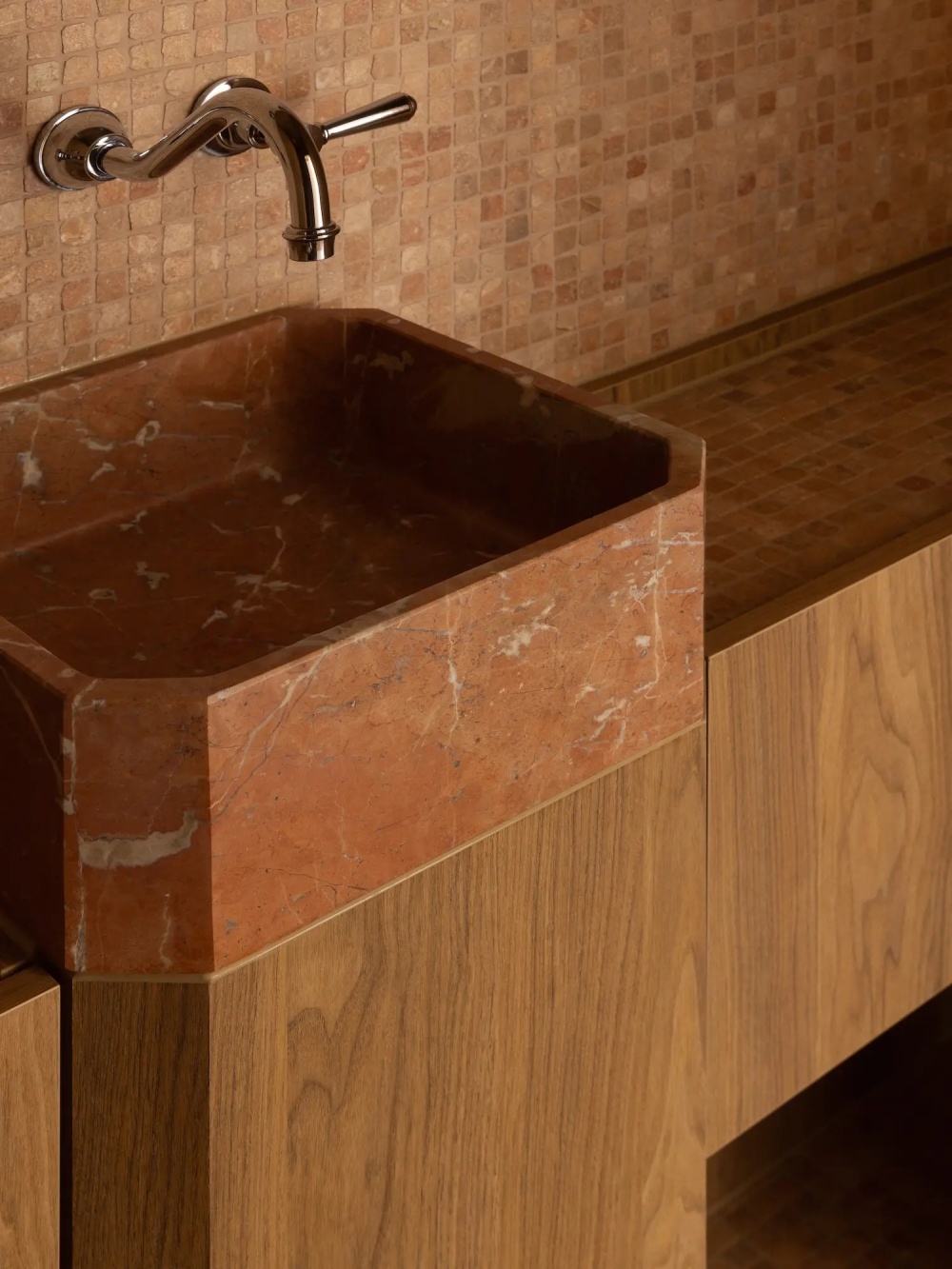
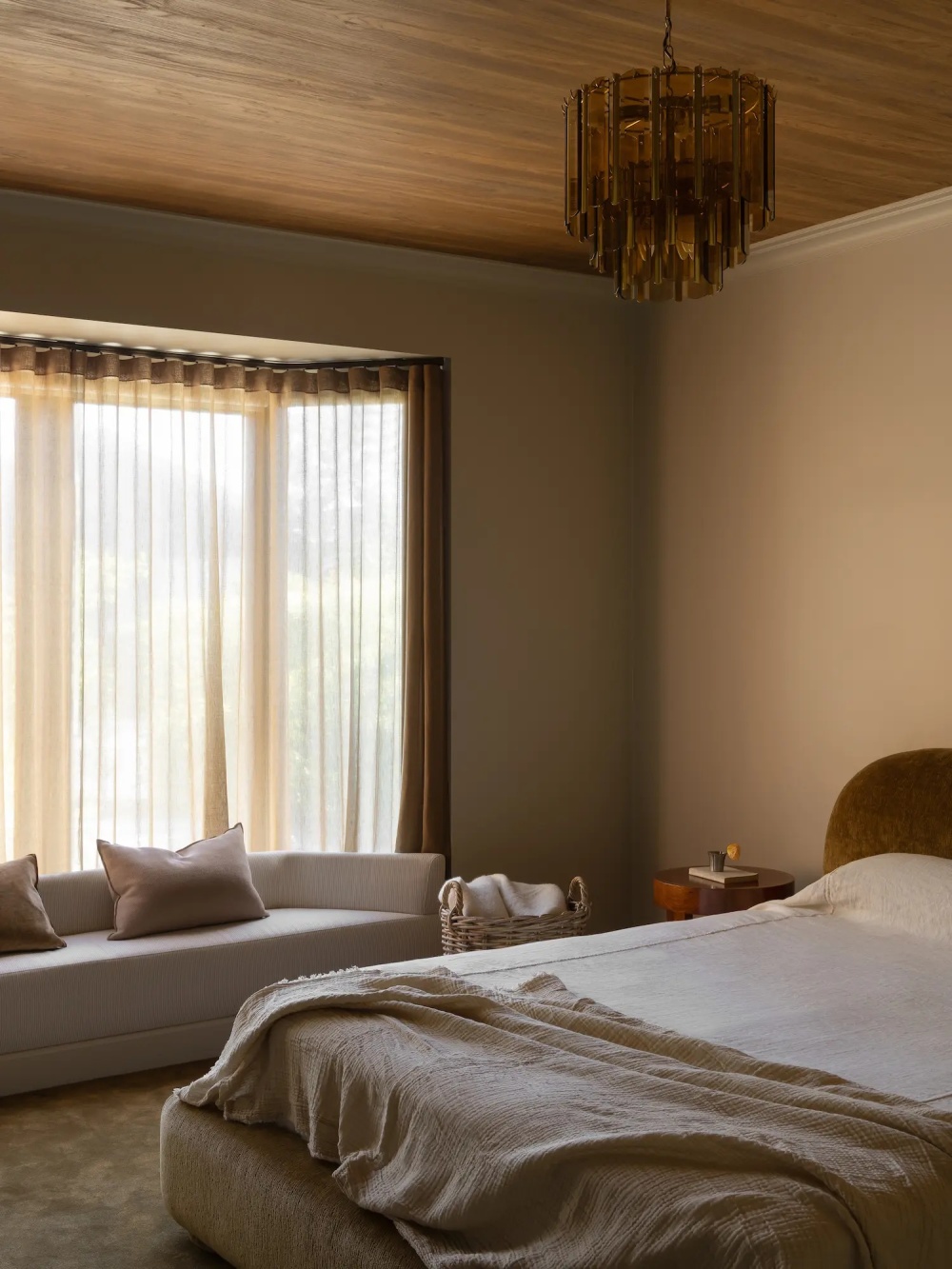
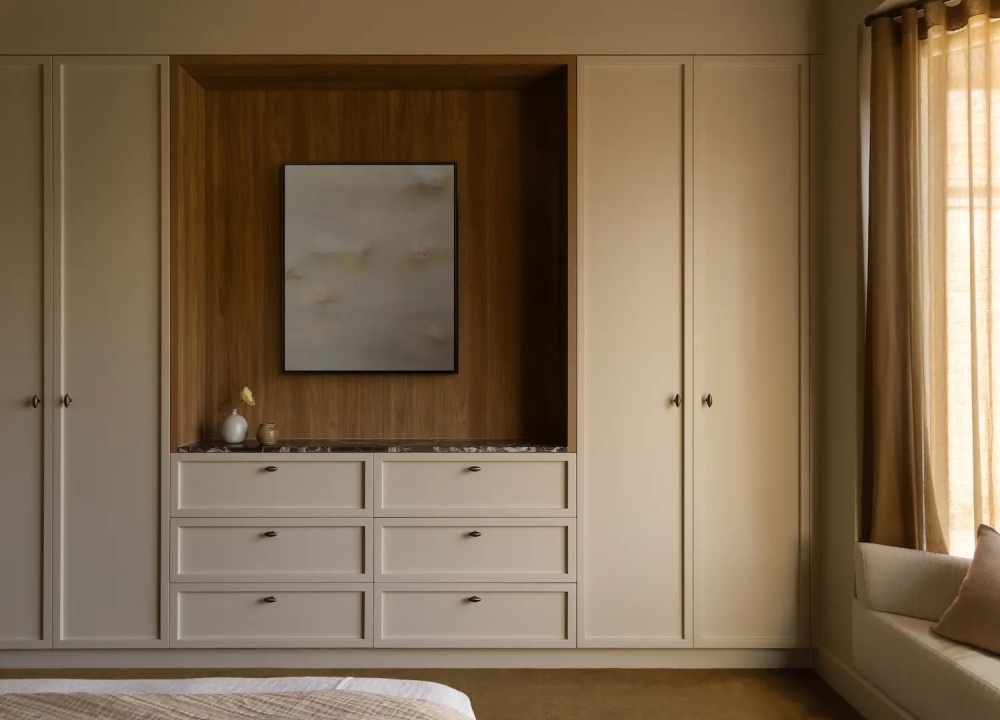
A late-1980s Melbourne home is reworked for a new generation, where a transformative gesture of light lets the architecture and interiors speak as one.
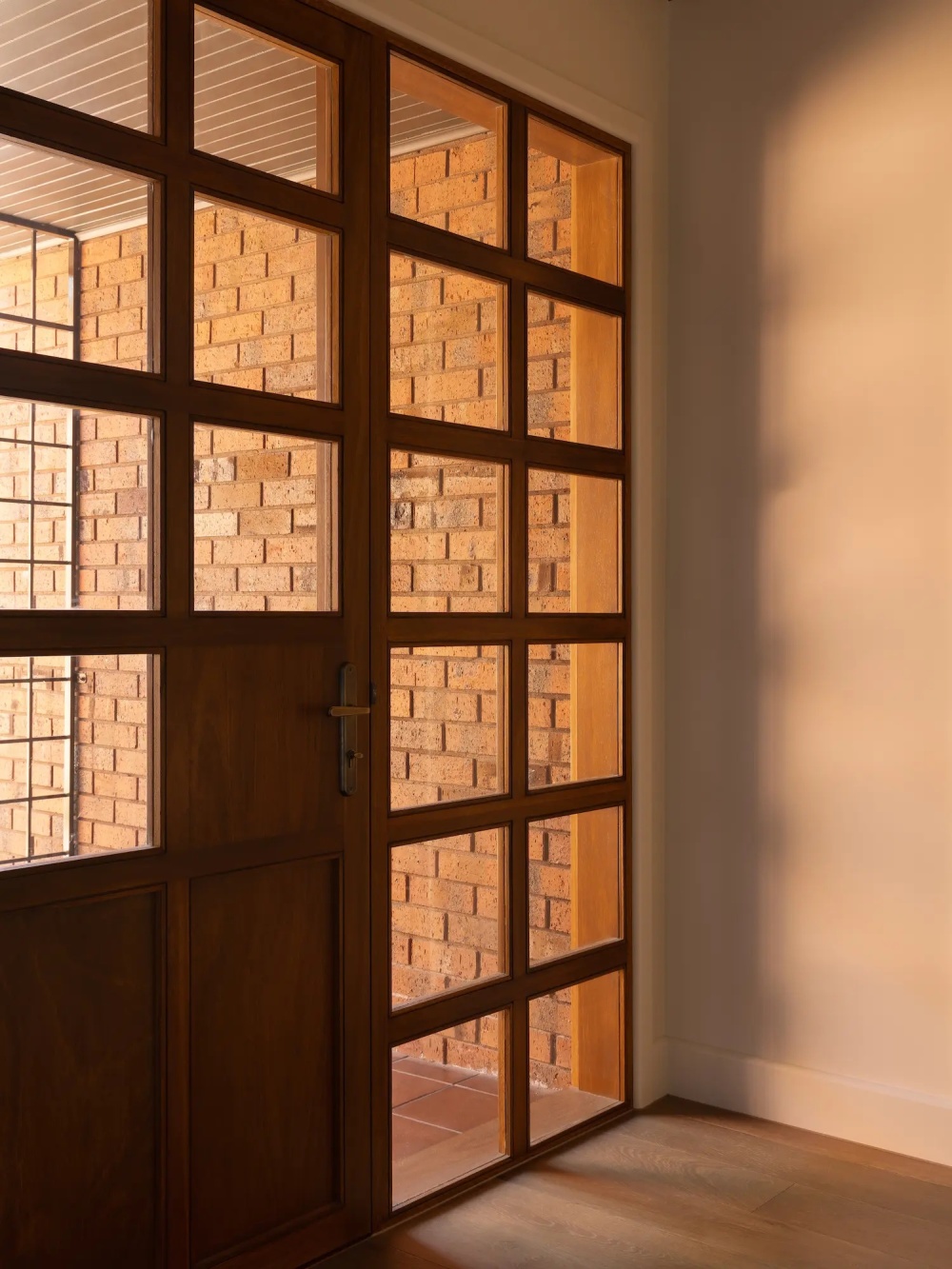
Surreptitiously weaving into the existing fabric, it’s hard to identify what’s old and new at Halstead House, a renovation project by Ashleigh Gertis Studio. Located in Melbourne’s inner city, the original home was built in the late 1980s by the current owners’ grandparents. As such, it came packaged up with good bones and a family history worth keeping. The brief, then, was naturally about unwrapping and reorganising what the home could be for the next chapter of its life.
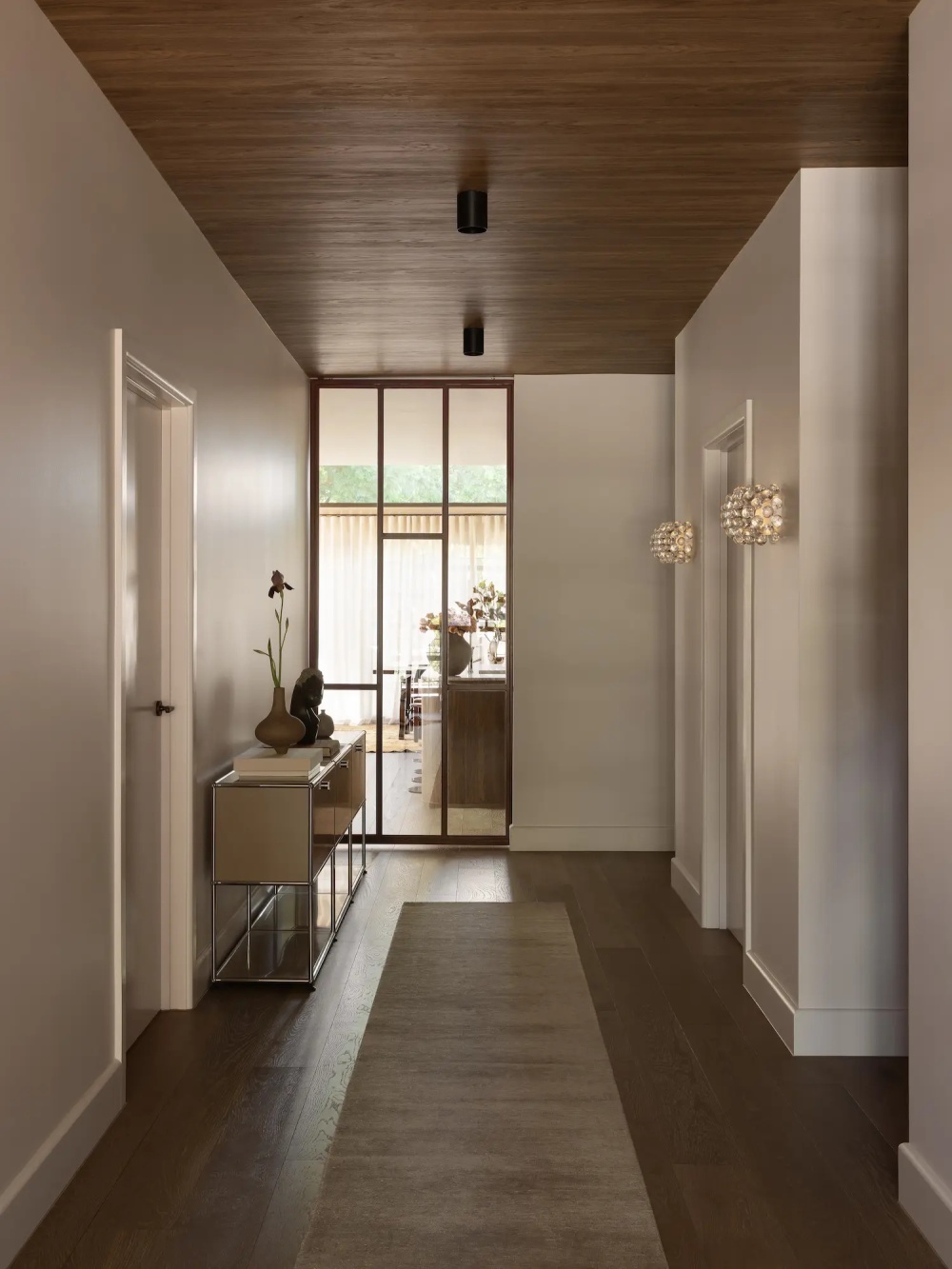
For the young family who live here—design-minded, sociable, raising small children—the original layout had stopped working. The rear of the home was a series of fragmented rooms, awkward in their angles and closed off from the garden. Gertis, whose background is in architecture, approached the project with one clear objective. “For me, the most successful interiors are the ones where you can no longer see where the architecture ends and the interior design begins. I think that’s what gives Halstead House its sense of ease,” she says.
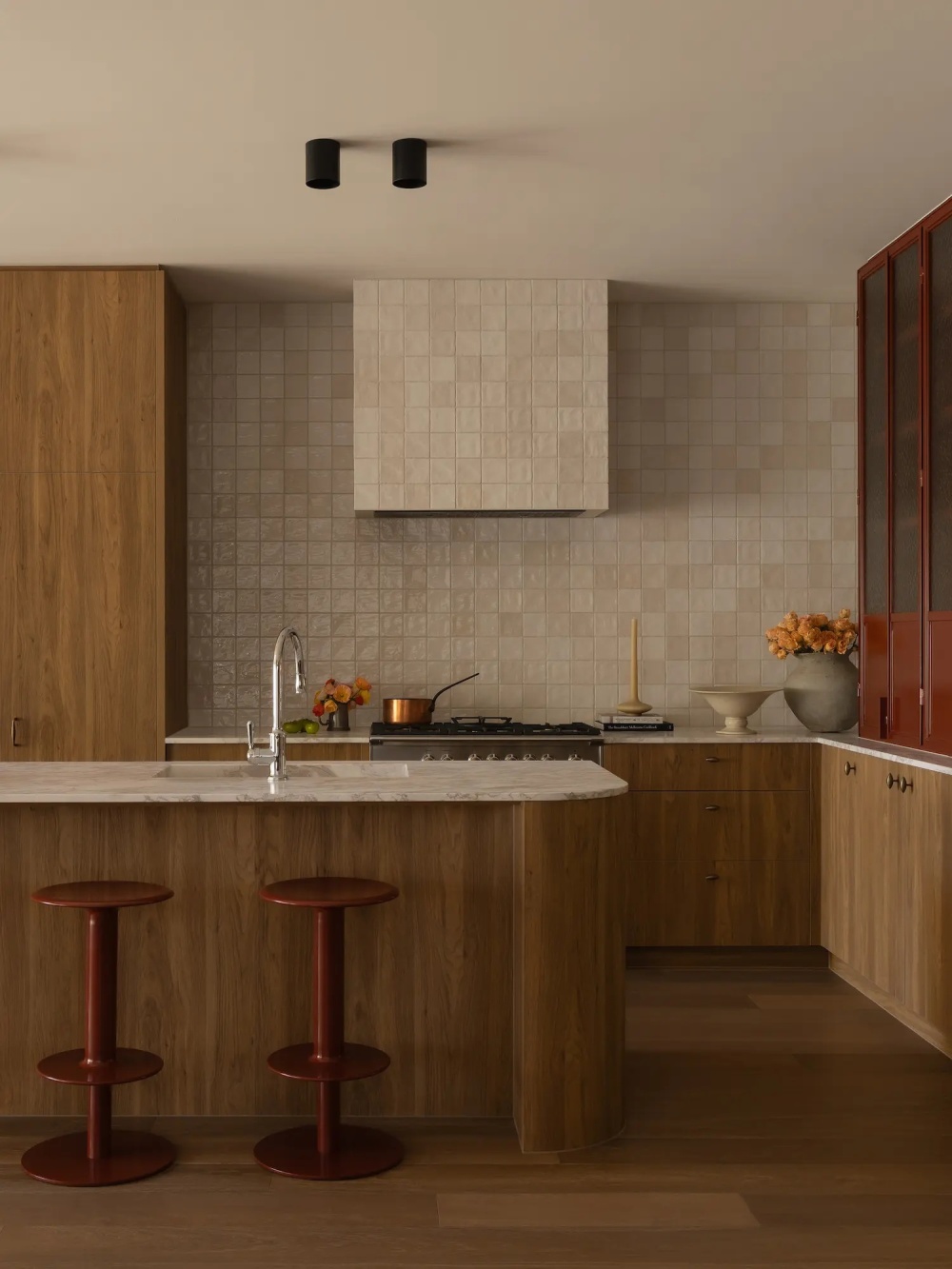
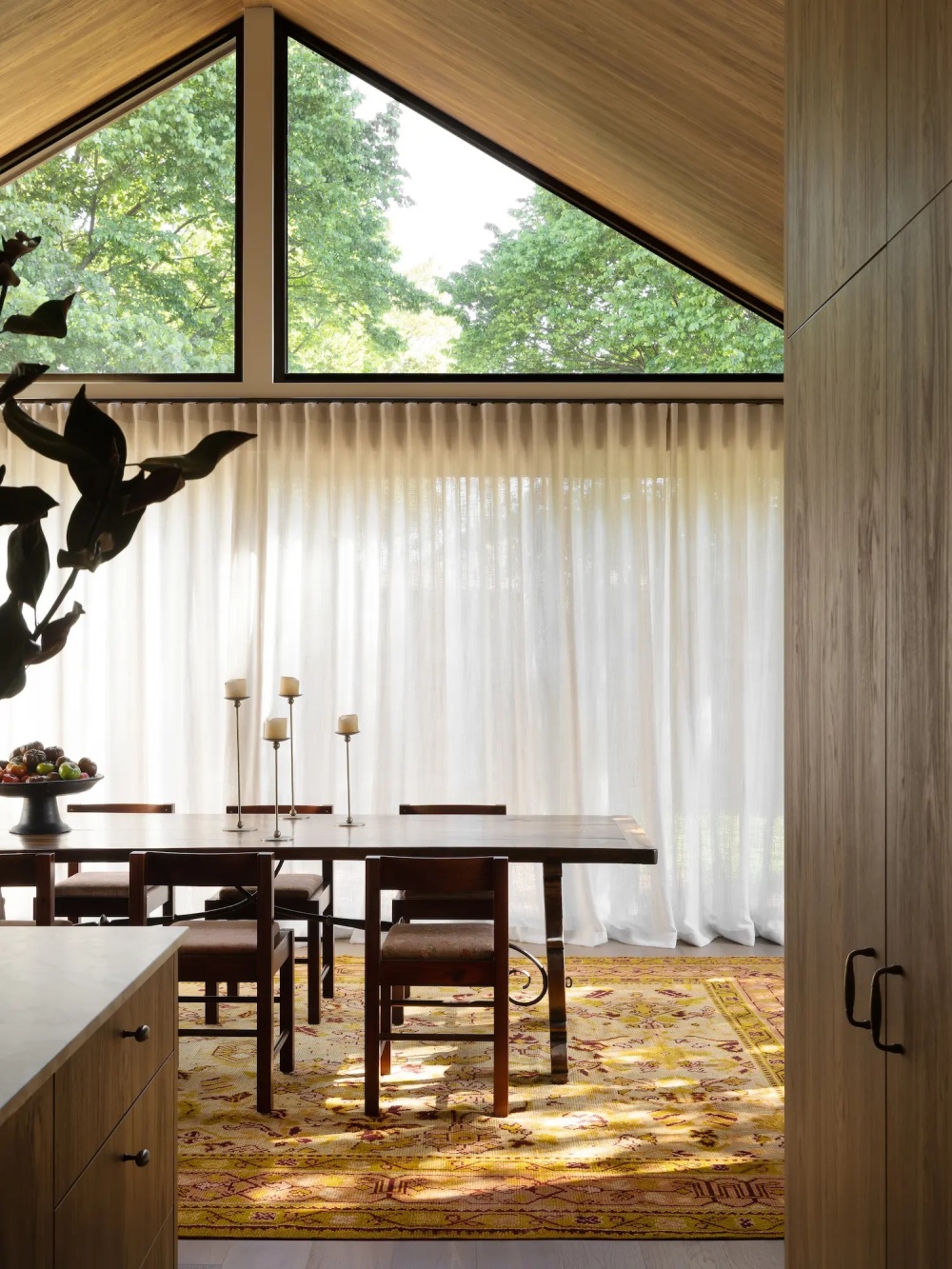
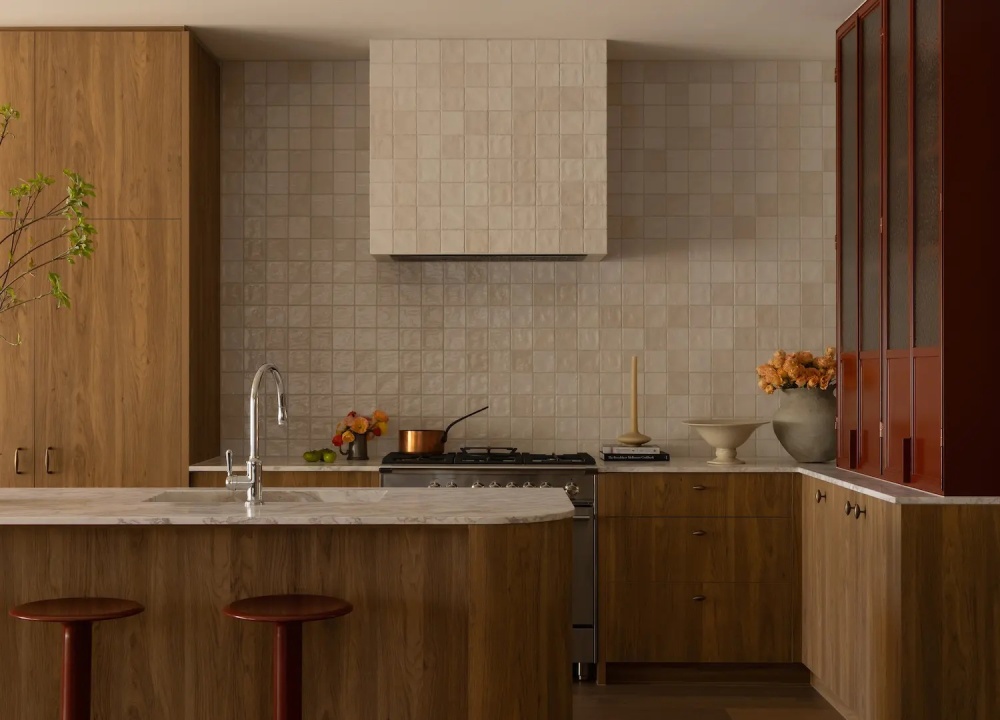
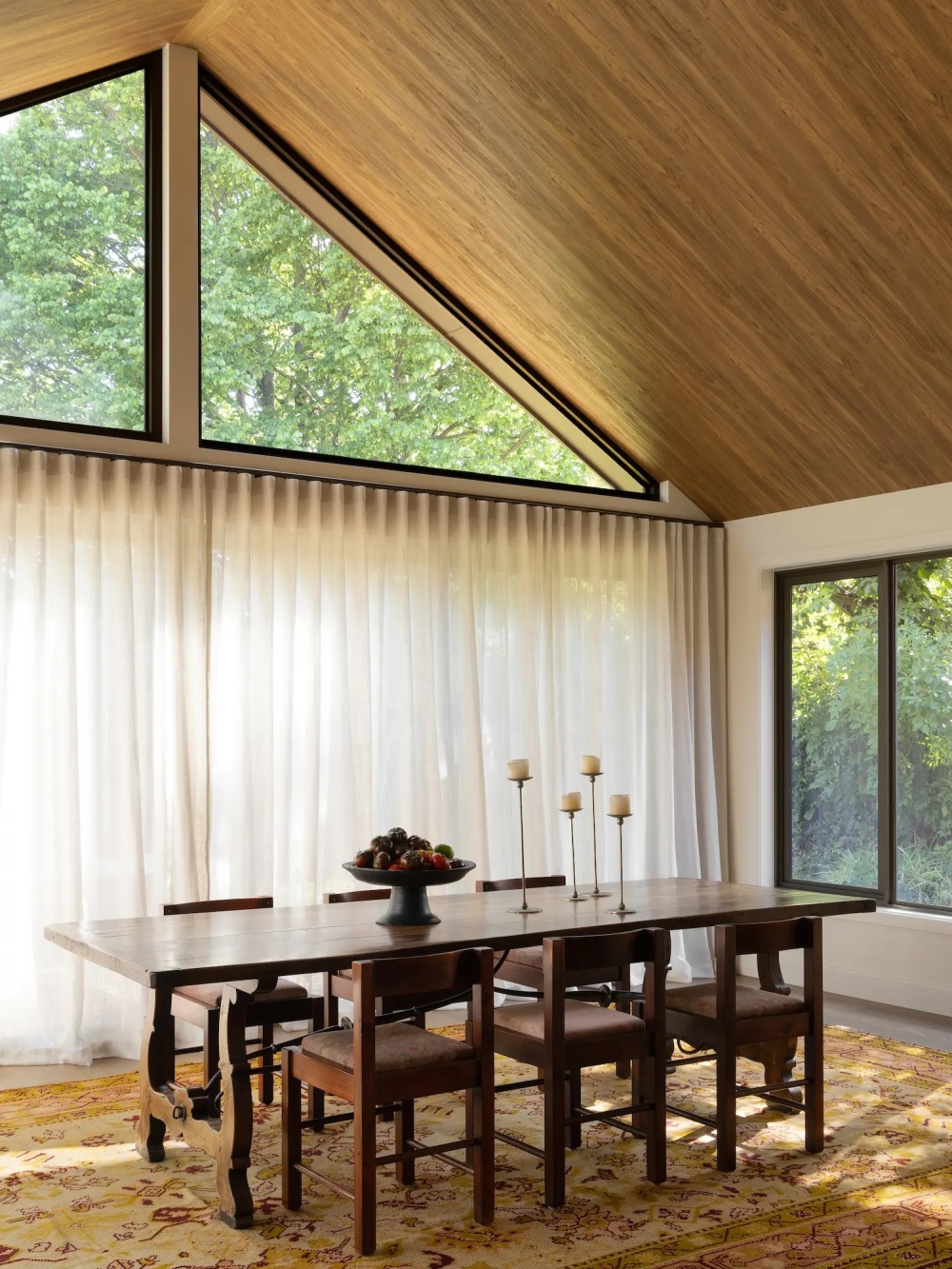
While easy enough in concept, it was quite another to realise it. The entire rear of the house has been reconfigured: the kitchen rotated, the enclosed dining room dissolved, and the living, meals and family zones drawn into one continuous space. The intention was always to open the house to the garden. What no one quite anticipated was the moment the back wall came down. Triangular highlight windows above the new sliding doors have become the project’s defining gesture. “Light enters at a height and angle the house had never experienced before, moving across the raked timber ceiling throughout the day in a way that makes the room feel almost alive,” Gertis says.