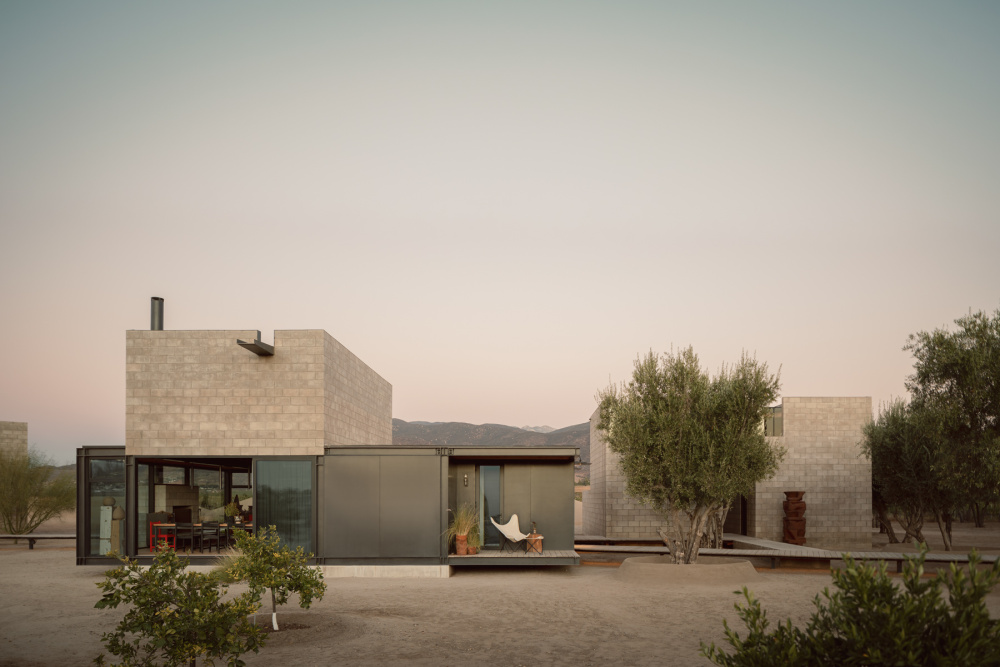
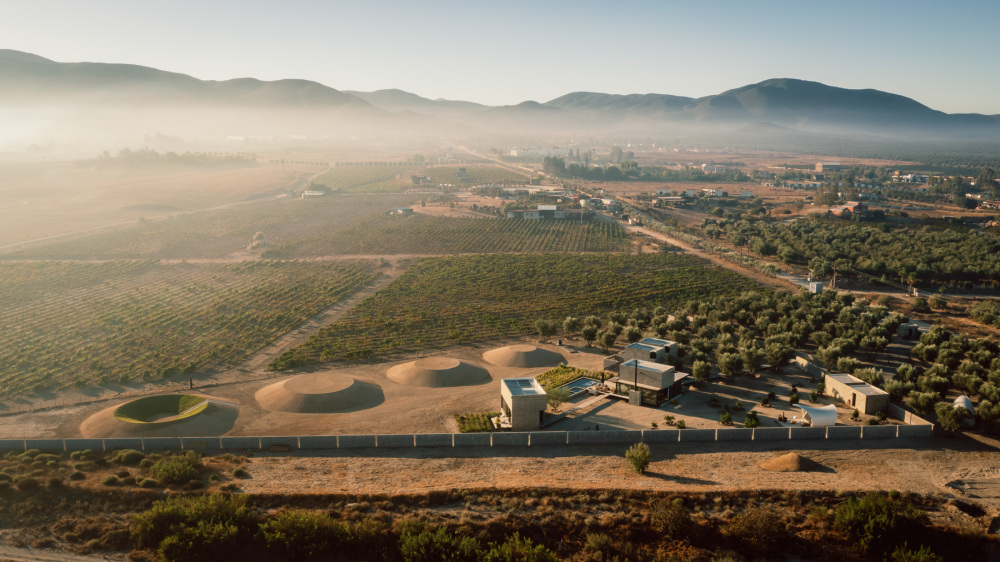
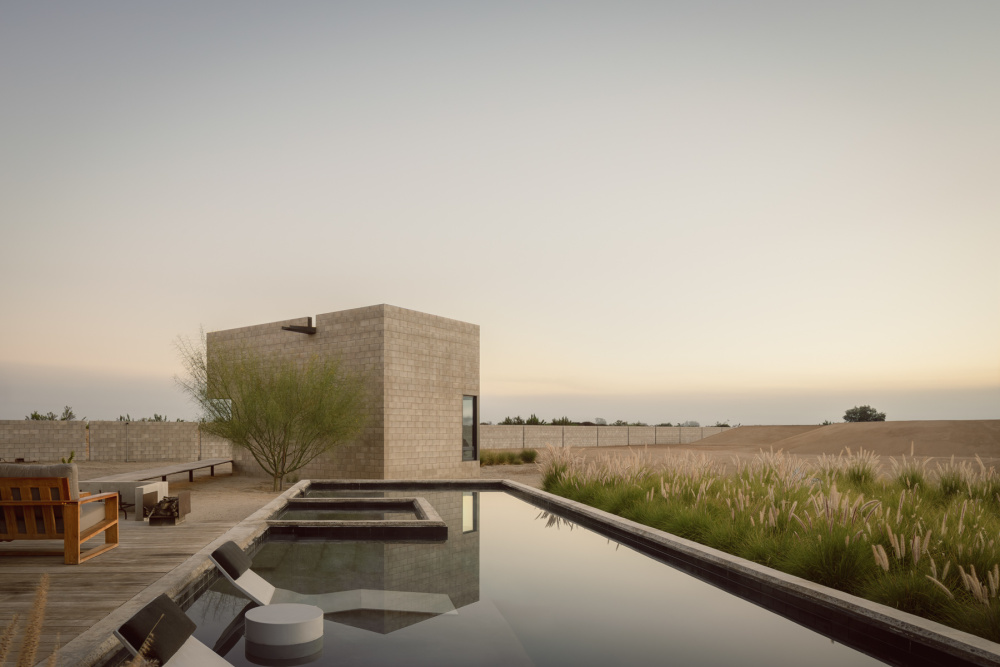
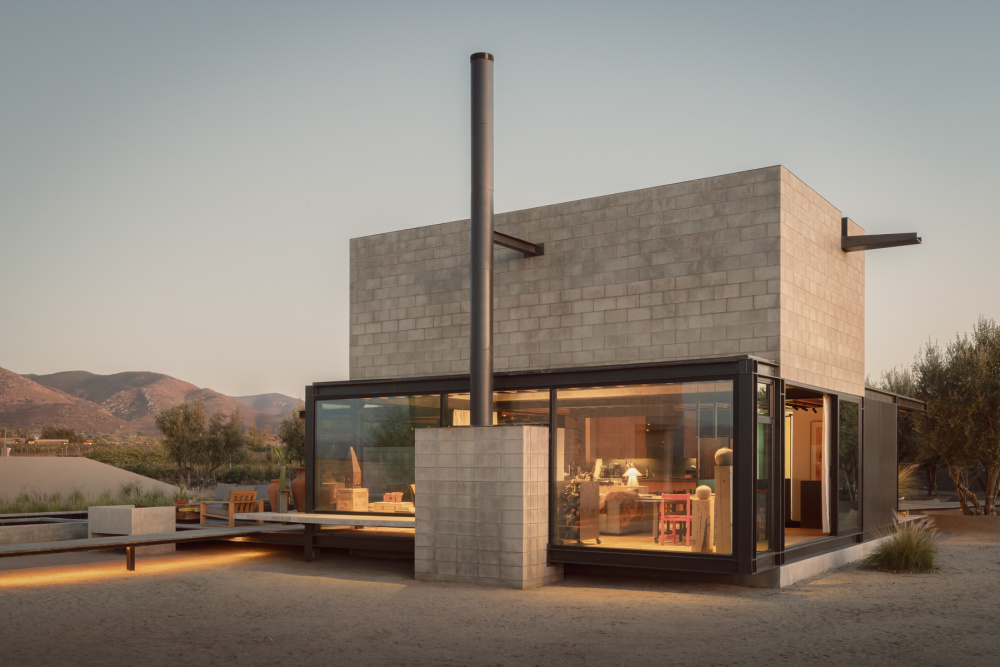
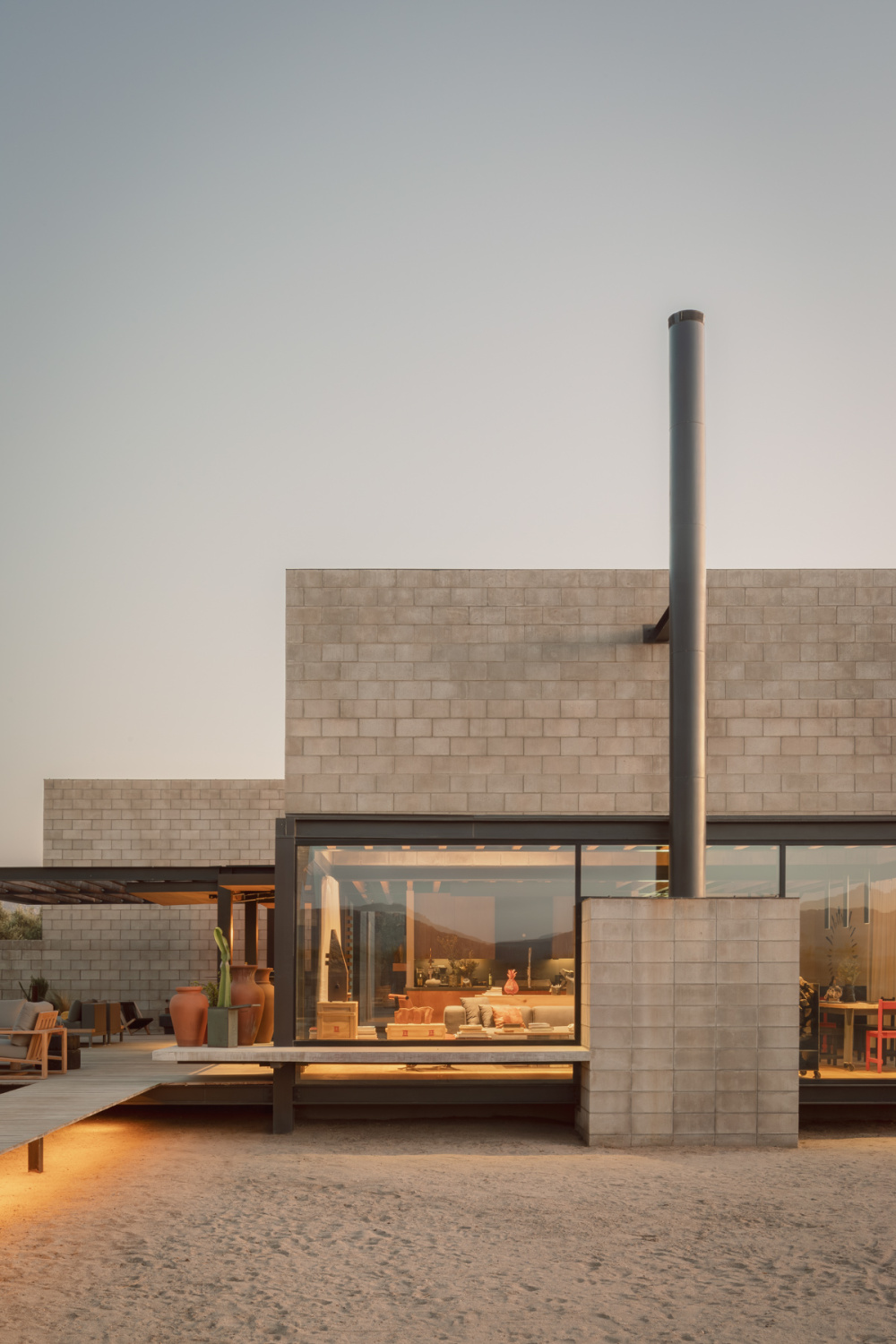
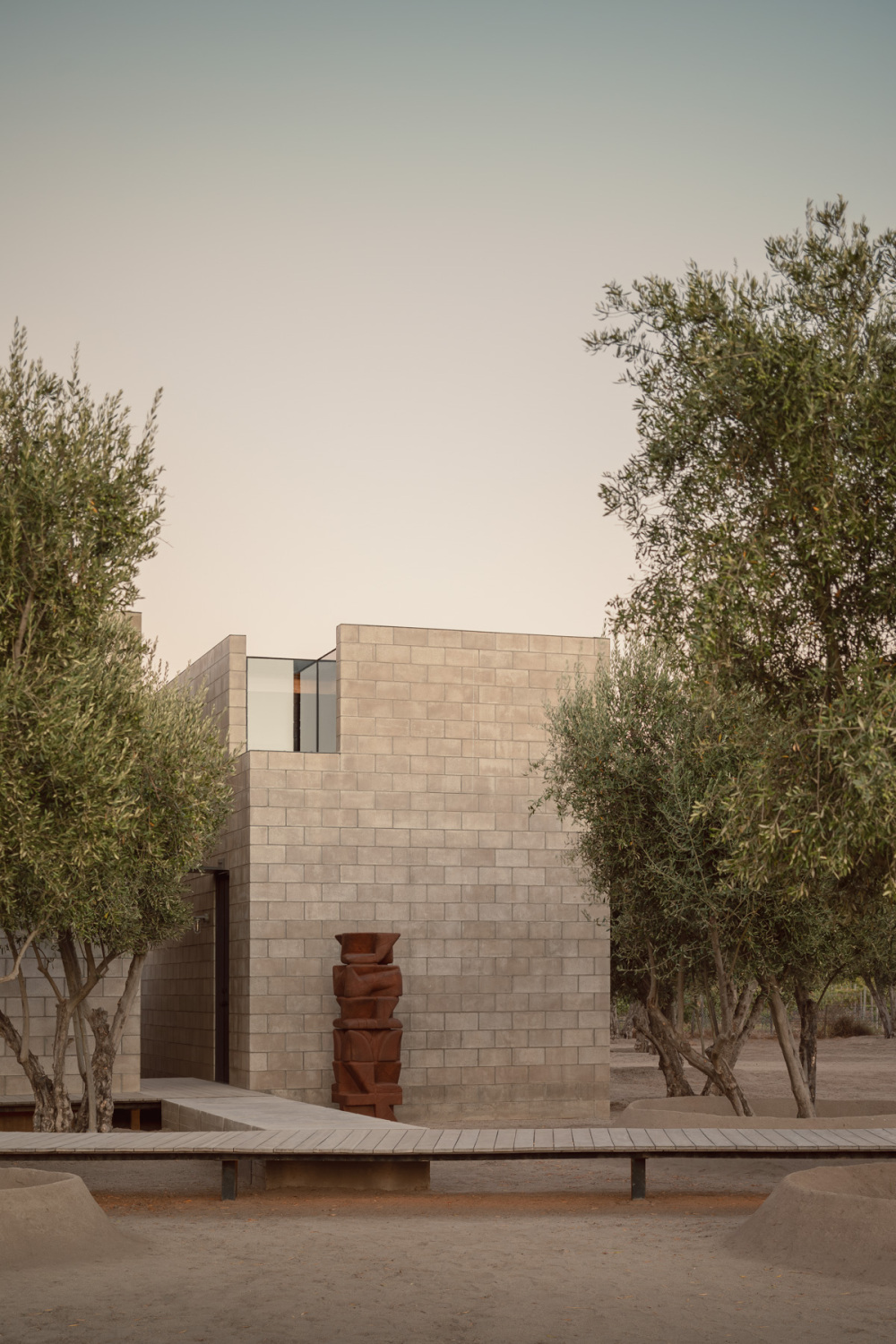
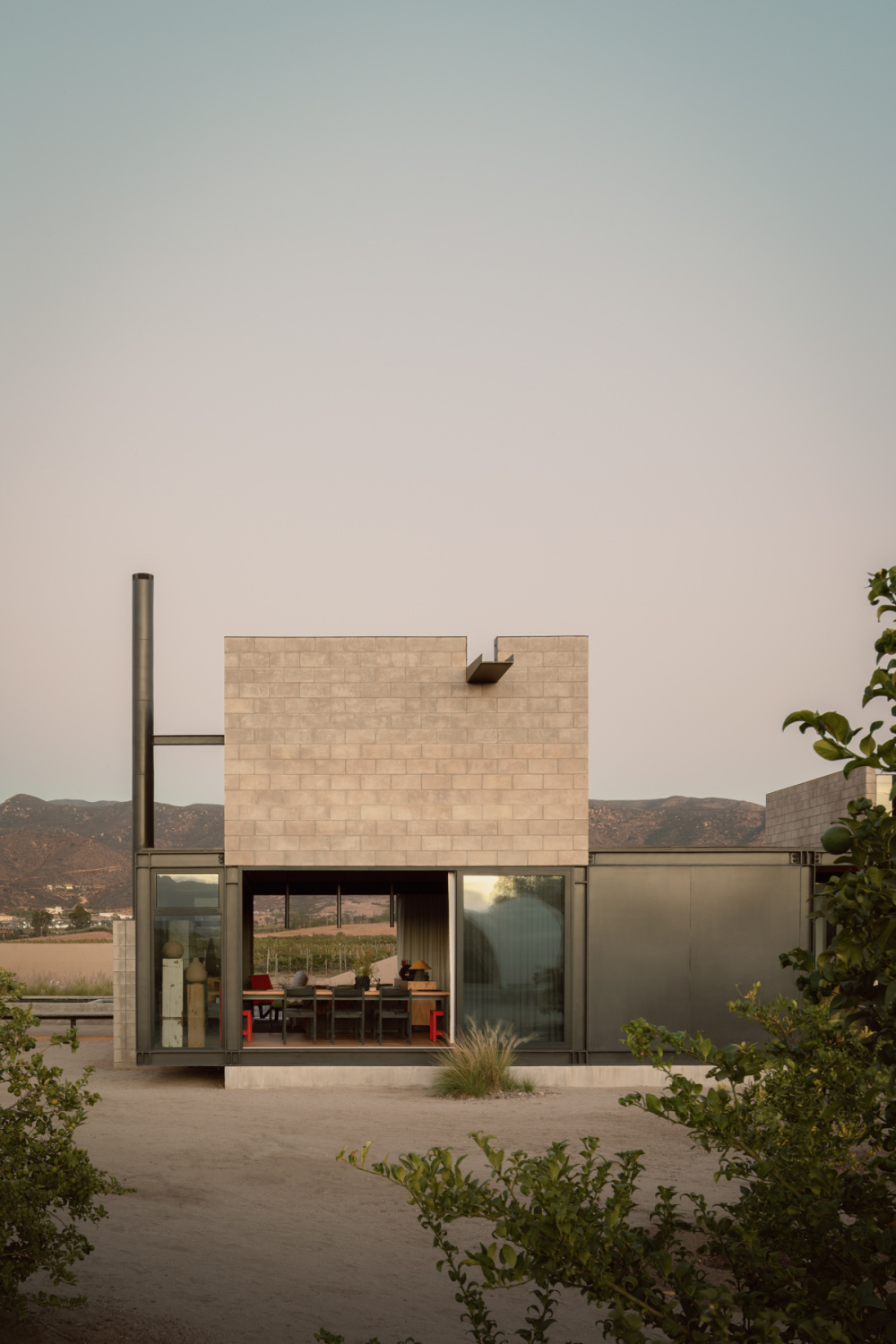
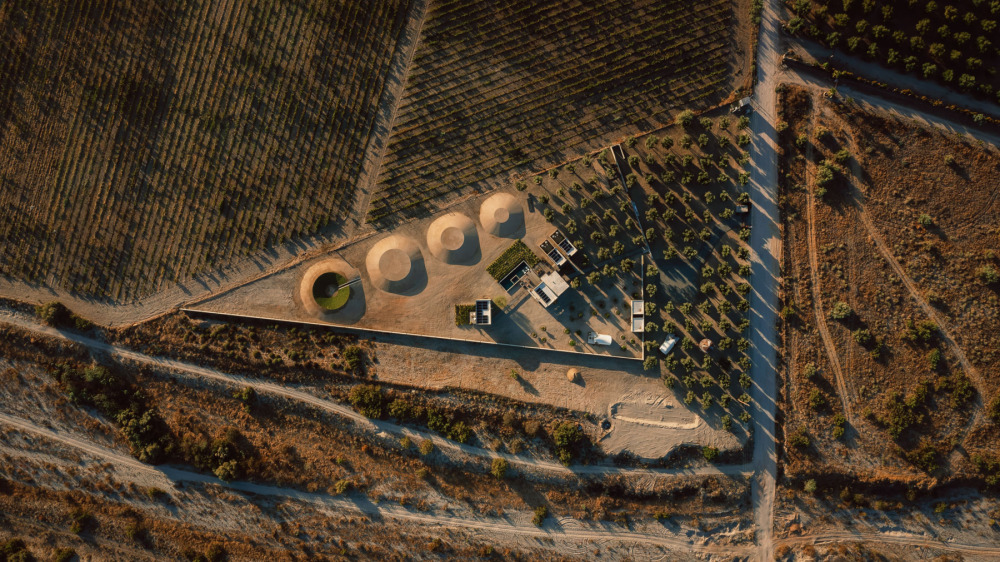
Taking on a diagrammatic quality when viewed from above, the dwelling imparts the features of a graphic line drawing by exposing each piece to be reassembled in newfound ways. “The family home is conceived as a dispersed village, integrating architecture and landscape within the agrarian context of the valley,” explains Kundig of the primary architectural gesture. A strong feeling of community runs throughout the abode, devised to celebrate and support provincial trades and craftspeople. “During construction, the builder-client engaged Mexican artisans, allowing their skills and local techniques to inform the home to reflect the culture and craftsmanship of the region,” he adds. Masonry block, steel and concrete are assembled to convey a familiar functionalist language, while salvaged components and hand-shaped earthen mounds reference ingrained farming traditions.
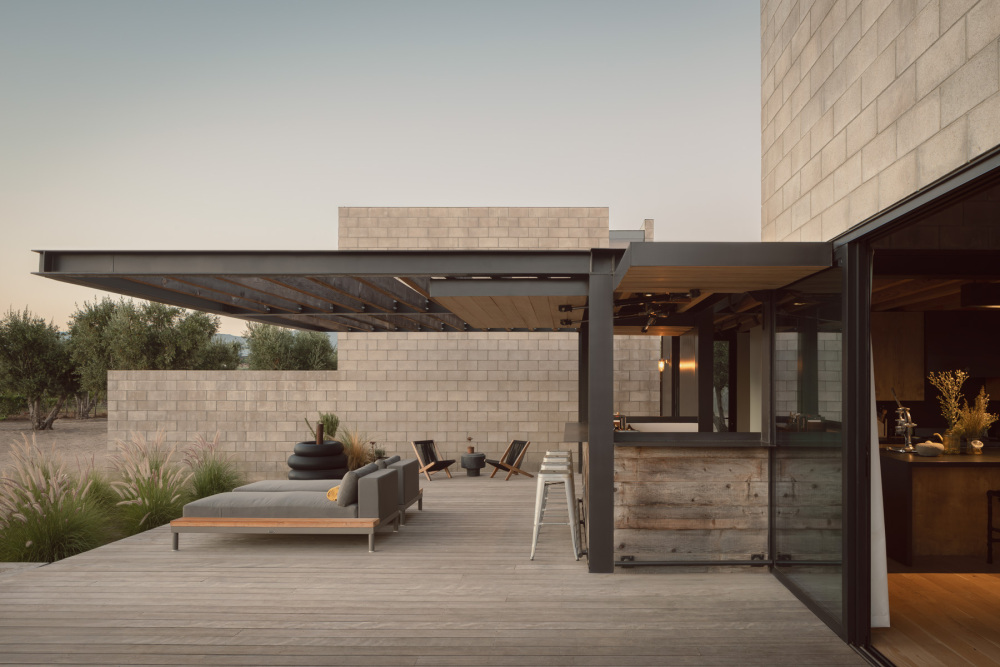
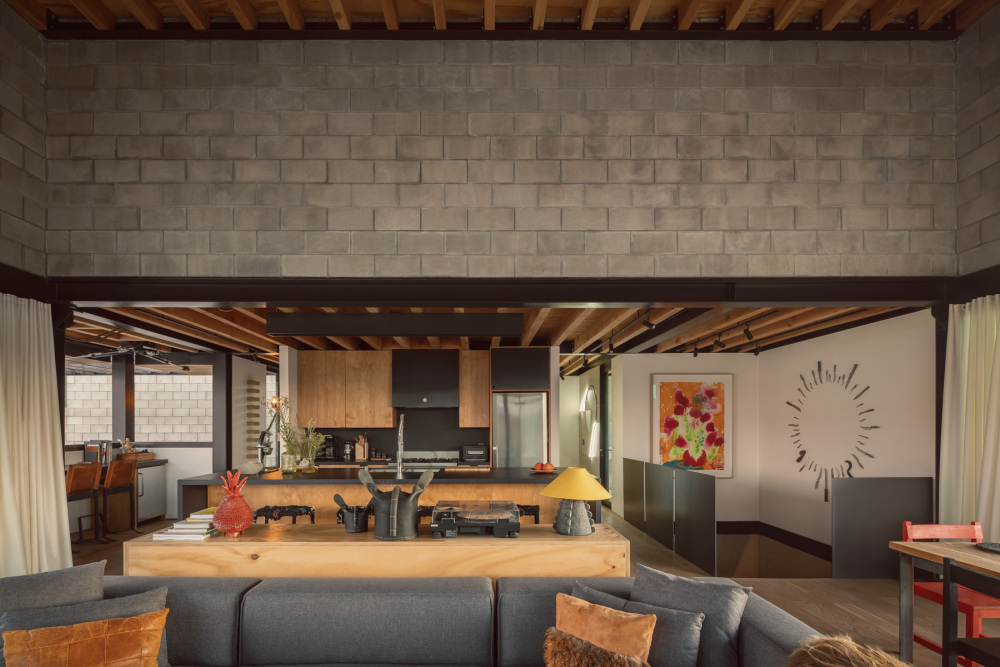
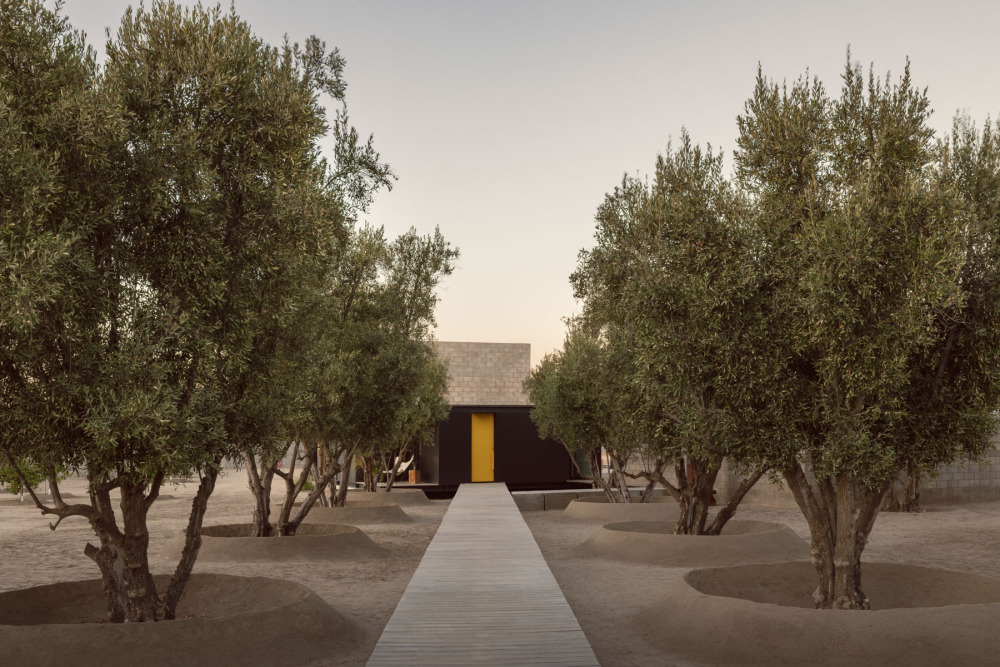
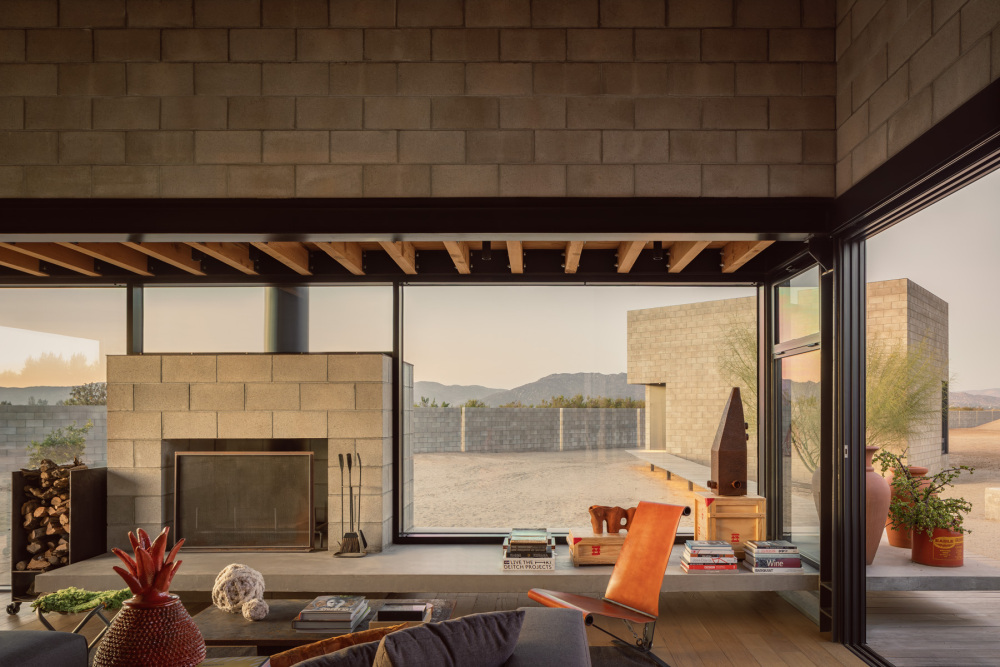
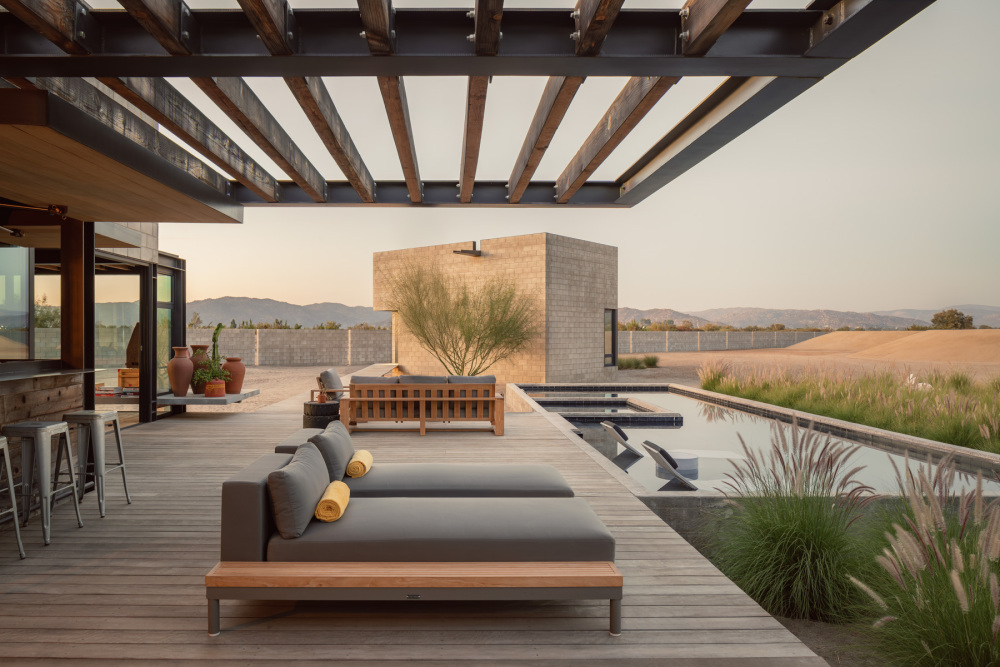
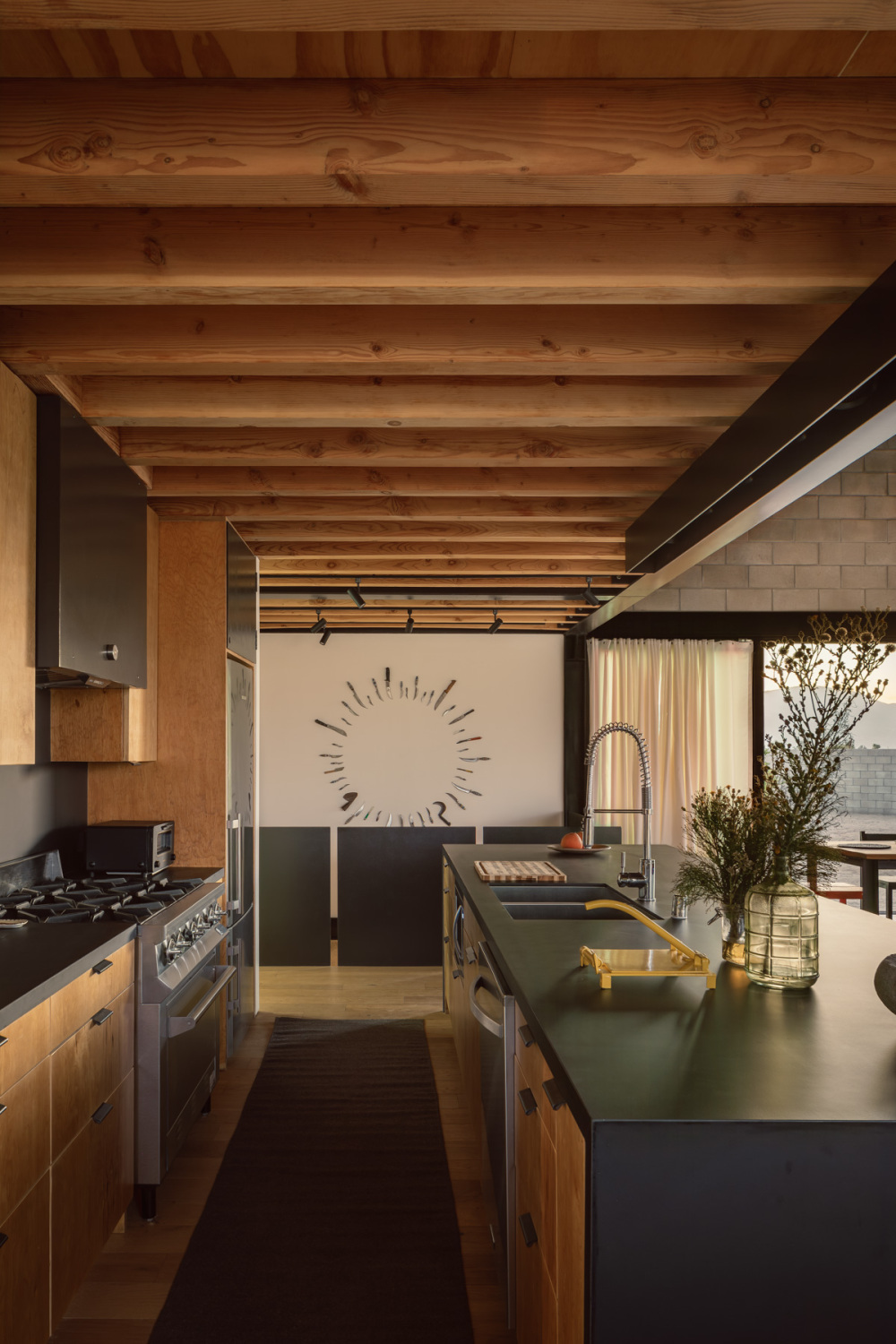
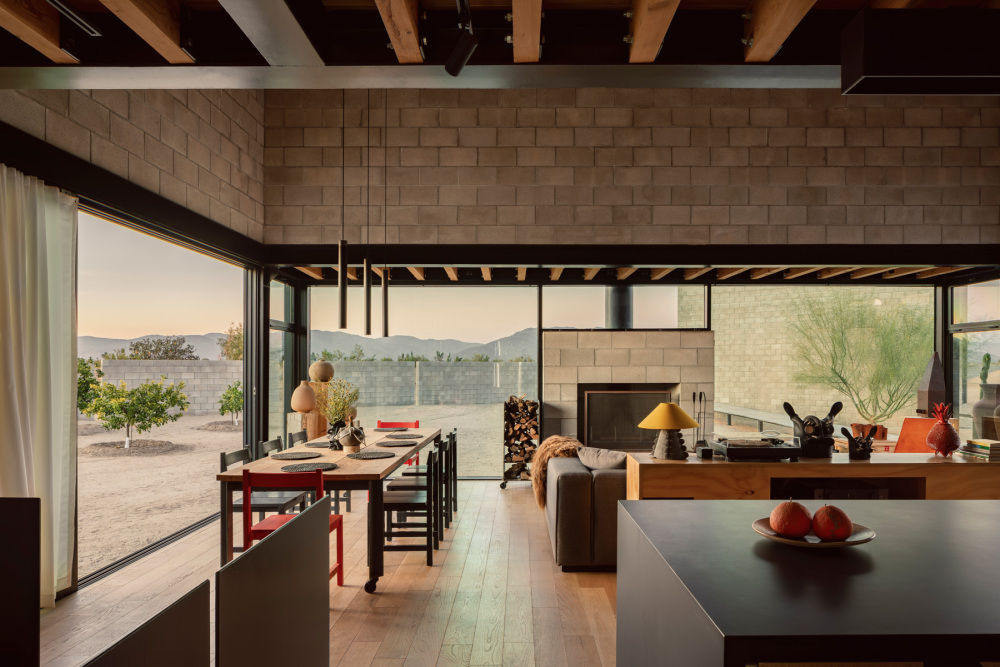
Encircled by a blockwork wall that neatly defines the three-sided plot, one is afforded fleeting glimpses of this inner sanctum through a series of vertical slots. A canary-yellow garden gate marks the formal arrival sequence that leads across a tree-lined timber walkway towards the communal heart. “Within the main house, the kitchen and living area are contained in a blackened steel volume with an eight-foot ceiling, a floating hearth and a kinetic flap that connects the office desk to the outside,” describes Kundig. A generous deck further extends these spaces beneath a cantilevered canopy that offers protection from the summer sun. Bedrooms stand as independent huts to either side of this central shelter, a collection of compact outposts tethered to a low-lying spine. “In a sense, I think of it as a single structure that’s been pulled apart into the natural environment, offering an experience that prioritises the larger landscape above anything else.”