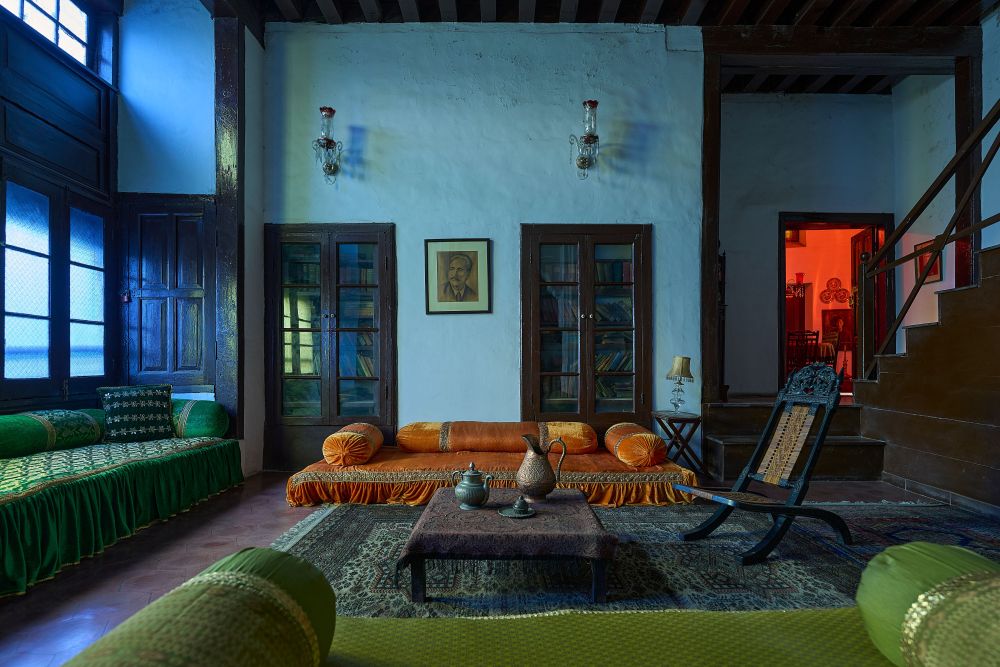
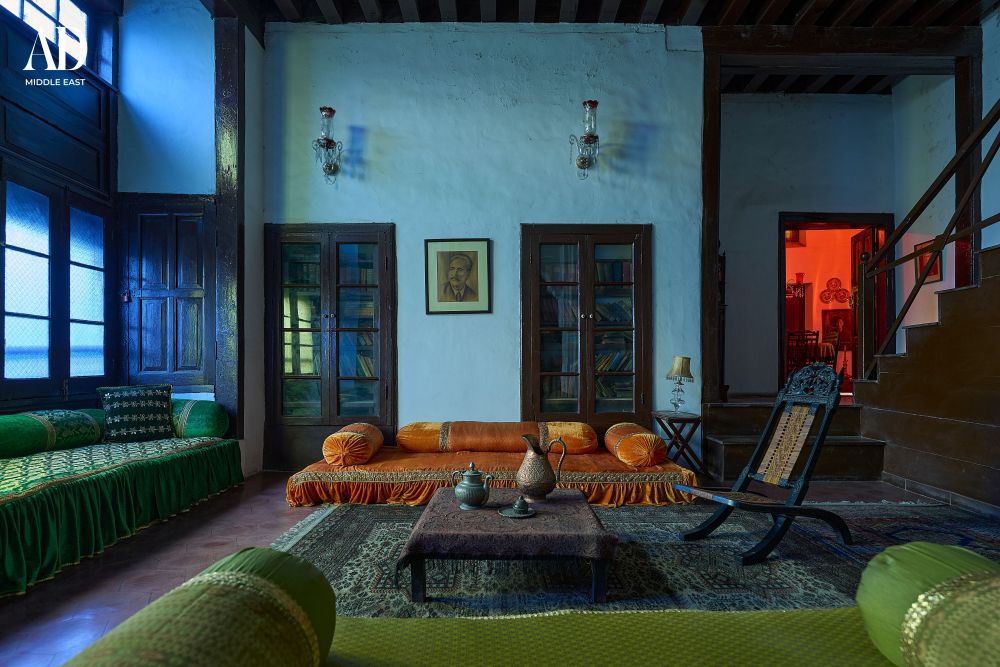
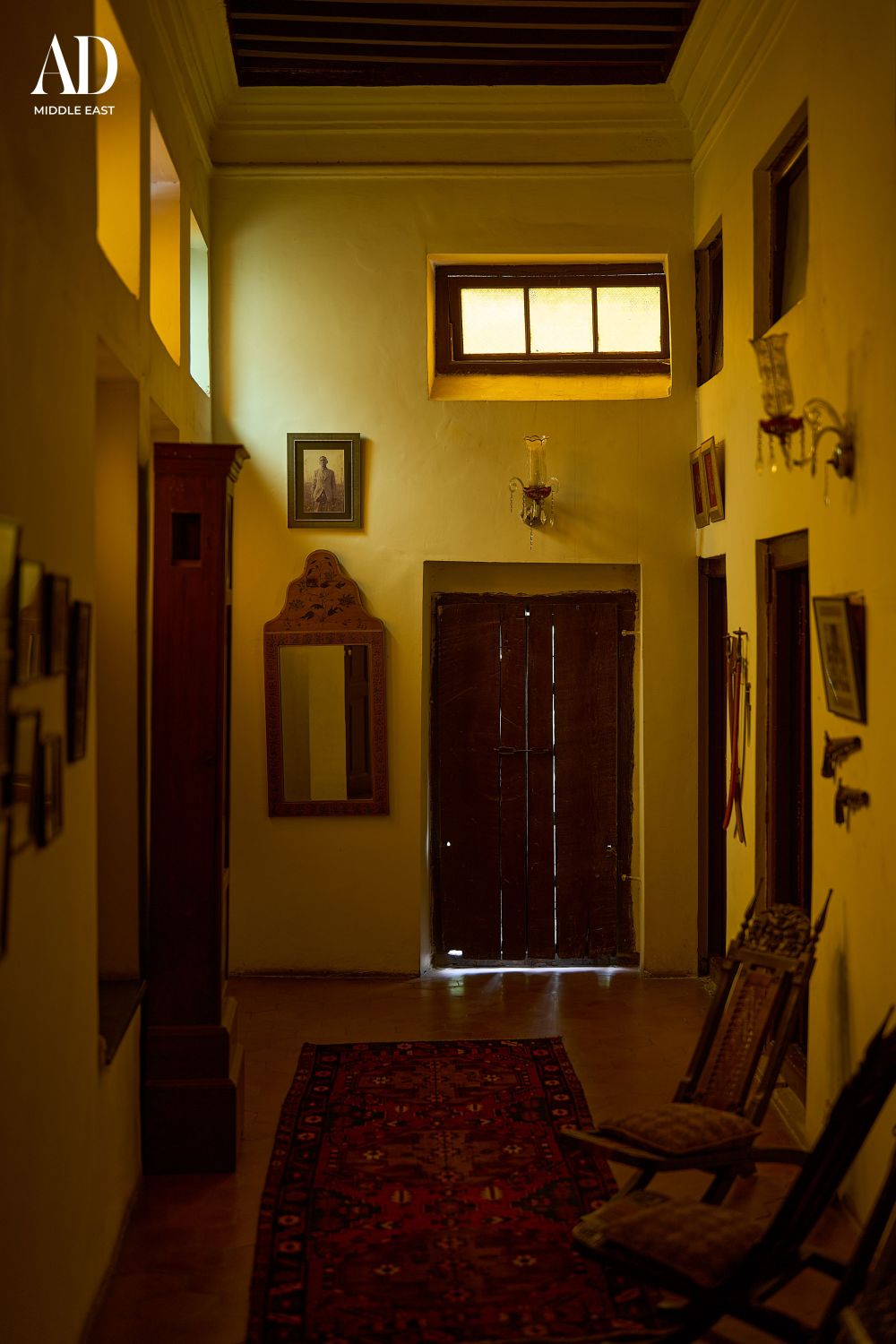
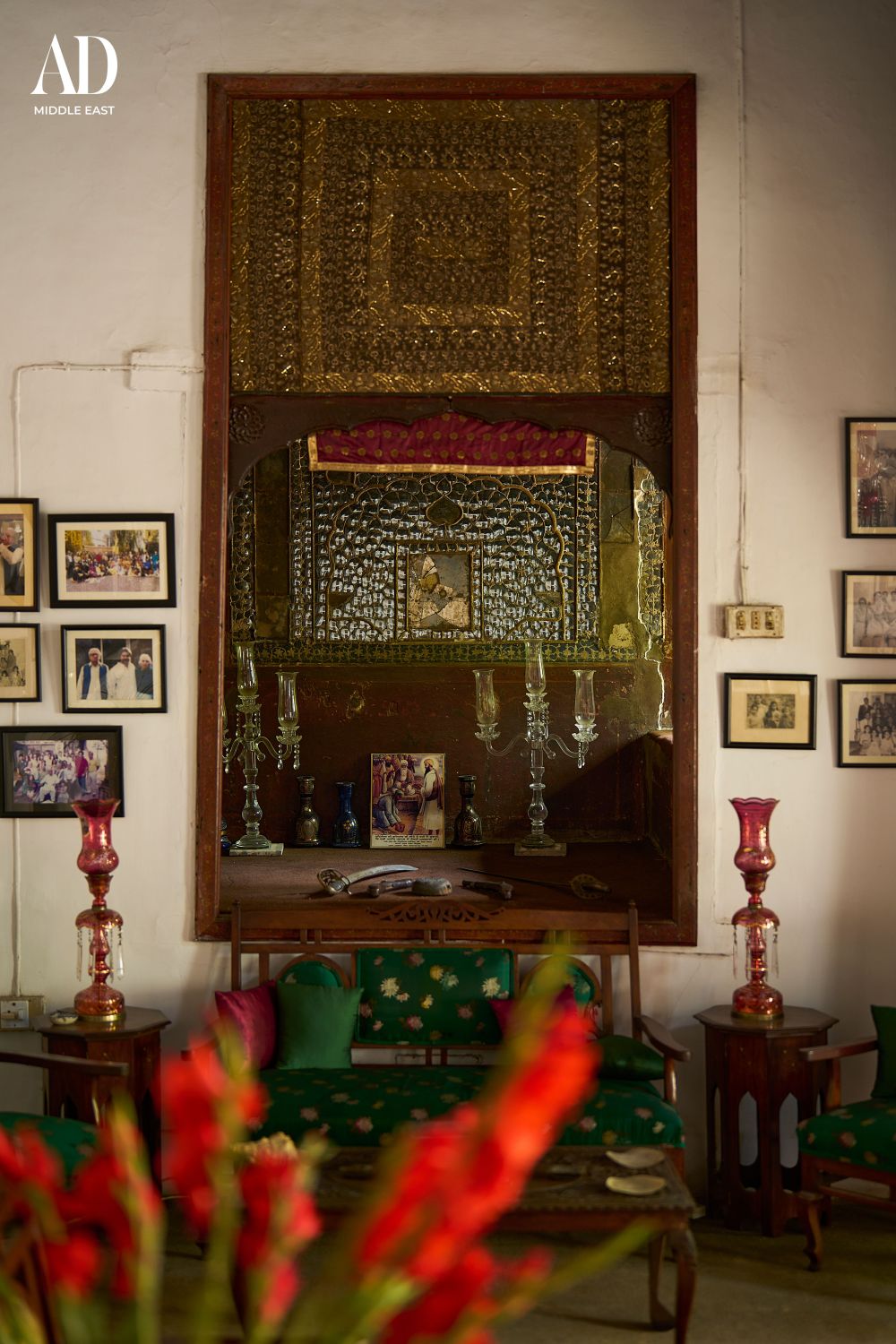
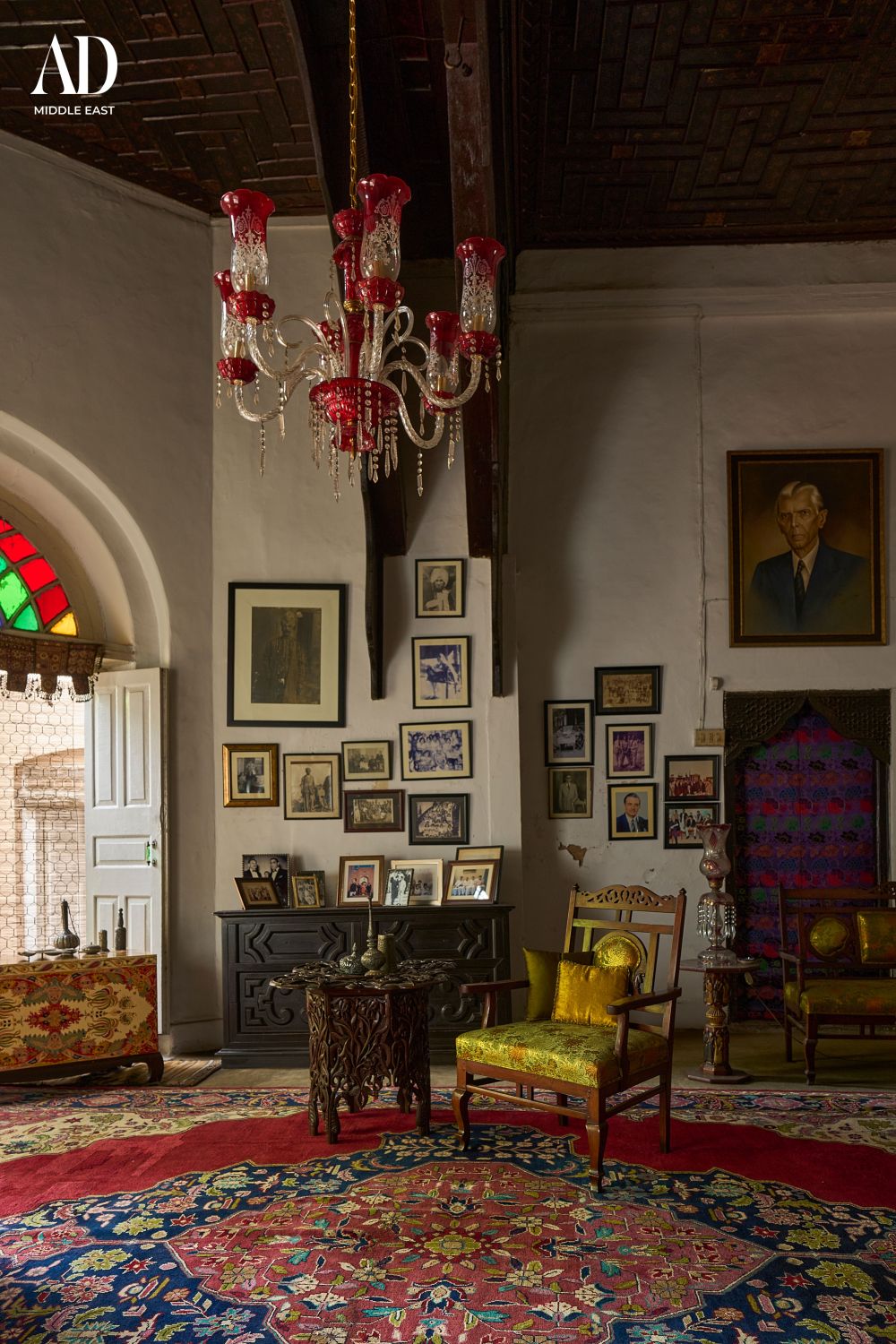
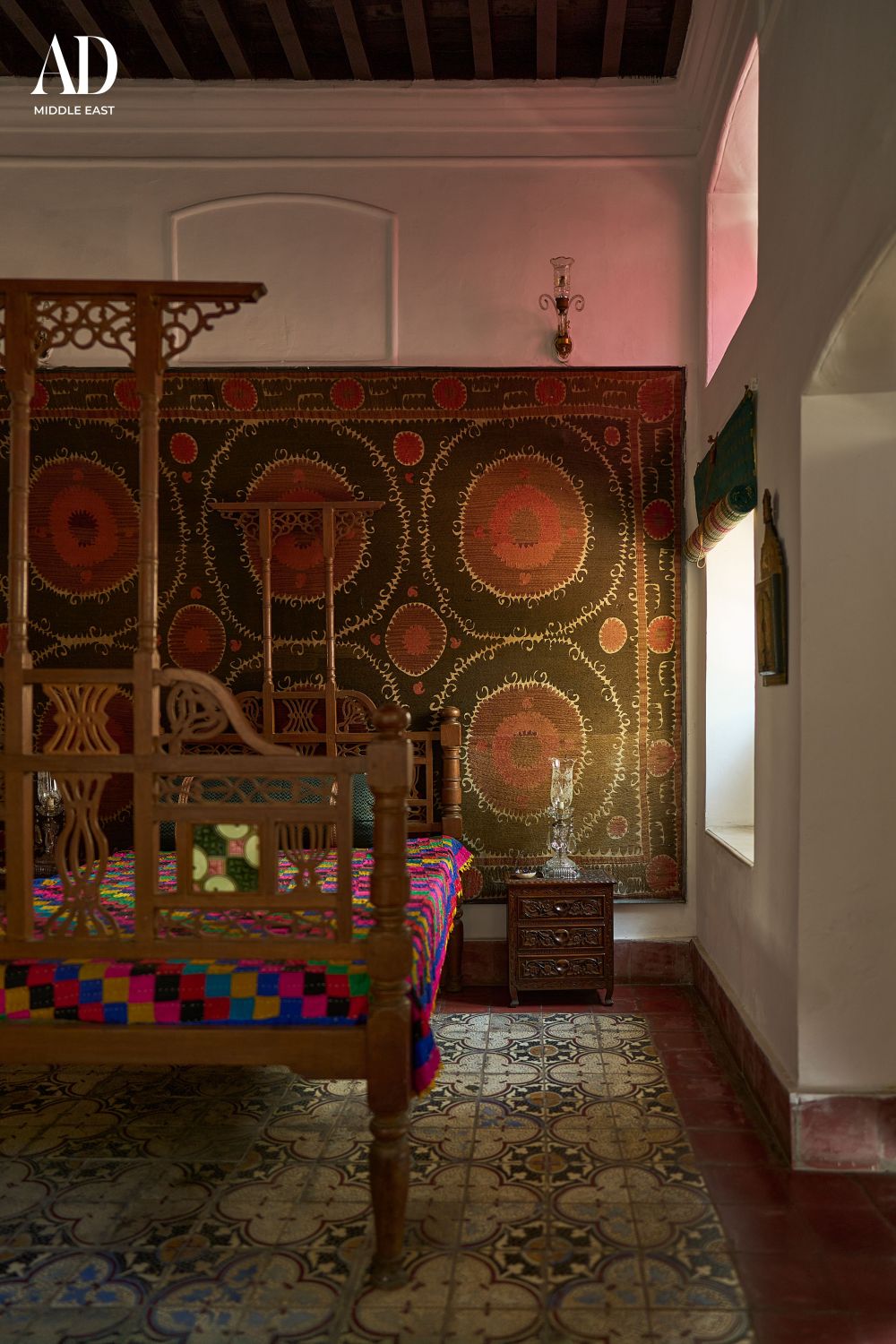
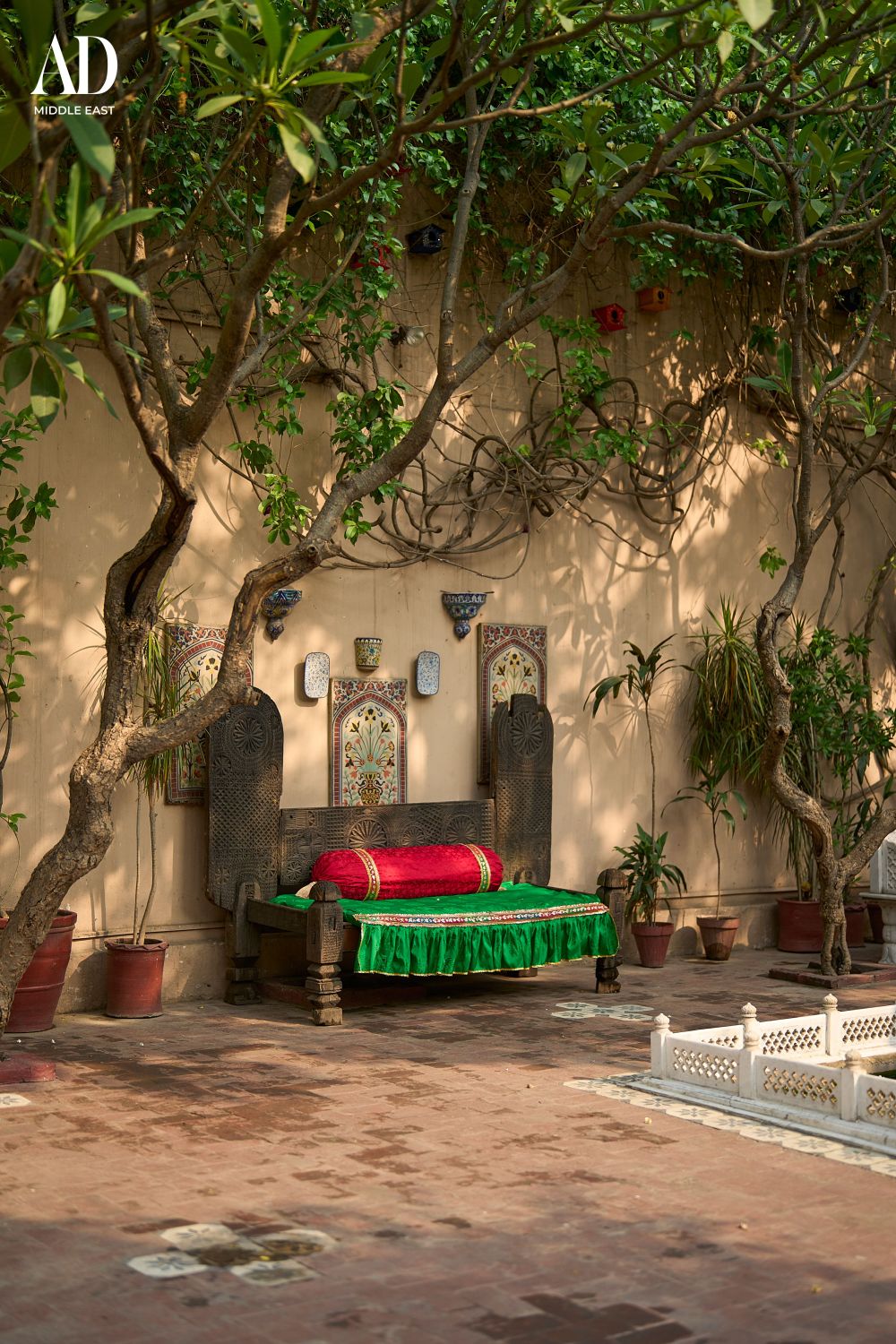
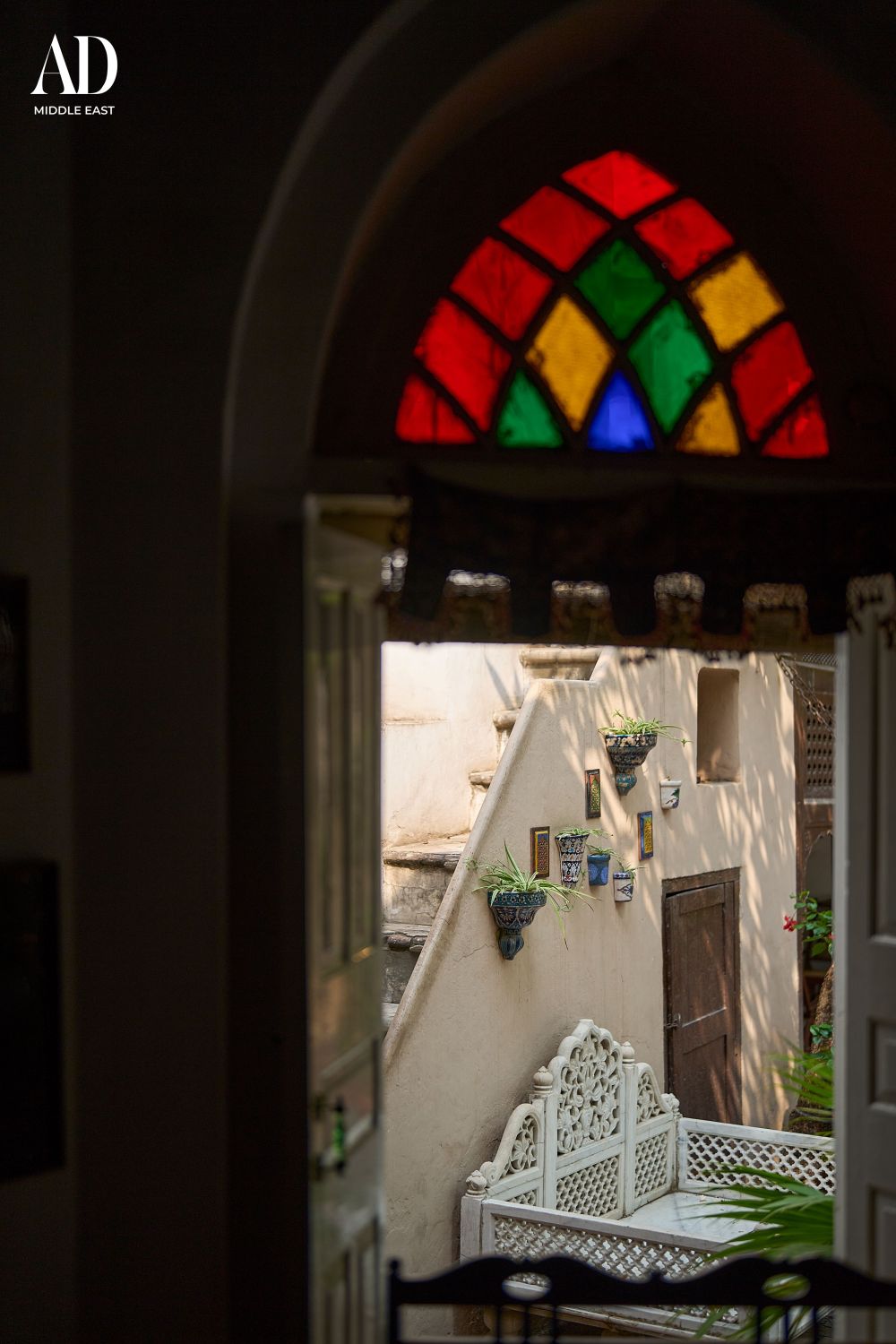
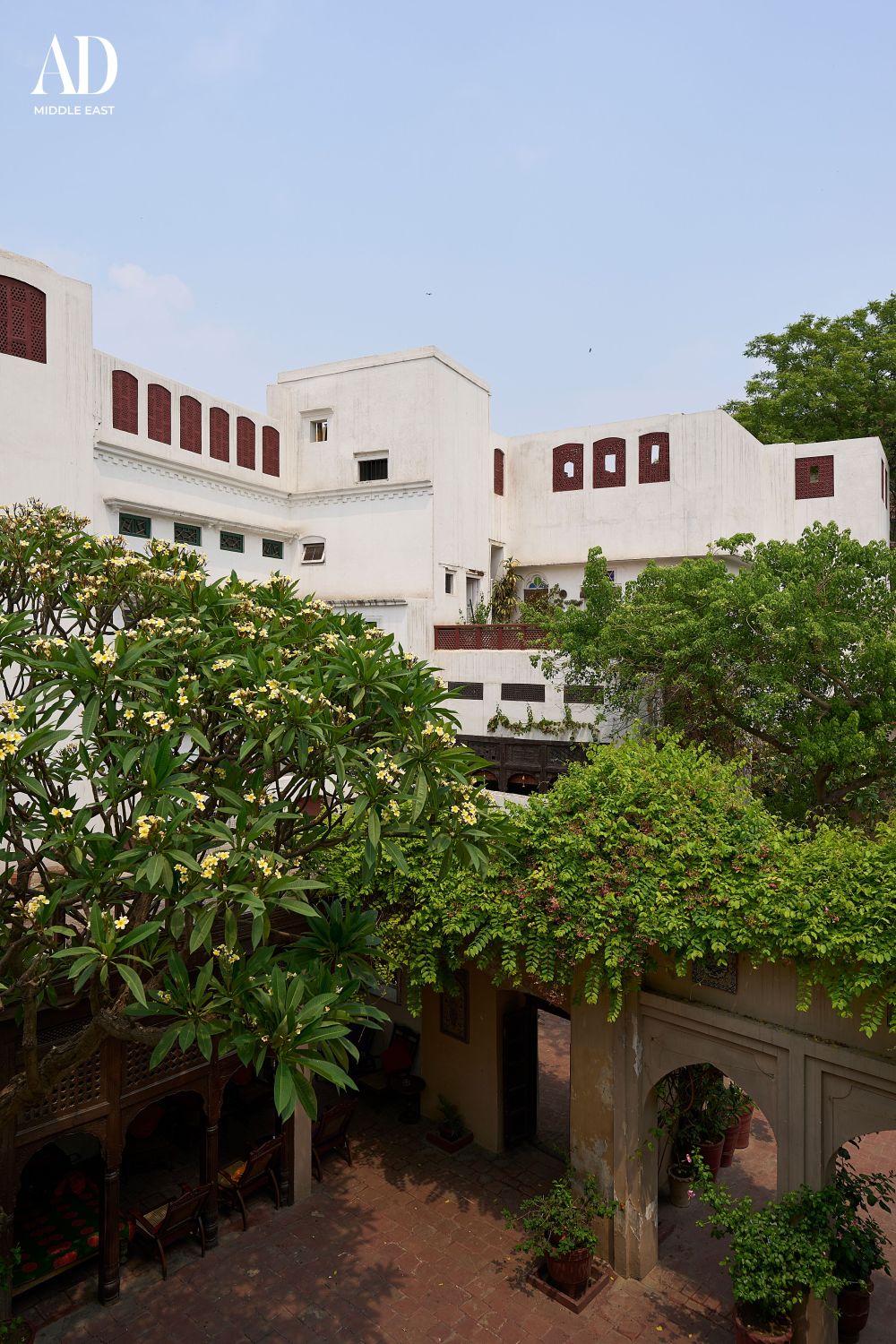
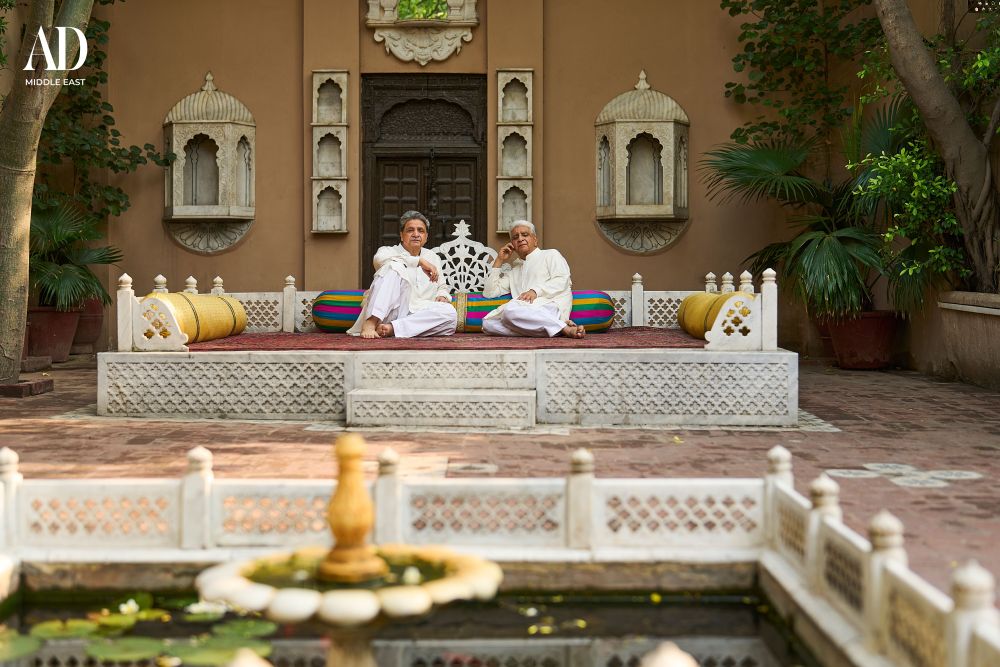
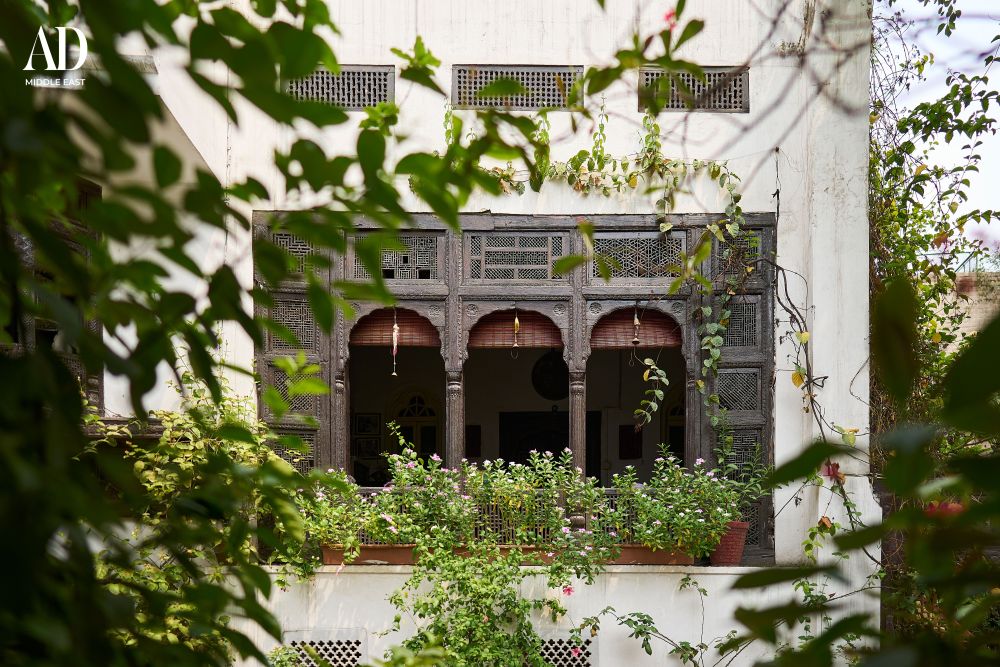
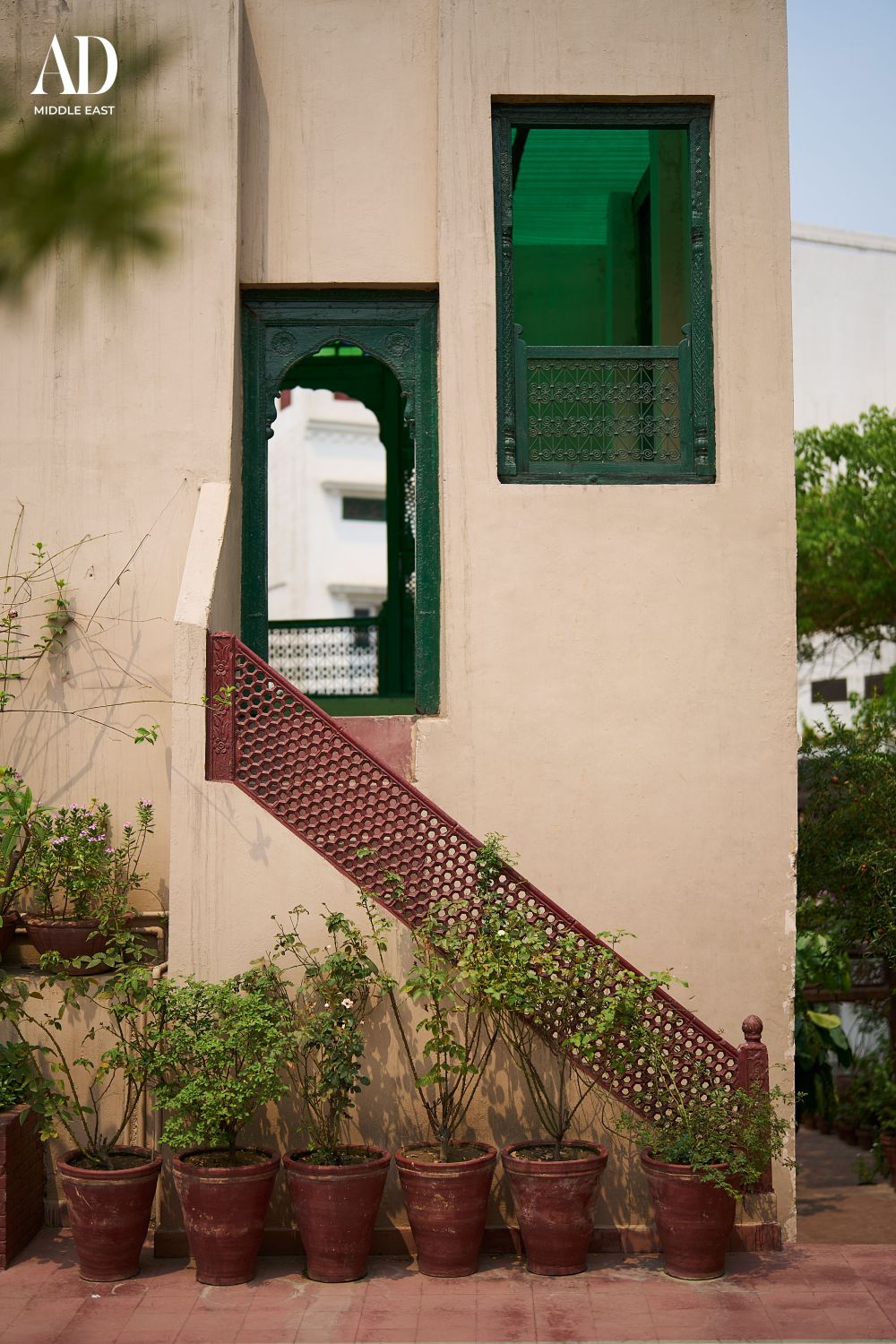
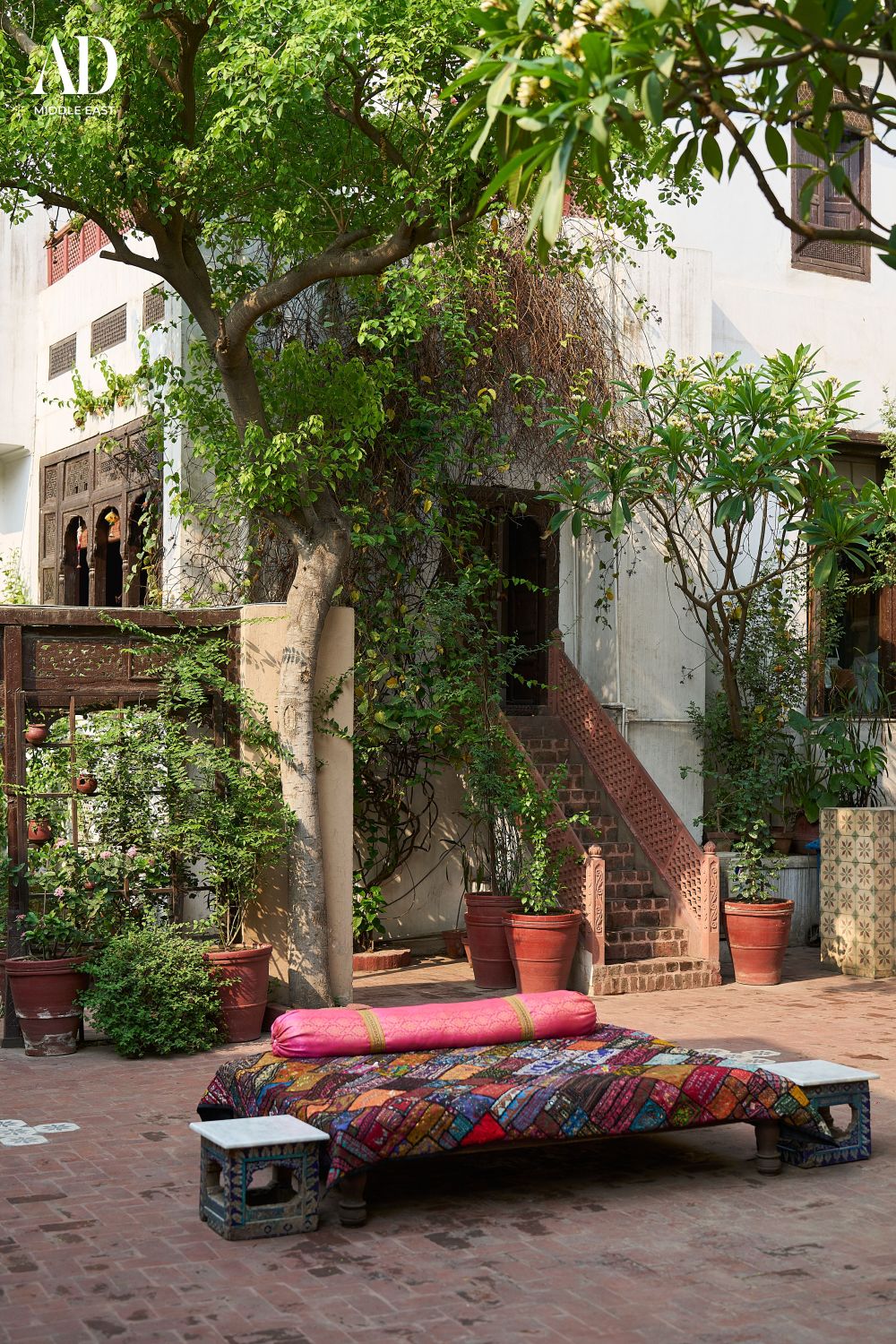
Built around a series of courtyards, verandas and more than 20 rooms, Haveli Barood Khana is one of the few historic havelis in Lahore's Walled City that remains both inhabited and under continued restoration.
The sound of the Azaan drifts through the courtyard, carried on the damp afternoon air. It has just rained, and the smell of wet earth rises from the bricks, mingling with the aroma of frying parathas and the faint sweetness of chai. Fans whir lazily, their rhythmic hum mixing with laughter and the distant sound of children running through the narrow alleyways. It's just another afternoon inside Haveli Barood Khana – a 400-year-old home in Lahore's Walled City that still beats to the rhythm of the surrounding neighbourhood.
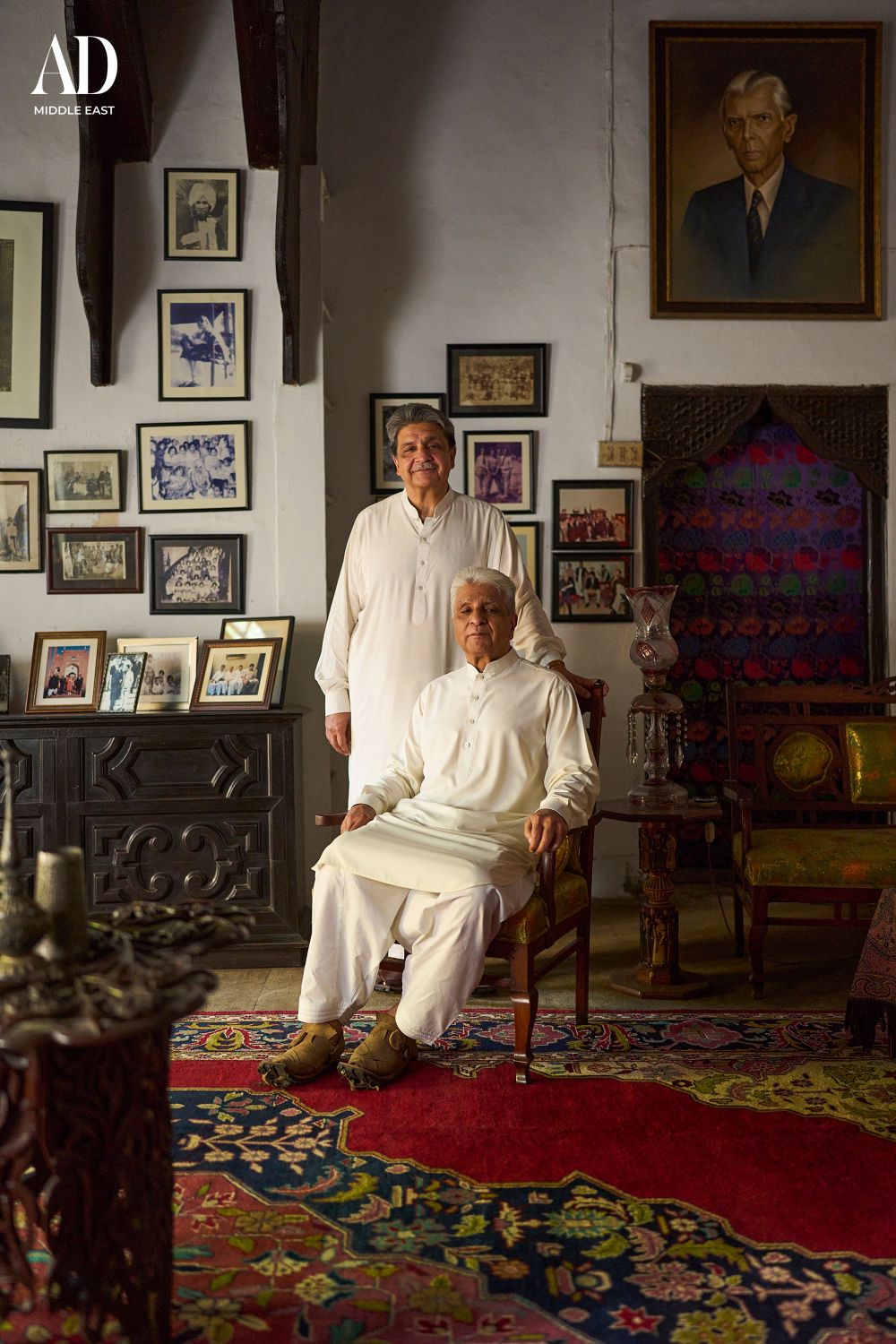
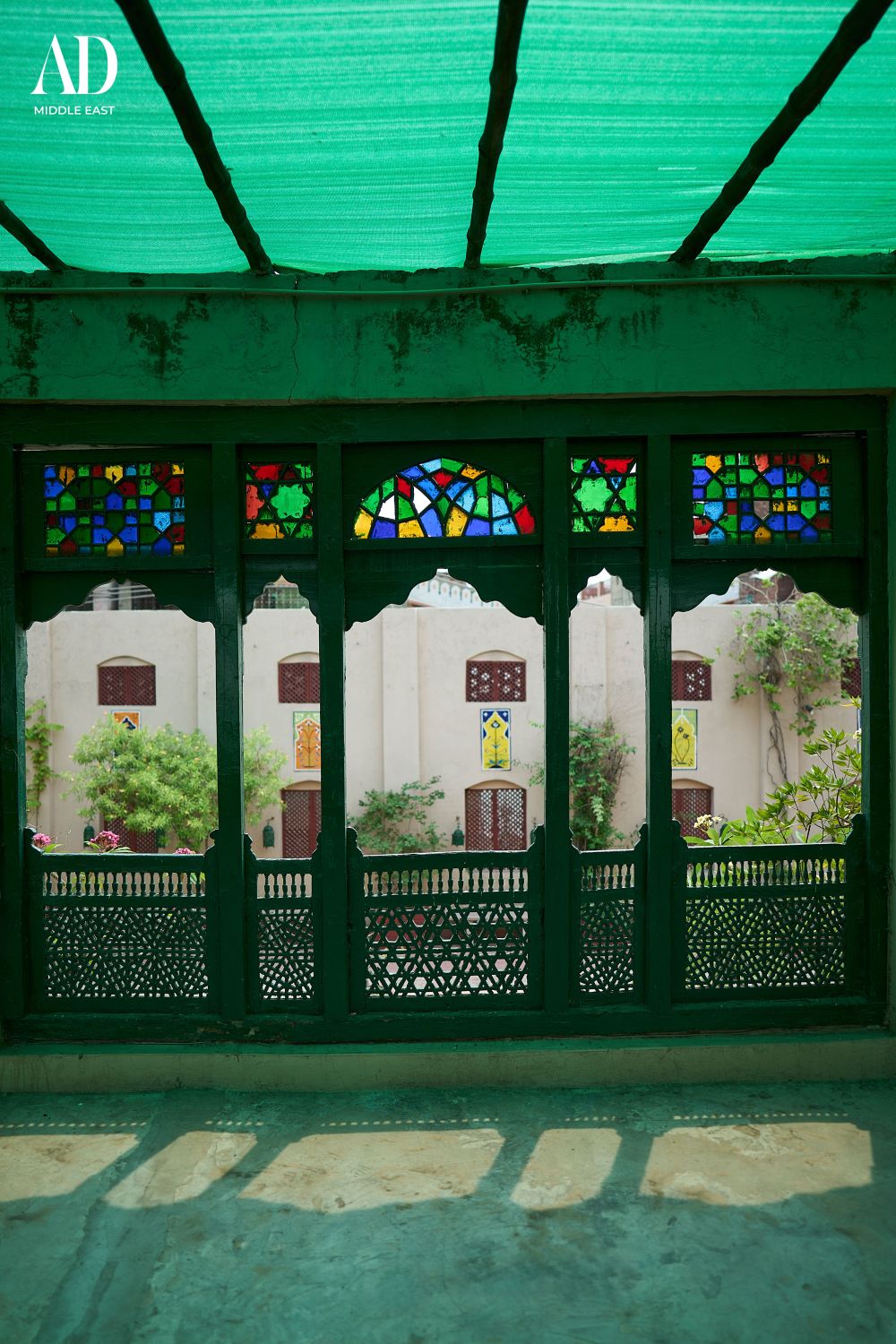
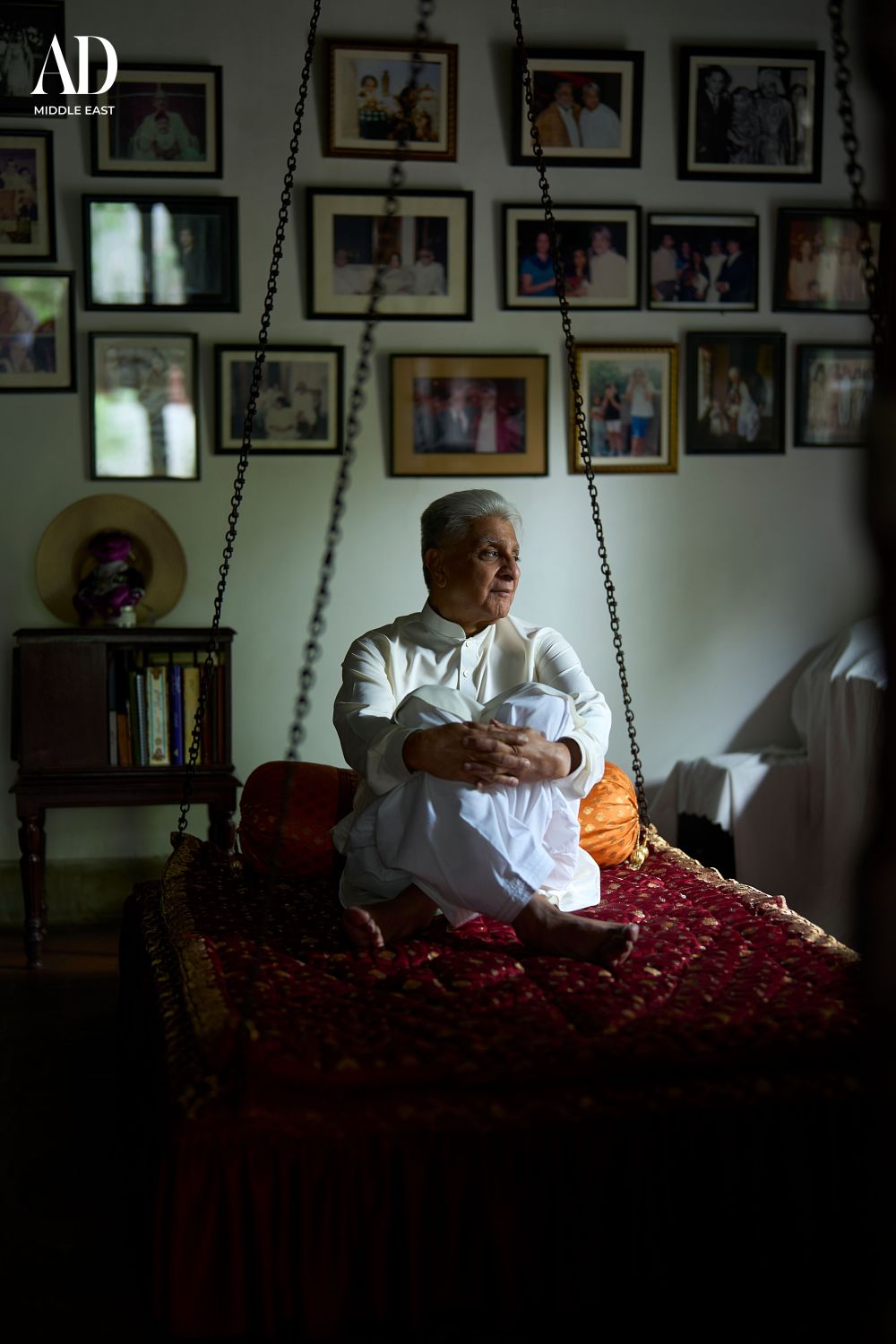
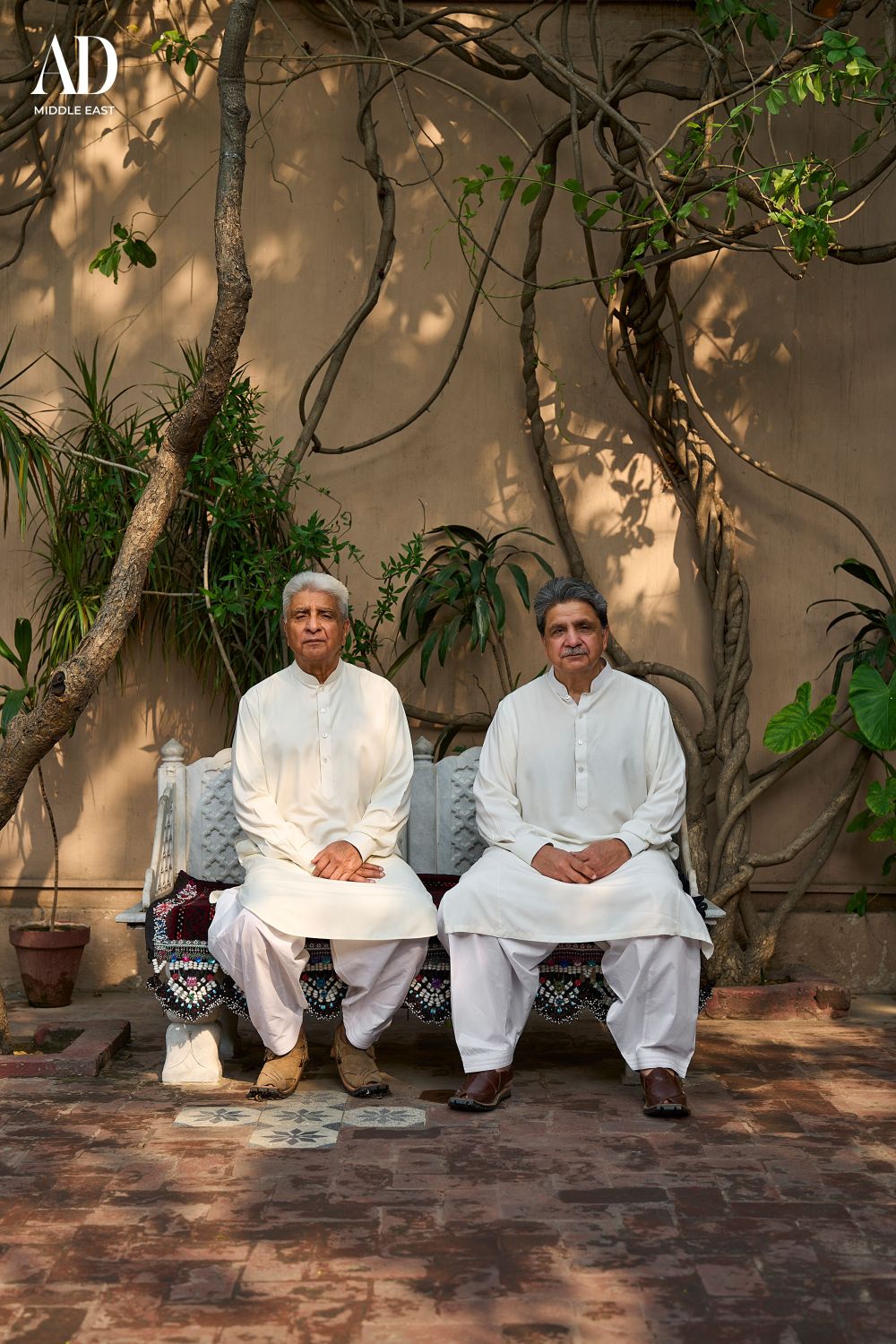
At its centre sits Mian Yousuf Salahuddin – music producer, philanthropist, and the man who refused to allow this historic family residence to become another forgotten relic. “The whole house was falling apart, and everyone had moved out,” he recalls. “I think my mother thought I was mad to move back in.” That was in the mid-1980s. Four decades later, Haveli Barood Khana stands restored and alive again – not as a museum or guesthouse, but as a home that continues to evolve. Spread across multiple wings within the same large structure, its 20-odd rooms open into five courtyards linked by narrow passages and shaded verandas. The layout reflects the traditional hierarchy of old Lahori homes: public spaces in front, private quarters tucked deeper within.
The home's layered history stretches back to the early 1800s, when it was built during Maharaja Ranjit Singh's rule. The haveli (a residential archetype typical of Mughal-era architecture) once served as the residence of Singh's military commander, positioned strategically near the city's defences. “It was part of the Barood Khana, which literally means ‘arsenal’,” Salahuddin explains. “In those days, only the most trusted general could command such a space... and so much ammunition.” When the British took control of Lahore in the mid-19th century, parts of the city were appropriated for new infrastructure, including one of its first water tanks, which happened to be where Salahuddin's ancestors then resided. In exchange, the family was granted adjoining properties – the same premises where he now lives.
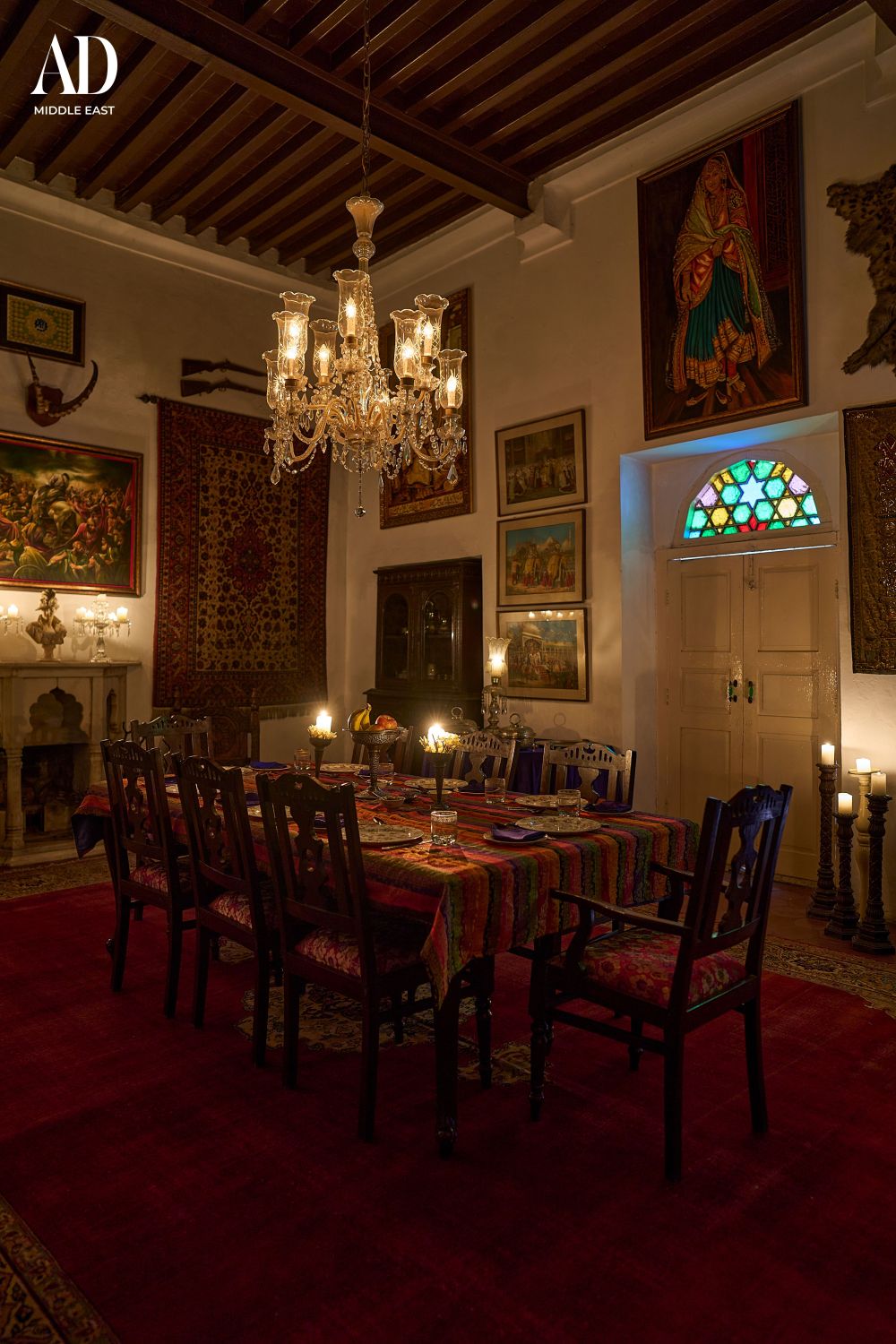
Over time, these properties evolved into two distinct wings: the mardan khana, where men entertained guests, and the zanan khana, reserved for women. The two were later linked through a modest dining hall built by Salahuddin's forefathers, one of the few later additions to the original structure. Its arched doorways, lime-plastered walls and thick timber beams still bear the marks of the craftsmen who built it over a century ago.
When Salahuddin returned in 1986, the restoration became less of a project and more of a way of life. “It has never really stopped,” he says. “Since the day I moved back, there’s always a roof being redone or a beam being replaced.” The construction techniques remain faithful to the old city’s architectural language: baked brick, lime mortar, timber and paka gali – a smooth limestone plaster that lends the walls a pale glow. In one wing, experts from the Aga Khan Trust for Culture stabilised cracked walls using injected adhesives. “This isn’t complicated work,” Salahuddin insists. “It just needs care and continuity.”
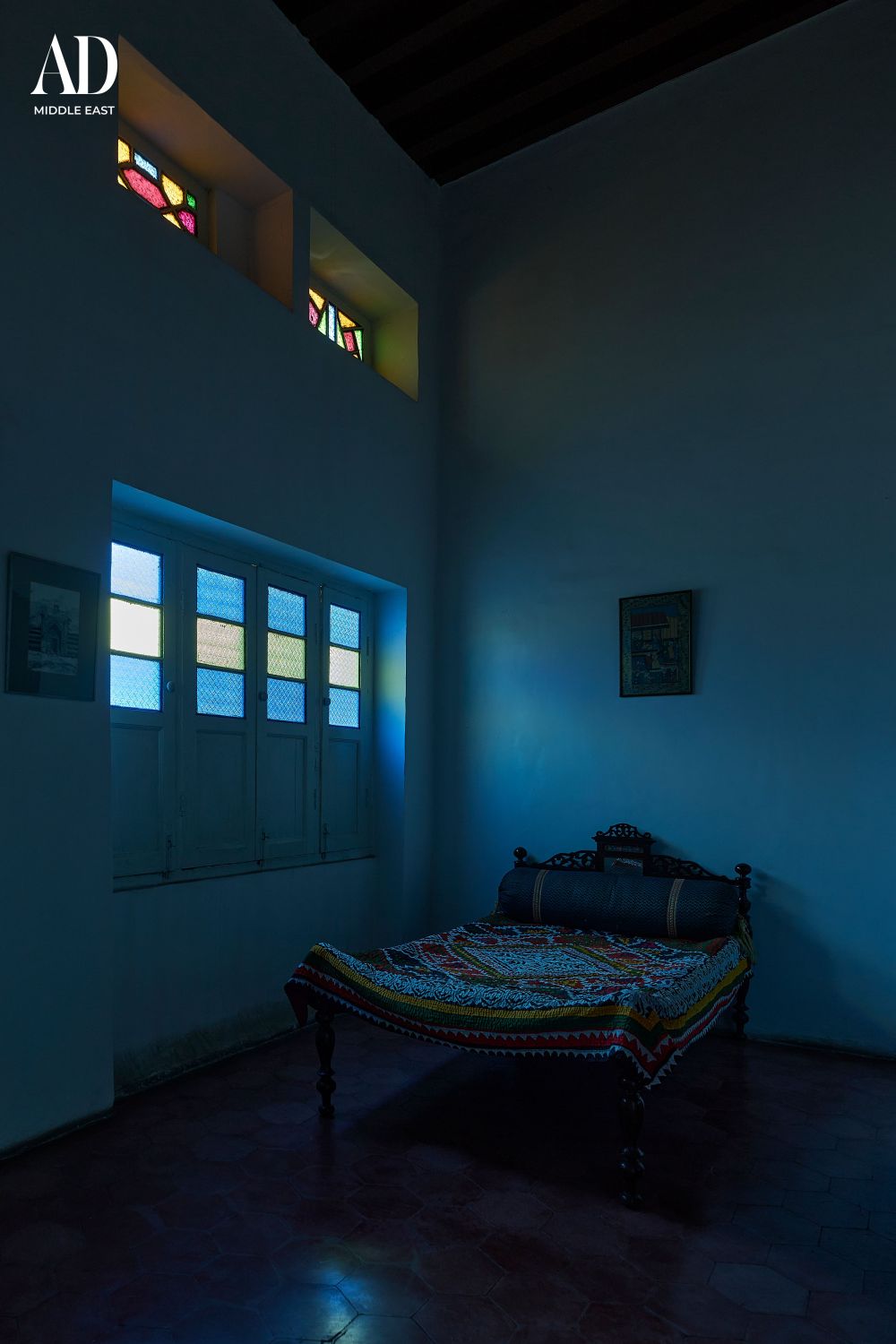
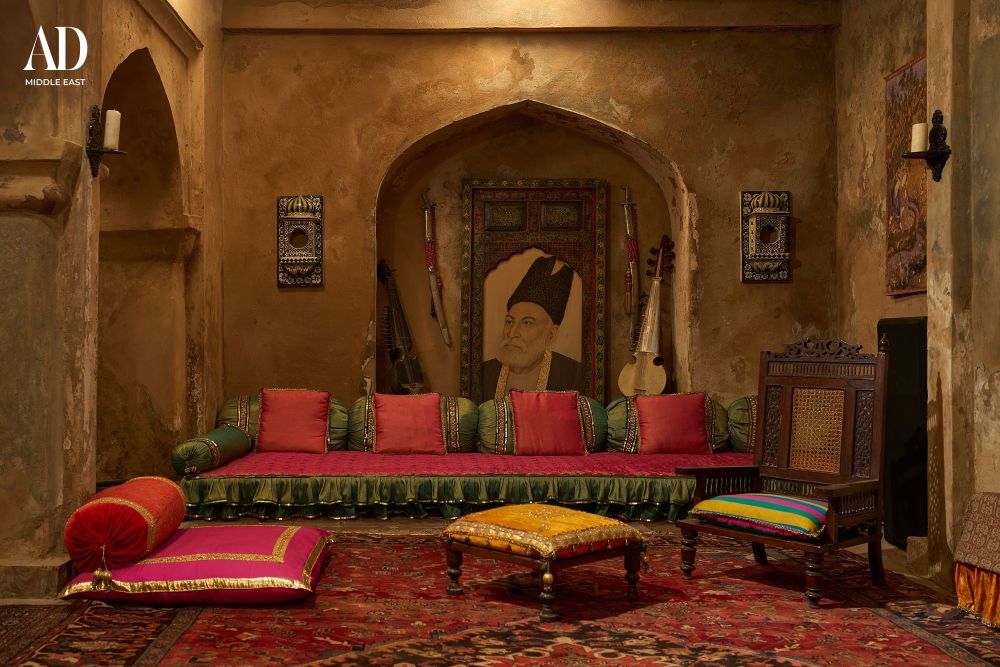
It is a philosophy that runs through each and every space. The Ghalib Room, for example, a cool, low-lit chamber in the basement once used during Lahore’s harsh summers, still shows remnants of its passive cooling system. “Water channels ran down to the earth-covered floor,” Salahuddin recalls. “They would wet the sand and place charpais [traditional beds] on top – it would bring the temperature down by a few degrees.” Today, it serves as an intimate music room for qawali singing sessions, a modern expression of the haveli’s long-standing relationship with art and performance.
Beyond its architecture, the haveli also carries the weight of national history. Salahuddin’s grandfather, Mian Amiruddin, played an active role in the 1940 Lahore Resolution meeting that laid the groundwork for Pakistan’s formation. A faded carpet now hanging in the dining room once lay on the very stage where it was held. “I was about to sell it,” he says, laughing. “My father happened to visit and recognised it just in time.”
Today, the haveli’s doors remain open – to artists, students, and curious travellers who come to sketch, photograph, or simply sit beneath its arches. It also doubles as the set for Salahuddin’s long-running PTV programme, continuing the building’s role as a gathering place for culture and conversation. “People ask me how much the entrance ticket costs,” he says. “I tell them there isn’t one. Everyone’s welcome to come and see it.”
For Salahuddin, living here isn’t about nostalgia. It’s about keeping a 400-year-old story from fading. “I was born here. My father was born here. My grandfather was born here,” he says
simply. “This house is where my roots are. That’s why I never left.”
- 转载自:AD(admiddleeast)
- 图片@AD(admiddleeast)
- 国家:美国
- 编辑:序赞网
- 翻译:序赞网
- 阅读原文
|
|