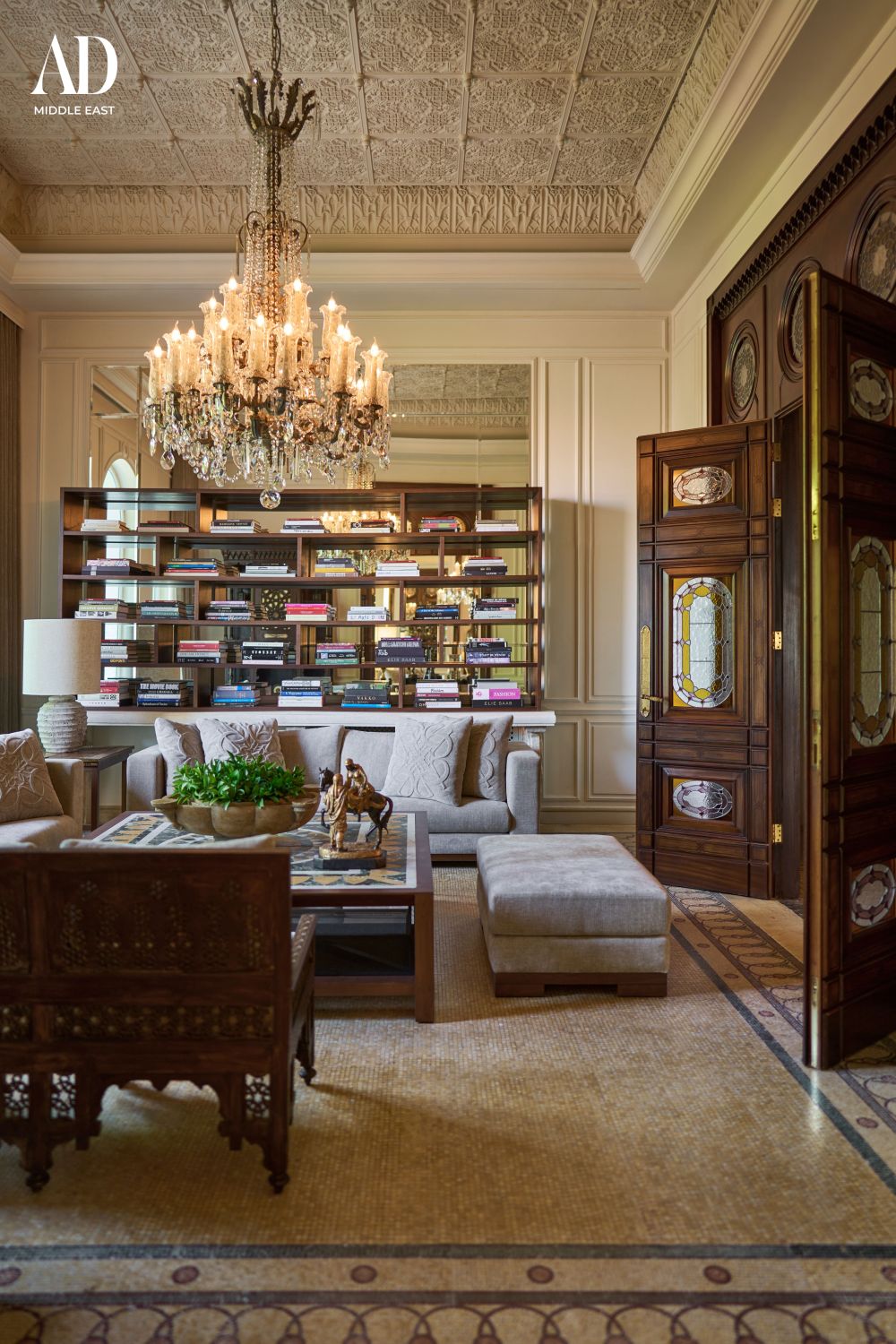
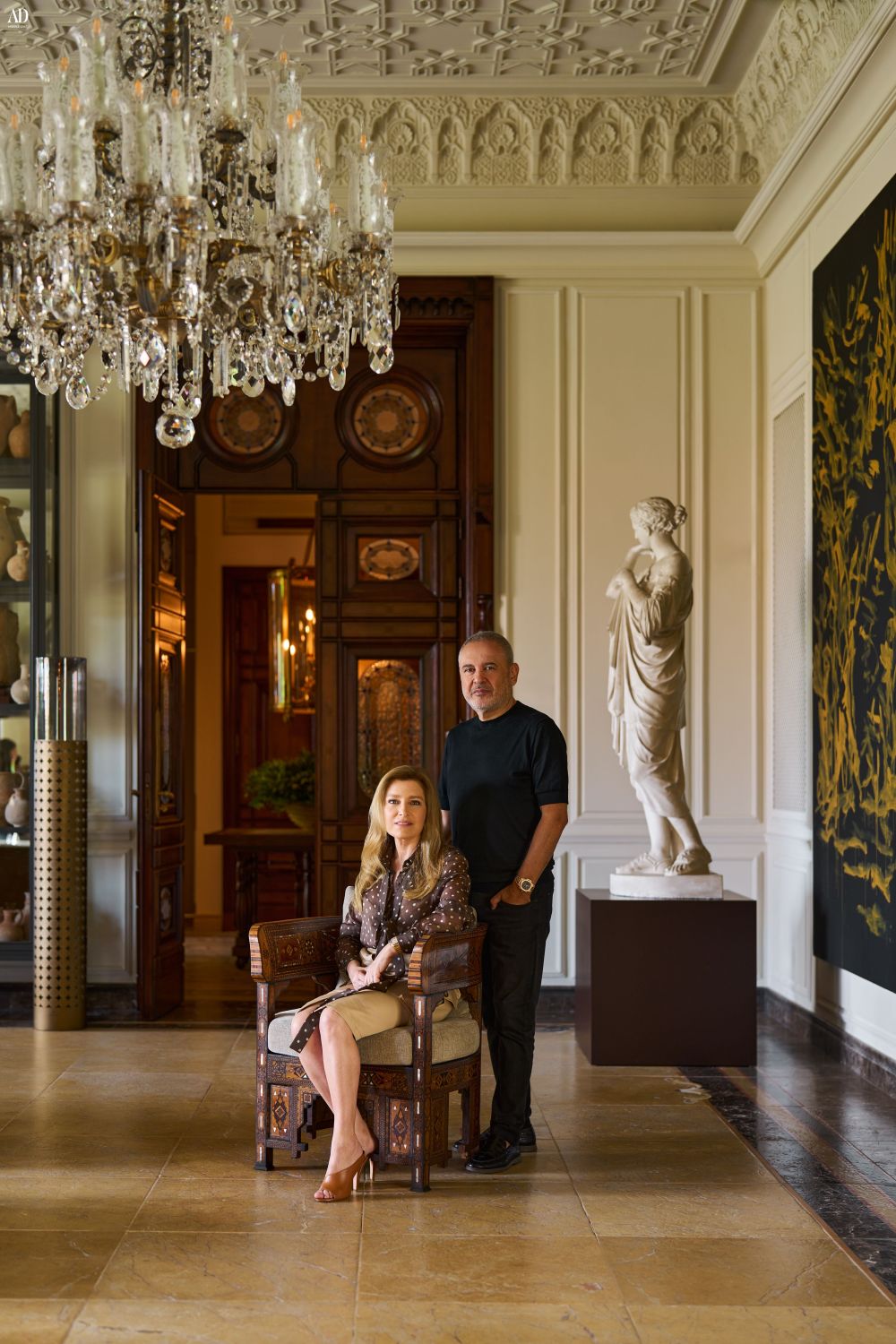
The streets around the Sursock Museum possess a rare kind of stillness. Jacaranda trees stretch above stone villas, wrought-iron balconies catch the afternoon light, and behind heavy wooden gates, fragments of Beirut’s history continue to unfold quietly, at times almost hidden from view. It is here, opposite Sursock Palace (the grand residence of one of Beirut’s most influential families, and a landmark of its architectural heritage), that the Lebanese couturier Elie Saab has found his newest home: one that continues his lifelong relationship with the neighbourhood.For nearly three decades, Saab has lived and worked within these few streets of Achrafieh. His atelier is only minutes away, as are several other properties he owns in the city, making this new residence feel less like a change of address than a return to a place he has long called home. “I feel like I belong here,” he says simply. His first encounter with the apartment came almost by chance. Drawn initially by its monumental wooden doors, he immediately thought of his father, who had always admired such craftsmanship. “He loved homes like this,” says Saab. “For him, a home felt enhanced when there was wood and beautiful doors. The moment I saw them, I knew this was the place I wanted to live in. I felt as though my father would also enjoy this type of home,” he recalls. “I thought, ‘I could do something beautiful here’.”
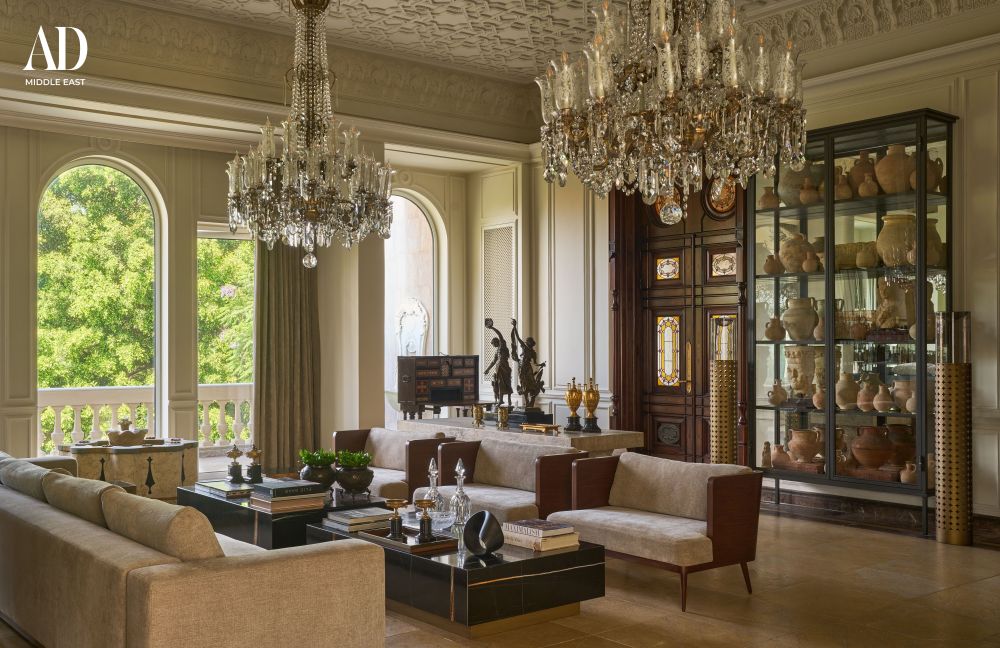
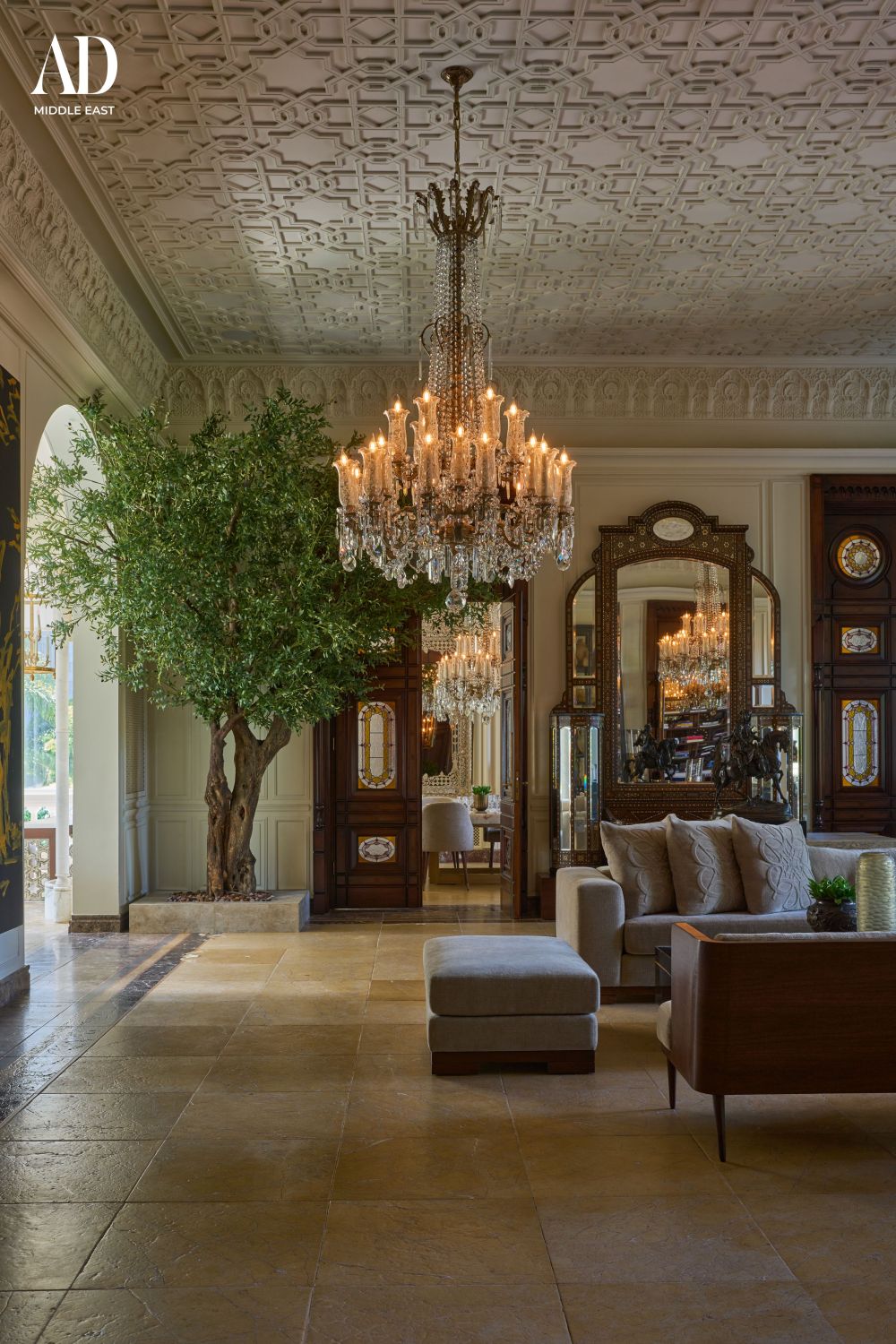
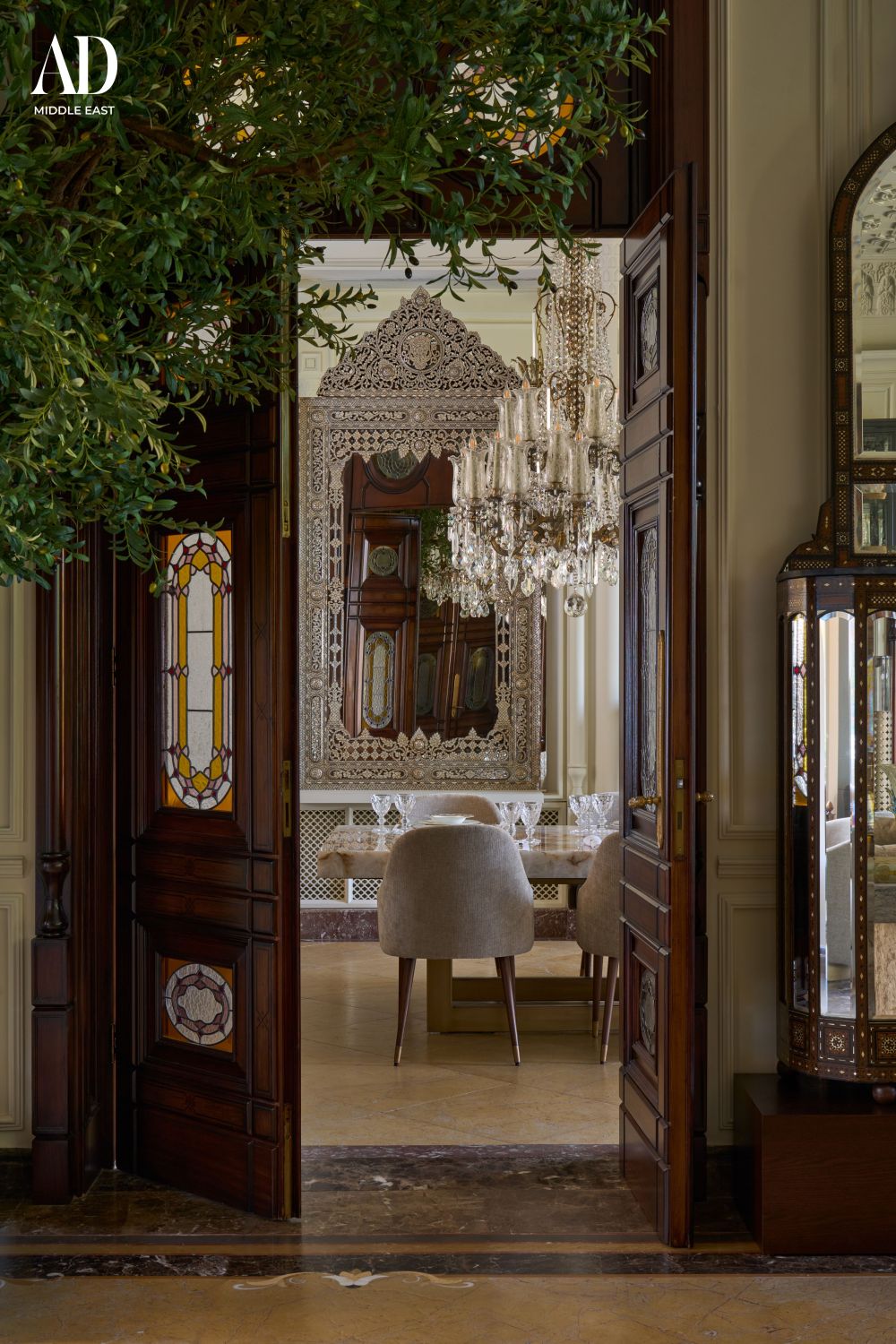
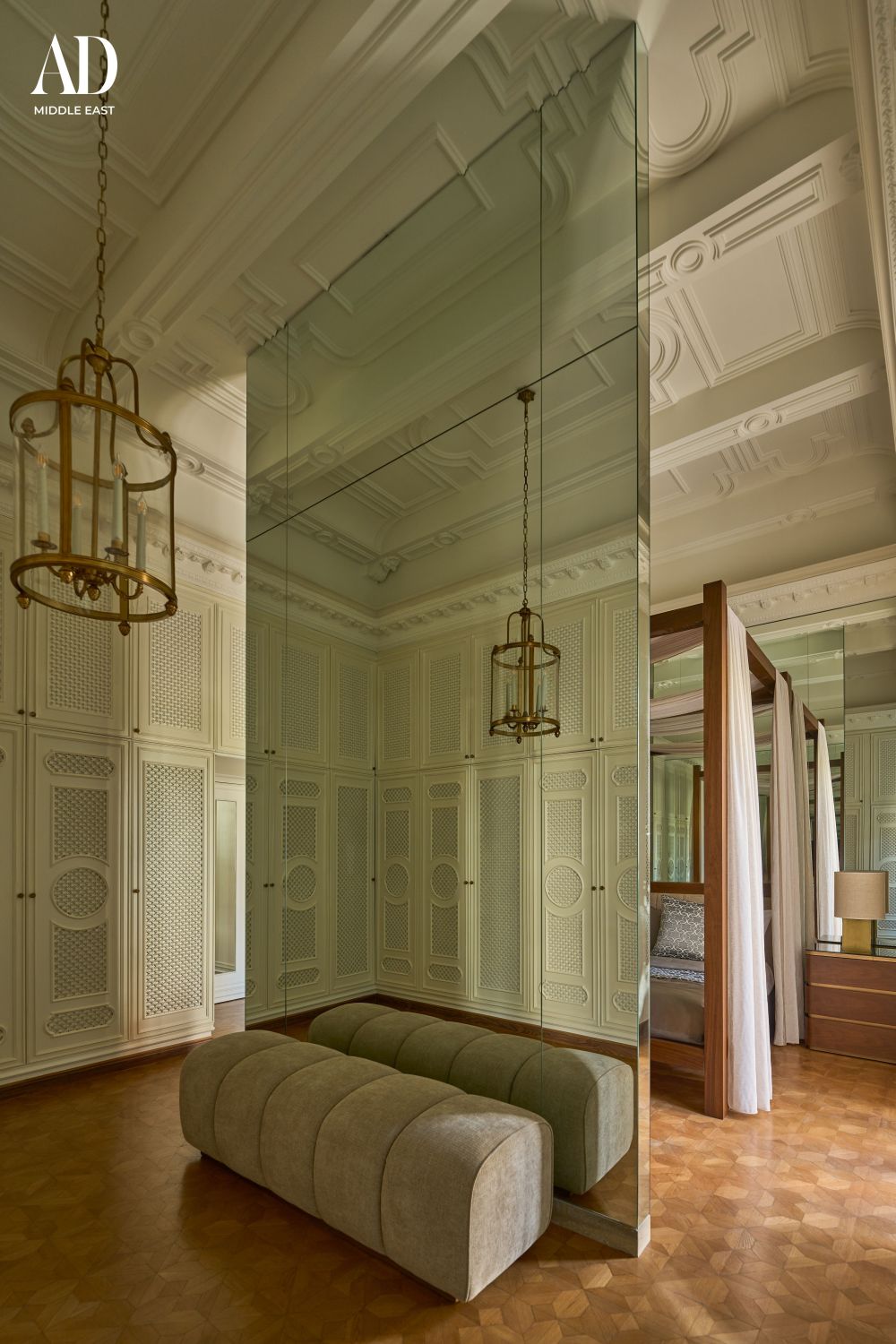
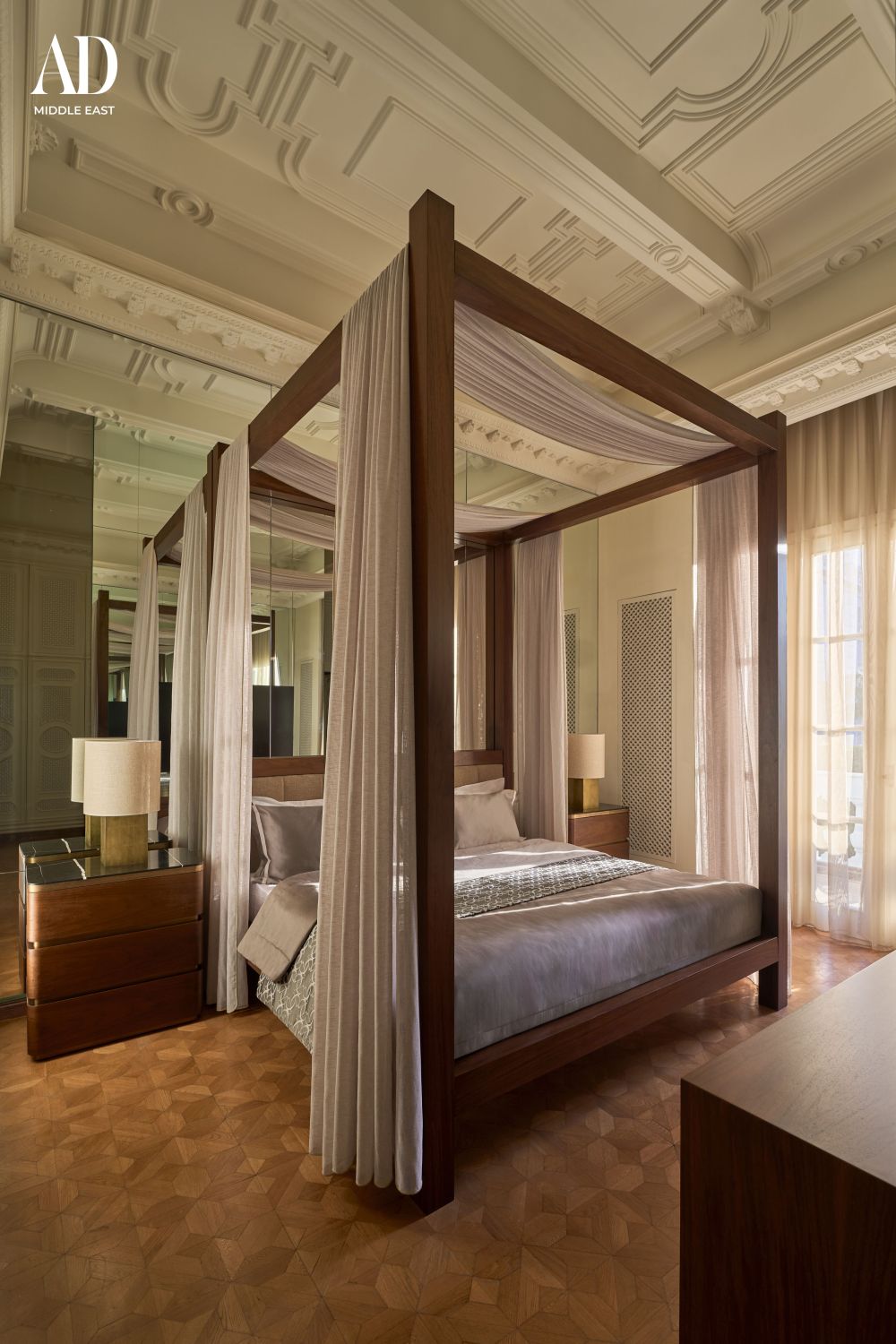
While structurally sound, the property required a year-long transformation before it reflected Saab’s sensibility. For him, the intervention was never about reinvention, but refinement. The home’s original proportions remained untouched. Its towering ceilings, generous salons, marble floors and architectural elements dating back to the end of the 19th century already possessed a remarkable dignity. At that time, a palace stood here; the building was reconstructed in 1960, with its architectural character carefully retained. In his turn, instead of replacing the original features, Saab layered over them.
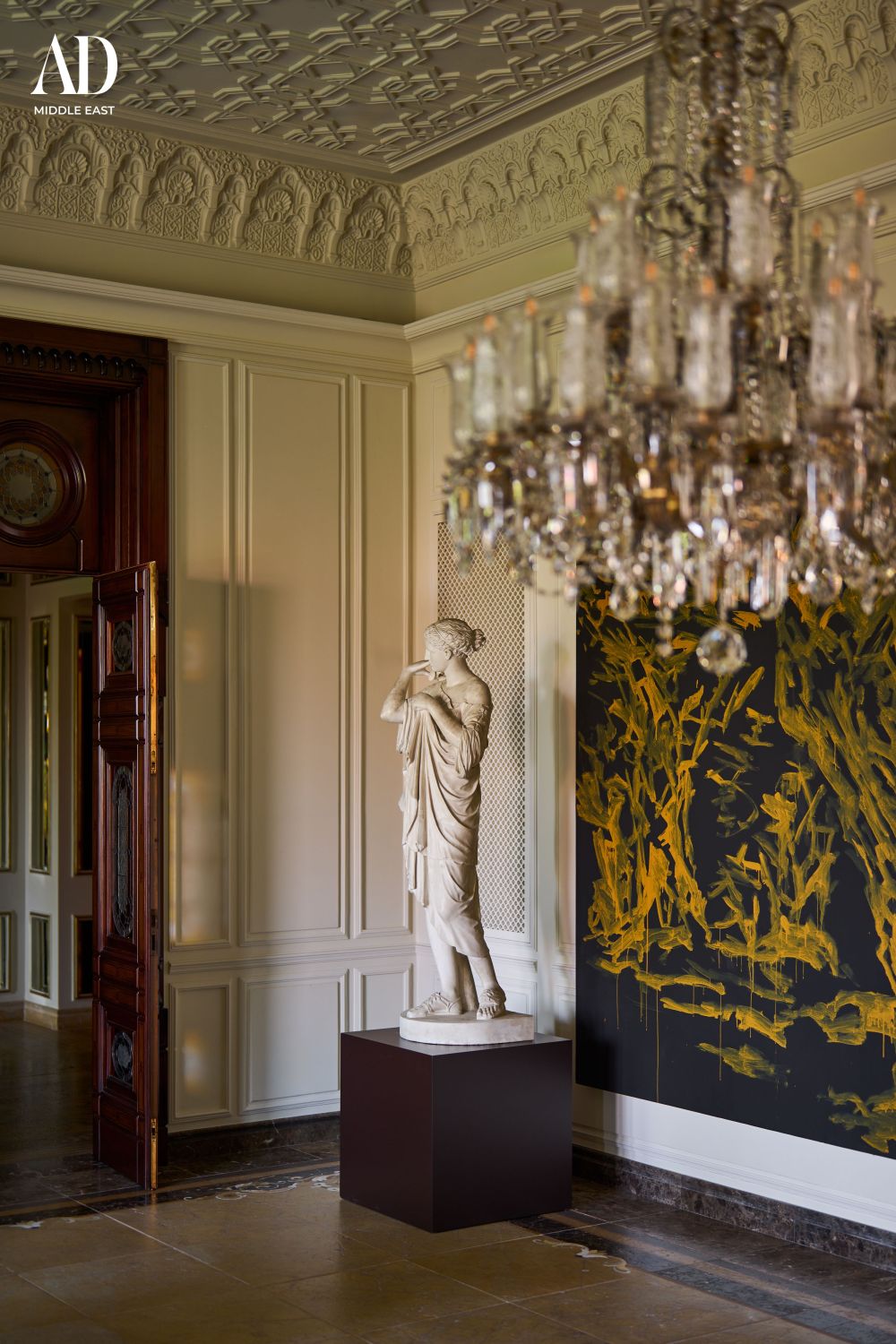
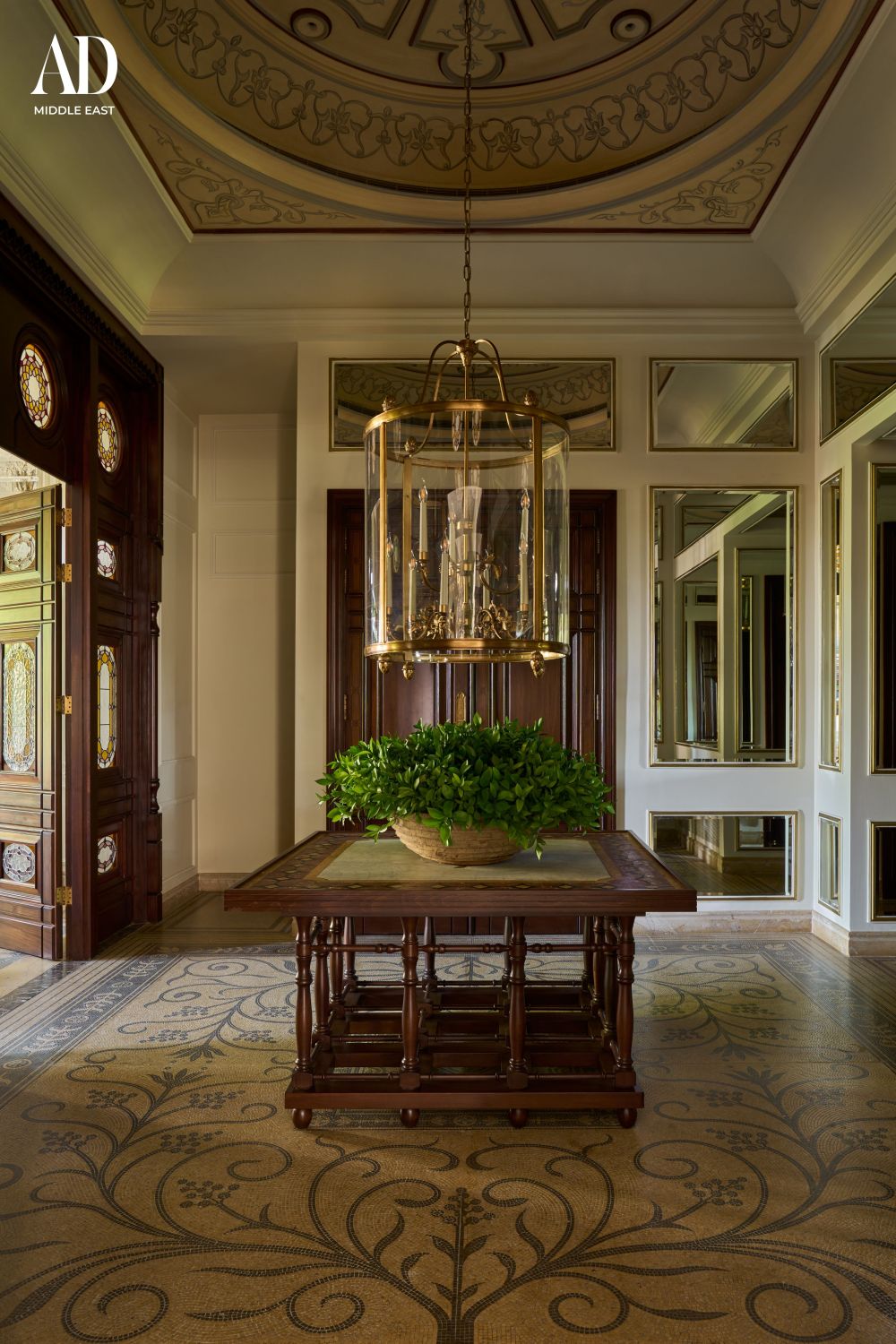
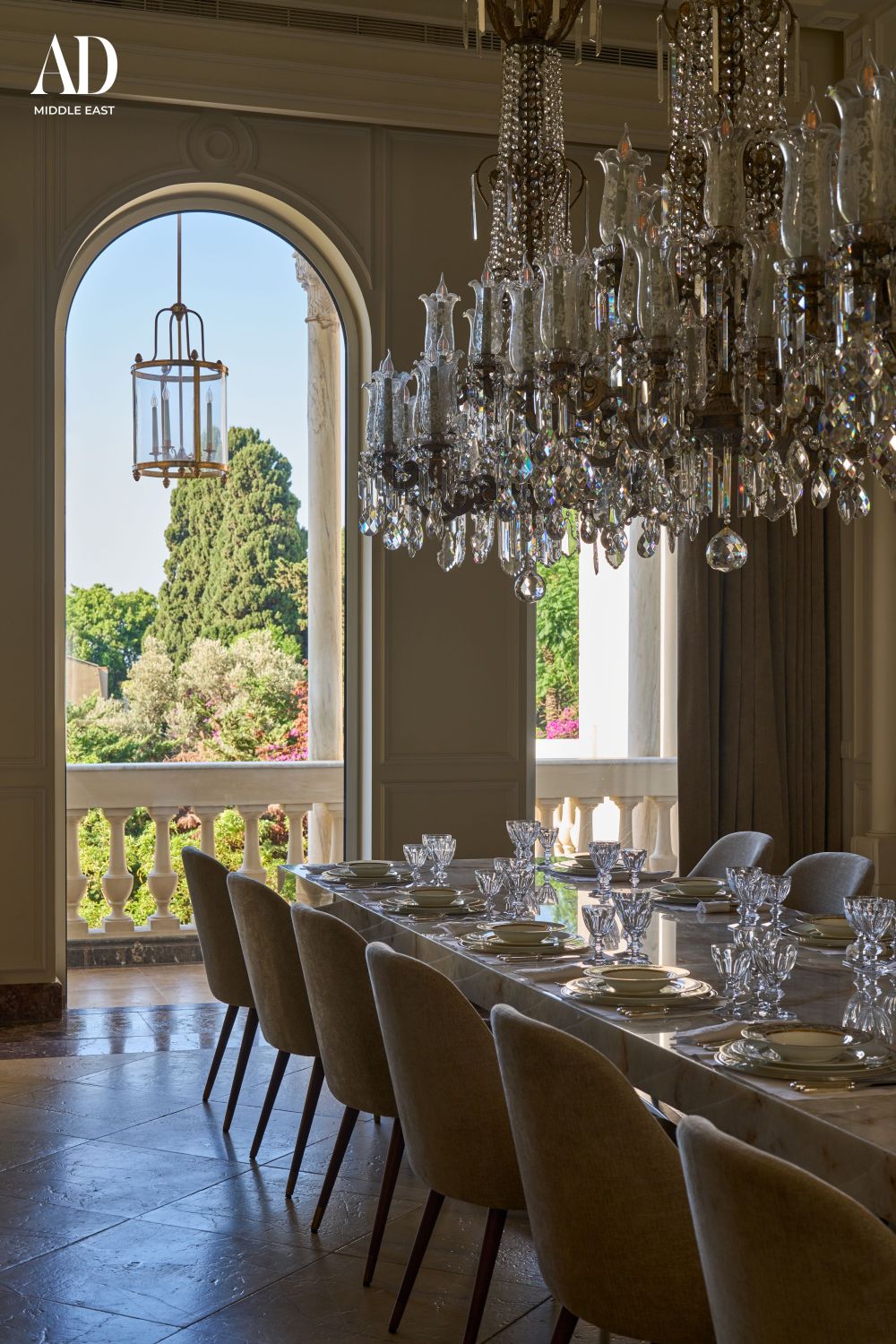
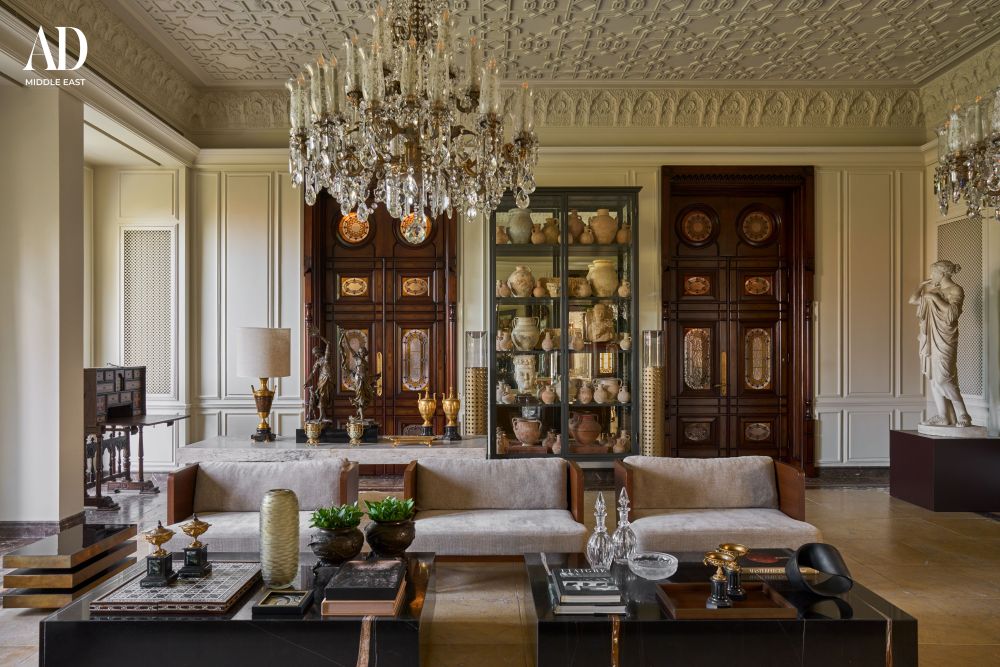
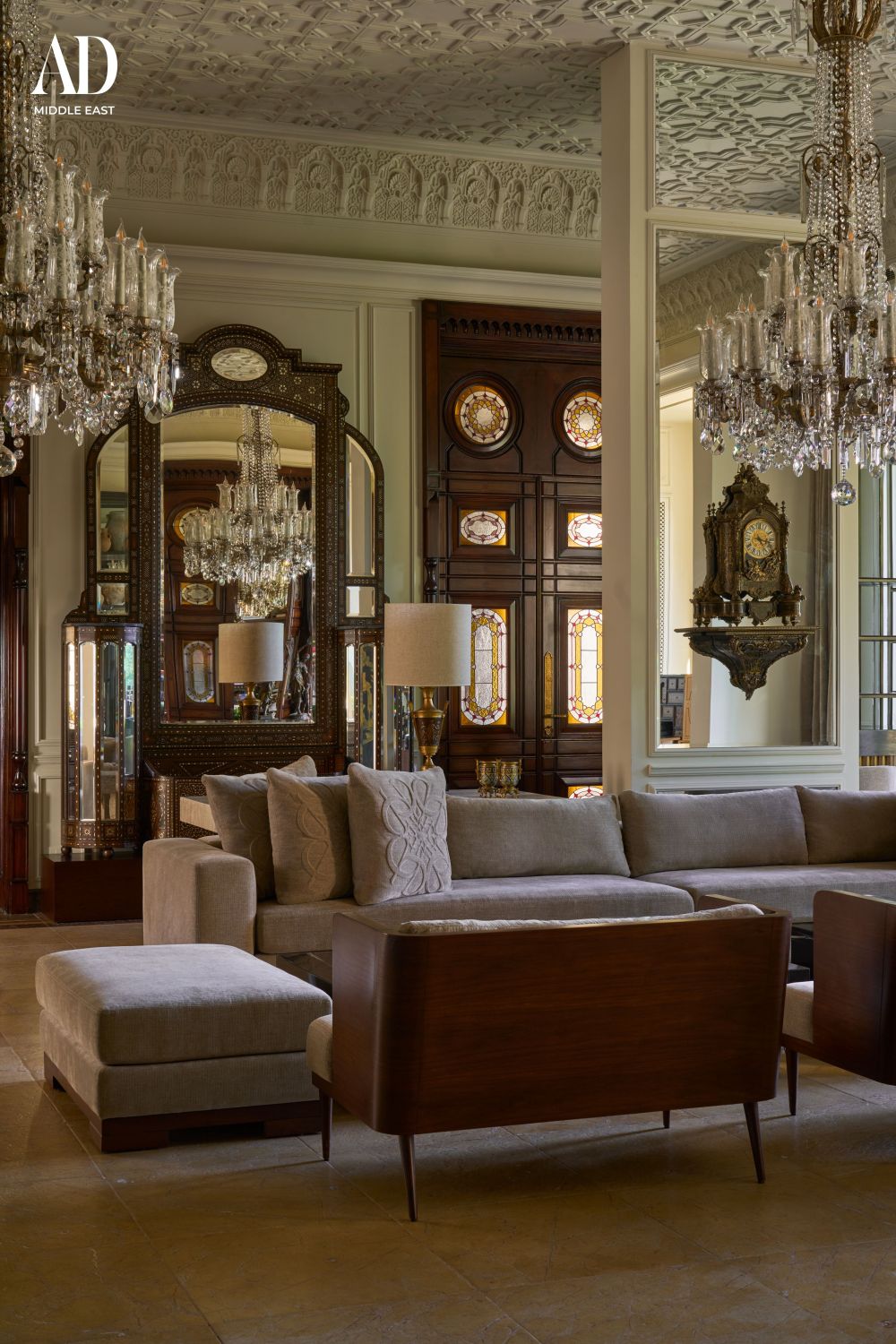
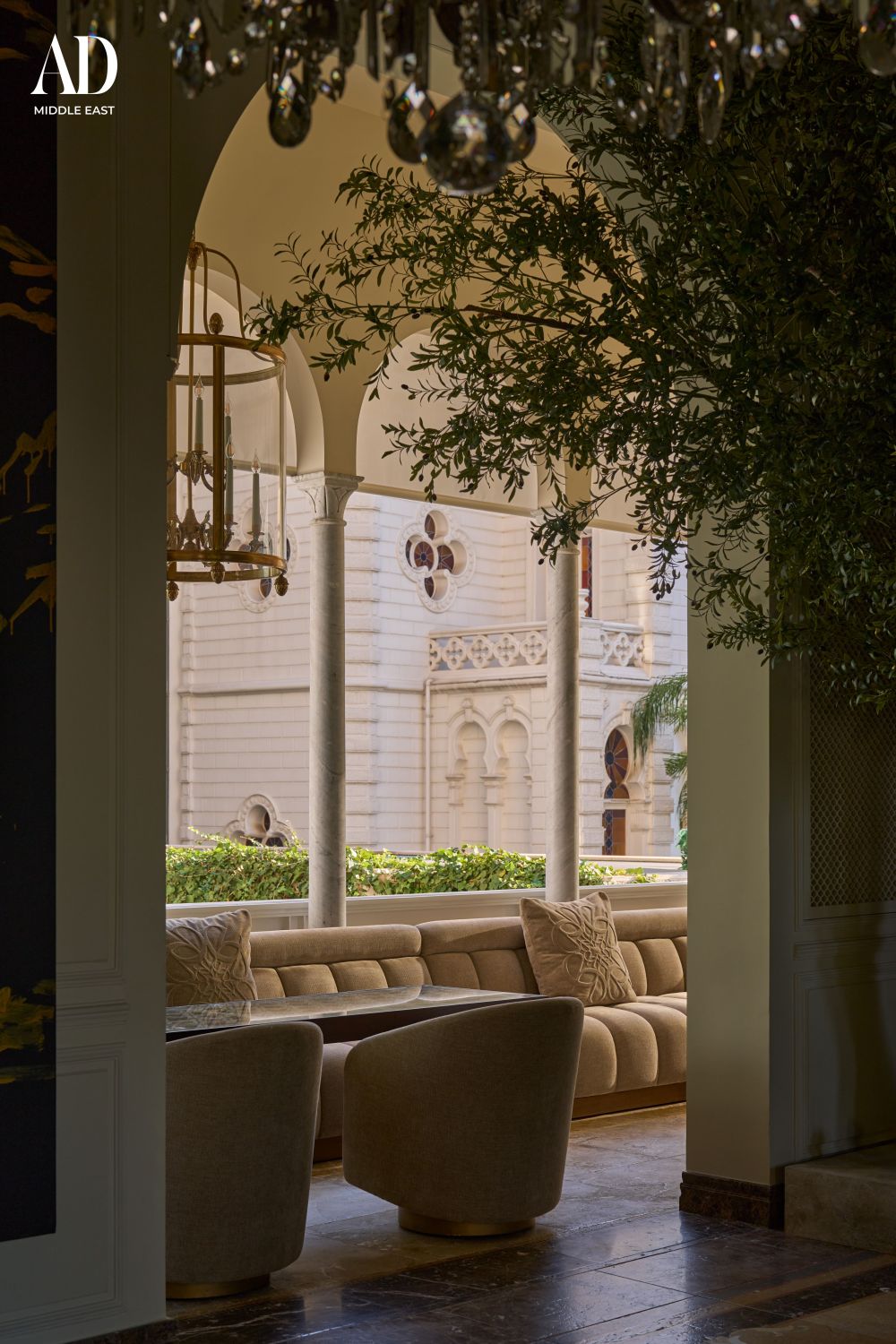
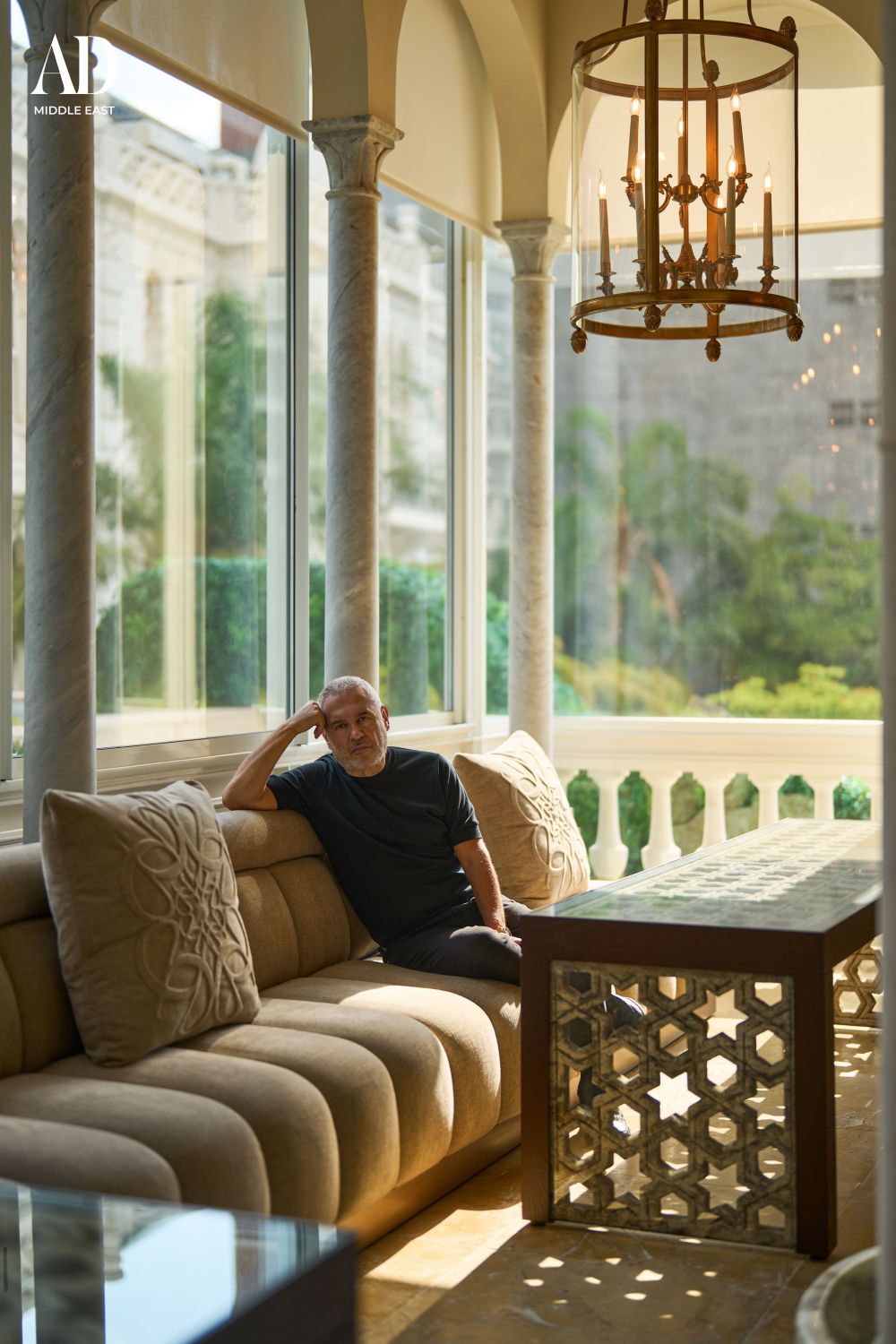
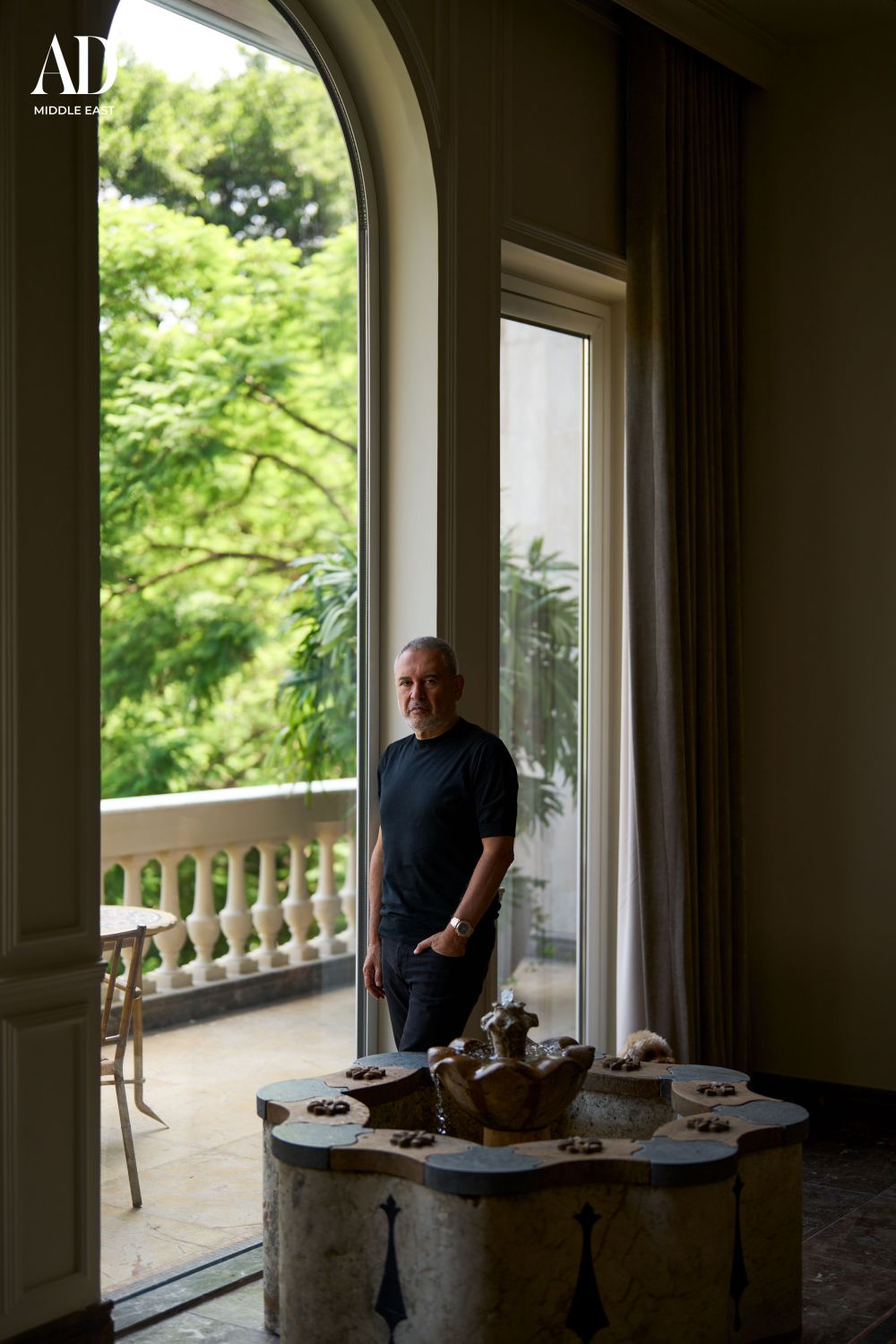
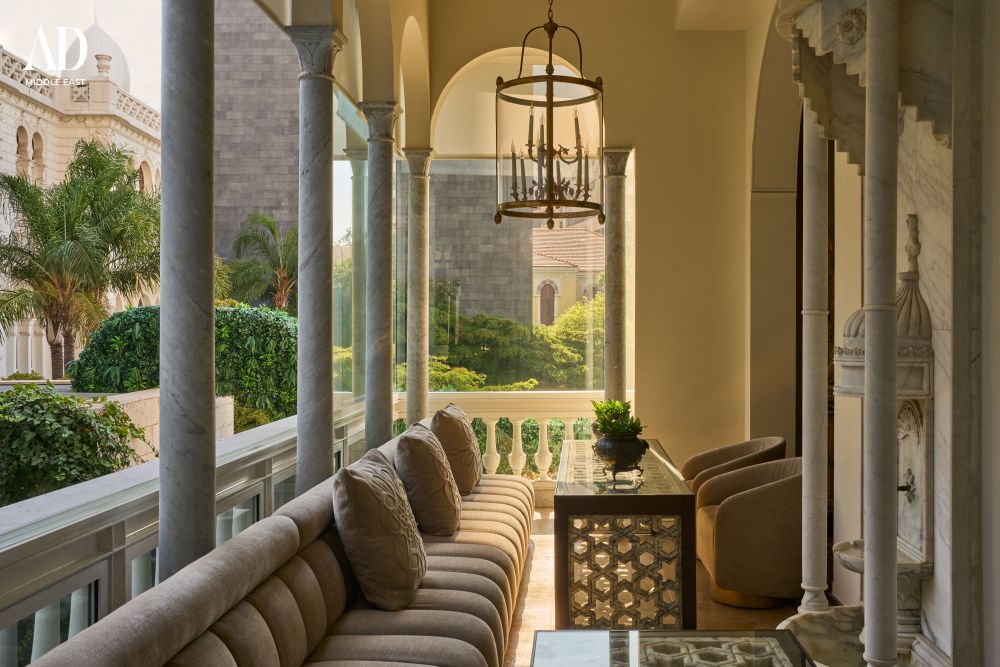
New ornamental ceilings inspired by Islamic geometry were introduced into the principal living spaces (“I wanted to emphasise the Islamic and Arabesque styles,” Saab explains). The stately wooden doors adorned with stained glass were softened into darker, more nuanced tones, while the terrace was redesigned with marble arcades that echo the building’s original columns. “Now the inside and the outside complete one another. They feel like part of the same composition,” says Saab. “But what really makes this particular space so special is the view of the Sursock Museum. When you sit here, it’s almost as if you’re sitting in its garden.”
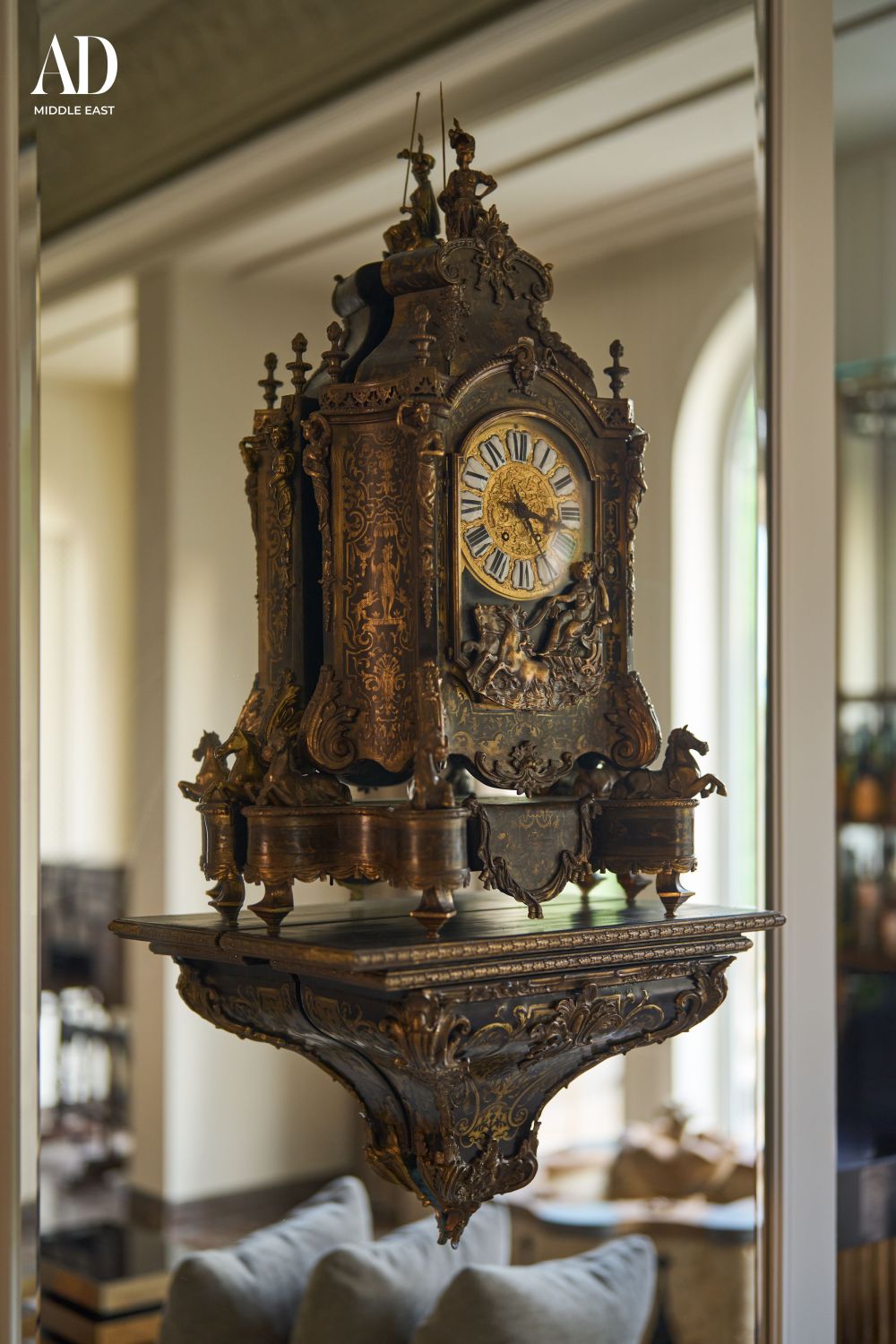
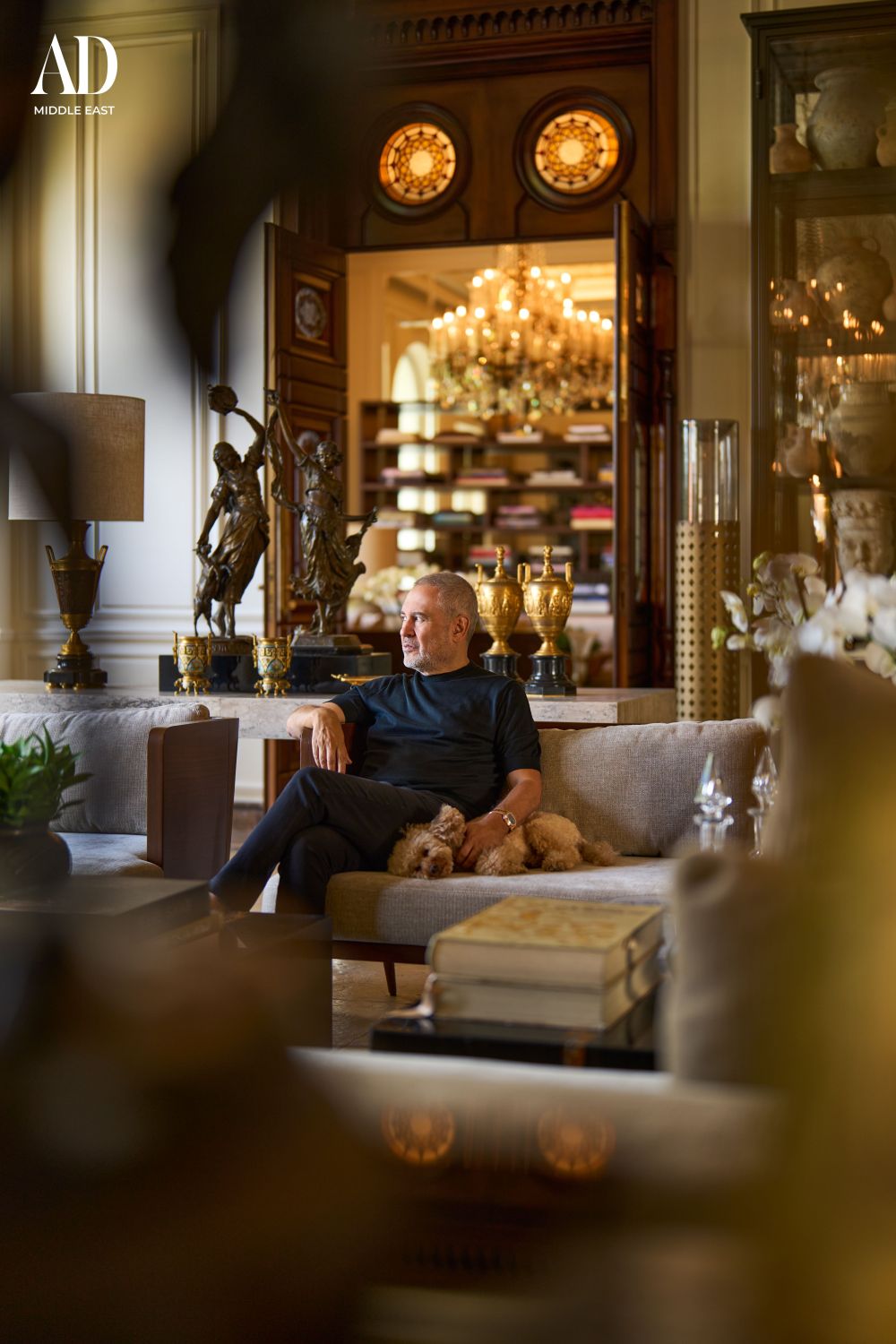
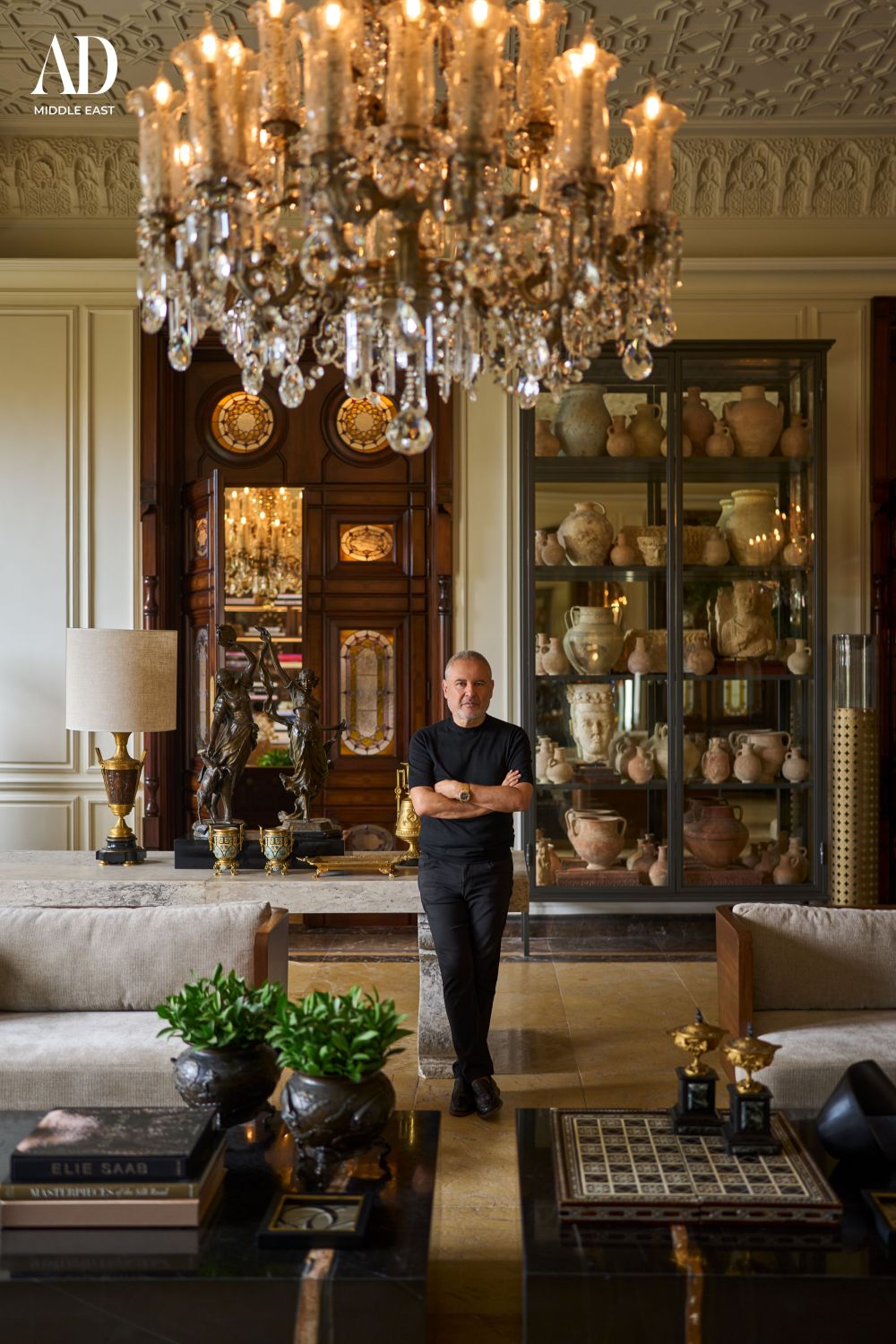
Working almost exclusively with Lebanese craftsmen, every architectural intervention became an affirmation of local expertise. While all of the modern furniture came from ELIE SAAB Maison, the designer’s eponymous home and furniture line, much of the rest had been patiently collected over decades. “I’ve spent my entire life collecting things,” he says. “Ninety per cent comes from my own collection.” Among the highlights is a compilation of antique pottery that was lovingly collected by his father over the years. “I made this whole cabinet so that it feels like he’s here,” Saab says with a smile. “It’s as if the cabinet is full of his own things. The home I want to live in has to have feeling. Every piece means something to me and has a reason for being here. It’s not by chance.”
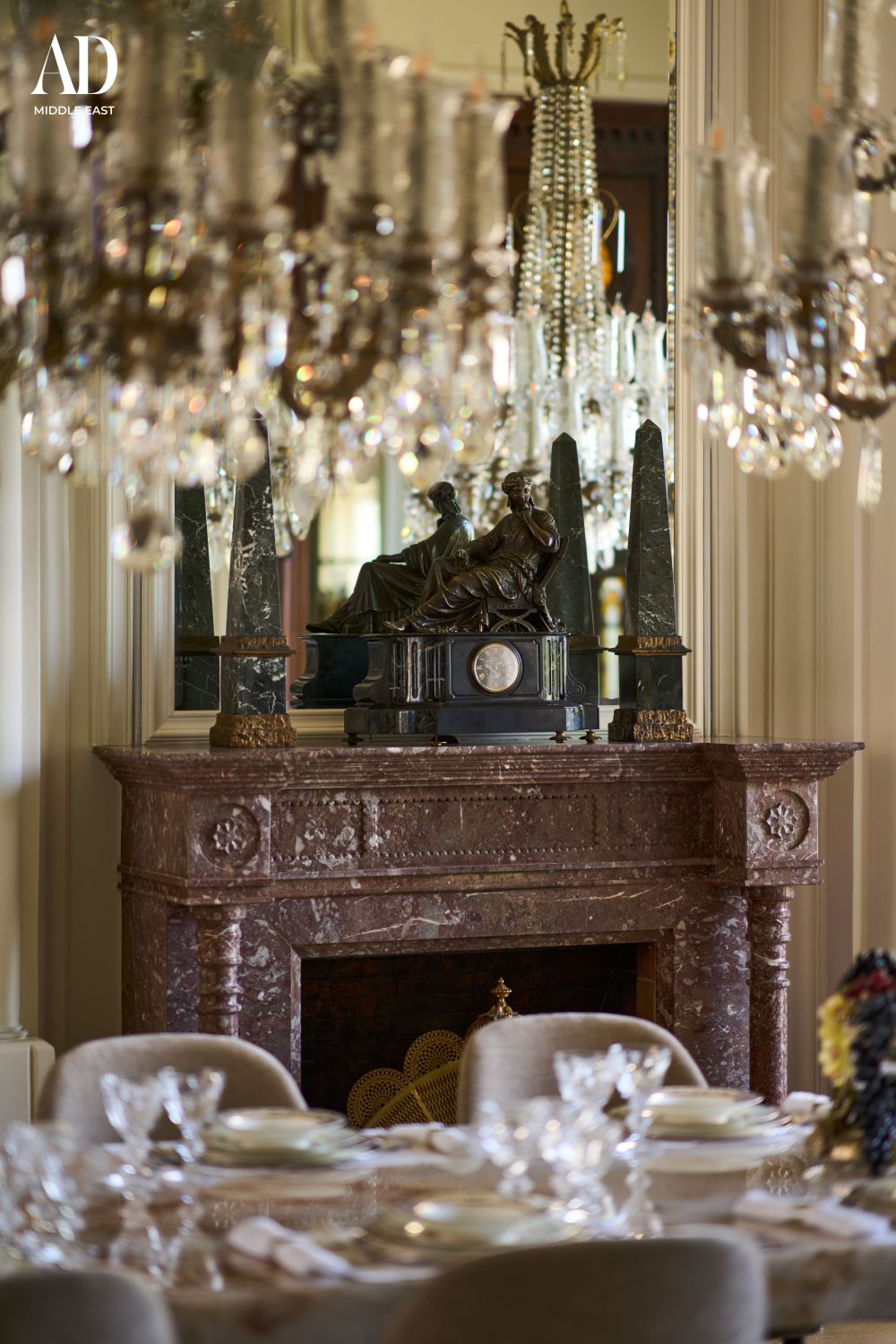
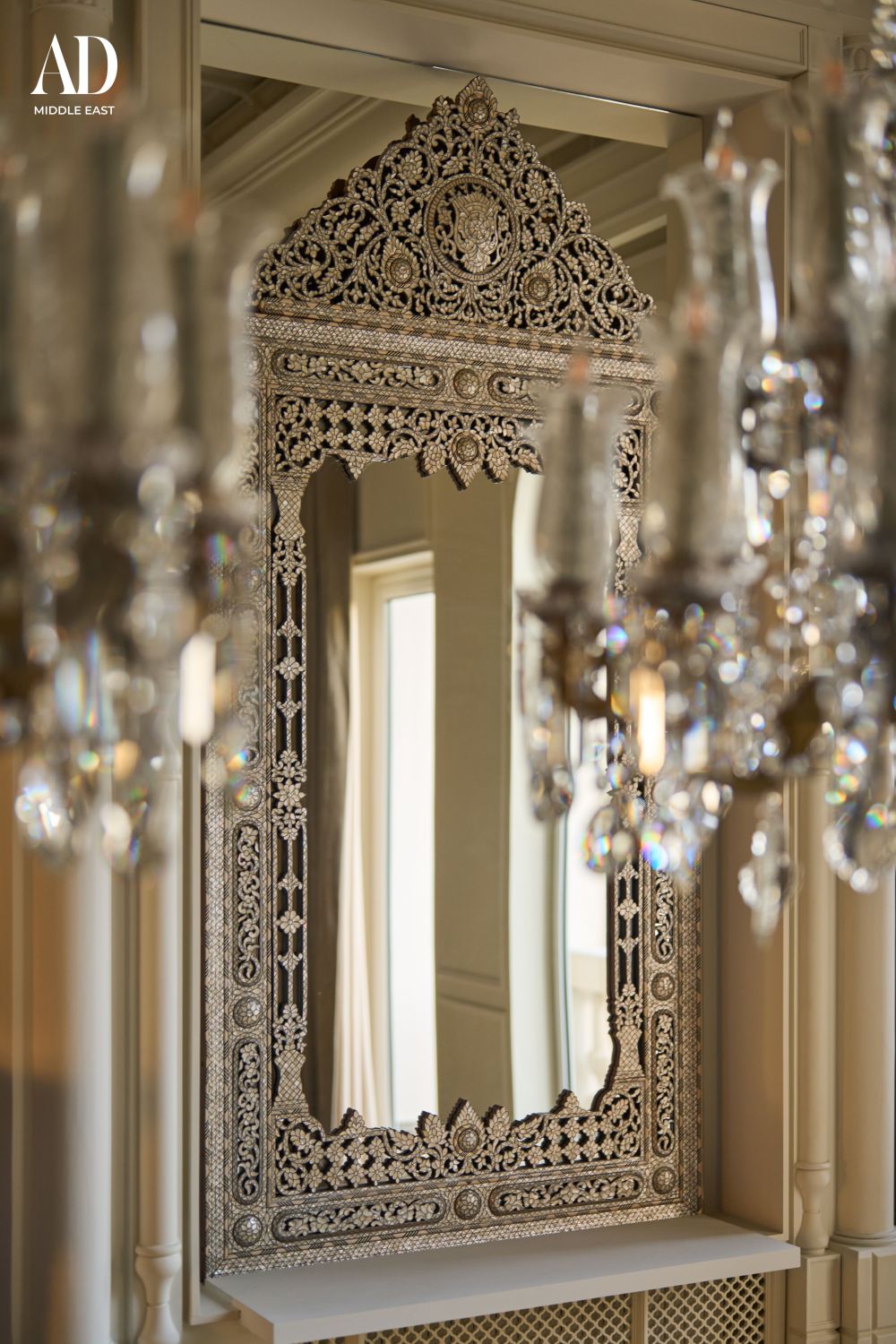
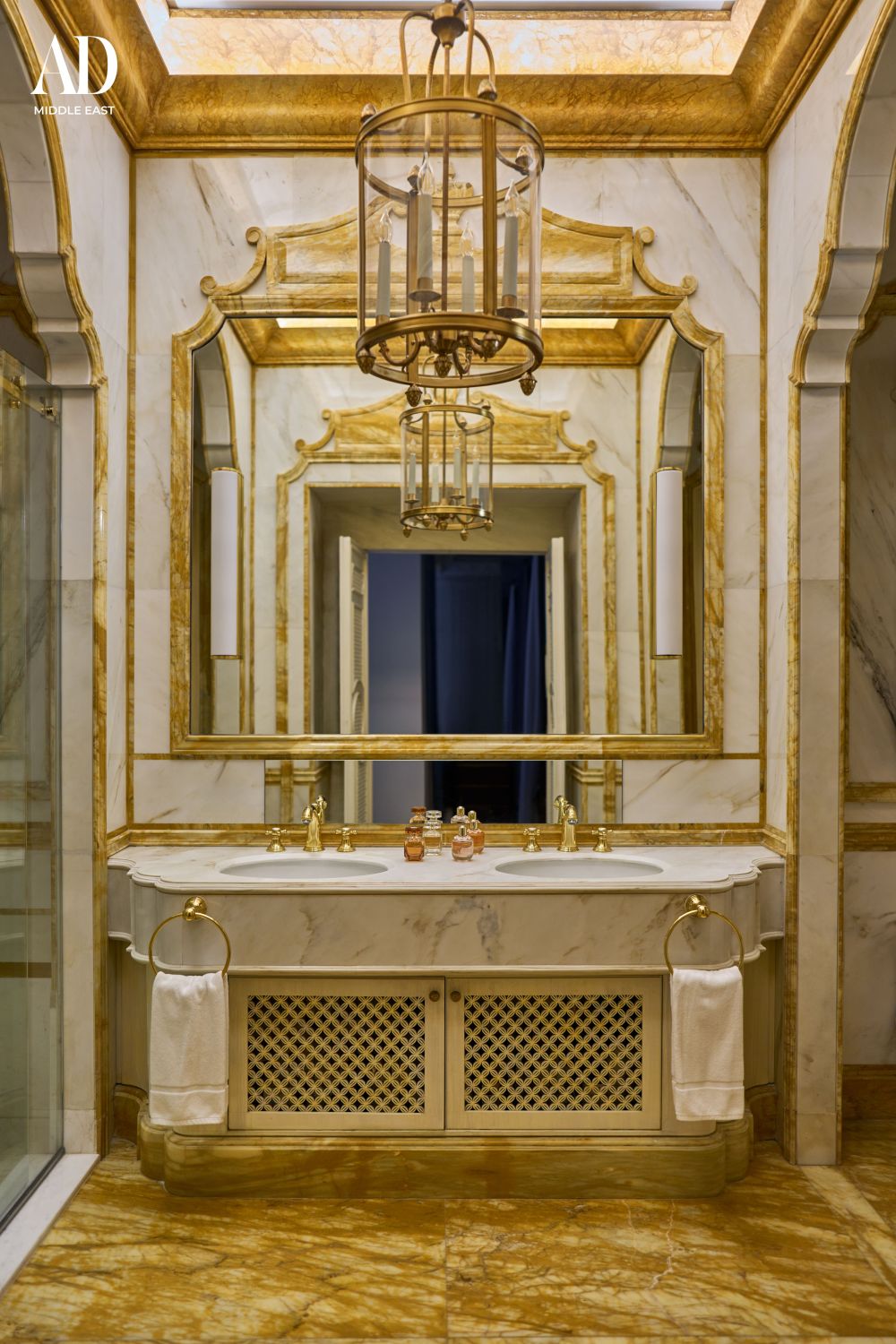
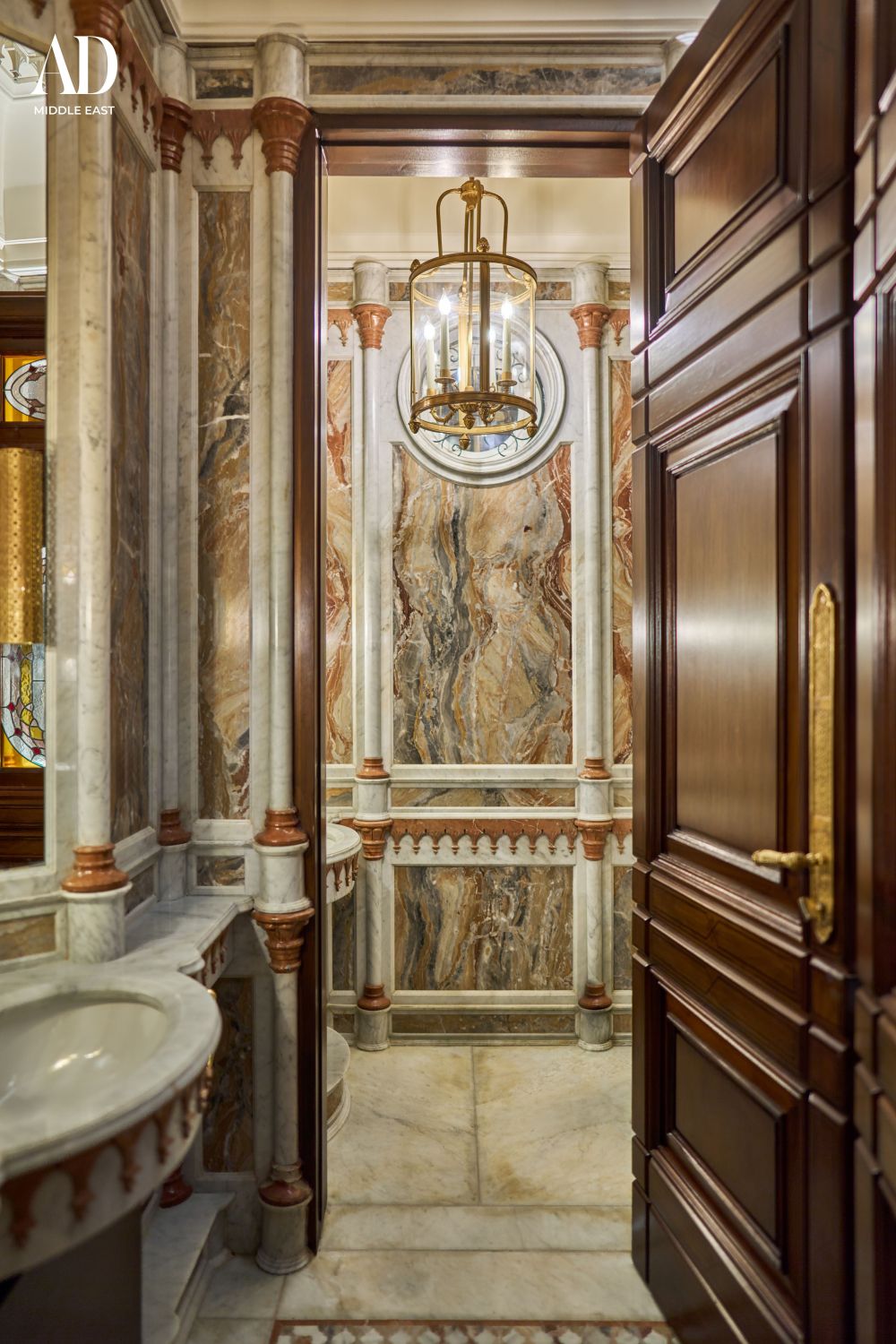
Rather than presenting history as a single narrative, the residence embraces the cultural crossings that have always defined Beirut itself. “In this home you have Phoenician, Roman, oriental and French influences. That’s Beirut,” says Saab. Throughout the space, European antiques sit beside treasures from the Arab world. Recently acquired antiques from China converse with handcrafted mirrors made by Syrian artisans, which are hung among Roman fragments and other remnants, many dating back to the Ottoman period. One of the few recent pieces acquired for the home is a fountain crafted from a single piece of marble that blends Syrian and Turkish influences, delicately adorned with carved tulips.believes historic homes deserve generosity rather than a minimalist approach. “When you go classic like this, the rooms must be rich,” he says. “You need to honour what the home already is.” That richness comes not through ornament alone, but also through balance. White walls introduce moments of restraint, allowing antique pieces to breathe. In one corner, the atmosphere feels almost contemporary; in another, unmistakably Baroque. Elegance, Saab insists, is never about materials or decoration. It lies in the dialogue between objects, textures and proportions.
The result feels unmistakably Saab’s own while refusing repetition. Each of his and his wife Claudine’s homes (whether in Beirut, the Lebanese mountains and coast, or abroad) develops its own identity according to its surroundings. This particular Beirut residence could exist nowhere else, he says, because it belongs entirely to this address.
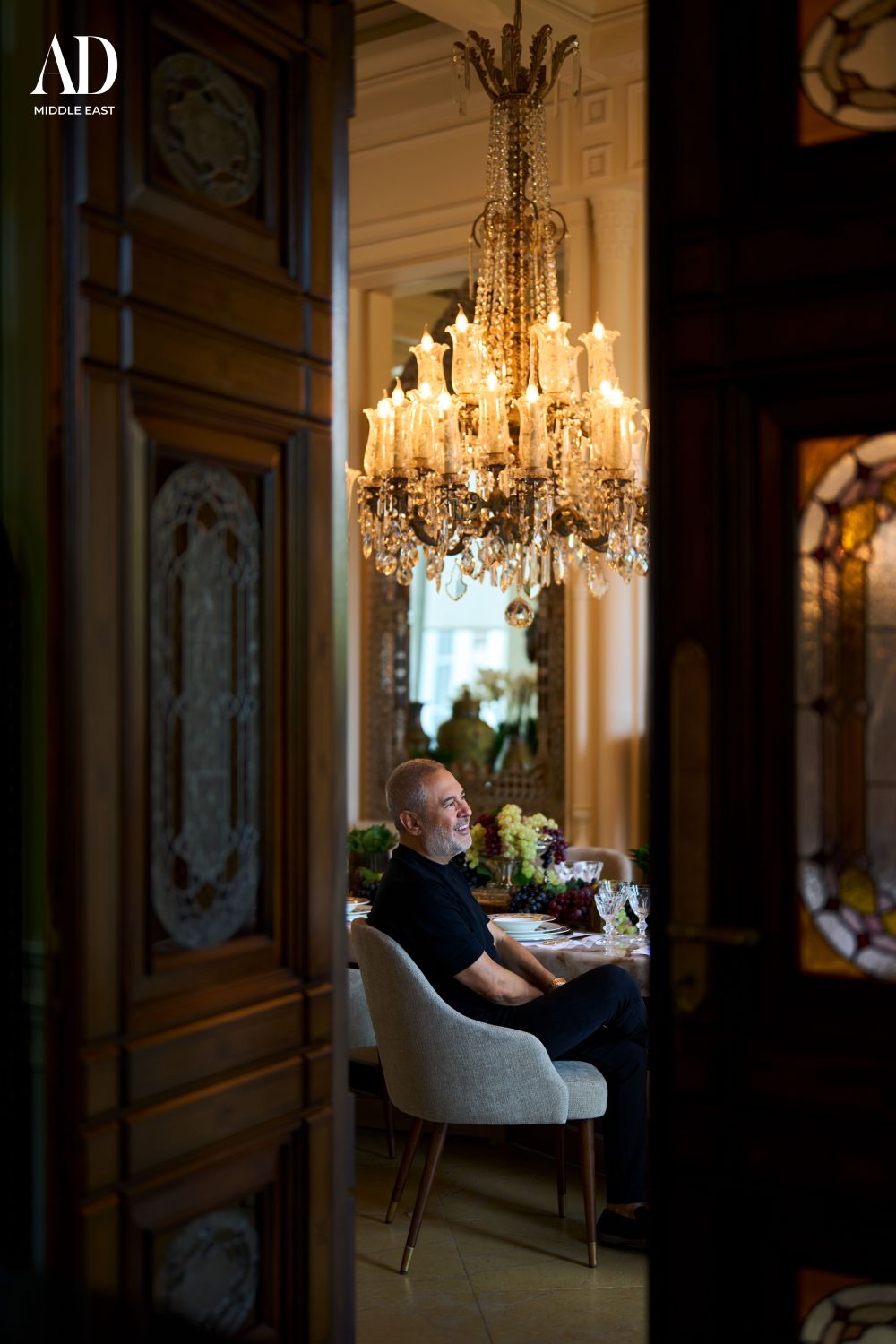
Although occupying nearly 900 square metres, Saab still refers to it as an apartment rather than a true “house”. His dream remains a standalone residence surrounded by gardens and mature trees in the heart of the city. Yet this apartment, flooded with natural light and overlooking the lush greenery of Achrafieh, comes remarkably close.Its greatest role, however, is neither symbolic nor ceremonial. Saab’s mornings begin quietly on the terrace with a cup of coffee, before heading to his atelier nearby. Evenings, on the other hand, are reserved for friends who, he insists, are really family. Formal entertaining has gradually given way to more intimate gatherings, where Elie Saab’s Beirut home becomes less a showcase than a place to live.
Perhaps that is why it feels so deeply authentic. “The people closest to me know that I rarely leave the house, especially when I’m in Beirut,” Saab says. “Our homes aren’t staged; they are lived in. It feels like every evening there’s someone here. And it’s the same wherever I am, not just in Lebanon. As we say in Arabic, al-bayt maftouh, my home is always open,” he continues. “To me, there’s no point in having a beautiful house if it’s empty. I love a home that’s full of warmth, full of people and full of love.”
For someone whose career has made him one of fashion’s most recognisable names, Saab speaks surprisingly little about legacy. Instead, he returns repeatedly to Beirut itself. “I don’t love my country out of emotion alone,” he says. “I love it because it has values. It has something I don’t find anywhere else.” That conviction explains why he continues to build, restore and invest in the city despite having homes across the world.
“My children’s homes are even more beautiful than mine,” Saab adds. “They grew up surrounded by this way of living, and they’ve carried it into their own homes. I’ve inherited this sensibility from my father, and my children have inherited it from me. They see the beauty in things in the same way that I do.”
“But beyond loving beautiful things, they know how to open their homes to others, and that makes all the difference,” Saab continues. “There are many people with breathtaking houses, yet they feel lifeless. Thank God, my children know how to fill their homes with life, and that’s something truly beautiful. It’s the greatest thing they inherited from me, and from their mother.”
- 转载自:AD(admiddleeast)
- 图片@AD(admiddleeast)
- 国家:美国
- 编辑:序赞网
- 翻译:序赞网
- 阅读原文
|
|