巴西事务所 Studio Arthur Casas,为理解与倾听设计
在与 Studio Arthur Casas 的交流中,他们告诉我们:“自事务所从 1990 年创立至今,支持我们不断前行的并非某种固定的形式语言,而是一种持续至今的工作方法:从倾听开始,以回应代替更新。我们始终将对气候、景观、光线、文化以及人的生活方式作为设计最初的线索。建筑不应作为脱离环境的‘对象’存在,而应成为一种由场地条件自然生长出来的结果。”无论尺度如何变化,从住宅、酒店到家具与城市项目,他们始终关心的都是同一个问题:如何通过空间的组织与感知,改善人们真实而具体的日常生活。
During the communication with Studio Arthur Casas, they informed us: "Since the establishment of the firm in 1990, the factor that has supported our continuous progress is not a fixed form of language, but a working method that has persisted until now: starting with listening, responding instead of updating. We have always regarded climate, landscape, light, culture, and human lifestyle as the initial clues for design. Buildings should not exist as 'objects' detached from the environment, but should be a result naturally grown from the site conditions." No matter how the scale changes, from residential buildings, hotels to furniture and urban projects, they always focus on the same issue: how to improve people's real and specific daily lives through the organization and perception of space.
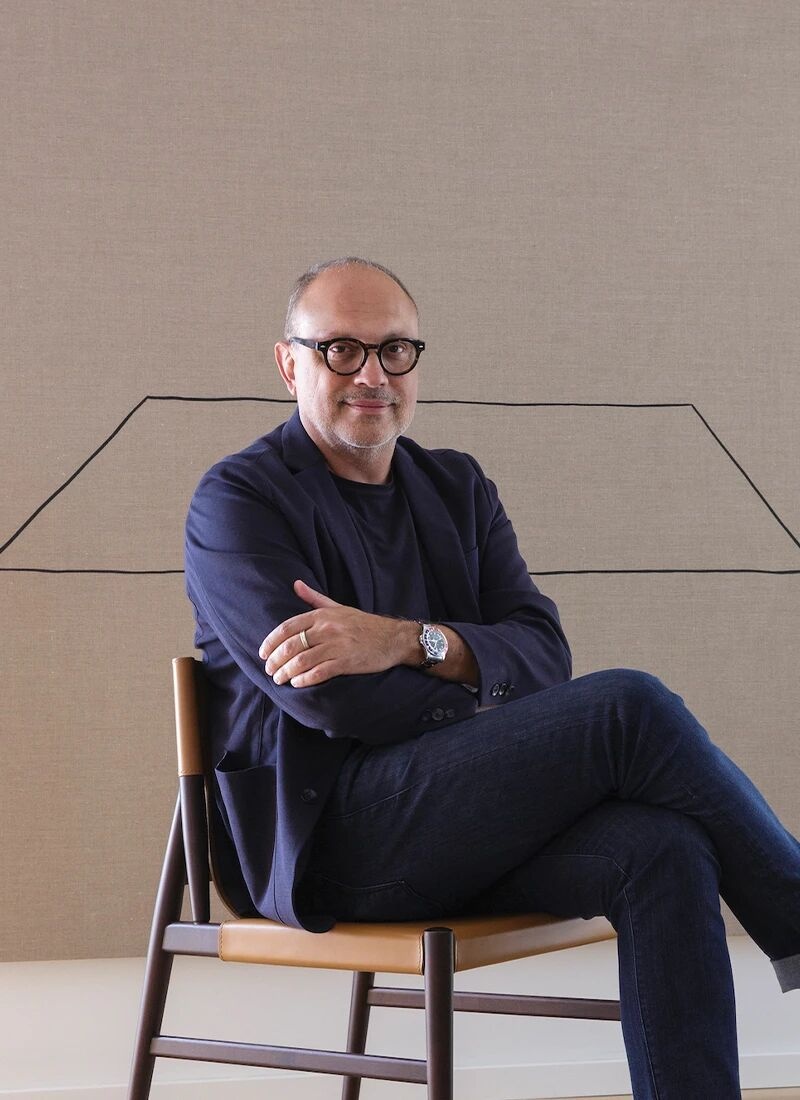
巴西设计师Arthur Casas
在此次呈现的四个项目中,我们几乎看不到对形式的刻意强调,Studio Arthur Casas 的关注点始终在建筑如何回应场地本身:顺应地形的起伏,接纳光线与气候的变化,尊重既有的历史与景观,并为真实的生活留出发生的空间。在 Arthur Casas 看来,优秀的建筑并非独立于环境之外的宣言,而是一种源于理解与倾听后的自然生成。也正因此,这些作品总带着一种近乎“必然”的气质——仿佛它们一直存在于那里,安静地维系着建筑、自然与人的关系。
Across the four projects presented here, there is little sense of architecture seeking to assert itself through formal gestures. Instead, Studio Arthur Casas remains deeply attentive to how buildings can respond to their context: adapting to the contours of the land, embracing the changing qualities of light and climate, respecting existing histories and landscapes, and creating space for life to unfold naturally. For Arthur Casas, meaningful architecture is not a declaration set apart from its environment, but something that emerges through understanding and listening. Perhaps this is why these works possess an almost inevitable quality — as if they had always belonged where they stand, quietly sustaining the relationship between architecture, nature, and human life.
印际:您的作品常常同时呈现出巴西与国际的双重特质。您如何在深受巴西现代主义传统影响的同时,回应不同文化与地域背景下的项目创作?
YINJISPACE: Your work often feels simultaneously Brazilian and international. How do you balance a strong connection to Brazilian modernist traditions with projects developed across different cultural and geographic contexts?
Studio Arthur Casas:巴西现代主义始终是我们的重要参照,尤其体现在对气候、景观、空间开放性以及材料真实性的关注上。但我们并不试图将一种固定的“巴西风格”复刻到世界各地。每一个项目都始于其自身的场地与文化语境。真正能够跨越地域传播的并非建筑形式,而是一些更为普遍的设计原则,例如自然通风、室内外空间的连续性、光线作为设计工具的运用,以及更加自由、自然的空间使用方式。这些原则能够适应不同国家和文化背景,并在尊重场地特质的前提下形成独特回应。因此,对我们而言,国际化并不意味着风格输出,而是在不同环境中持续实践相同的设计价值观。
Studio Arthur Casas: Brazilian modernism remains an important reference, particularly its relationship with climate, openness, landscape, and material honesty. But I don't approach projects with the intention of exporting a Brazilian language. Every project begins with its own context. What travels from one place to another are certain principles rather than forms: the importance of natural ventilation, the continuity between interior and exterior spaces, the use of light as a design tool, and a certain informality in the way spaces are inhabited. Those ideas can be relevant in very different parts of the world while still responding specifically to each place.
印际:无论是在私人住宅还是酒店等不同类型的项目中,您似乎始终都在关注如何创造促进人们聚集、交流与共处的环境。那么,您觉得建筑在塑造人际关系与日常生活方面扮演着怎样的角色?
YINJISPACE: Across projects as diverse as private homes and hospitality spaces, there seems to be a recurring interest in creating environments that encourage people to gather, interact, and spend time together. What role does architecture play in shaping human relationships and everyday life?
Studio Arthur Casas:建筑无法决定人们的行为,但能够为人与人之间的互动创造条件。空间之间的连接方式、自然光的引入、私密与公共区域的组织关系、流线设计的开放程度,以及与户外环境的融合,都会影响人们如何相遇、交流和共享生活。我们一直关注创造能够鼓励这些相遇与联系的场所。无论是住宅、酒店还是城市公共项目,建筑真正的意义在于支持生活本身,促进人与人的关系,并营造一种归属感。
Studio Arthur Casas: Architecture cannot determine human behaviour, but it can create the conditions for certain interactions to happen. The way spaces connect, the presence of natural light, the relationship between private and collective areas, the generosity of circulation, or the integration with outdoor spaces all influence how people meet, share experiences, and spend time together. I've always been interested in creating places that encourage those encounters. Whether in a family home, a hotel, or a larger urban project, architecture becomes meaningful when it supports life, relationships, and a sense of belonging.
Hotel Villa Dubrovnik
历史与当代的交融
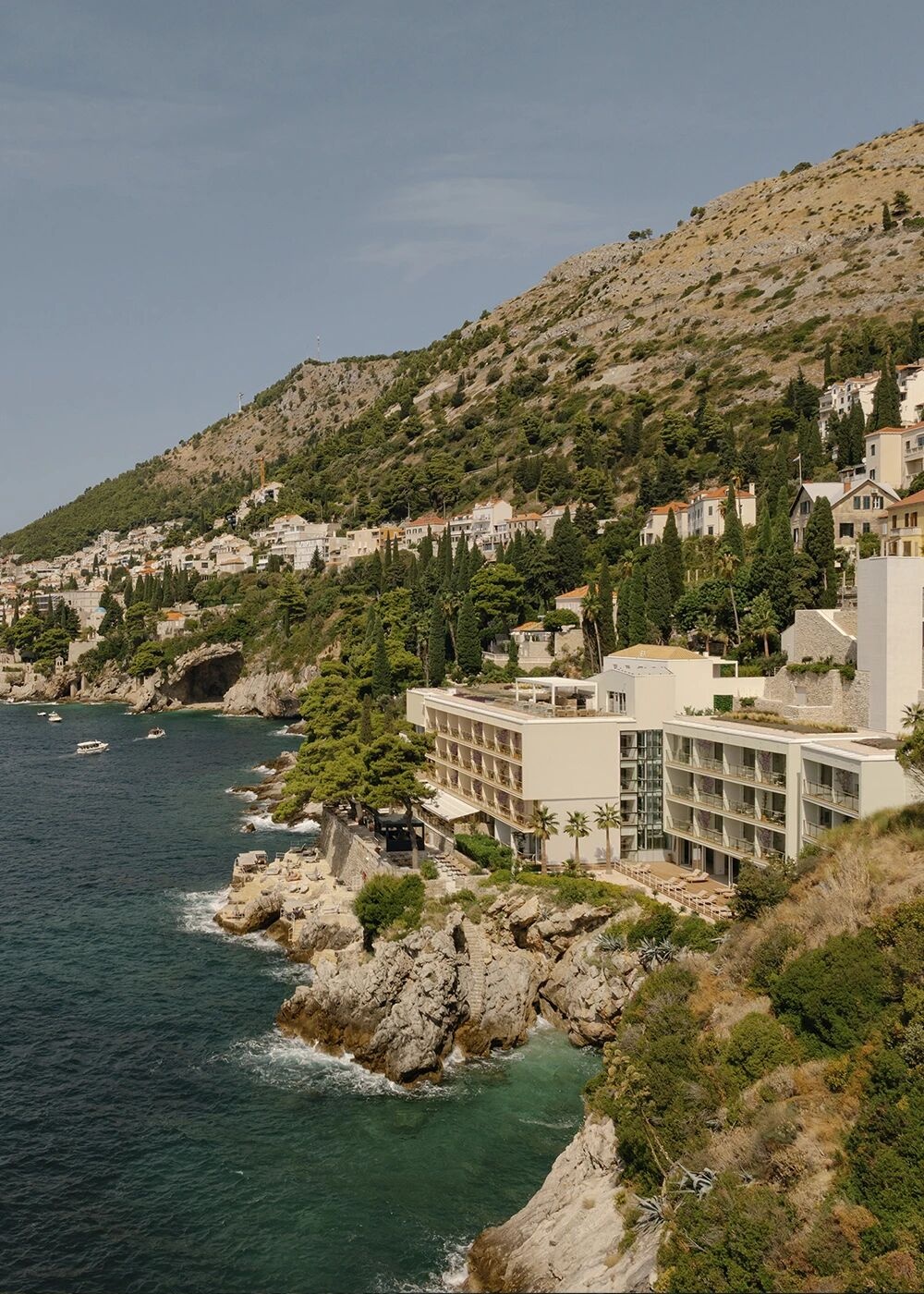
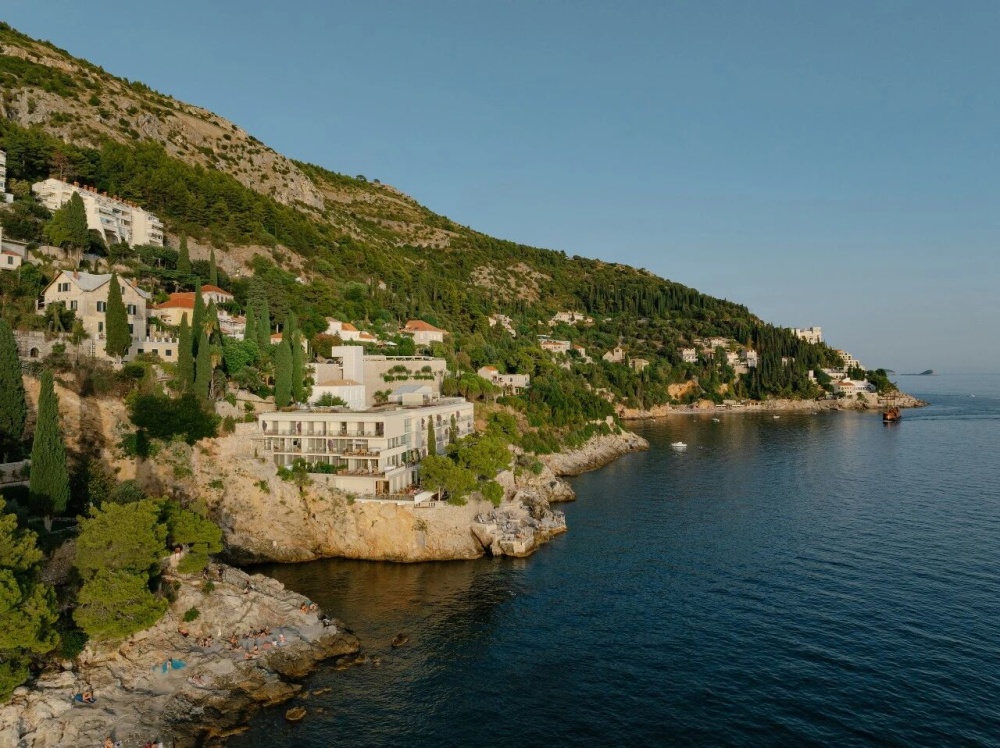
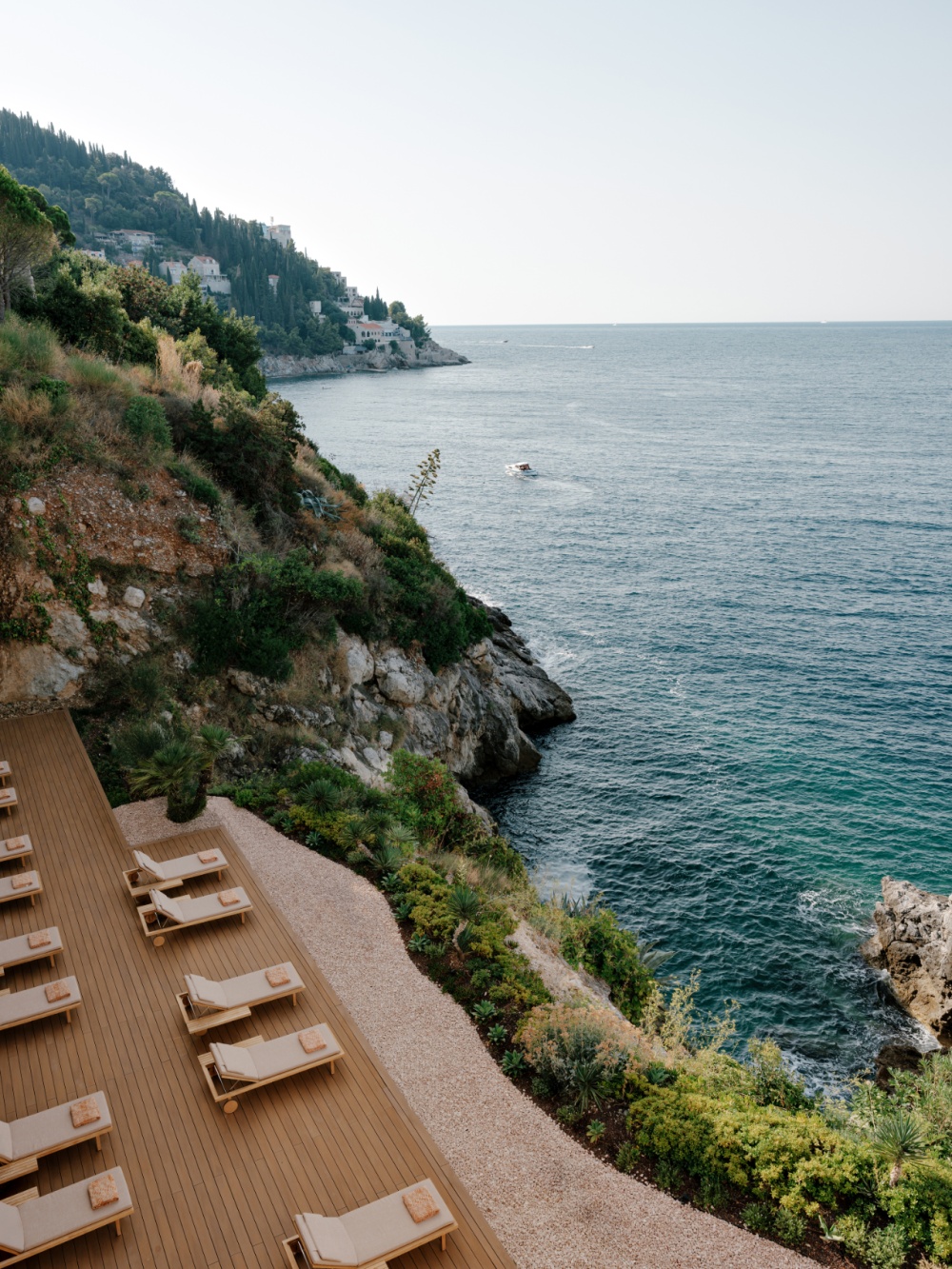
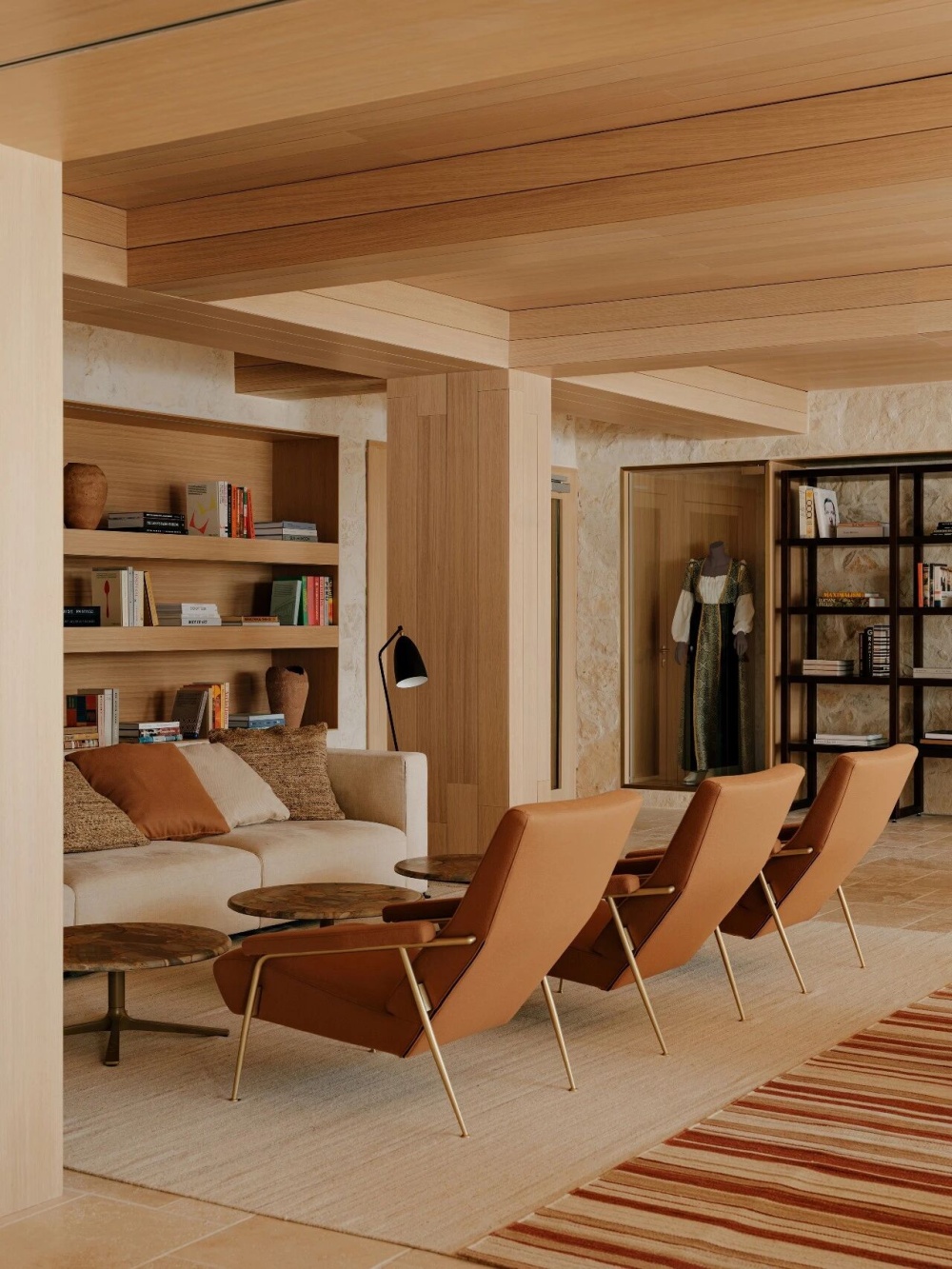
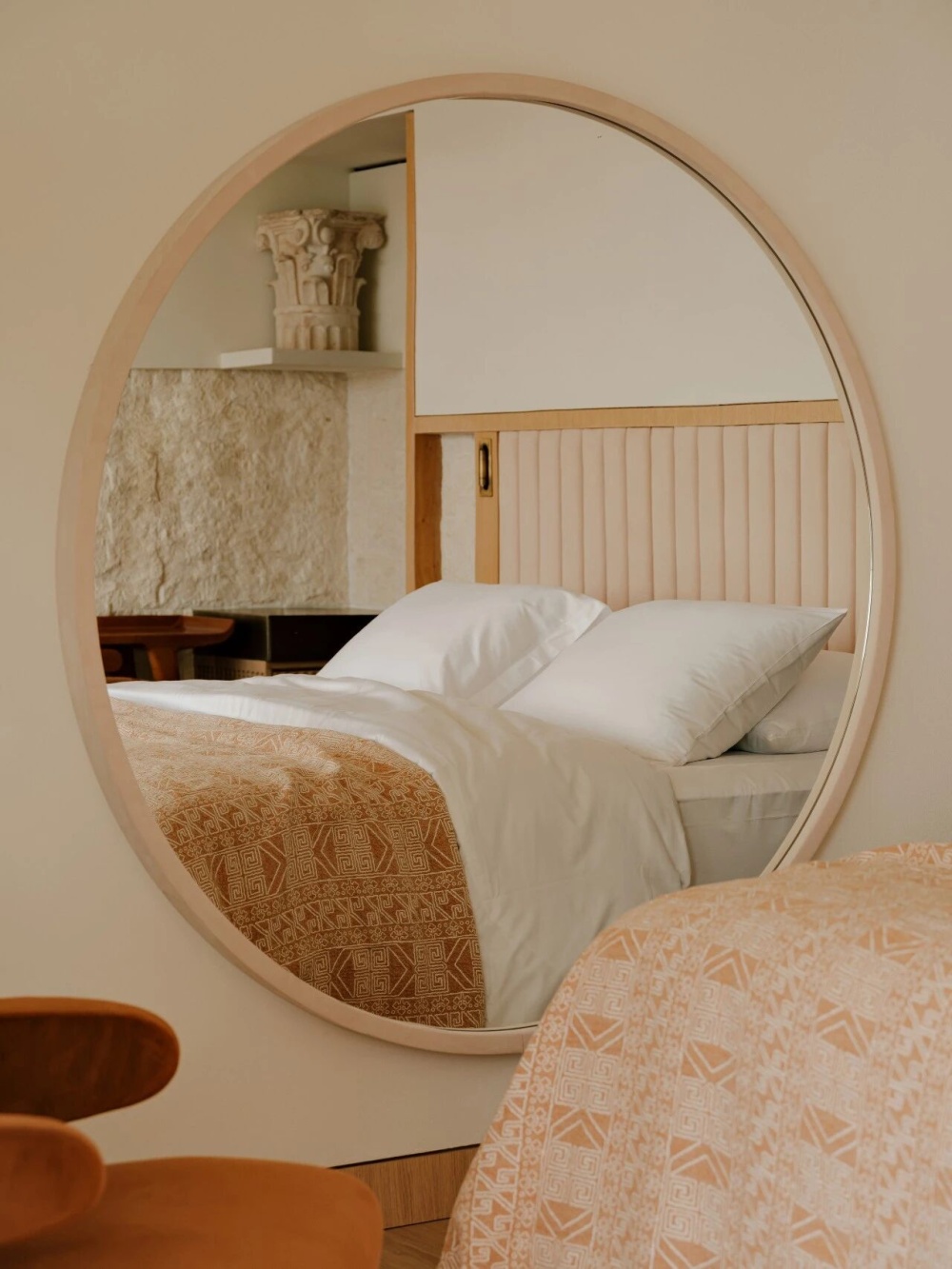
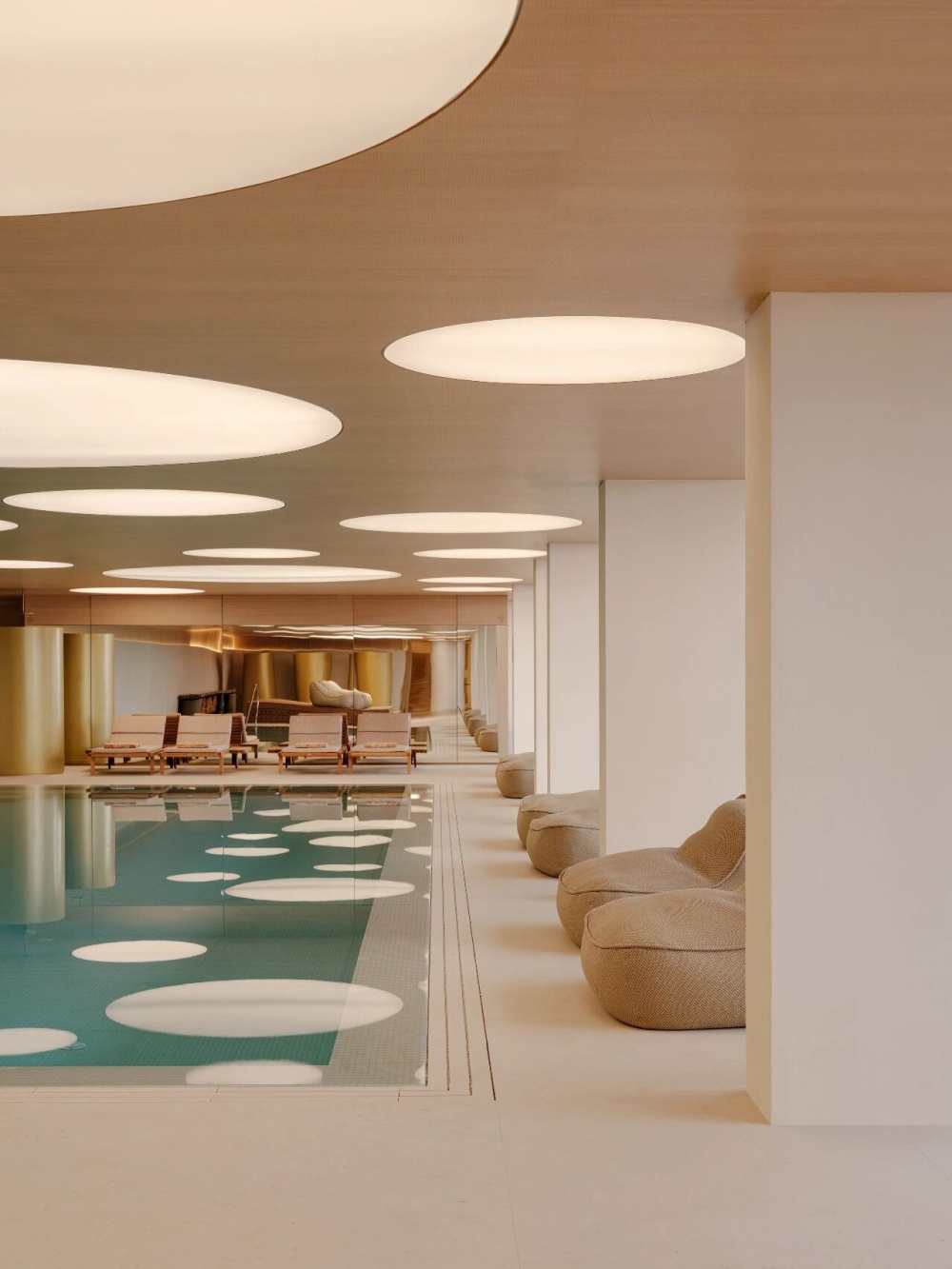
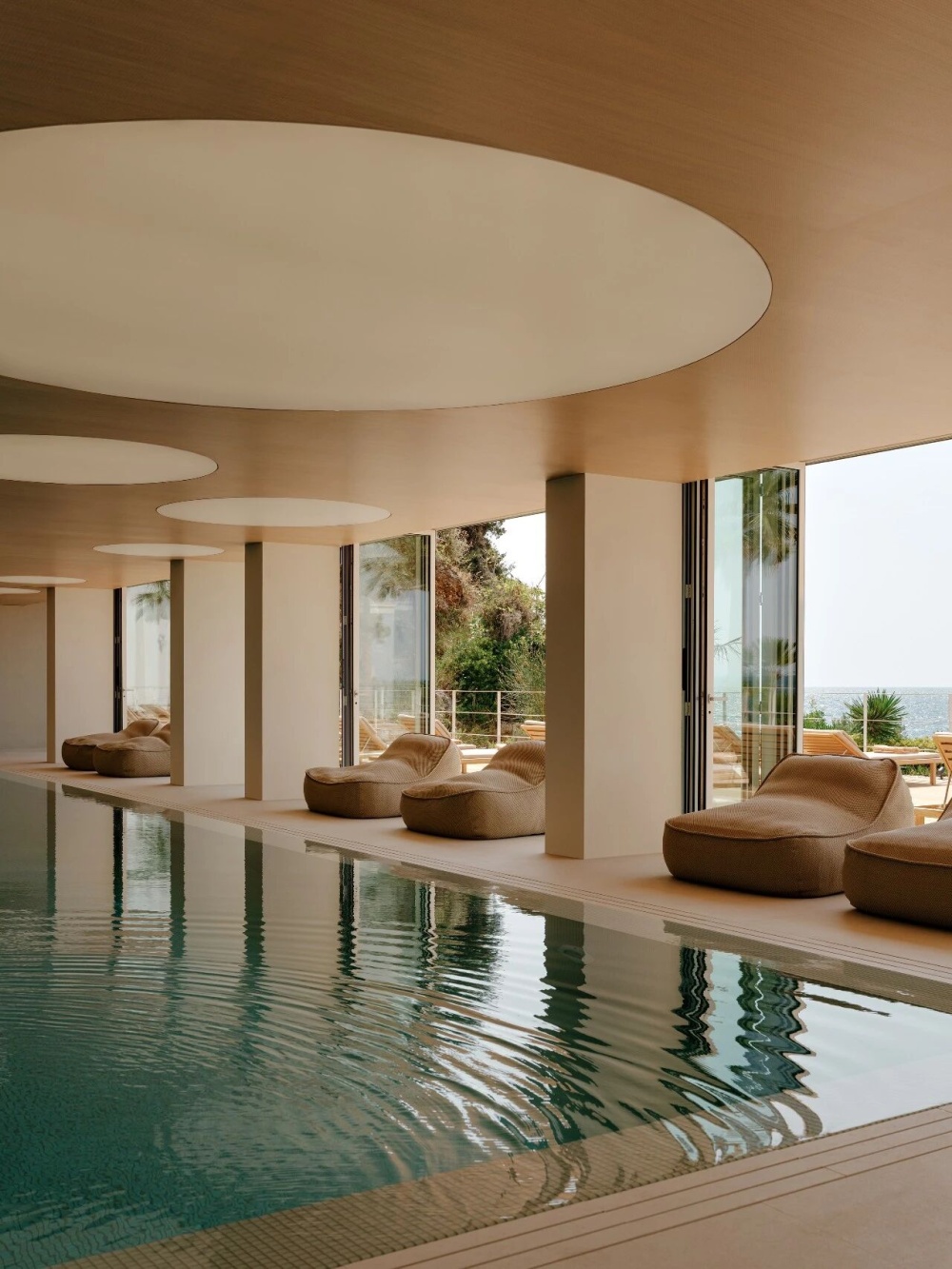
酒店坐落在悬崖底部,可直眺 Adriatic 海与被城墙所环绕的老城。 Hotel Villa Dubrovnik 是一个将景观、历史与当代性之间的关系转化为空间体验的酒店项目,并融入了克罗地亚 Dubrovnik 的自然与城市文脉。原建筑建于1961年,最初是政治精英的住所,两年后被改造为酒店。如今,它已成为城市天际线的一部分,并因其与景观的融合而受到保护,也正是这一条件,限制了对建筑外立面颜色、体量和质感的干预。
Set at the base of a cliff with direct views of the Adriatic Sea and the walled city, Hotel Villa Dubrovnik is a hospitality project that translates the relationship between landscape, history, and contemporaneity, integrating itself into the natural and urban context of Dubrovnik, Croatia. The original building, constructed in 1961 as a residence for the political elite and converted into a hotel two years later, is part of the city's skyline and protected for its integration into the landscape — a condition that limits any intervention on the facade in terms of color, volume, or texture.
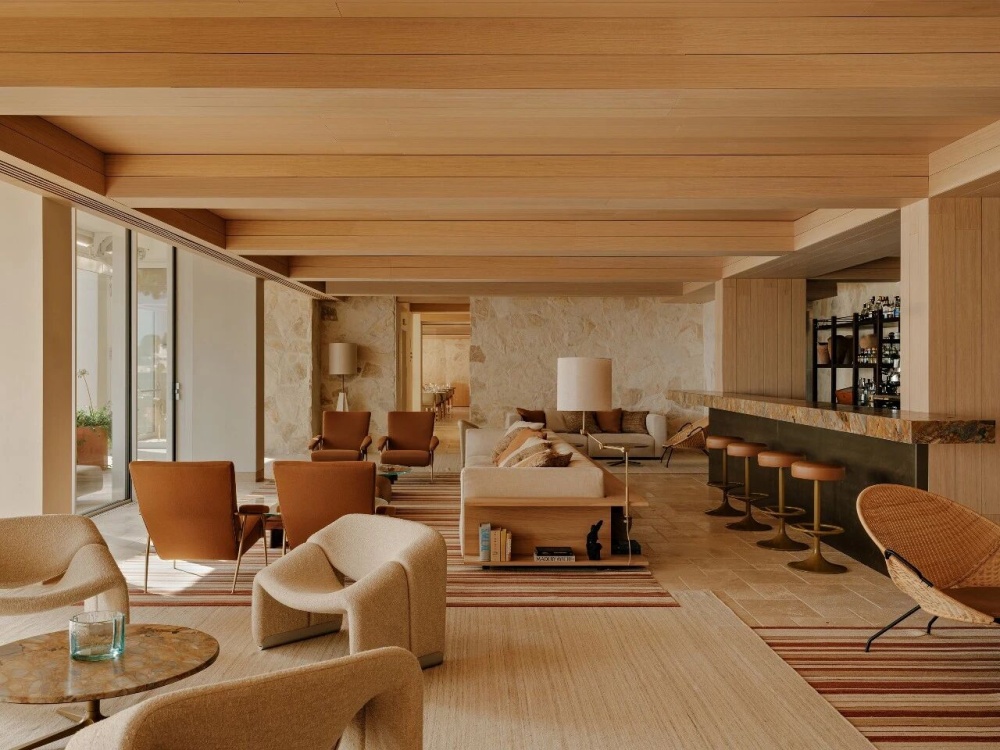
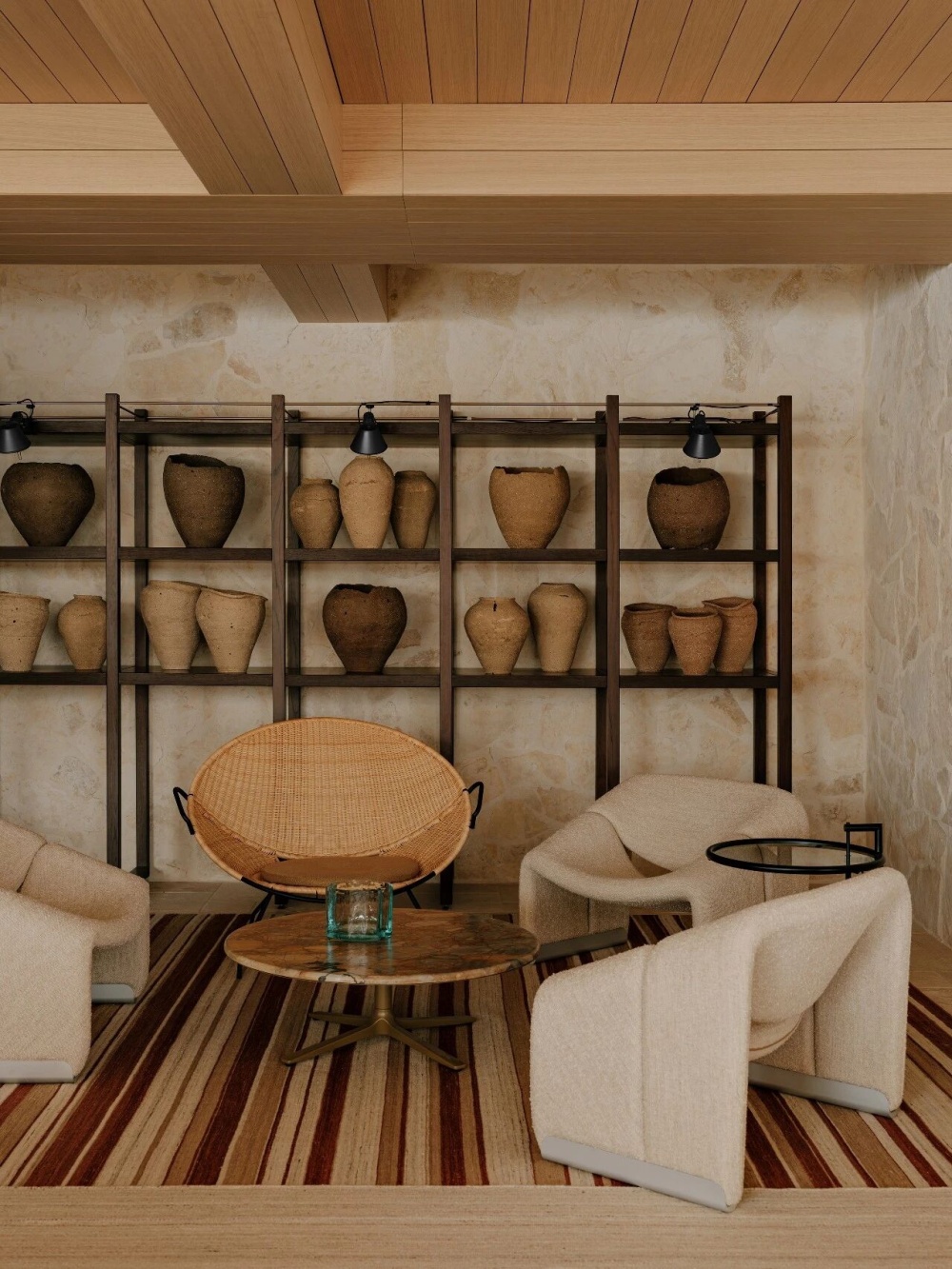
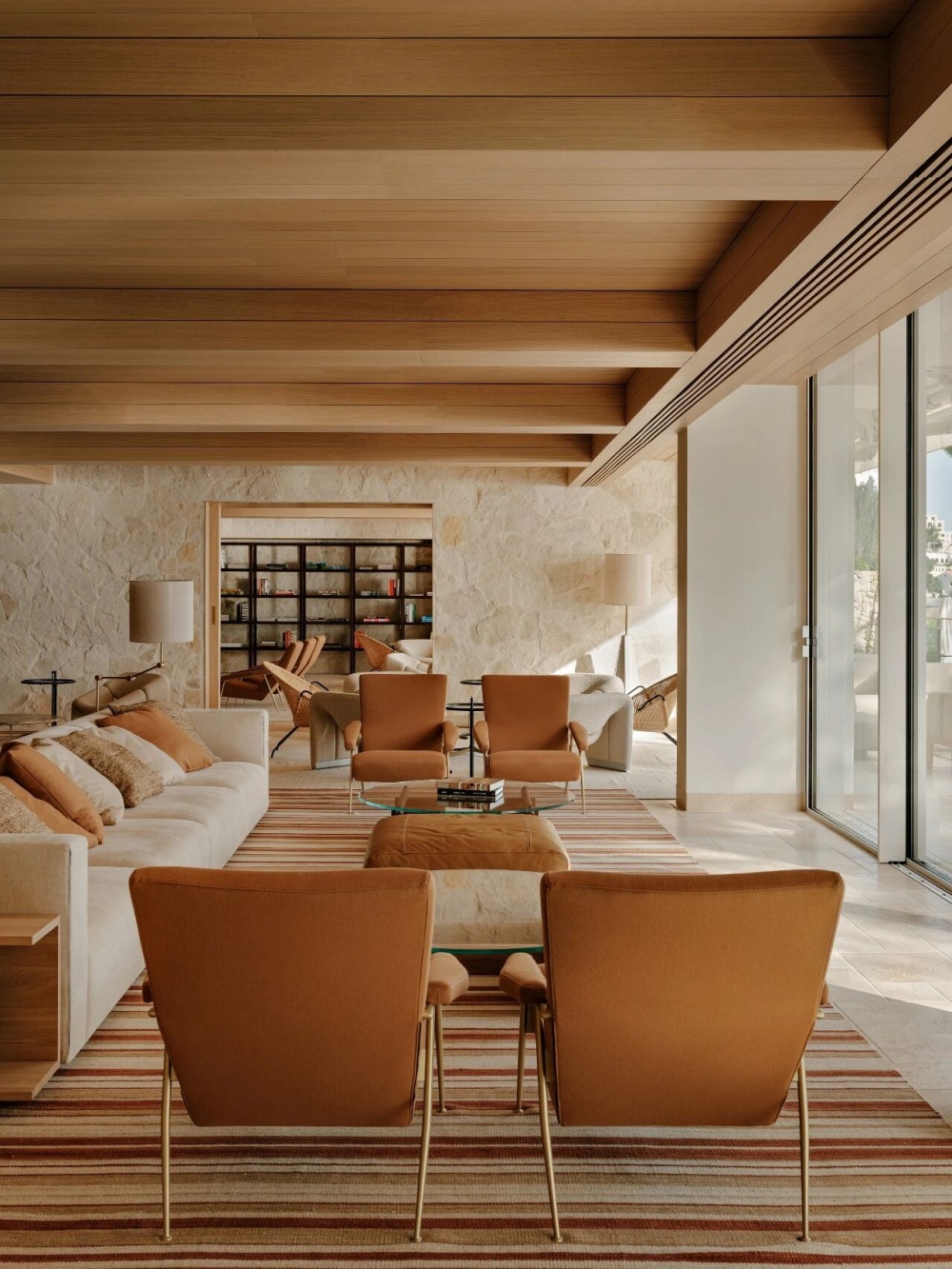
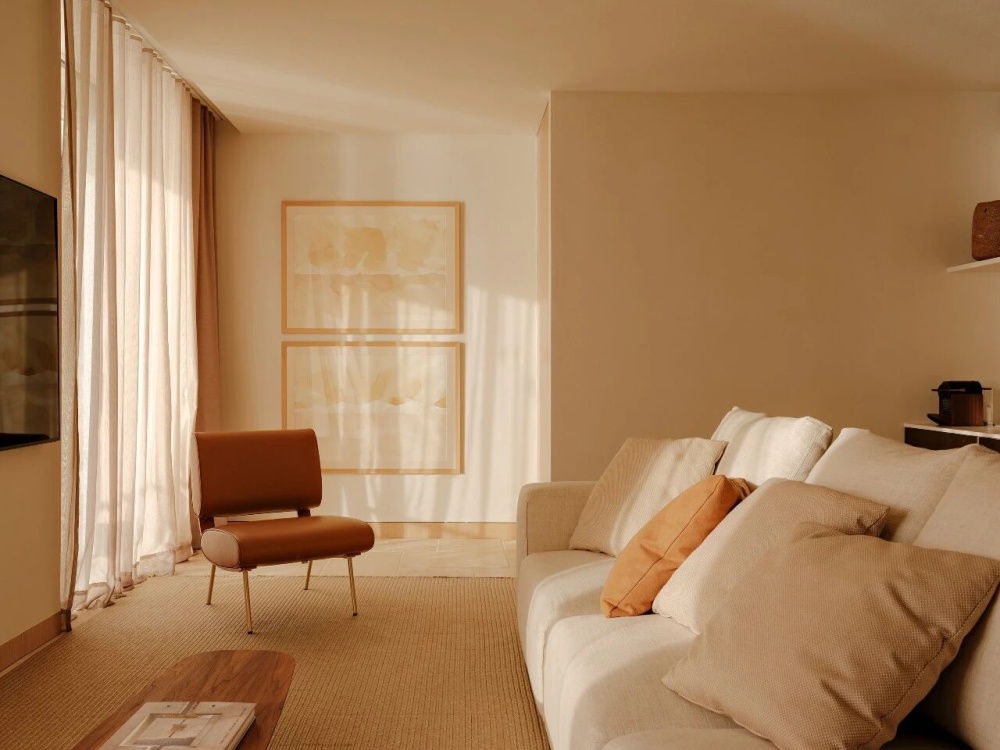
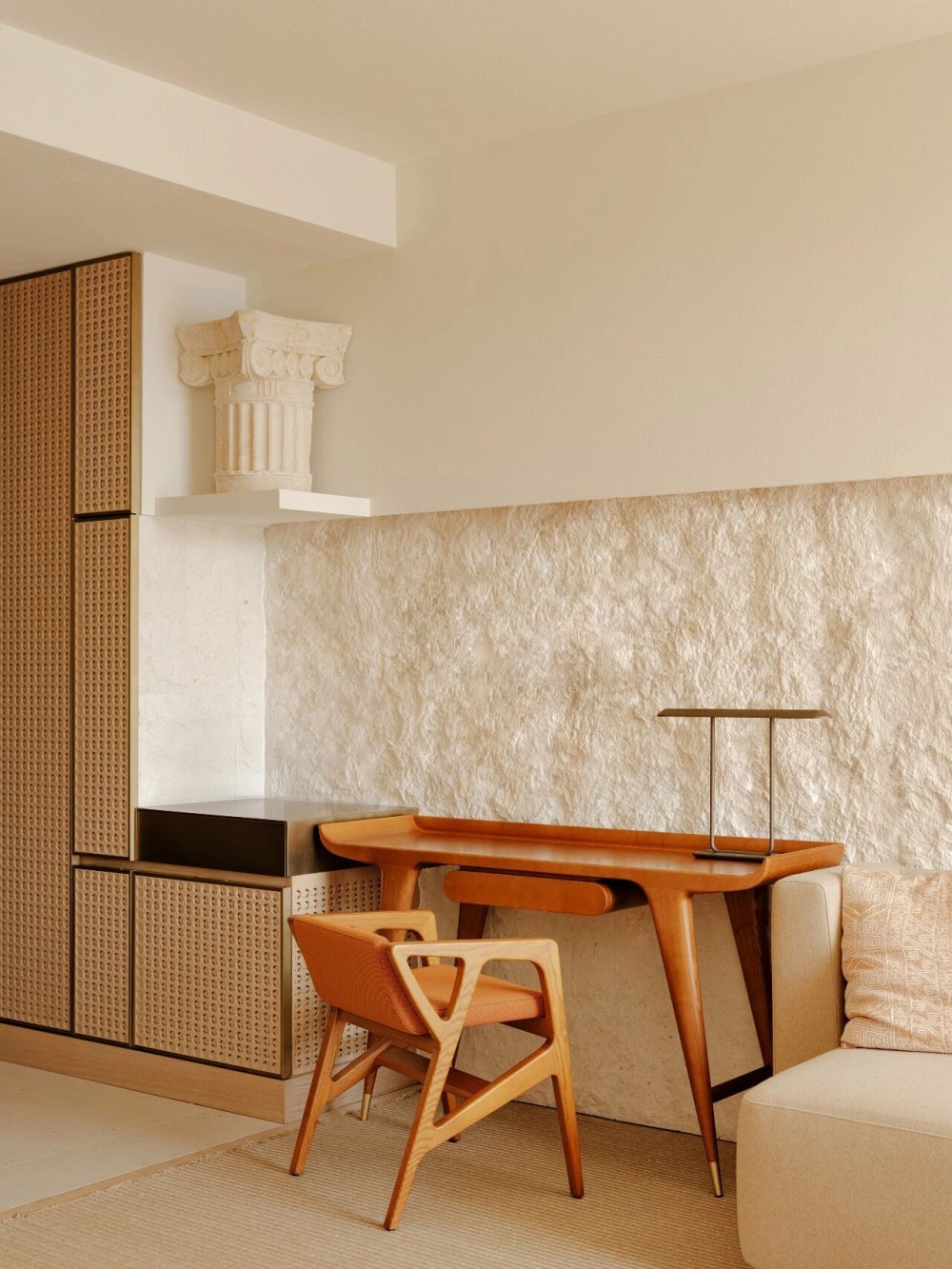
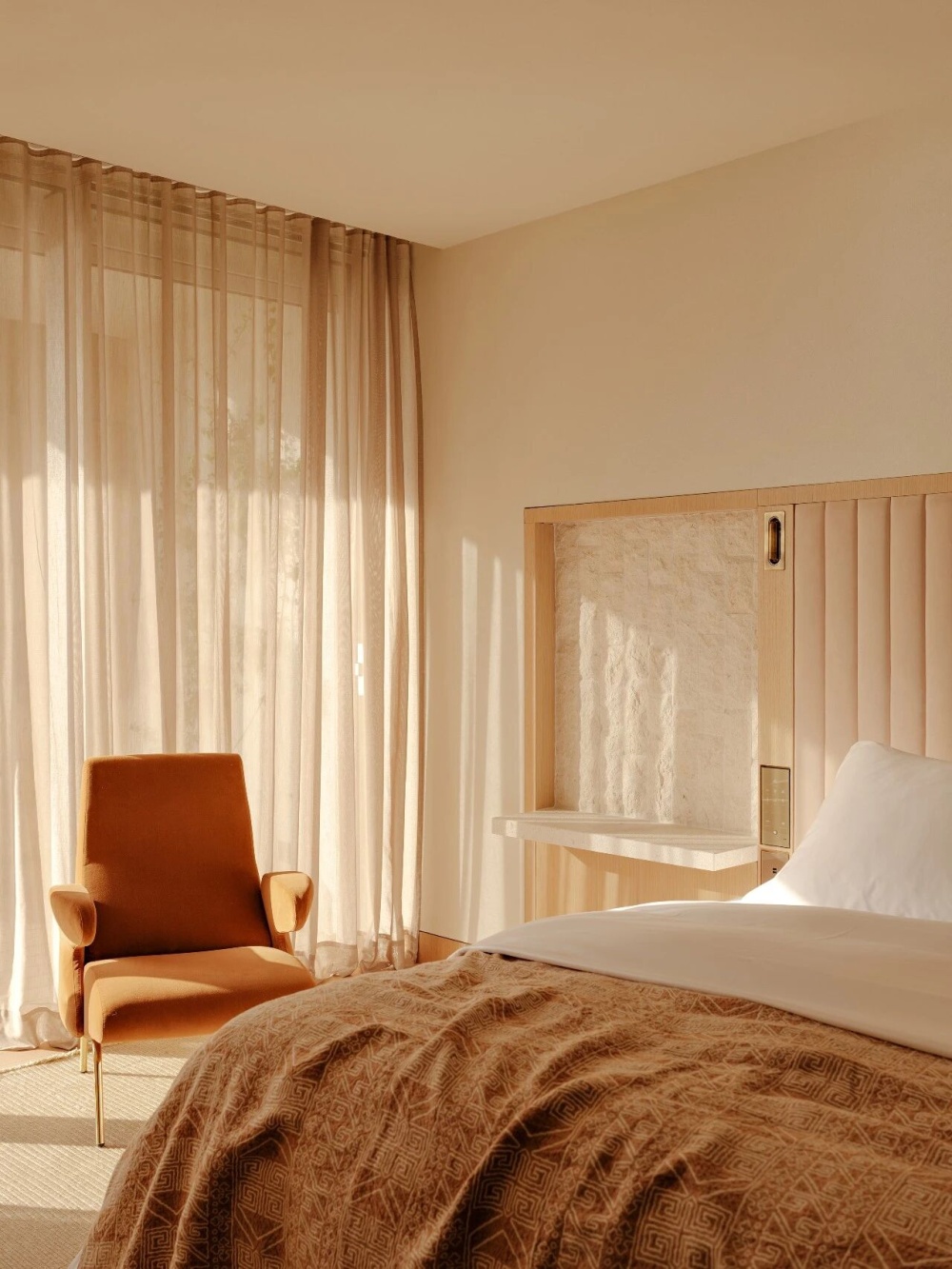
酒店管理方希望通过一次美学更新,让酒店在国际上重新定位为 Leading Hotels of the World 卓越标准中的杰出之选。于是他们选择与巴西设计工作室 Studio Arthur Casas 合作,希望引入一种与当代巴西设计活力与创造力相关的全新视角,同时以外部观察者的身份保留克罗地亚文化的本真性。因此,此次改造主要集中于室内空间,工作室对其进行全面的重新设计,以当代语言重新诠释了地方身份。
The hotel's management sought an aesthetic renewal capable of repositioning the property internationally as a distinguished option within the excellence standards of the Leading Hotels of the World. The choice of a Brazilian studio stemmed from the desire to introduce a new perspective associated with the energy and inventiveness of contemporary Brazilian design, while preserving the authenticity of Croatian culture from an external point of view. Transformations were therefore focused on the interiors, fully redesigned by Studio Arthur Casas to reinterpret local identity through a contemporary lens.
Grama House
五口之家
Grama 住宅,是为一对夫妇及其三个孩子设计的独栋住宅。项目以优化通风、自然采光以及与户外环境的融合为核心理念,通过充分利用场地平缓的坡地地形以及街角地块所具备的开阔条件,在避免邻近住宅视觉干扰的同时,建立起更加开放而舒适的居住体验。
Located at Fazenda da Grama, a residential condominium in Itupeva, São Paulo, Grama House is a single-family residence designed by Studio Arthur Casas for a couple and their three children. With the optimization of ventilation, natural lighting, and integration with the outdoors as its central premise, the house was conceived by exploring the gently sloping topography of the site and its corner-lot condition, free from visual interference from neighboring properties.
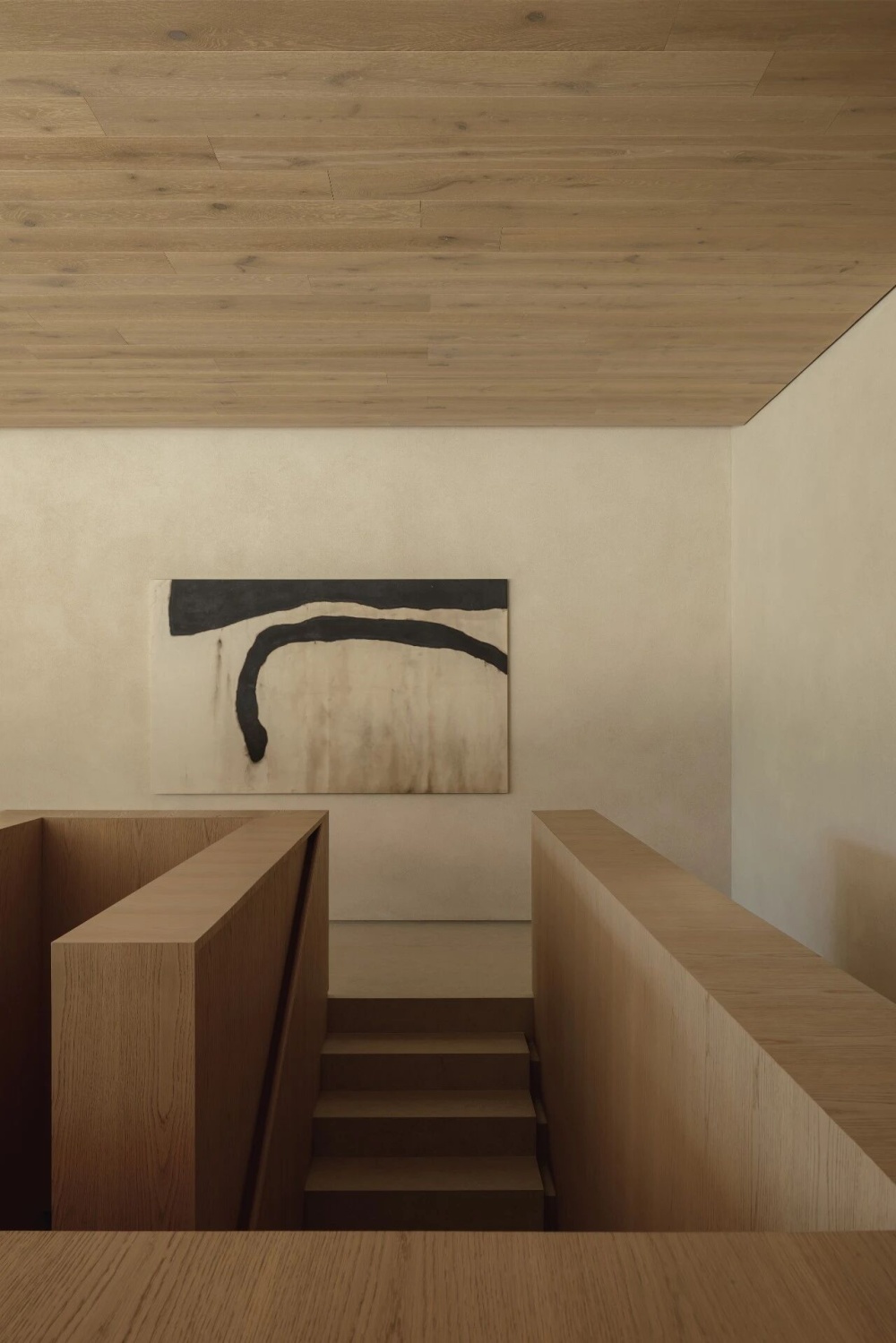
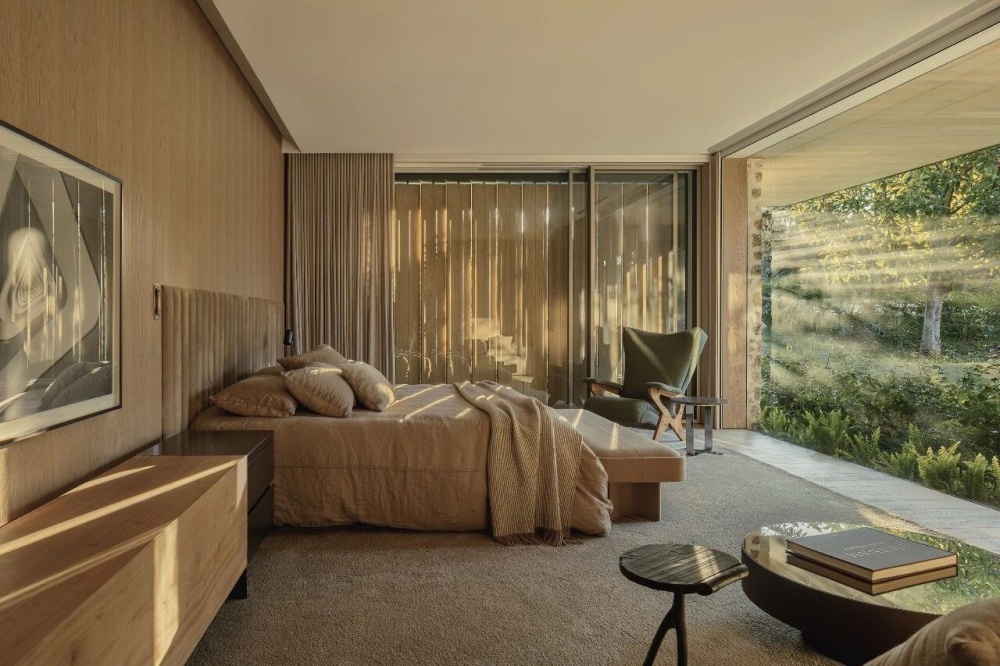
建筑概念主要组织于地面层,并通过错层空间加以展开,形成顺应地形且强化与自然环境联系的分散式平面布局。这种策略使住宅能够拥有多个开口,并借助电动遮阳百叶对自然光进行调节,在保证热舒适度与视觉舒适度的同时,实现良好的采光效果。交叉通风与自然光线是整体布局与场地规划的重要依据。
The architectural concept is predominantly organized on the ground level and articulated through split levels, resulting in a spread-out floor plan that adapts to the terrain and enhances contact with the exterior. This strategy allows for multiple openings, often filtered by motorized brise-soleils that control the incidence of natural light and reinforce thermal and visual comfort. Cross ventilation and natural lighting guide layout and site-planning decisions.
Bravissima House
山林间的居所
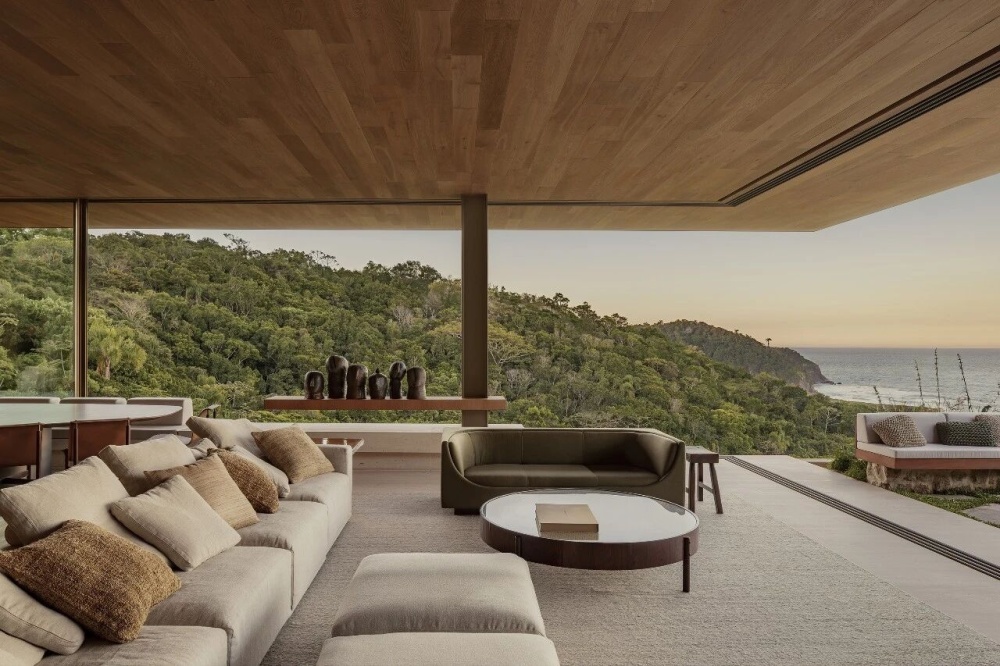
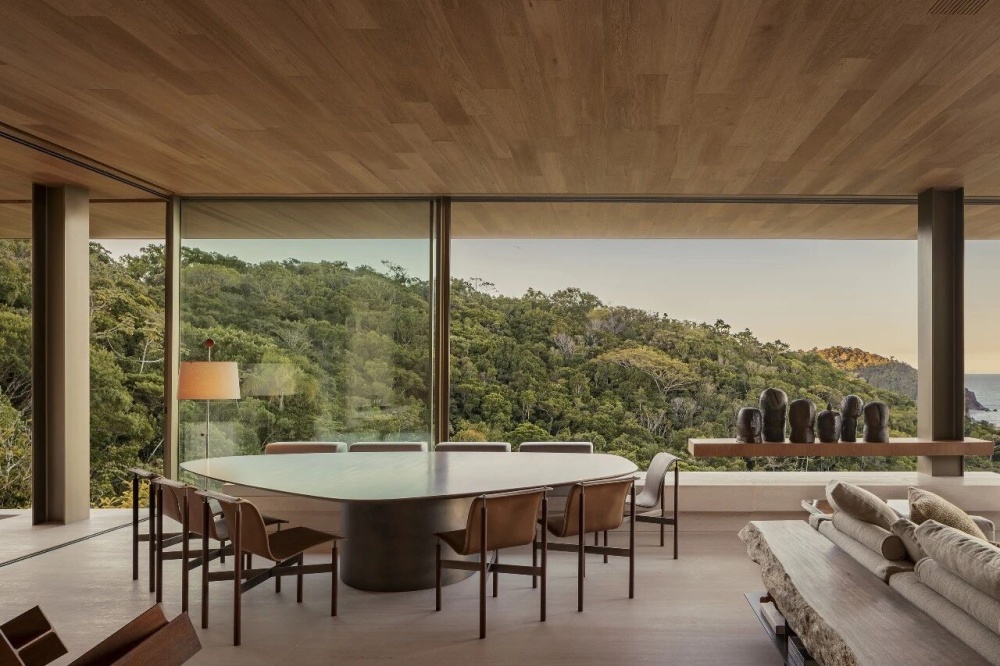
Bravíssima 住宅位于巴西 Santa Catarina 州的 Itajaí,恰当地坐落在 Bravíssima 私人住宅区内。住宅在一处陡峭的坡地之上,在本土植被与海洋的映衬下,顺应着自然地势,向地平线方向舒展延伸,在视觉上将起居空间与室外景观自然连接起来。
Between native vegetation and the ocean, Bravíssima House is precisely positioned on a steeply sloped site within the Bravíssima Private Residence, in Itajaí, Santa Catarina, Brazil. Following the natural incline, the house extends toward the horizon, visually connecting the living area to the outdoors.
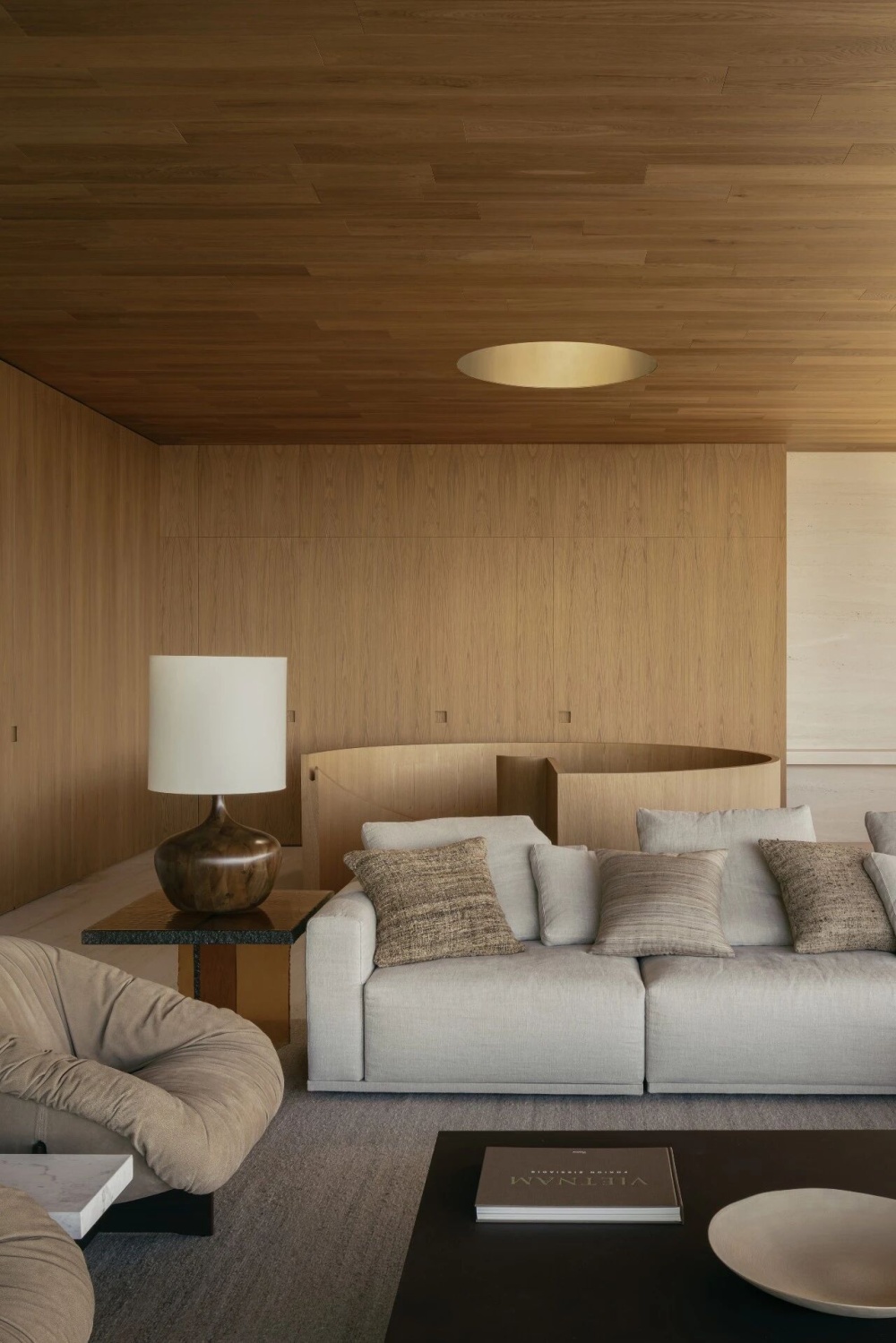
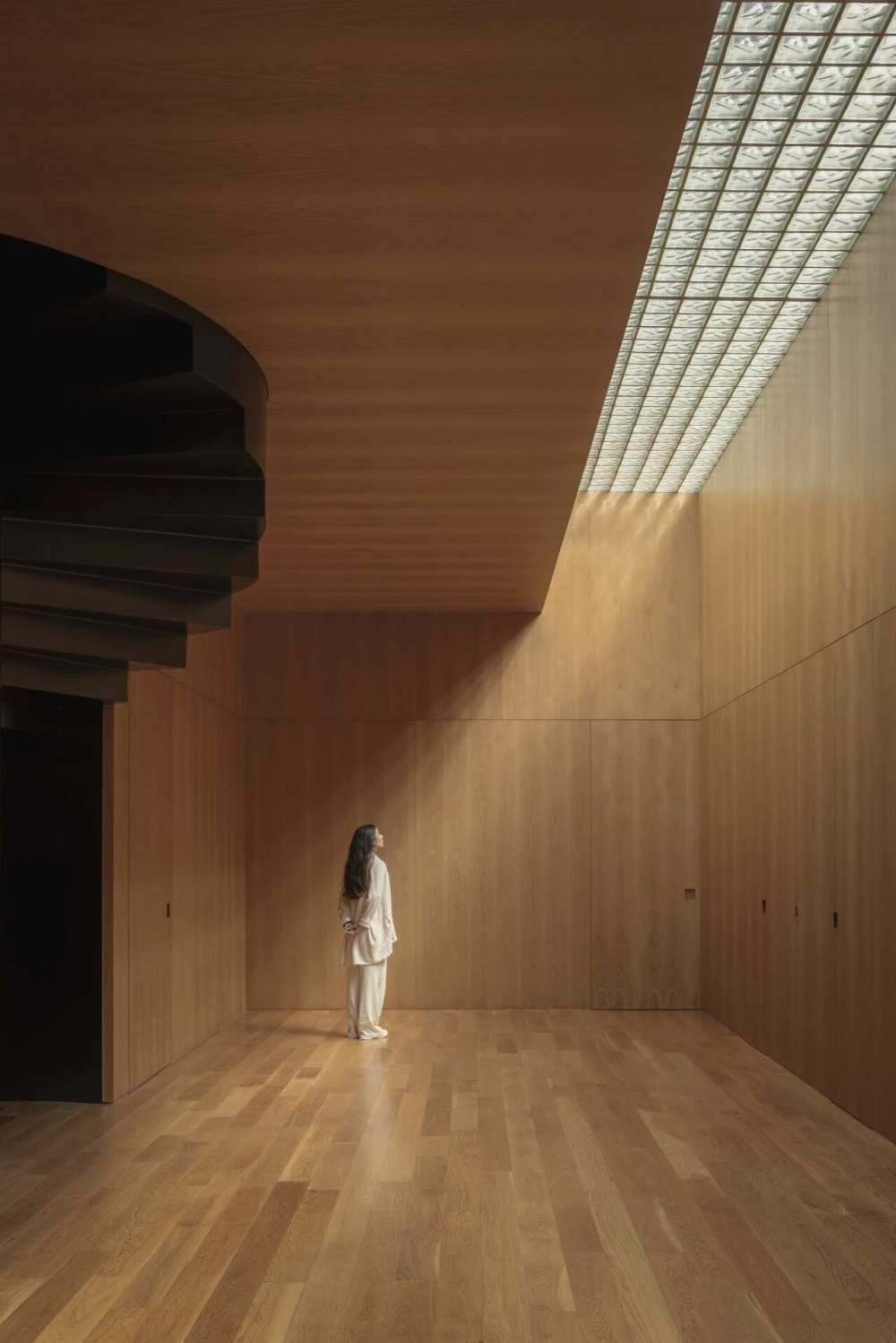
住宅的整体布局强调空间的流动性,在开阔的社交场所与安静的私密区域之间取得平衡。室内设计着重强化社交区域与 Praia Brava 景观之间的联系,同时促进家庭成员之间的互动。客厅内,沙发与扶手椅的布局优化了动线组织,并形成面向海洋与植被的开阔视野。大面积的天窗开口则将自然光充分引入室内,减少了对人工照明的依赖;同时,交叉通风系统进一步提升了住宅的被动式热舒适性。
The layout prioritizes spatial fluidity, balancing expansive social spaces with discreet private zones. Natural light is leveraged throughout the house via skylights and large openings, minimizing the need for artificial lighting, while cross ventilation enhances passive thermal comfort. The interior design emphasizes the connection between social areas and the Praia Brava view while promoting family interaction. In the living room, sofa and armchair arrangements optimize circulation and create unobstructed sightlines to the sea and vegetation.
Baroneza House
向景而居
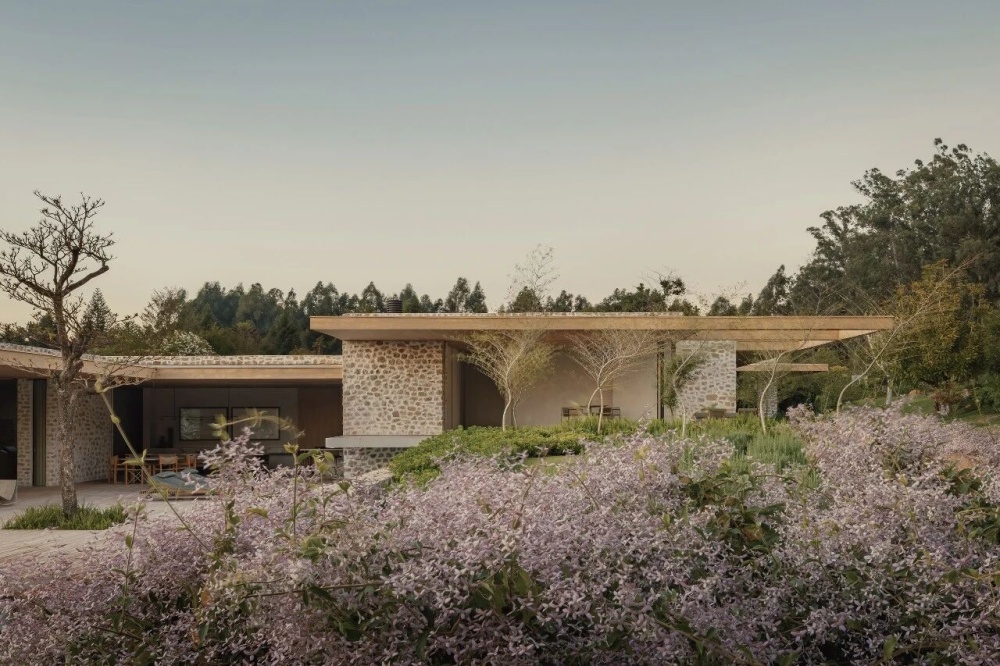
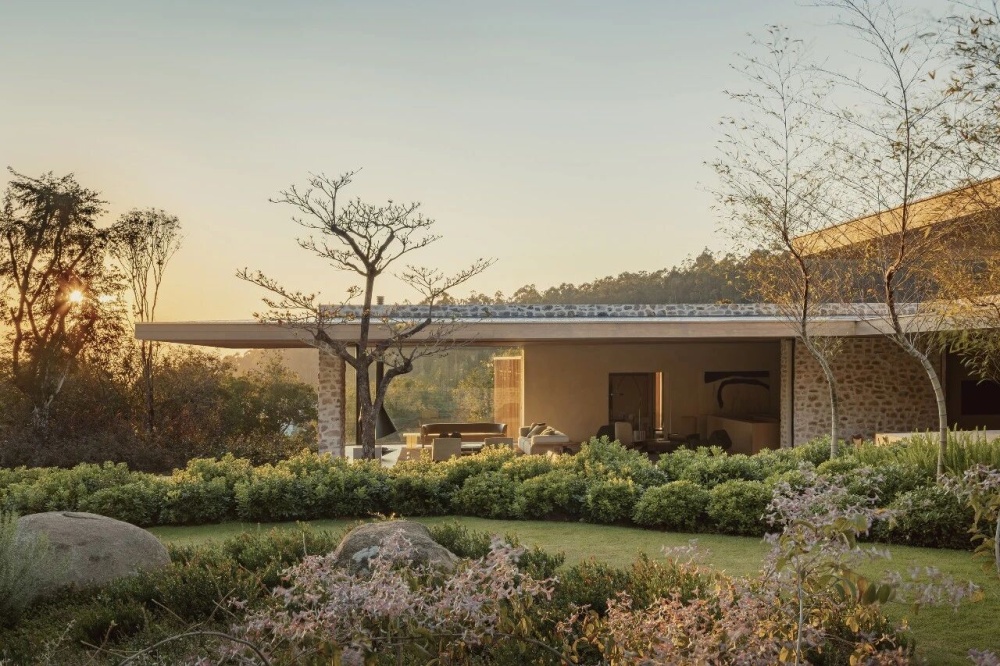
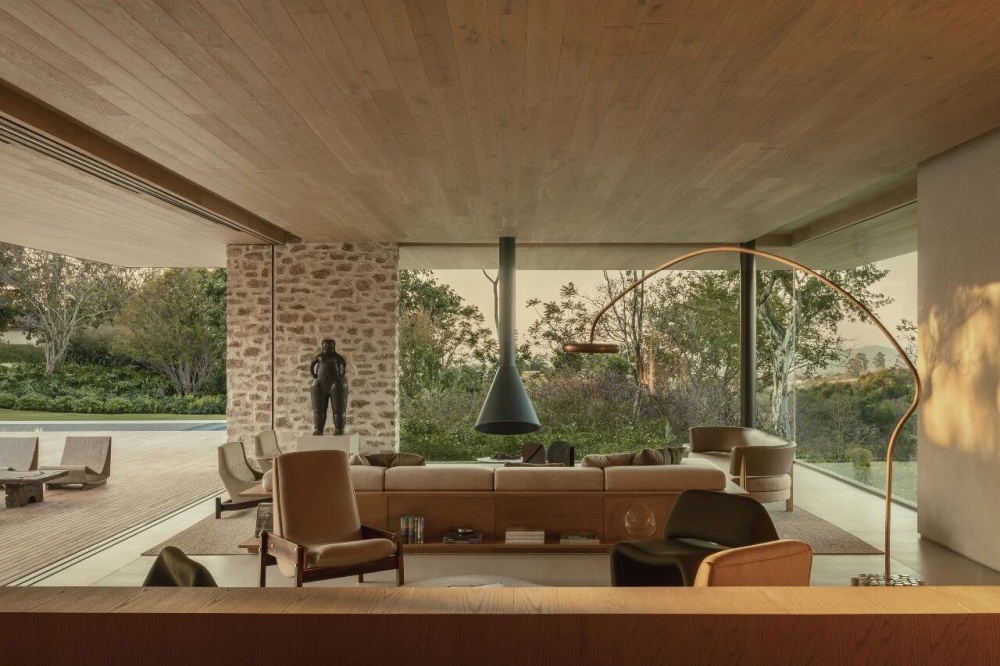
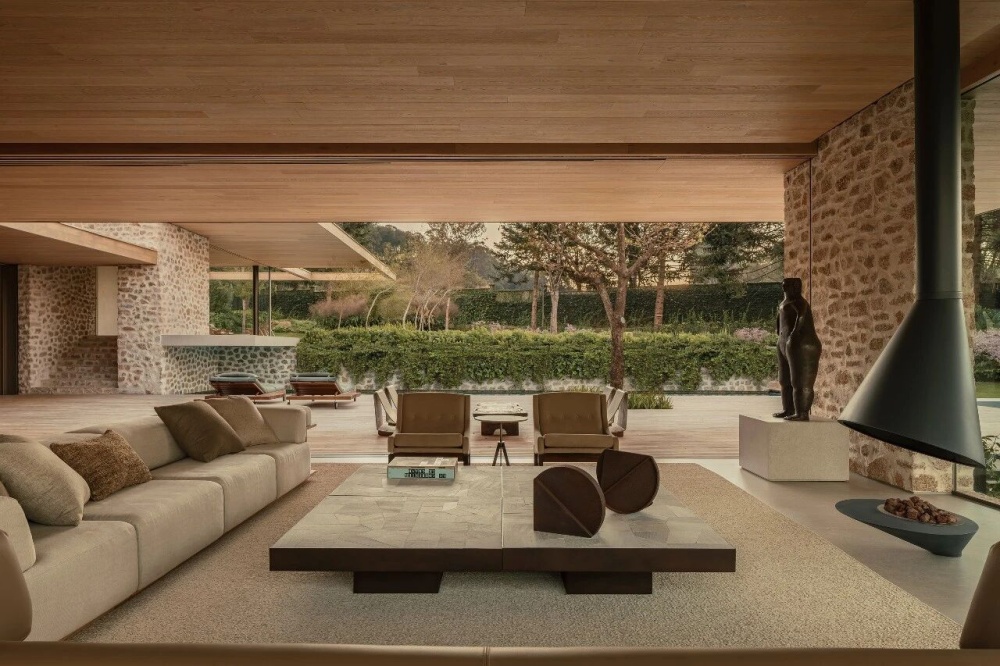
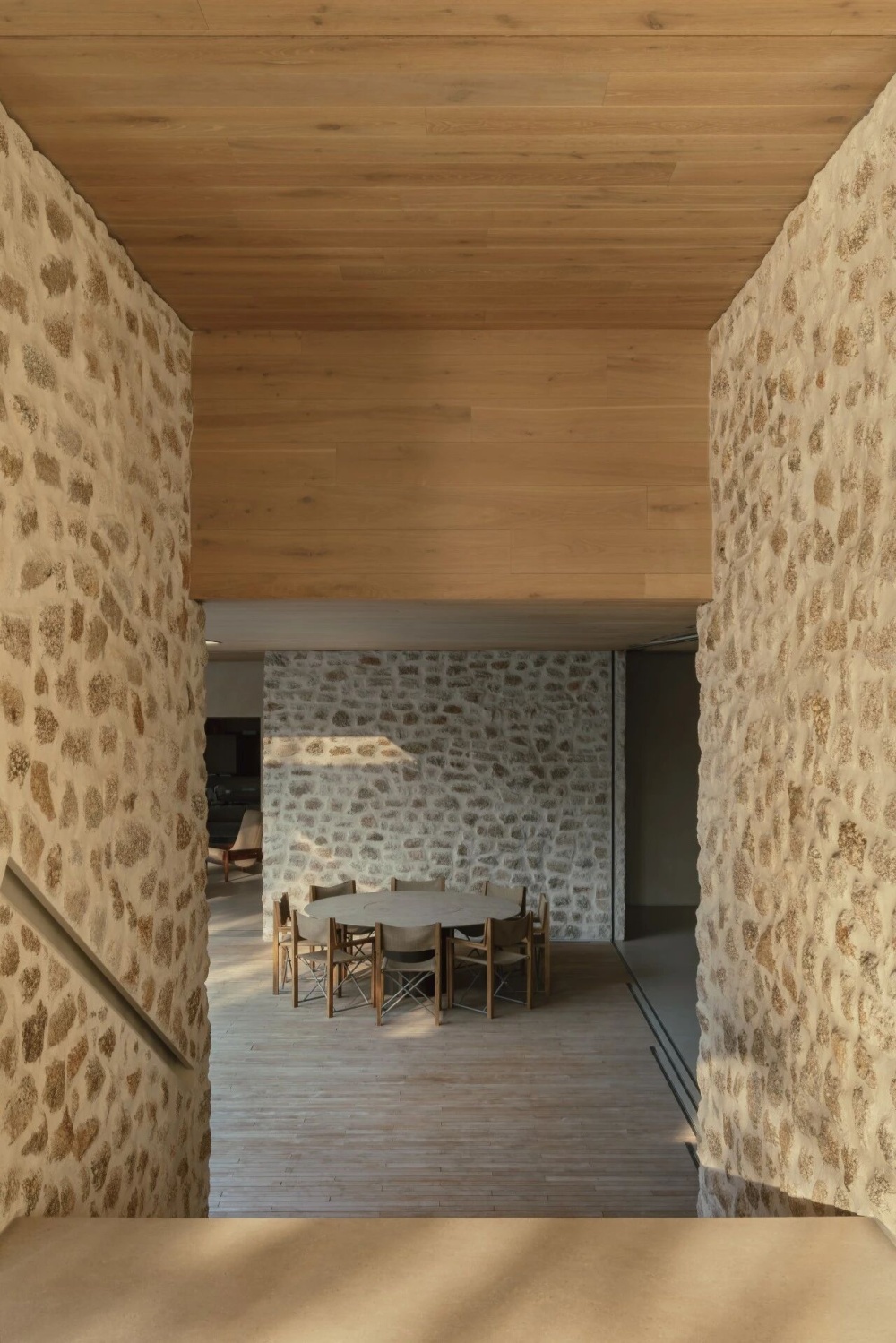
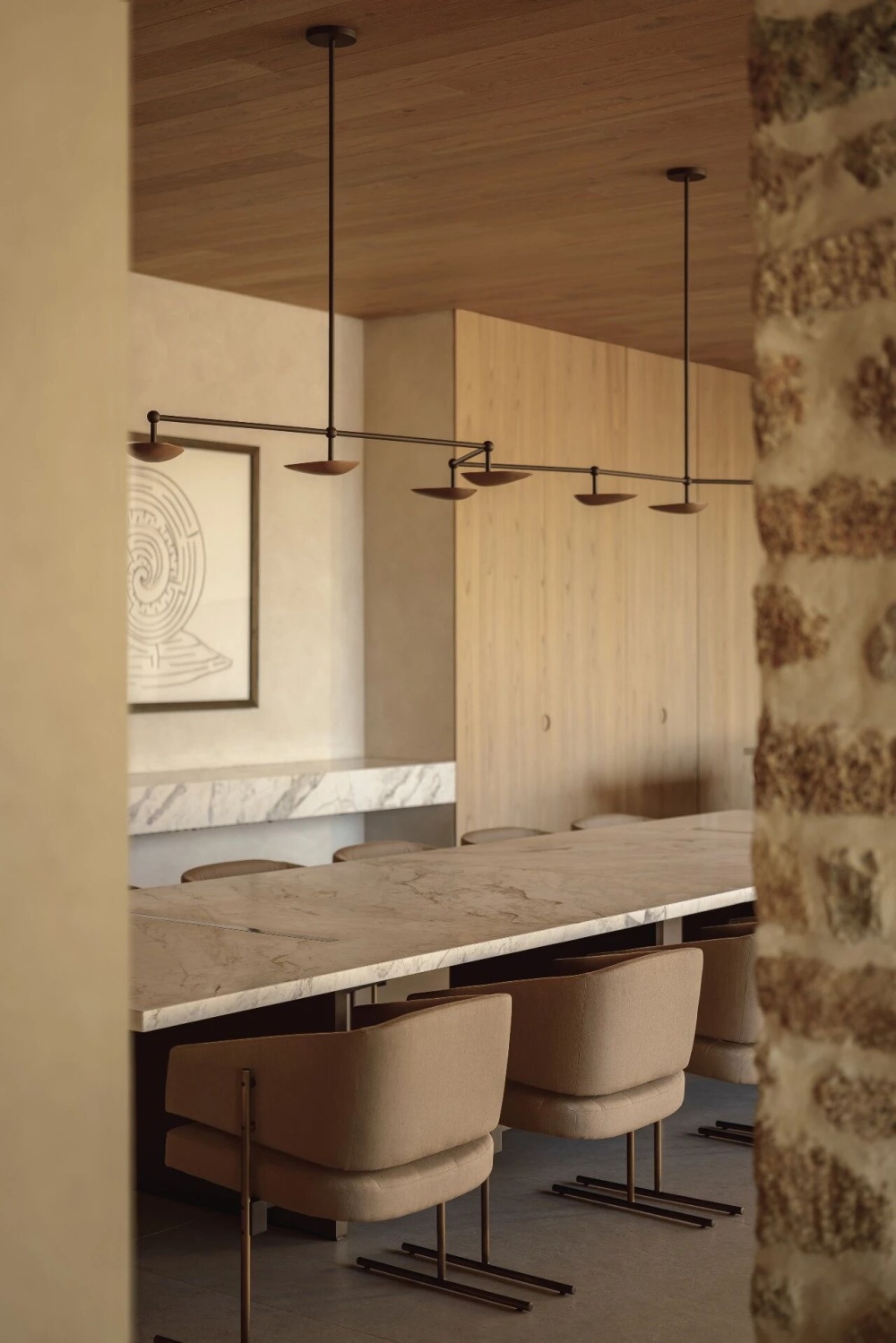
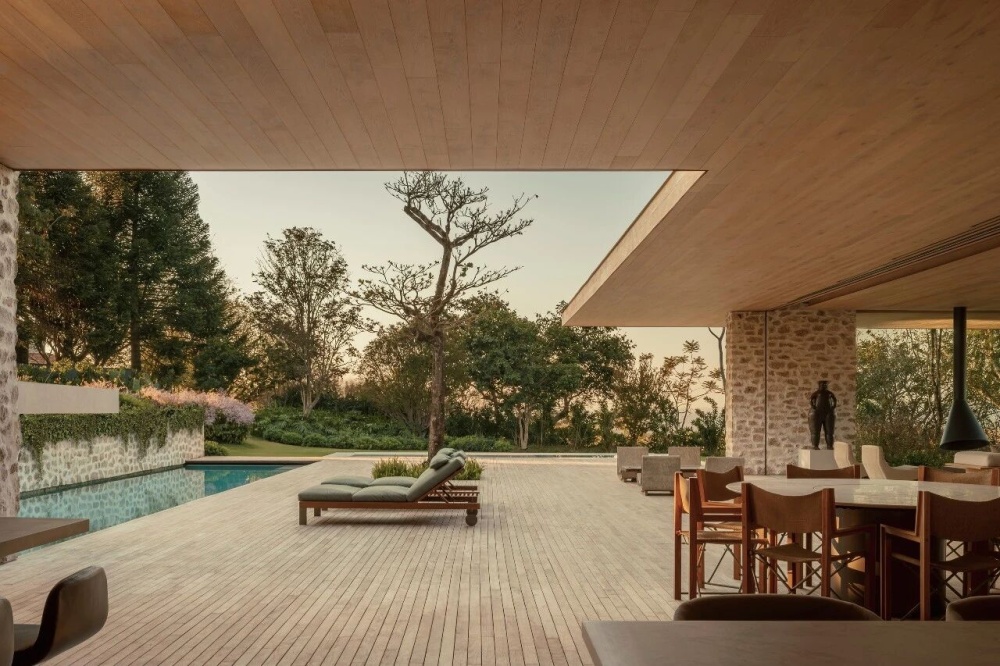
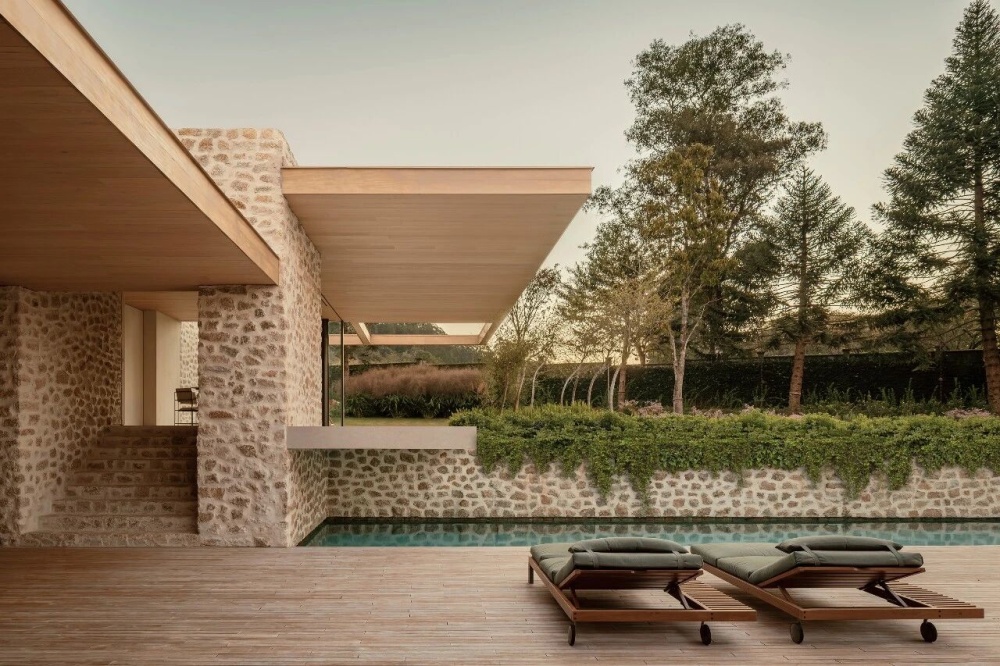
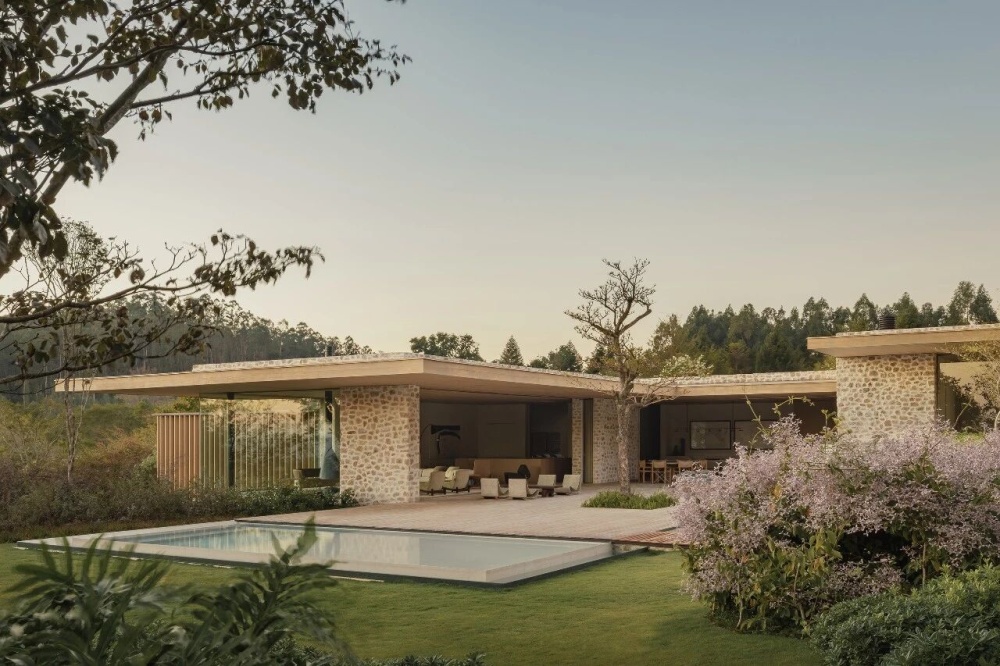
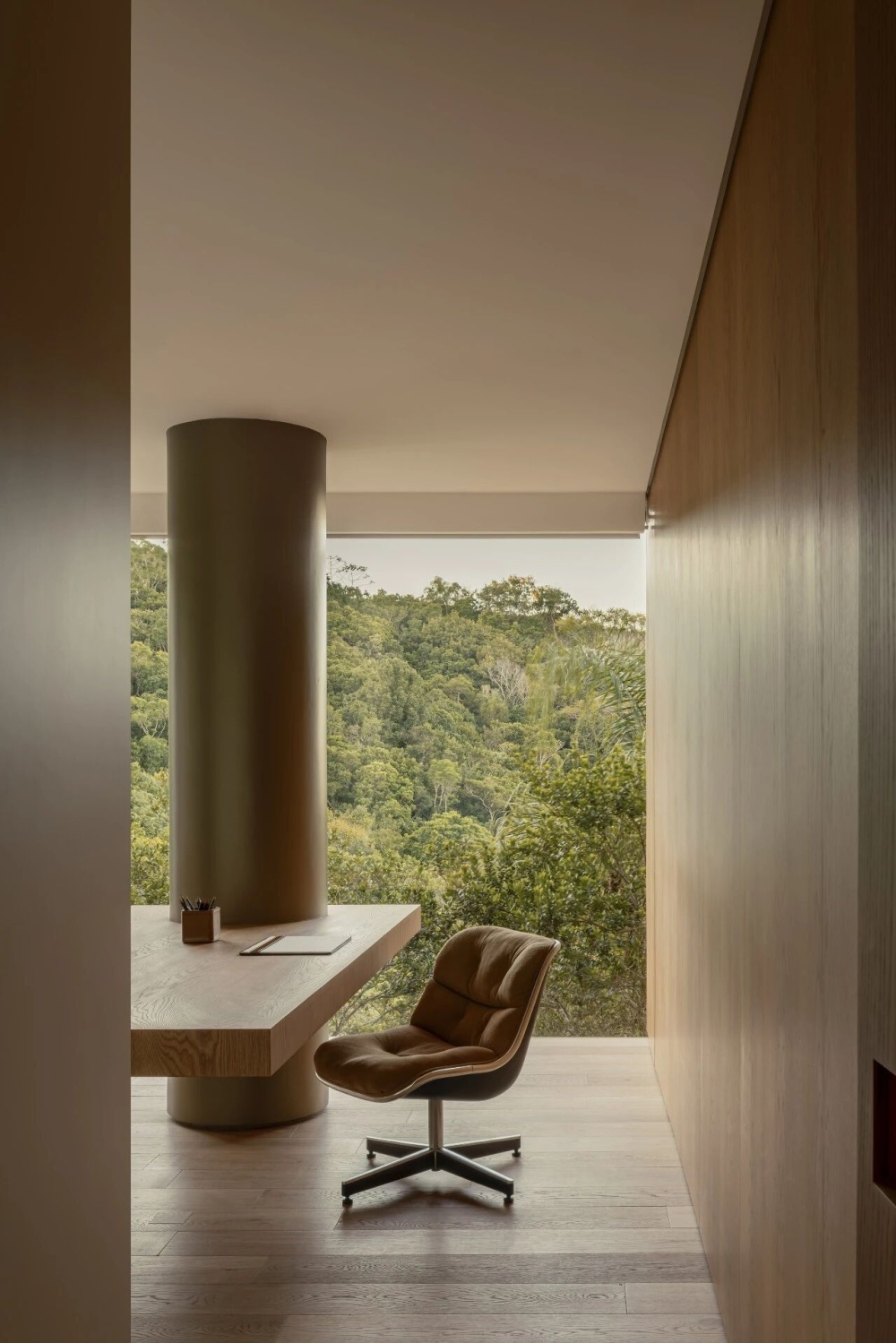
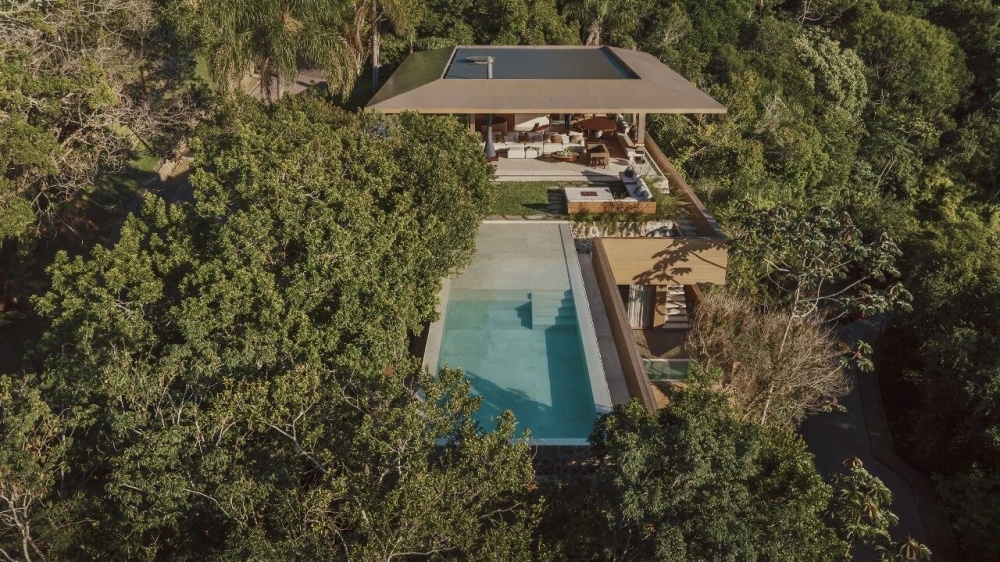
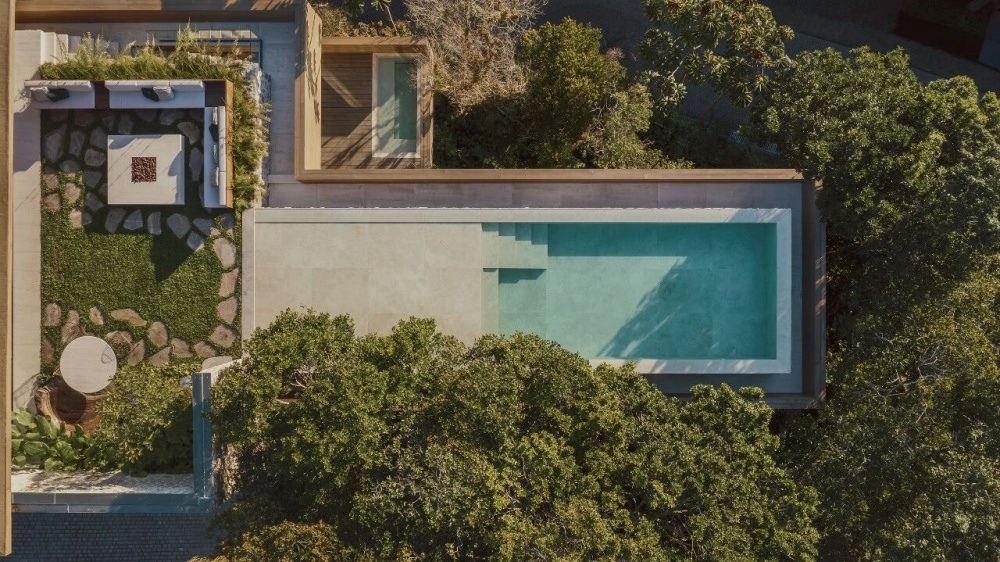
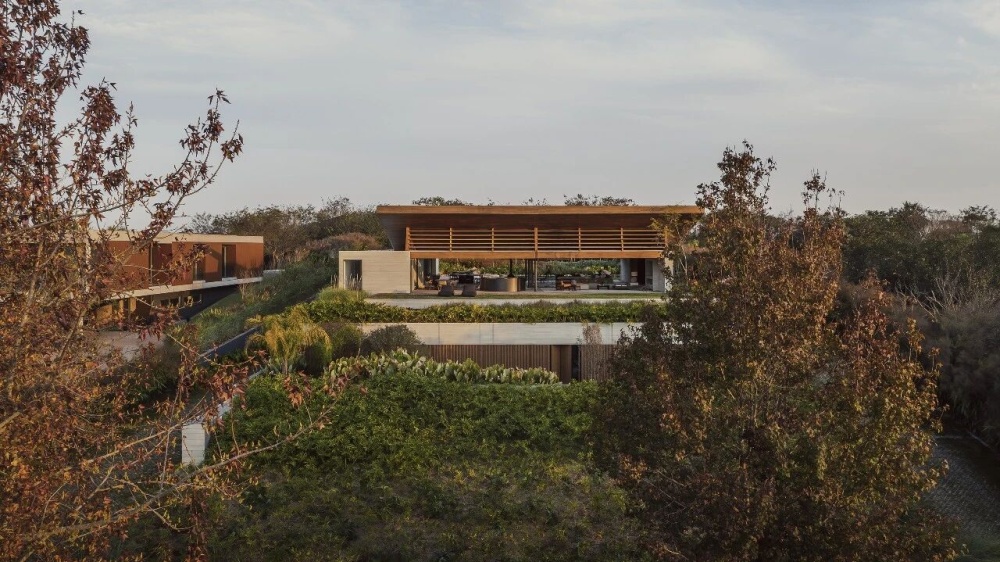
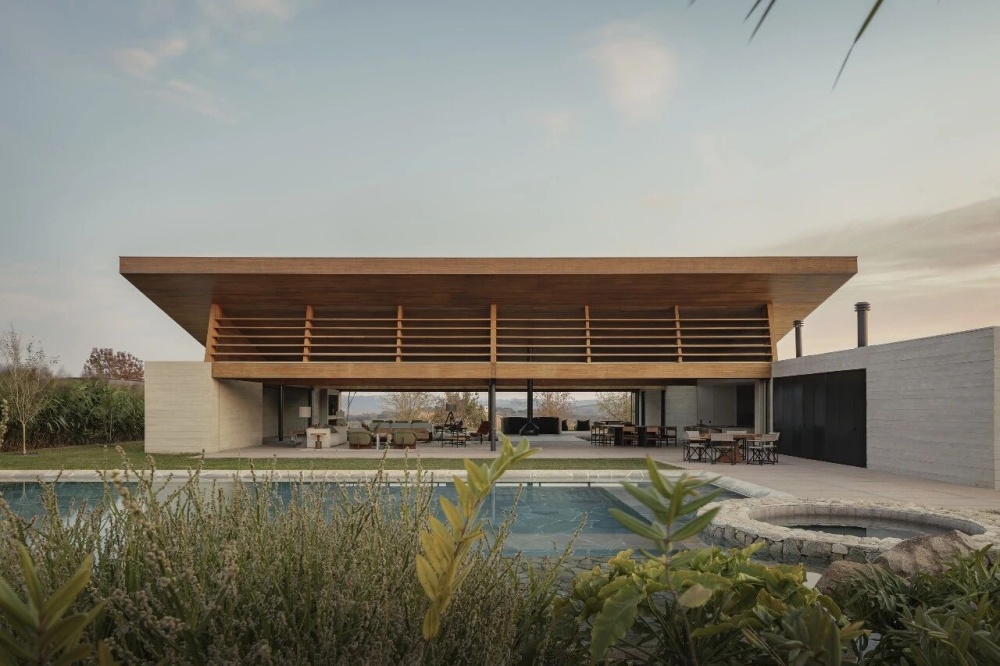
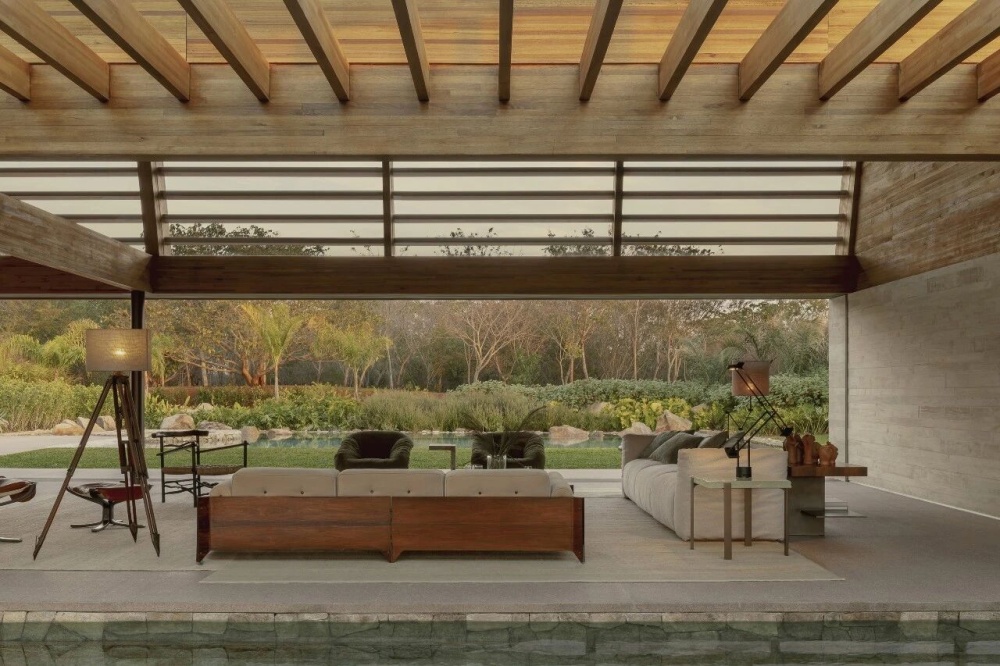
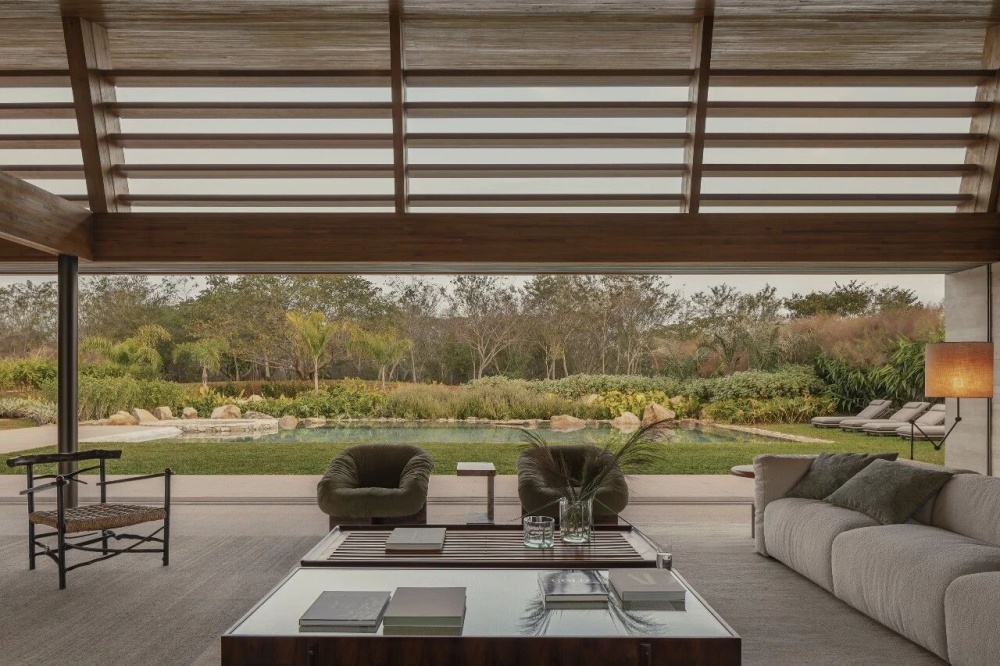
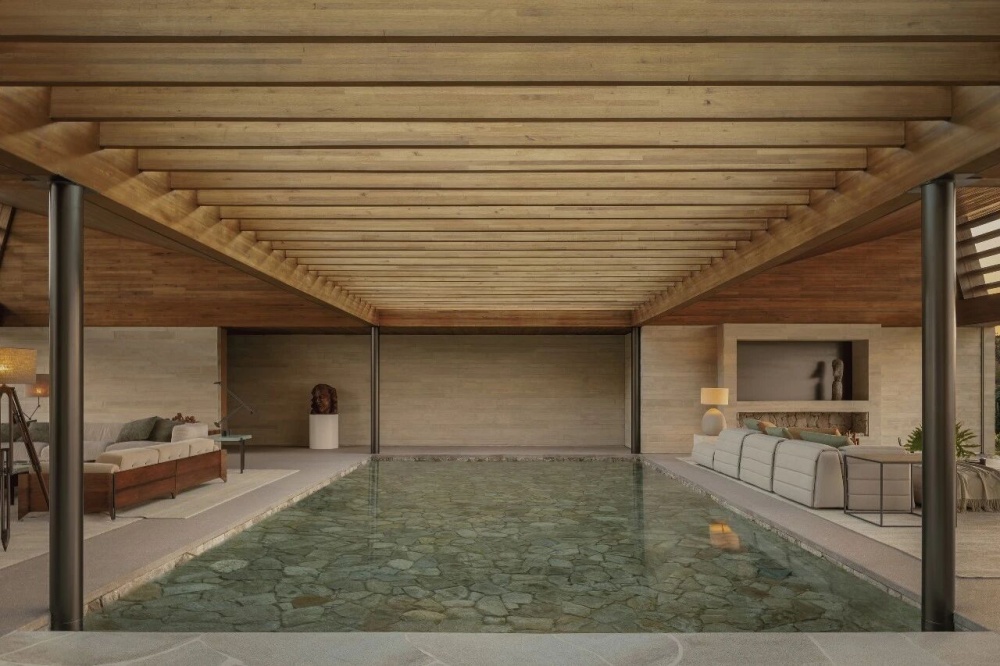
Baroneza 住宅建立在对坡地地形的细致解读之上,以林地景观为背景,远眺开阔地平线。项目位于圣保罗郊外的 Quinta da Baroneza 住宅区内,是为一个重视家庭团聚的家庭而设计。这座住宅重新定义了传统的场地占用逻辑,并反转了惯常的功能布局。通过将社交层设置在场地最高处的上层,设计充分利用了得天独厚的双重景观视野,使空间得以持续向自然景观敞开。两个巨大的体量由一座中央倒影池连接,而宽阔的滑动玻璃面板则促进了整个室内的空气流通,有助于实现交叉通风以及住宅内部的自然降温。
With a woodland backdrop and the horizon ahead, Baroneza House is set into a careful reading of the topography of a sloping site. Designed in the Quinta da Baroneza condominium, in the countryside of São Paulo, for a family that values togetherness, the residence redefines the traditional logic of site occupation and inverts the usual programmatic arrangement. By placing the social level on the upper floor - the highest point of the site - the design fully takes advantage of the privileged dual view, allowing the space to open continuously toward the landscape. Two large volumes are articulated by a central reflecting pool, while expansive sliding glass panels promote air circulation throughout the interiors, contributing to cross ventilation and the natural cooling of the house.
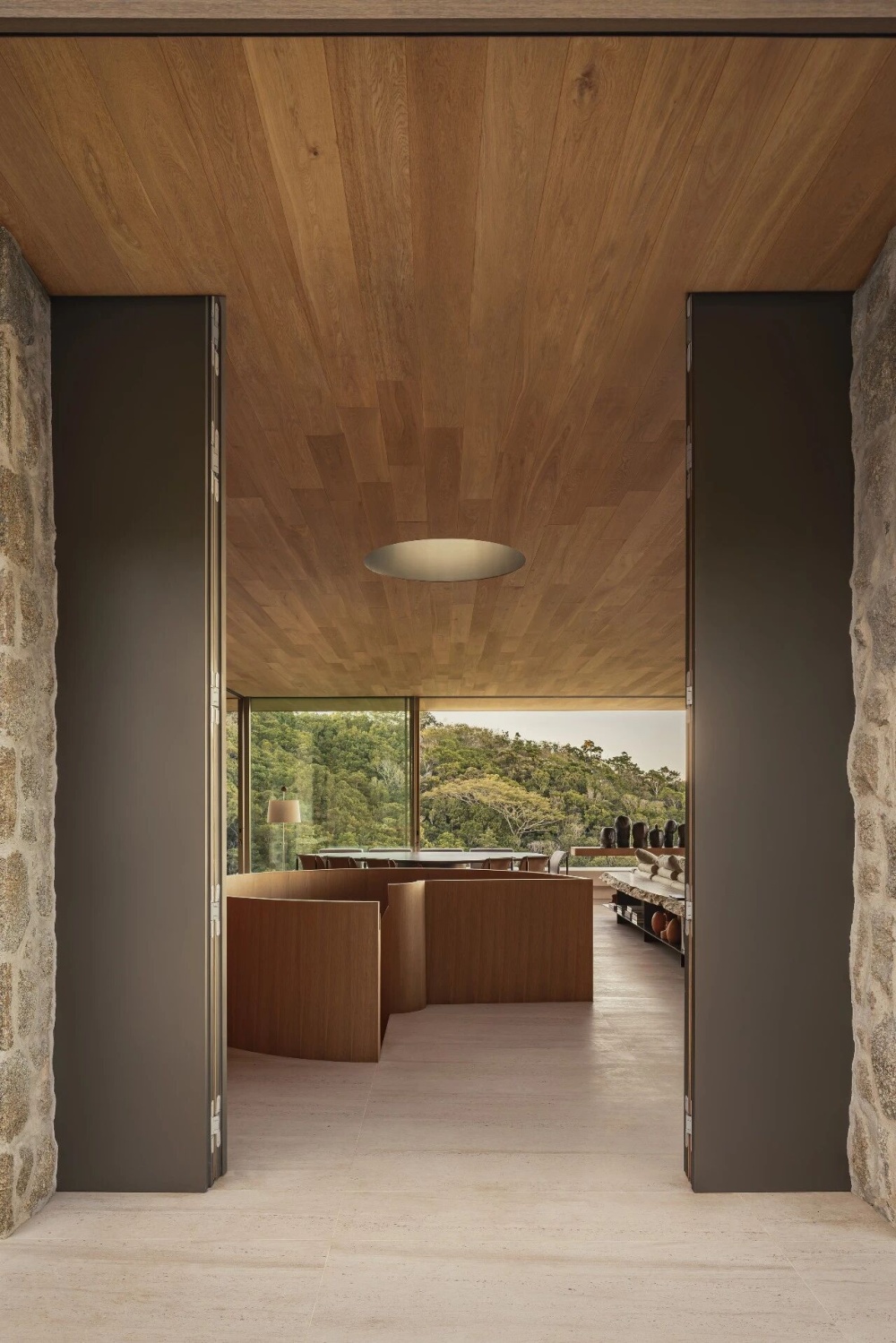
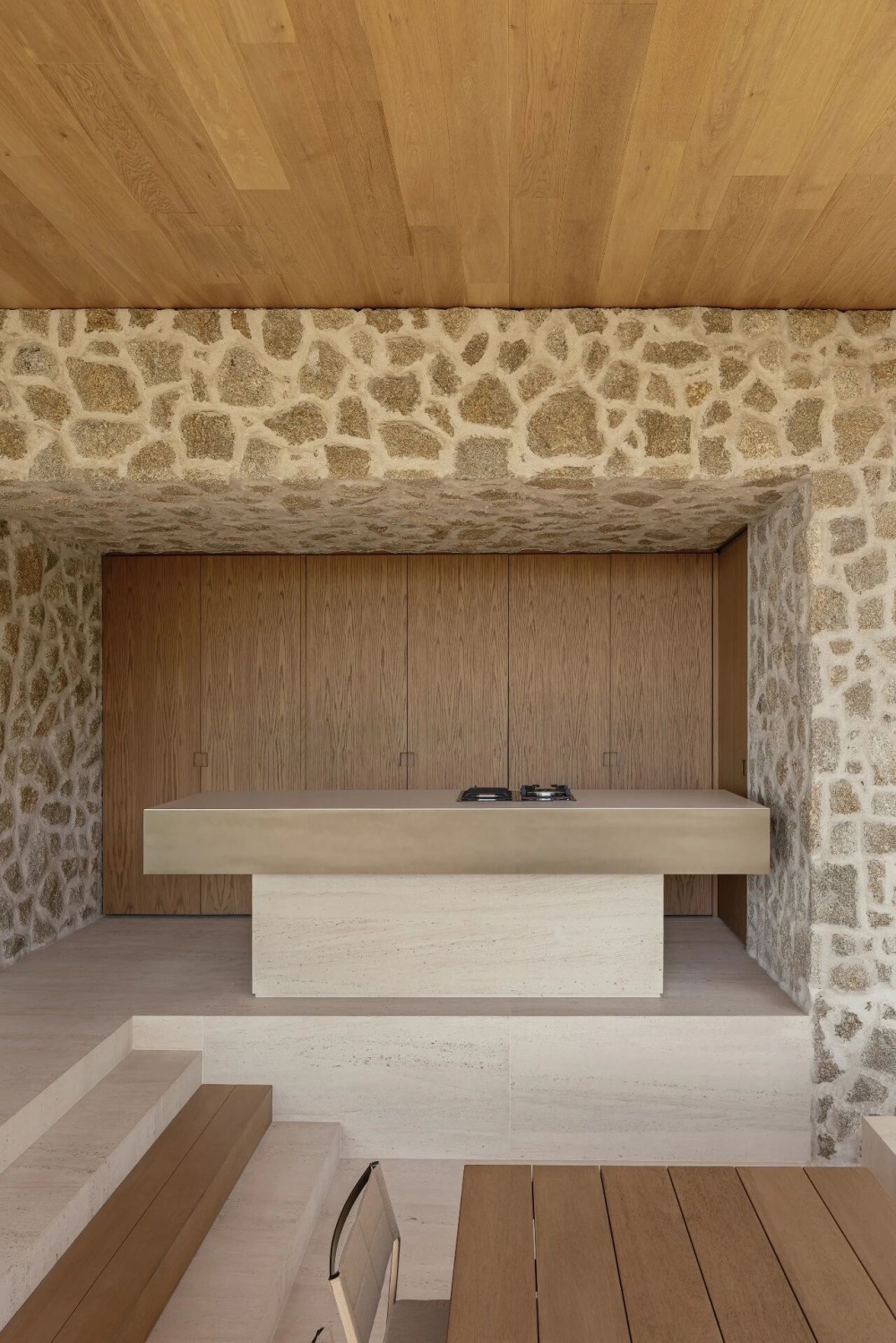
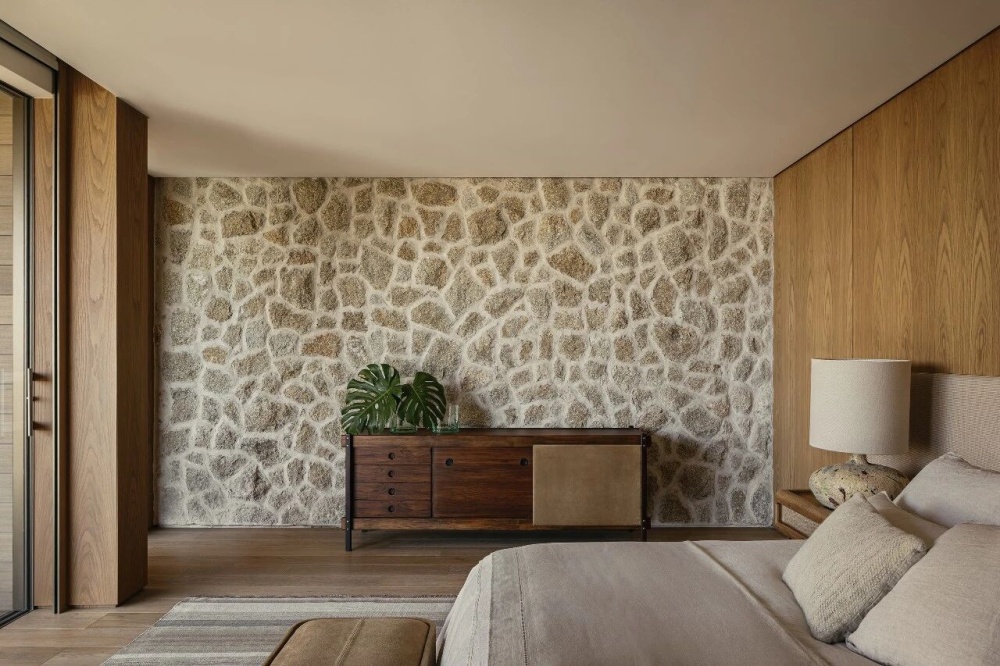
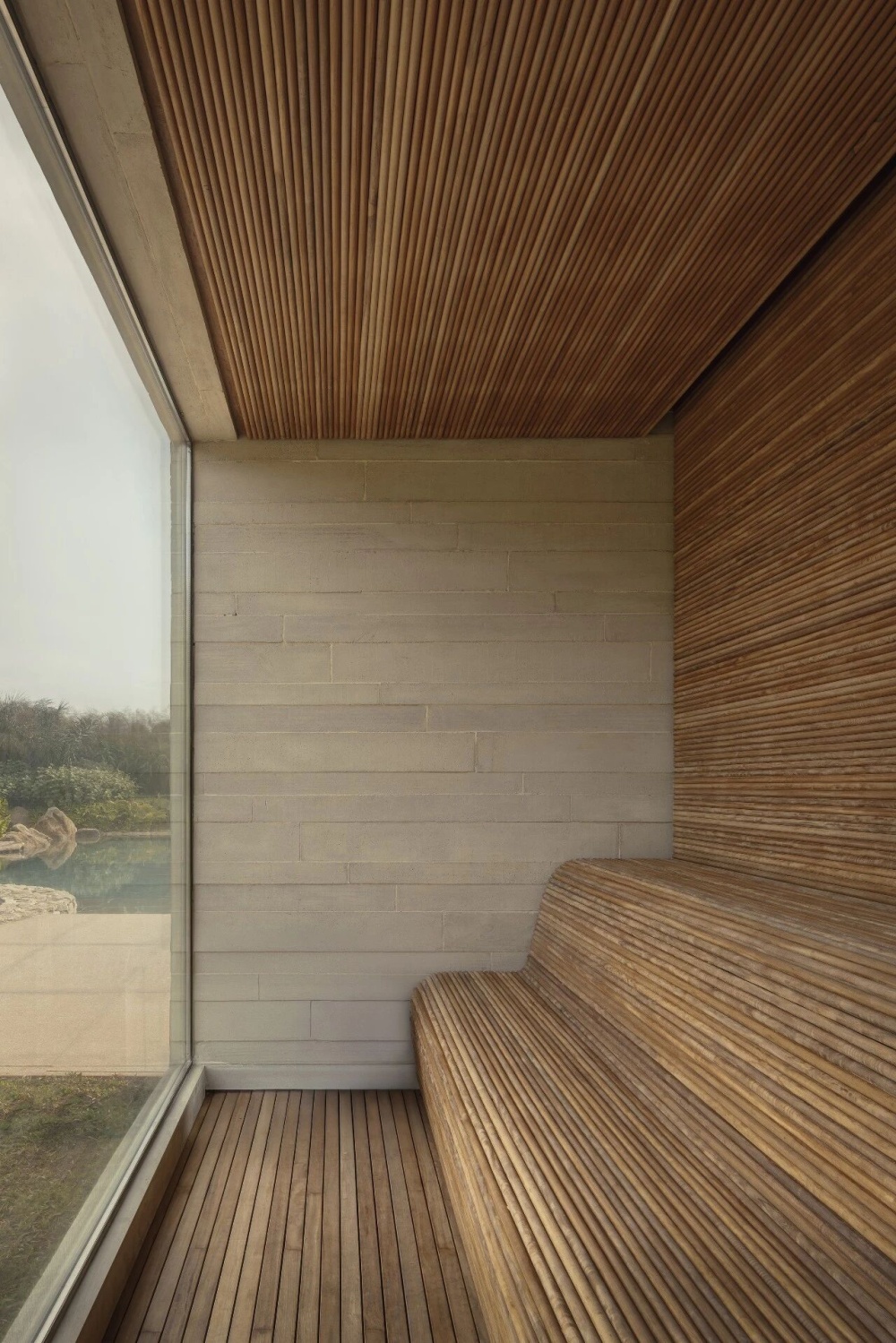
住宅的材料质感在不同的体量之中呈现出层次变化,上部体量以清水混凝土呈现,并由木屋顶覆盖——这是项目中最具表现力的元素;下部体量则部分嵌入地形,同样结合混凝土与木材,但表达方式更为克制,也更加贴合地势。天然石材地板从室内延续至室外区域,建立起视觉上的连续性,并与同样采用石材铺覆的泳池形成直接对话。
The materiality of the house reveals itself differently in each overlapping volume. The upper body appears in exposed concrete, crowned by the timber roof - the most expressive element of the project. The lower volume, partially embedded in the ground, also combines concrete and wood, though in a more restrained way and more integrated with the terrain. Natural stone flooring extends from the interior to the outdoor areas, establishing visual continuity and directly dialoguing with the pool, which is also clad in stone.
Studio Arthur Casas 作品最动人的地方在于,他们选择让建筑成为一种安静而持久的存在——让风得以穿行,让光线留下痕迹,让人与自然、人与城市、人与彼此建立更真实的联系。在时间的流逝中,这些建筑不断被使用、被感知,也因此不断完善自身。于他们而言,真正的建筑,不是被创造出来的对象,而是从理解中自然生长出的生活容器。
What makes Studio Arthur Casas’s work so compelling is its choice to allow architecture to exist as a quiet and enduring presence—one that lets the wind move through it, allows light to leave its traces, and fosters more authentic connections between people and nature, people and the city, and people with one another. As time passes, these buildings continue to be inhabited, experienced, and gradually completed through the lives lived within them. For Arthur Casas, true architecture is not an object to be created, but a vessel for life that grows naturally out of understanding.
|
|